
Tailor-Made Tanzania Safari Adventures for Every Traveller
Tanzania is the ultimate Tanzania safari destination for adventure lovers, offering extraordinary wildlife encounters, mountain climbing, walking safaris, chimpanzee trekking and tropical island escapes. From the legendary Serengeti National Park and the spectacular Ngorongoro Crater to Mount Kilimanjaro and the beautiful beaches of Zanzibar, Tanzania offers unforgettable adventures for every type of traveller.
Whether you dream of witnessing the Great Wildebeest Migration, climbing Africa’s highest mountain, exploring remote wilderness areas or enjoying an exciting wildlife photography safari, Tanzania delivers exceptional experiences throughout the year.
1. Tanzania Is Home to the Legendary Serengeti
Serengeti National Park is one of the world’s most respected wildlife destinations. Its name is associated with open grasslands, rocky kopjes, seasonal rivers and a remarkable variety of animals.
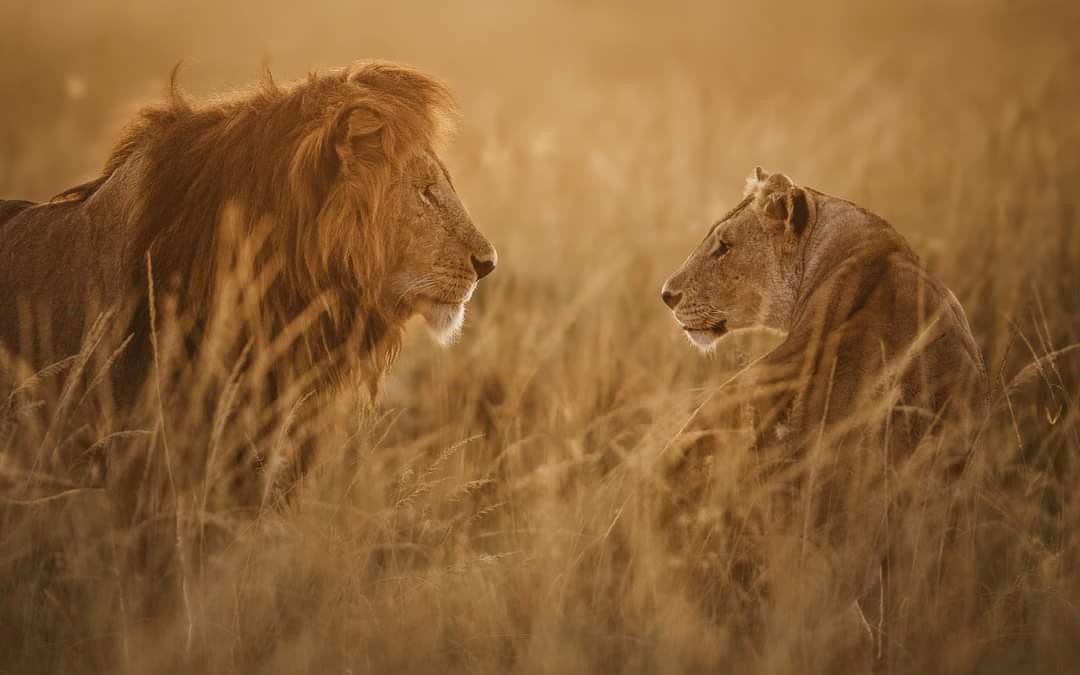
The Serengeti supports lions, elephants, leopards, cheetahs, buffaloes, giraffes, hippos, crocodiles, spotted hyenas and numerous antelope species.
Adventure in the Serengeti does not come from rushing between sightings. It comes from observing natural behaviour as it develops. You may watch lions planning a hunt, elephants crossing the plains or giraffes moving between acacia trees.
Because wildlife roams freely, no two game drives are identical. This unpredictability gives every day a sense of discovery.
Popular Serengeti experiences include:
- Morning and afternoon game drives
- Full-day wildlife excursions
- Seasonal Great Migration safaris
- Sunrise balloon safaris
- Wildlife photography
- Mobile tented camps
- Private guided safaris
- Multi-day overland journeys
2. The Great Migration Is a Year-Round Wildlife Journey
The Great Wildebeest Migration is one of the main reasons adventure travellers visit Tanzania.
Large numbers of wildebeest, zebras and other grazing animals move through the Serengeti ecosystem in search of water and fresh grass. Predators follow the herds, creating an ever-changing wildlife story.
The migration is not a single event that happens on one date. It is a year-round movement influenced by rainfall and grazing conditions.
Different periods may offer different experiences:
- January to March: Calving activity around Southern Serengeti and Ndutu
- April to May: Herd movement through central and western areas
- June and July: Movement towards the north and possible river activity
- July to October: Herds may gather near the Mara River in Northern Serengeti
- November and December: Seasonal movement back towards central and southern areas
The precise location of the herds cannot be guaranteed. Rain may arrive earlier or later, changing the timing of their movement.
That uncertainty is part of the adventure. Travellers follow a natural system rather than a staged attraction.
3. Ngorongoro Crater Offers Exceptional Wildlife Viewing
The Ngorongoro Conservation Area combines dramatic scenery, wildlife and human history.
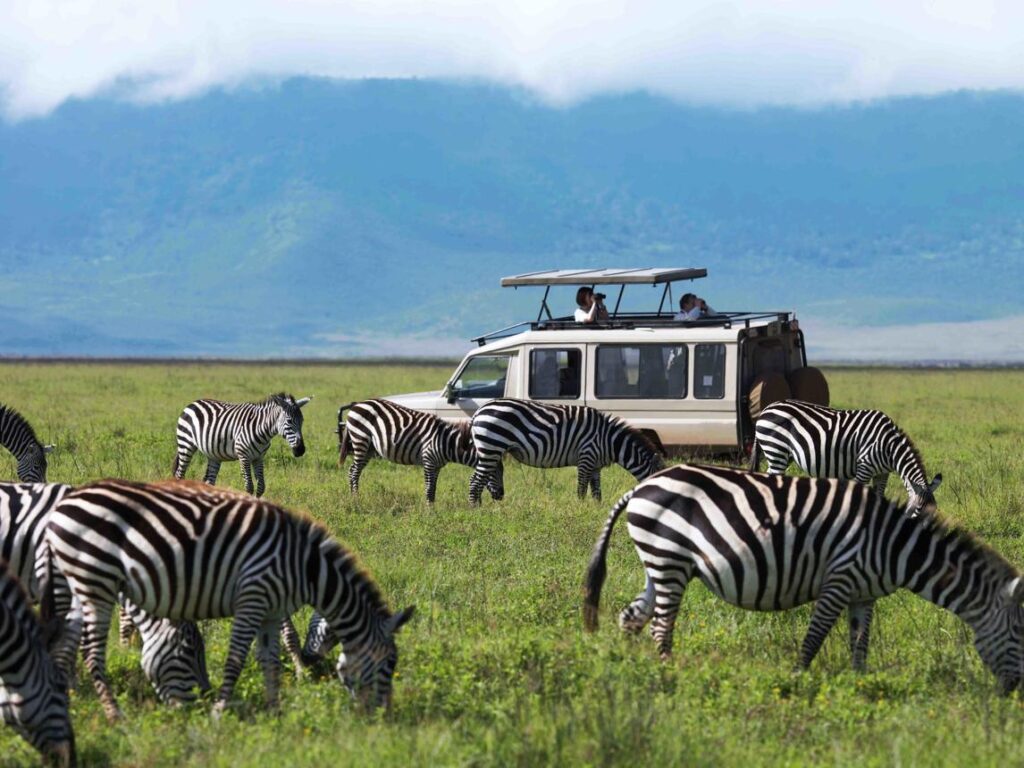
The Ngorongoro Crater contains grasslands, woodland, wetlands and permanent water. These habitats support a high concentration of animals within a relatively compact area.
During a crater game drive, travellers may encounter:
- Lions
- Elephants
- Buffaloes
- Wildebeest
- Zebras
- Hippos
- Spotted hyenas
- Jackals
- Gazelles
- Numerous bird species
Black rhinoceroses also inhabit the conservation area, although sightings are never guaranteed.
The drive down the crater wall is an adventure in itself. From the rim, the crater floor appears like a vast natural bowl. As the vehicle descends, the landscape opens into different habitats filled with wildlife.
Ngorongoro also connects the Serengeti plains with the highlands, creating an excellent route for a Northern Tanzania safari.
4. Mount Kilimanjaro Adds a Serious Physical Challenge
For travellers seeking a demanding outdoor achievement, Kilimanjaro National Park protects Africa’s highest mountain.
Mount Kilimanjaro rises to 5,895 metres above sea level. Climbers pass through several ecological zones, from cultivated foothills and montane forest to moorland, alpine desert and the high summit environment.
Popular routes include:
- Marangu Route
- Machame Route
- Lemosho Route
- Rongai Route
- Northern Circuit
- Umbwe Route
Each route differs in length, scenery, difficulty, traffic and acclimatisation profile.
Climbing Kilimanjaro does not require technical mountaineering skills on the standard routes, but it remains physically and mentally demanding. Altitude affects every climber differently, and reaching the summit is never guaranteed.
A responsible itinerary should allow sufficient acclimatisation rather than focusing only on the shortest or cheapest route.
Travellers who do not want a complete summit climb can choose a Kilimanjaro day trip through the lower forest section.
5. Tarangire Provides a Different Kind of Safari
Tarangire National Park offers a landscape that feels different from the open Serengeti plains.
Ancient baobab trees stand above woodland, grassland and seasonal wetlands. The Tarangire River becomes particularly important during the dry season, when animals gather around remaining water sources.
The park is widely known for elephants. Visitors may see family herds feeding, drinking or moving between the river and woodland.
Other possible sightings include:
- Giraffes
- Zebras
- Wildebeest
- Buffaloes
- Impalas
- Waterbucks
- Warthogs
- Lions
- Leopards
- Cheetahs
- Varied birdlife
Tarangire is particularly rewarding for travellers interested in elephants, landscapes and birdwatching. Walking and balloon activities may also be available in authorised areas.

6. Tanzania Offers More Than Vehicle-Based Game Drives
One reason Tanzania is the best safari destination for adventure lovers is the variety of ways to experience its landscapes.
A traditional game drive remains the foundation of many safaris, but it is not the only option.
Depending on the park, season and local regulations, travellers may add:
- Guided walking safaris
- Canoeing
- Boat safaris
- Mountain climbing
- Forest trekking
- Chimpanzee tracking
- Balloon safaris
- Night game drives
- Cycling experiences
- Birdwatching
- Cultural walks
- Beach and marine activities
Activities operate only in approved locations and may have age, fitness or safety requirements.
A good safari company will recommend experiences that match your interests instead of adding activities simply to make the itinerary appear busy.
7. The Southern Safari Circuit Feels Remote and Wild
Northern Tanzania is the country’s best-known safari region, but adventure travellers should also consider the south.
Ruaha National Park is known for broad landscapes, river systems and rewarding wildlife viewing. Its relative remoteness can create a quieter safari experience.
Nyerere National Park, historically associated with the wider Selous ecosystem, offers a different combination of activities. Depending on current regulations and operating areas, visitors may experience game drives, boat excursions and guided walks.
Mikumi National Park is more accessible from Dar es Salaam and can be included in shorter Southern Circuit itineraries.
The south may appeal to travellers seeking:
- Fewer vehicles
- Remote camps
- Boat-based wildlife viewing
- Walking safaris
- Large wilderness landscapes
- Longer stays in fewer places
- A less conventional Tanzania itinerary
Travel logistics can be more complex, and some camps operate seasonally. Flying between remote areas may save time but increase the overall cost.
8. Western Tanzania Offers Chimpanzee Trekking
Western Tanzania provides one of the country’s most distinctive adventures.
Mahale Mountains National Park combines forested mountains with the shores of Lake Tanganyika. Visitors travel to this remote region for chimpanzee trekking, forest walks, lake scenery and quiet beaches.
Gombe Stream National Park is another important chimpanzee destination beside Lake Tanganyika.
These parks are far from the standard Northern Circuit. Reaching them may involve scheduled or charter flights followed by boat transfers.
Their remoteness is part of their attraction. A western Tanzania journey is well suited to travellers who value forests, primates and a sense of isolation.
Chimpanzee sightings cannot be guaranteed. Trekking time depends on the location of the animals, forest conditions and the instructions of park guides.
9. Walking Safaris Bring Travellers Closer to the Landscape
A walking safari changes the way you experience the wilderness.
Inside a vehicle, travellers naturally focus on larger animals. On foot, smaller details become important: tracks, plants, insects, bones, sounds and wind direction.
Walking safaris are conducted by trained and authorised guides in approved areas. Depending on the destination, an armed ranger may also accompany the group.
The purpose is not to approach dangerous animals closely. It is to understand the environment at ground level while following strict safety procedures.
Before joining a walking safari:
- Follow the guide’s instructions
- Wear neutral clothing
- Use comfortable closed shoes
- Avoid strong perfume
- Walk quietly
- Remain with the group
- Do not run
- Disclose medical concerns
- Respect minimum-age requirements
- Carry only necessary items
Walking safaris are available in selected parks and private areas, subject to regulations and local conditions.
10. Cultural Experiences Add Meaning to the Journey
Adventure is not limited to wildlife and physical activity.
Tanzania is home to many communities with distinct histories, languages and traditions. Respectfully organised cultural experiences can add depth to a safari.
Possible activities include:
- Visiting a Maasai village
- Learning about the Hadzabe and Datoga near Lake Eyasi
- Joining a guided village walk
- Visiting a local market
- Learning traditional crafts
- Exploring farms and food production
- Participating in a cooking experience
- Meeting community-based tourism groups
Cultural tourism should be organised transparently and respectfully. Communities should benefit from the experience, and visitors should ask permission before photographing people.
Avoid treating communities as staged attractions. A good local guide provides context and encourages genuine, respectful interaction.
11. Zanzibar Combines Adventure With Recovery Time
After an active safari or mountain climb, Zanzibar Island provides a natural change of pace.
Travellers can relax beside the Indian Ocean while still choosing from a wide range of activities.
Popular Zanzibar experiences include:
- Safari Blue Zanzibar
- Prison Island Tour
- Jozani Forest Tour
- Zanzibar Cooking Class
- Stone Town walking tours
- Spice-farm visits
- Snorkelling
- Scuba diving
- Kayaking
- Dolphin watching
- Sunset dhow cruises
- Kitesurfing
- Beach relaxation
Nungwi and Kendwa are popular for swimming and sunsets. Paje and Jambiani attract travellers interested in long beaches, local character and water activities.
The island makes it possible to finish an adventurous mainland journey with several slower days at the coast.
12. Every Tanzania Journey Can Be Customised
Tanzania works for different kinds of adventure travellers because itineraries can be adjusted around budget, time, fitness and interests.
For Wildlife Enthusiasts
A Northern Circuit safari can combine Tarangire, Serengeti and Ngorongoro.
For Photographers
A private vehicle, longer park stays and strategically located camps provide greater flexibility.
For Climbers
A Kilimanjaro route can be followed by a recovery safari or Zanzibar beach holiday.
For Families
Shorter driving days, family rooms, swimming pools and a private vehicle can create a comfortable experience.
For Honeymooners
Private game drives, intimate lodges and a Zanzibar extension provide a balance between activity and privacy.
For Experienced Safari Travellers
Ruaha, Nyerere, Katavi, Mahale or Gombe can offer a more remote journey.
For Budget-Conscious Travellers
Camping safaris, small-group departures and carefully selected travel periods can reduce costs.
This flexibility is another reason why Tanzania is the best safari destination for adventure lovers.
Best Time for an Adventure Safari in Tanzania
Tanzania can be visited throughout the year, but the best time depends on the experiences you want.
January to March
This period can be rewarding for calving-season safaris around Southern Serengeti and Ndutu. Conditions are often warm, and short rains may influence wildlife distribution.
April and May
The main rainy season brings green landscapes, fewer visitors and possible accommodation offers. Some remote camps close temporarily, and road conditions can become more challenging.
June to October
The dry season is popular for wildlife viewing, trekking and outdoor activities. Animals often concentrate around water sources, while mornings can be cool.
November and December
Short seasonal rains refresh the landscape. Wildlife viewing remains possible, and the parks may feel quieter than during the main peak season.
Weather and wildlife movement vary from year to year. Travellers should choose dates based on priorities rather than expecting one month to guarantee every experience.
How Long Should an Adventure Safari Last?
The ideal duration depends on your chosen activities.
| Journey type | Recommended duration |
|---|---|
| Short Northern Circuit safari | 3–5 days |
| Serengeti, Tarangire and Ngorongoro | 5–8 days |
| Great Migration safari | 6–10 days |
| Southern Circuit safari | 6–10 days |
| Kilimanjaro climb | 6–9 days |
| Safari and Zanzibar | 10–14 days |
| Safari, Kilimanjaro and Zanzibar | 14–21 days |
| Western Tanzania chimpanzee trip | 5–10 days |
These are general planning ranges, not fixed rules. Domestic flights can reduce travel time between distant regions.
What to Pack for a Tanzania Adventure
Packing depends on whether your journey includes safari, trekking or Zanzibar.
Useful safari items include:
- Lightweight neutral-coloured clothing
- Warm fleece or jacket
- Comfortable closed shoes
- Sun hat
- Sunglasses
- Sunscreen
- Insect repellent
- Binoculars
- Camera and spare batteries
- Personal medication
- Reusable water bottle
- Soft-sided travel bag
- Portable charger
- Copies of travel documents
Mountain climbers require specialised clothing and equipment suited to cold, wind, rain and altitude.
Read our complete Safari Packing Guide before travelling.
Responsible Adventure Travel
Adventure tourism should protect wildlife, landscapes and communities.
Responsible travellers should:
- Follow national park regulations
- Maintain a safe distance from animals
- Never feed wildlife
- Avoid off-road driving where prohibited
- Reduce single-use plastic
- Respect cultural customs
- Ask permission before photographing people
- Avoid purchasing illegal wildlife products
- Stay on authorised walking routes
- Use locally based guides and services
- Avoid touching coral
- Dispose of waste correctly
- Listen to safety instructions
Respectful travel creates better experiences while helping protect Tanzania’s natural and cultural heritage.
Why Travel With a Local Tanzania Safari Company?
A locally based company understands realistic driving times, seasonal wildlife patterns, accommodation locations and park logistics.
Gowitos Safaris and Holidays can organise:
- Private wildlife safaris
- Great Migration itineraries
- Kilimanjaro climbs
- Walking safaris
- Family holidays
- Photography safaris
- Honeymoon journeys
- Southern Circuit safaris
- Chimpanzee trekking
- Zanzibar beach extensions
- Cultural experiences
- Airport and hotel transfers
Working with a local team also gives you direct support if weather, flights or wildlife movements require an itinerary adjustment.
Frequently Asked Questions
Why is Tanzania good for adventure lovers?
Tanzania combines game drives, wildlife migration, mountain climbing, walking safaris, chimpanzee trekking, cultural experiences and Indian Ocean activities within one country.
Is Tanzania suitable for a first safari?
Yes. The Northern Circuit has established safari routes, varied accommodation and experienced guides, making it suitable for first-time visitors.
Can wildlife sightings be guaranteed?
No. Animals move freely through natural ecosystems. A professional guide improves your chances but cannot guarantee a particular sighting.
Can beginners climb Mount Kilimanjaro?
Many climbers are not technical mountaineers, but Kilimanjaro remains physically demanding. Proper training, equipment, acclimatisation and medical preparation are essential.
Is Tanzania suitable for families?
Yes. A private vehicle, family accommodation and a comfortable daily schedule can make Tanzania an excellent family destination.
Can safari and Zanzibar be combined?
Yes. Domestic flights connect the mainland safari regions with Zanzibar, making a wildlife-and-beach itinerary straightforward to arrange.
Are walking safaris safe?
Walking safaris are conducted in authorised areas with trained guides and strict procedures. Participants must follow every safety instruction.
When is the best time to see the Great Migration?
The migration occurs throughout the year in different parts of the Serengeti ecosystem. The best location depends on the month, rainfall and herd movement.
How far ahead should I book?
Booking six to twelve months ahead is recommended for popular seasons. Migration camps, family rooms and premium lodges may require earlier reservations.
Do I need travel insurance?
Yes. Comprehensive insurance should cover medical treatment, emergency evacuation, cancellations, delays and all planned adventure activities.
Plan Your Tanzania Adventure
Wildlife-filled plains, volcanic highlands, remote forests, Africa’s highest mountain and the Indian Ocean explain why Tanzania is the best safari destination for adventure lovers.
Gowitos Safaris and Holidays can create a private journey based on your travel dates, preferred activities, group size, accommodation level and budget.
Gowitos Safaris and Holidays
Website: gowitossafarisandholidays.com
WhatsApp: +255 769 100 815
Email: info@gowitossafarisandholidays.com
