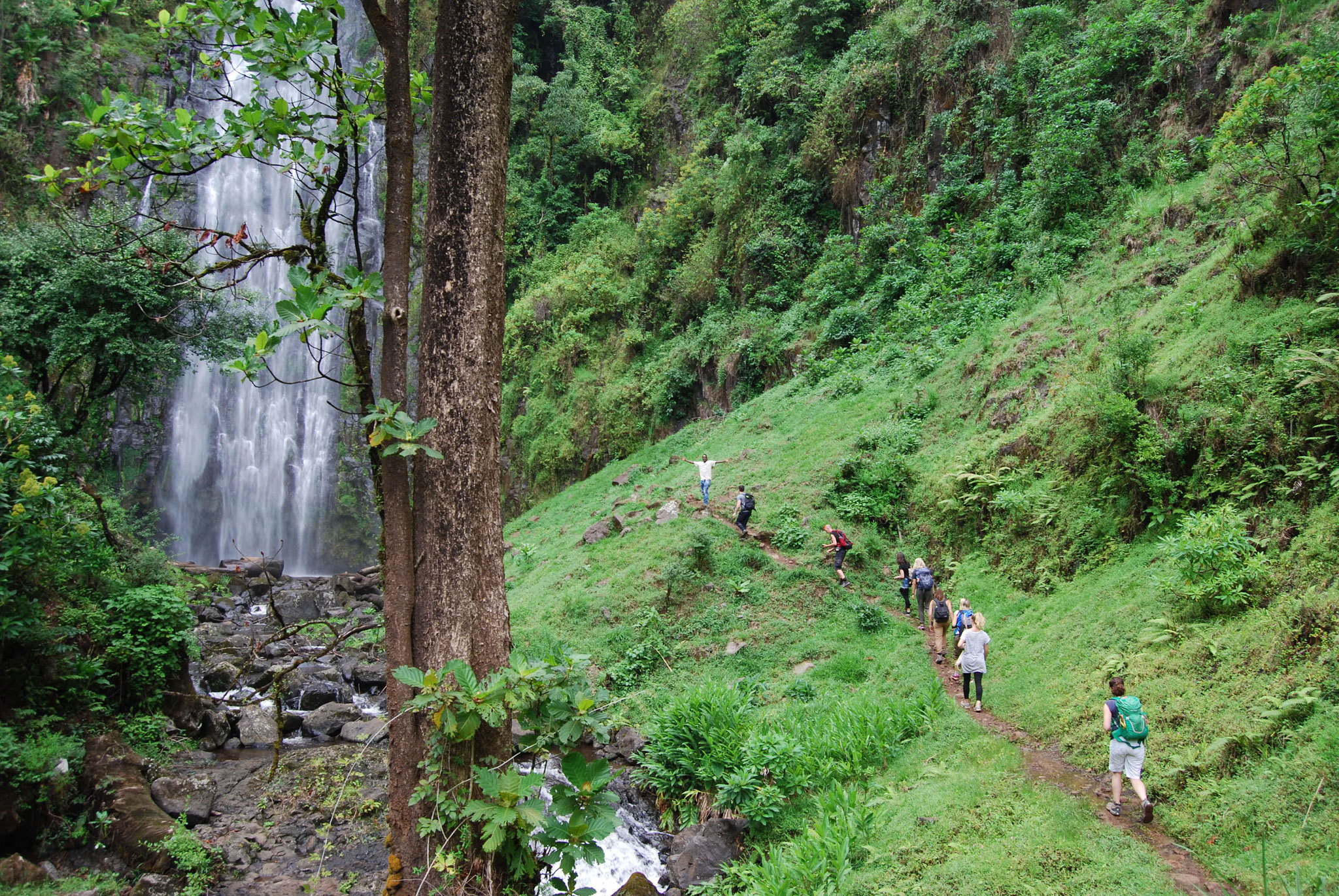
The Oldonyo Lengai Day Tour is a demanding overnight-to-daylight climb of northern Tanzania’s sacred active volcano. The hike normally begins around midnight from the Lake Natron area, reaches the upper mountain near sunrise and returns to the base during the morning or early afternoon.
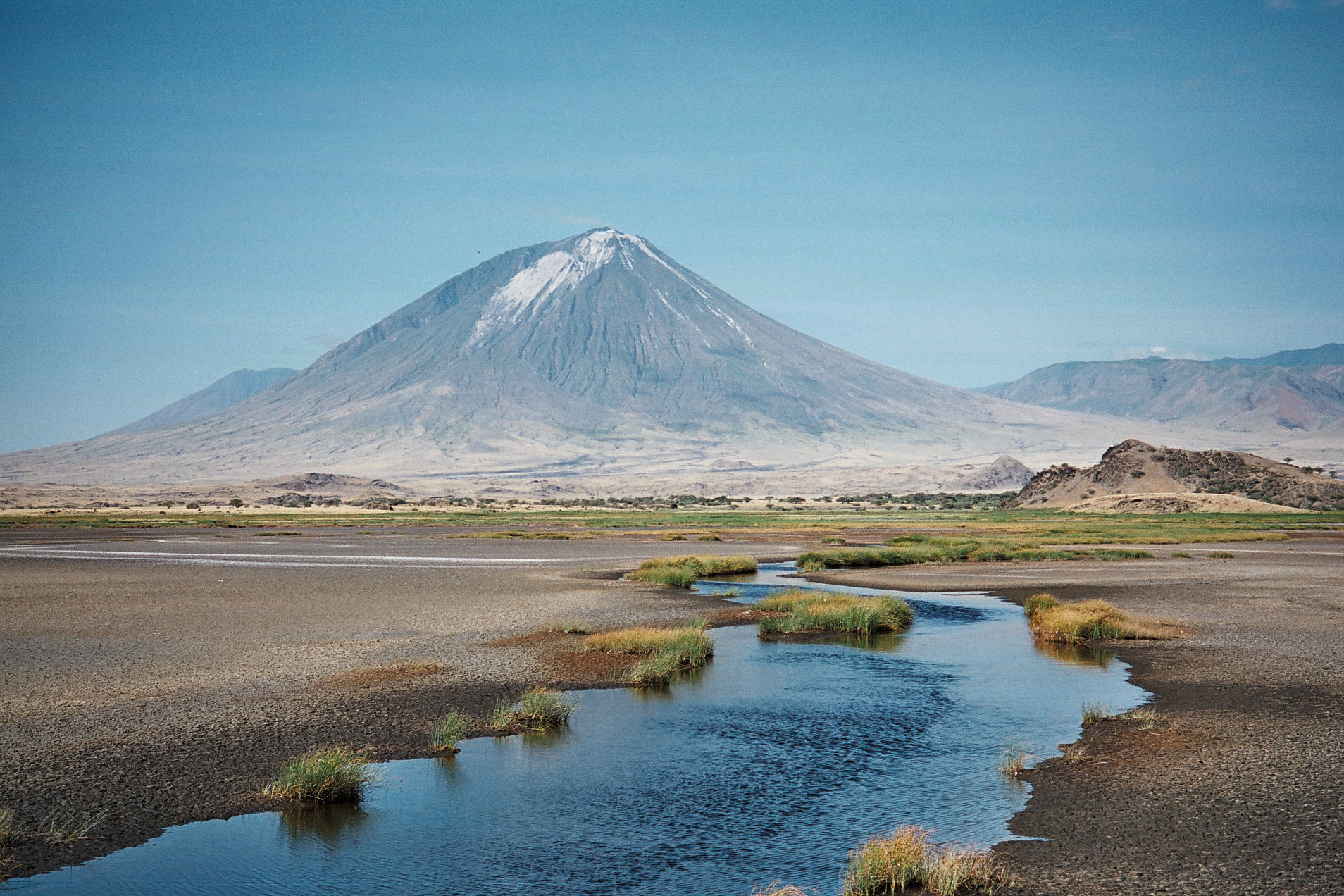
Known locally as Ol Doinyo Lengai, meaning the “Mountain of God” in the Maa language, the volcano rises above the dry Great Rift Valley landscape south of Lake Natron. It holds deep spiritual significance for Maasai communities and is geologically distinctive because of its rare carbonatitic lava.
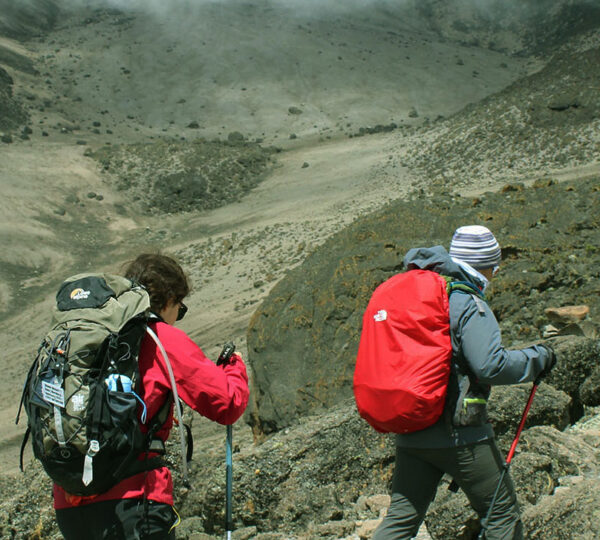
This is not an easy sightseeing walk. The route is steep, loose and physically demanding, while the descent can be more difficult than the ascent. Only travelers with strong fitness, suitable equipment and an experienced local mountain guide should attempt the summit climb.
Because Oldonyo Lengai is remote and active, the full experience normally requires at least two days and one night from Arusha or Moshi. It cannot be completed safely as an ordinary same-day return excursion from either city.
Gowitos Safaris and Holidays can arrange transportation, Lake Natron accommodation, local permits and professional guiding.
Oldonyo Lengai Tour Overview
| Tour information |
Details |
| Destination |
Oldonyo Lengai and Lake Natron |
| Recommended duration |
2 days and 1 night minimum |
| Summit altitude |
Approximately 2,960 meters |
| Estimated elevation gain |
Approximately 1,600 meters |
| Hiking duration |
Commonly 10–14 hours return |
| Start time |
Around midnight |
| Difficulty |
Very challenging |
| Terrain |
Steep volcanic ash, rock and loose scree |
| Tour type |
Private guided climb |
| Best for |
Fit and experienced hikers |
| Starting base |
Lake Natron area |
| Minimum preparation |
Good fitness and suitable hiking equipment |
All times and distances are estimates. Current volcanic activity, weather, route conditions and individual fitness determine whether the climb can proceed.
Important: Oldonyo Lengai Is an Active Volcano
Oldonyo Lengai is not a dormant sightseeing mountain. It is an active volcano within the East African Rift.
The Smithsonian Institution’s Global Volcanism Program describes it as a volcano known for rare, low-temperature carbonatitic lava. Its recorded activity includes lava flows, spattering and eruptions within the northern summit crater.
A 2024 Smithsonian report also recorded ongoing thermal anomalies associated with volcanic activity.
For this reason:
- The climb is always subject to current local safety advice.
- Access may be restricted or canceled without notice.
- Reaching the crater rim cannot be guaranteed.
- Visitors must never approach fresh lava or active vents.
- The guide can turn the group around at any time.
- Weather and volcanic conditions take priority over the itinerary.
- No traveler should enter an active crater without explicit authorization.
Payment for a tour does not guarantee that volcanic and weather conditions will allow a summit attempt.
Why Visit Oldonyo Lengai?
Oldonyo Lengai offers a landscape very different from Mount Kilimanjaro or Mount Meru.
The mountain rises steeply above the Lake Natron plains, creating broad views across the Great Rift Valley. Under clear conditions, hikers may see Lake Natron, surrounding escarpments and distant highlands.
The area is also culturally important. Tanzania Tourism describes the volcano as a sacred mountain in Maasai country, positioned south of Lake Natron.
The main reasons to visit include:
- Climbing a geologically rare active volcano
- Watching sunrise over the Rift Valley
- Exploring the remote Lake Natron region
- Learning about Maasai cultural connections to the mountain
- Experiencing a challenging nontechnical trek
- Photographing volcanic and semi-arid landscapes
- Combining the climb with northern Tanzania’s parks
Is This Really a One-Day Tour?
The hiking activity takes place within one night and the following day. However, travelers coming from Arusha or Moshi need additional road travel and accommodation.
A safe itinerary normally includes:
- Travel from Arusha or Moshi to Lake Natron
- Rest and early dinner
- Midnight transfer to the trailhead
- Overnight ascent
- Morning descent
- Recovery at camp
- Return journey or an additional night
For this reason, Gowitos recommends a minimum two-day, one-night package. A second recovery night at Lake Natron may be advisable before a long road transfer.
Attempting to drive from Arusha, climb the mountain and return to Arusha without adequate rest would create unnecessary fatigue and road-safety concerns.
Detailed Two-Day Oldonyo Lengai Itinerary
Day 1: Arusha or Moshi to Lake Natron
Your Gowitos driver-guide will collect you from your hotel after breakfast.
The journey to Lake Natron passes through northern Tanzania’s Rift Valley landscapes. Road conditions vary, and substantial sections may be rough or unpaved.
The drive can take approximately five to seven hours from Arusha, depending on the chosen route, traffic, weather and road conditions. Travel from Moshi is normally longer.
After arriving at Lake Natron, you will check into a lodge or camp and meet your specialist mountain guide.
Afternoon Briefing and Equipment Check
Your guide will explain:
- The route
- Expected weather
- Volcanic conditions
- Estimated ascent and descent times
- Required turnaround time
- Water requirements
- Clothing and equipment
- Emergency procedures
- Communication arrangements
- Current local restrictions
The guide will inspect your footwear, headlamp, water supply and warm clothing.
Travelers who arrive without suitable equipment or whose health appears incompatible with the climb may be advised not to participate.
Early Dinner and Rest
Dinner will be served in the early evening. You should then rest for several hours before the midnight wake-up.
Avoid alcohol and drink sufficient water. Excessive food immediately before the climb may cause discomfort.
Midnight: Transfer to the Trailhead
Your guide will wake you at approximately 11:00 PM or another agreed time.
After a light snack and final check, drive to the mountain’s starting point. The exact trailhead can change according to access and local conditions.
Night Ascent
The climb begins under darkness to avoid the strongest daytime heat and to provide the possibility of reaching the upper mountain near sunrise.
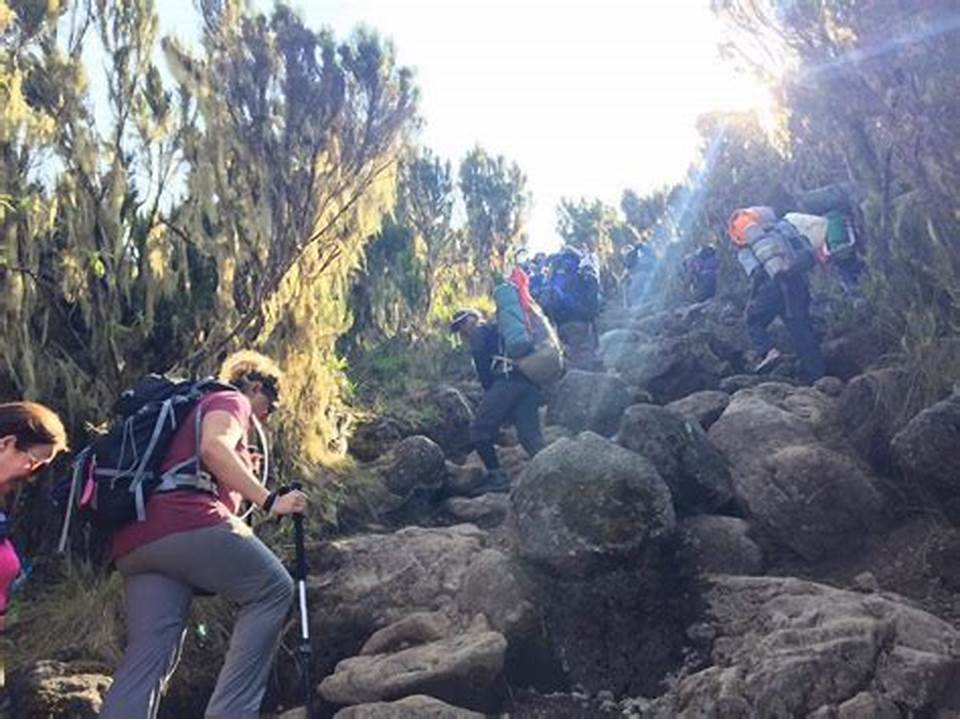
The route becomes progressively steeper. Loose volcanic ash and scree can make every step demanding. There may be sections where hikers use their hands for balance.
The guide will maintain a controlled pace and monitor the group continuously.
Rest breaks will be short to prevent the body from becoming excessively cold.
Sunrise on the Upper Mountain
If the group progresses safely and conditions remain acceptable, sunrise may be experienced from the upper slopes or summit area.
Reaching the highest point is never guaranteed. The guide may stop below the summit because of:
- Volcanic activity
- Falling rocks
- Strong wind
- Rain
- Poor visibility
- Dangerous surface conditions
- Slow progress
- Illness
- Exhaustion
- Missed turnaround time
A safe return is more important than standing at the highest point.
Descent to the Base
The descent begins soon after sunrise or immediately when instructed by the guide.
Loose ash and steep slopes can make the descent physically and mentally difficult. Hikers must move carefully and avoid rushing.
Trekking poles may improve stability, but they do not replace good balance, strong footwear and guide instructions.
The descent can take four to six hours or longer depending on route conditions and fatigue.
Return to Camp
After reaching the trailhead, your vehicle will take you back to the lodge or camp.
You will have time to eat, shower and rest. Depending on your condition and the final itinerary, you may begin the return journey to Arusha or spend another night at Lake Natron.
Driving schedules should remain flexible after such a demanding climb.
Optional Three-Day Itinerary
A three-day itinerary is more comfortable and strongly recommended for travelers who do not want to combine the descent with a long return drive.
Day 1: Arusha to Lake Natron
Travel to Lake Natron, complete the briefing and rest.
Day 2: Oldonyo Lengai Climb
Begin around midnight, complete the climb during the morning and spend the remainder of the day recovering at camp.
Day 3: Lake Natron Activity and Return
Take a guided nature or cultural walk when conditions allow, then return to Arusha or continue toward another safari destination.
How Difficult Is Oldonyo Lengai?
The Oldonyo Lengai Day Tour is significantly harder than an ordinary Kilimanjaro day hike to Mandara Hut.
The difficulty comes from:
- Very steep gradients
- Loose volcanic ash
- Unstable scree
- Nighttime climbing
- Limited sleep
- Strong winds
- Heat during the descent
- Long hiking duration
- Remote location
- Limited emergency access
- Active volcanic conditions
- Approximately 1,600 meters of elevation gain
The hike is not technically classified as a standard rock climb, but some sections may require the use of hands for balance.
It is best suited to hikers who regularly undertake steep mountain walks and can remain active for 10–14 hours.
Who Should Not Attempt the Summit?
The climb may not be suitable for:
- Travelers with poor general fitness
- People with uncontrolled heart conditions
- Travelers with serious breathing problems
- People with major knee, ankle or back problems
- Anyone recovering from illness or injury
- Travelers unable to hike safely in darkness
- People uncomfortable with steep and exposed terrain
- Travelers without proper hiking footwear
- Young children
- Anyone unwilling to follow a guide’s turnaround decision
Seek medical advice before booking if you have a relevant health condition.
Oldonyo Lengai or Kilimanjaro Day Hike?
These are very different experiences.
| Feature |
Oldonyo Lengai |
Kilimanjaro Day Hike |
| Difficulty |
Very challenging |
Moderate |
| Starting time |
Around midnight |
Morning |
| Terrain |
Steep volcanic ash and scree |
Forest trail |
| Typical duration |
10–14 hours hiking |
5–7 hours hiking |
| Highest point |
About 2,960 meters |
About 2,700 meters |
| Volcanic status |
Active |
Dormant |
| Suitable for beginners |
Generally no |
Active beginners |
| Main attraction |
Volcano and sunrise |
Kilimanjaro rainforest |
Travelers seeking a less demanding mountain experience should consider the Kilimanjaro Day Trip.
Oldonyo Lengai and Lake Natron
Lake Natron lies north of the volcano within the Great Rift Valley.
It is a shallow alkaline lake whose size changes with water levels. Tanzania Tourism describes it as a soda lake at the foot of the active Oldonyo Lengai volcano.
Depending on water, season and access conditions, visitors may see lesser flamingos and other birds. The number and location of flamingos cannot be guaranteed.
Activities around Lake Natron can include:
- Guided lake-shore walks
- Birdwatching
- Cultural visits
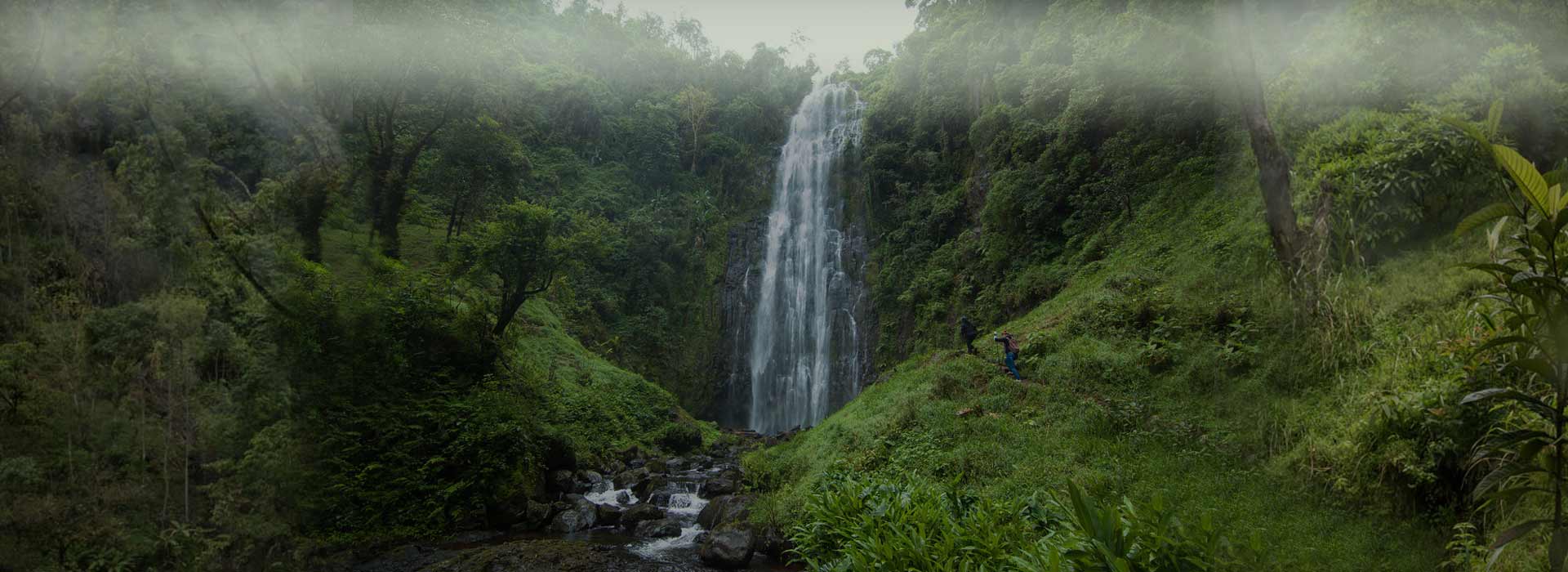
- Waterfall walks
- Landscape photography
- Village visits
- Sunset viewing
The lake environment is sensitive. Visitors should remain with a local guide and follow instructions about where walking is permitted.
Best Time to Climb Oldonyo Lengai
June to October
The dry season normally provides the most favorable road and trail conditions. Nighttime temperatures can feel cold on exposed upper slopes.
January to February
These months may offer suitable conditions between rainy periods, although daytime heat around Lake Natron can be intense.
March to May
Heavy rain can make access roads difficult and the steep volcanic route dangerously slippery. Climbs may be postponed or canceled.
November and December
Short rains can affect trail safety and road conditions. The tour operates only when local assessments indicate that access is acceptable.
Weather patterns are not completely predictable. Final approval depends on conditions immediately before the climb.
What to Wear
Bring proper mountain clothing rather than ordinary safari clothing.
Recommended items include:
- Strong hiking boots with good grip
- Moisture-wicking base layer
- Hiking trousers
- Warm fleece
- Insulated jacket
- Waterproof outer jacket
- Wind-resistant layer
- Warm hat
- Sun hat
- Lightweight gloves
- Hiking socks
- Gaiters when recommended
- Sunglasses
Do not attempt the climb in sandals, casual sneakers or smooth-soled shoes.
Essential Equipment
Each hiker should carry:
- Reliable headlamp
- Spare batteries
- Three to four liters of drinking water
- Energy snacks
- Daypack
- Trekking poles
- Waterproof bag
- Personal first-aid items
- Sunscreen
- Insect repellent
- Personal medication
- Emergency whistle
- Fully charged phone or camera
- Power bank
- Toilet paper
- Hand sanitizer
- Small towel
- Dust protection or buff
Some equipment may be rented when arranged before arrival.
Oldonyo Lengai Tour Inclusions
Depending on the confirmed package, the price may include:
- Private transportation from Arusha
- Professional driver-guide
- Local Oldonyo Lengai mountain guide
- Community and climbing fees
- Lake Natron entrance fees
- One or two nights of accommodation
- Meals stated in the itinerary
- Drinking water
- Headlamp when specifically confirmed
- Emergency coordination
- Government taxes
- Lake Natron activity when listed
The final quotation will clearly list all included services.
Tour Exclusions
Unless specifically included, the price does not cover:
- International or domestic flights
- Tanzania visa
- Travel and medical insurance
- Personal hiking equipment
- Hiking boots
- Trekking poles
- Personal medication
- Alcoholic and soft drinks
- Tips for guides and staff
- Emergency evacuation costs
- Additional accommodation caused by weather
- Services not listed in the itinerary
Health and Safety Requirements
Oldonyo Lengai’s remoteness means assistance may take time to arrive.
Travelers should:
- Purchase insurance covering difficult trekking.
- Confirm emergency evacuation coverage.
- Disclose relevant medical conditions.
- Follow all guide instructions.
- Respect the turnaround time.
- Carry sufficient drinking water.
- Wear suitable footwear.
- Avoid alcohol before the climb.
- Report dizziness, chest pain or severe weakness.
- Never separate from the guide.
- Avoid active vents and fresh volcanic material.
- Remain away from unstable crater edges.
- Accept cancellation when conditions are unsafe.
The guide’s safety decision is final.
Responsible and Respectful Travel
Oldonyo Lengai is culturally sacred to the Maasai people. Visitors should approach the mountain respectfully.
Please:
- Follow local community rules.
- Use an authorized local guide.
- Ask permission before photographing people.
- Avoid disrespectful behavior at sacred locations.
- Carry all waste away.
- Do not remove volcanic rock.
- Do not damage plants.
- Keep noise controlled.
- Remain on the approved route.
- Support community-managed tourism services.
A respectful Maasai village experience can be added when arranged with a participating community.
Frequently Asked Questions
Is Oldonyo Lengai an active volcano?
Yes. The Smithsonian Global Volcanism Program classifies it as active and records ongoing eruptive activity within the summit crater.
Can I climb Oldonyo Lengai in one day?
The hike begins around midnight and normally ends the following morning or afternoon. However, travelers coming from Arusha or Moshi need at least two days because of the long road transfer and required rest.
How long does the climb take?
Allow approximately 10–14 hours for the return hike. Conditions and individual speed may make it longer.
How high is Oldonyo Lengai?
The summit is approximately 2,960 meters above sea level. Published measurements vary slightly.
Is it harder than Kilimanjaro?
The mountains are difficult in different ways. Kilimanjaro is much higher and requires several days, while Oldonyo Lengai is extremely steep and loose, with a demanding ascent and descent completed within one extended period.
Is technical climbing equipment required?
The normal route is generally treated as a steep trek rather than a roped technical climb. Current route conditions may change equipment requirements, and your guide’s advice must be followed.
Can beginners climb Oldonyo Lengai?
The summit attempt is not recommended for unfit beginners. Travelers should have experience with long, steep hikes and loose terrain.
Is reaching the summit guaranteed?
No. Weather, volcanic activity, fitness, route conditions and the turnaround time determine whether the group can continue.
Can I see active lava?
Possibly, but never guaranteed. Visitors must not approach active vents or fresh lava. Safety restrictions may prevent access to the summit area.
Why does the climb begin at midnight?
The nighttime start reduces exposure to intense daytime heat and allows hikers to reach the upper slopes around sunrise.
Can children climb Oldonyo Lengai?
The full summit hike is generally unsuitable for young children. Older teenagers may be considered according to fitness, experience and current local regulations.
Can I visit without climbing?
Yes. Travelers can enjoy views of the volcano, explore the Lake Natron area and take guided nature or cultural walks without attempting the summit.
Can the tour start from Moshi?
Yes, but the drive to Lake Natron is longer. The package should include accommodation before the midnight climb.
Can I continue to Serengeti after Lake Natron?
Yes. Lake Natron can be combined with the northern Serengeti National Park when seasonal road conditions and the wider itinerary allow.
What happens if the climb is canceled?
The team may arrange alternative Lake Natron activities where possible. Refund and amendment conditions depend on permits, accommodation and services already used or paid for.
Book Your Oldonyo Lengai Adventure
The Oldonyo Lengai Day Tour is designed for fit travelers seeking a serious volcanic mountain challenge rather than a simple day walk.
Gowitos Safaris and Holidays can arrange private transportation, accommodation at Lake Natron, local guiding, community fees and a wider northern Tanzania itinerary.
WhatsApp: +255 769 100 815
Email: info@gowitossafarisandholidays.com
Contact us with your preferred travel date, number of hikers, previous mountain experience and pickup location so we can assess the most suitable itinerary.