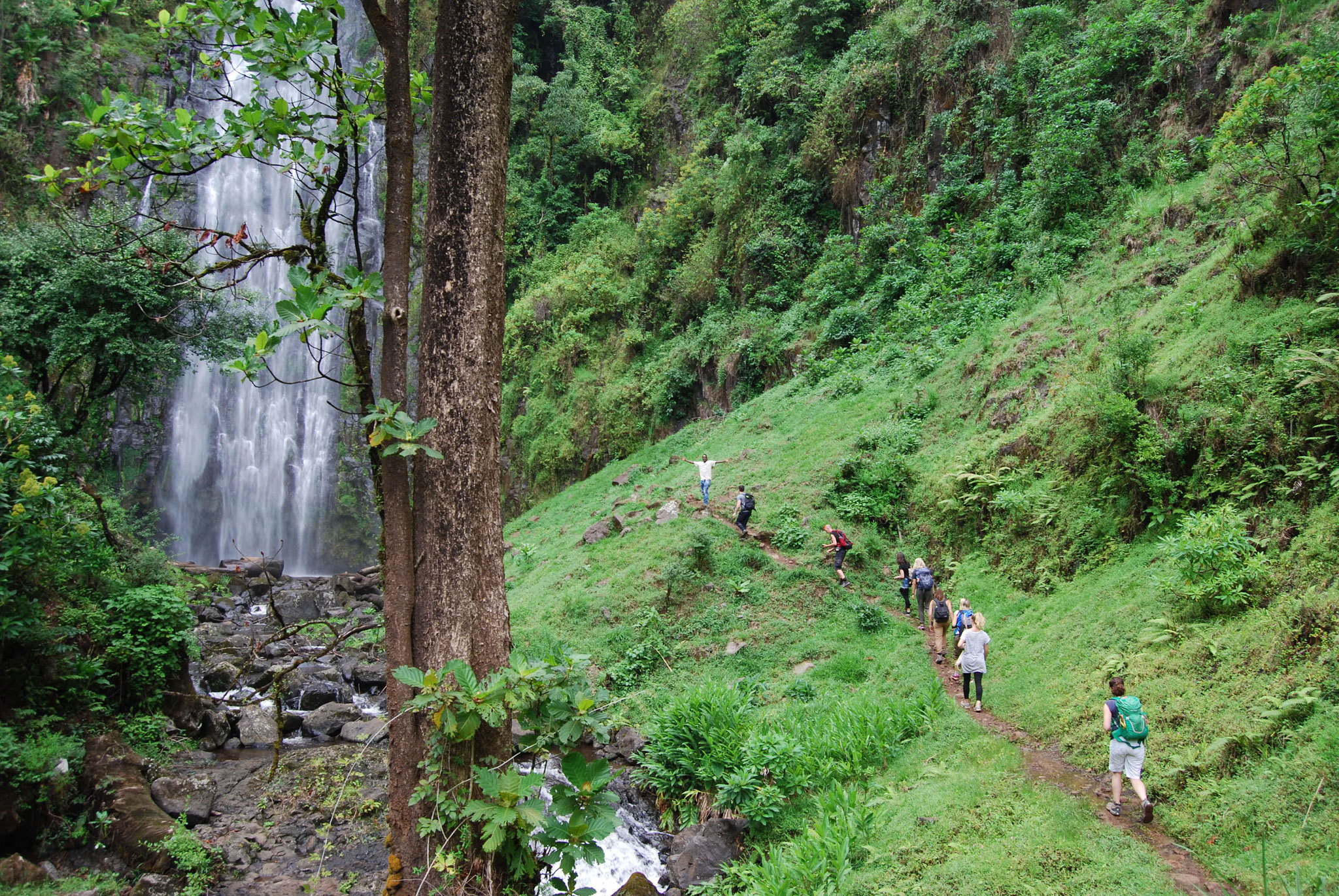
The Top 7 Days Mount Kilimanjaro Rongai Route in Tanzania approaches Africa’s highest mountain from the quieter northern side, close to the border between Tanzania and Kenya. Rongai is the only established Kilimanjaro route that begins on the mountain’s northern slopes.
The trail offers a gradual ascent through farmland, forest, heath, moorland and alpine desert before reaching Kibo Hut. Climbers attempt the summit from the east and descend using the Marangu Route.
Compared with Kilimanjaro’s busier southern trails, the Rongai Route generally receives fewer climbers during its early stages. It is also located on the mountain’s drier side, making it an attractive option during months when heavier rainfall affects other routes.
The seven-day itinerary includes important acclimatisation time around Mawenzi Tarn before continuing to Kibo Hut. The main objective is Uhuru Peak, which stands at 5,895 metres and is the highest point in Africa.
Gowitos Safaris & Holidays organises the climb with licensed mountain guides, experienced porters, professional cooks, camping equipment, meals and safety support.
7 Days Kilimanjaro Rongai Route Overview
The 7 Days Mount Kilimanjaro Rongai Route begins at Rongai Gate after a road transfer through the northern Kilimanjaro region. The trail initially passes through farmland and forest before reaching Simba Camp.
It then continues through the moorland towards Second Cave and Kikelewa Camp. From Kikelewa, you will climb towards Mawenzi Tarn, a scenic campsite beneath the jagged peaks of Mawenzi.
After an acclimatisation day around Mawenzi Tarn, the route crosses the alpine desert to Kibo Hut. The summit attempt normally begins around midnight and climbs towards Gilman’s Point before continuing to Uhuru Peak.
The descent follows the Marangu Route through Horombo Hut to Marangu Gate.
Rongai Route at a Glance
| Day |
Route |
Overnight |
Elevation |
| Day 1 |
Rongai Gate to Simba Camp |
Simba Camp |
2,625 m |
| Day 2 |
Simba Camp to Second Cave |
Second Cave Camp |
3,450 m |
| Day 3 |
Second Cave to Kikelewa Camp |
Kikelewa Camp |
3,600 m |
| Day 4 |
Kikelewa to Mawenzi Tarn |
Mawenzi Tarn Camp |
4,330 m |
| Day 5 |
Mawenzi Tarn to Kibo Hut |
Kibo Hut |
4,703 m |
| Day 6 |
Kibo Hut to Uhuru Peak and Horombo Hut |
Horombo Hut |
3,720 m |
| Day 7 |
Horombo Hut to Marangu Gate |
Not included |
1,860 m |
Elevations and walking times are approximate. The guide may adjust the programme because of weather, trail conditions, park instructions or safety concerns.
Rongai Route Highlights
- Approach Kilimanjaro from its northern side
- Follow a quieter trail during the early stages
- Experience views towards Kenya and northern Tanzania
- Walk through forest, moorland and alpine desert
- Camp beneath the rugged Mawenzi Peak
- Spend time acclimatising around Mawenzi Tarn
- Cross the high-altitude Saddle between Mawenzi and Kibo
- Attempt to reach Gilman’s Point at 5,685 metres
- Continue to Uhuru Peak at 5,895 metres
- Descend through the Marangu Route
- Climb with an experienced Tanzanian mountain crew
- Experience both camping and hut accommodation
Detailed 7 Days Mount Kilimanjaro Rongai Route Itinerary
Day 1: Moshi or Arusha to Rongai Gate and Simba Camp
Your Top 7 Days Mount Kilimanjaro Rongai Route in Tanzania begins after breakfast at your hotel in Moshi or Arusha.
A representative from Gowitos Safaris & Holidays will collect you and drive towards the northern side of Mount Kilimanjaro. The road journey to Rongai Gate is longer than transfers to many other Kilimanjaro gates because it travels around the mountain.
The journey passes through villages, agricultural areas and the town of Marangu before continuing towards the Rongai region. Your guide will complete the necessary registration and park formalities at the gate.
The mountain crew will organise food, camping equipment and porter loads while you prepare your daypack.
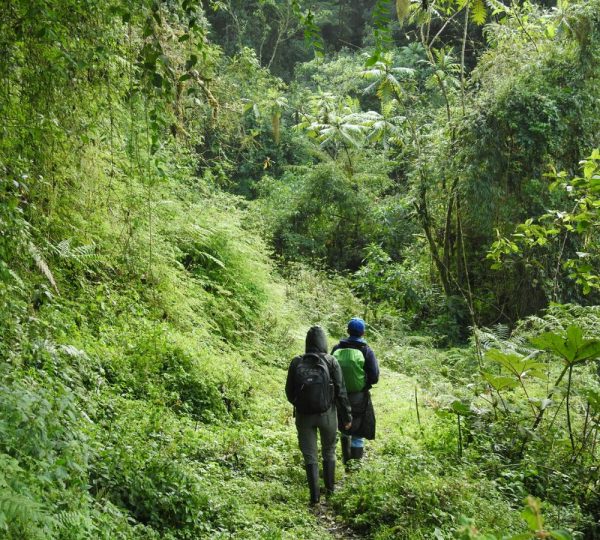
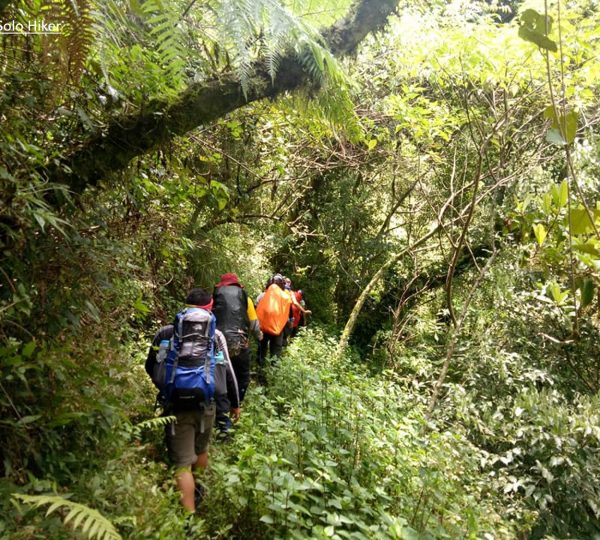
The trek begins through cultivated land before entering the forest. The trail generally rises gradually, providing a comfortable introduction to the mountain.
Depending on the weather and time of day, you may see or hear monkeys and different forest birds. The northern forest can be less dense than the rainforest encountered on Kilimanjaro’s southern slopes.
After approximately three to four hours of walking, you will reach Simba Camp. The camp is located near the edge of the moorland zone and may offer views across the Kenyan plains when conditions are clear.
Dinner will be served at camp, followed by a routine health assessment and briefing for the next day.
Starting elevation: Approximately 1,950 metres
Ending elevation: Approximately 2,625 metres
Walking time: Approximately 3–4 hours
Habitat: Cultivated land and forest
Accommodation: Simba Camp
Meals: Breakfast, lunch and dinner
Day 2: Simba Camp to Second Cave Camp
After breakfast, the 7 Days Mount Kilimanjaro Rongai Route continues through heath and moorland.
The landscape becomes increasingly open as the trail climbs steadily. When the sky is clear, you may enjoy views of Kibo ahead and the Kenyan plains behind you.
The path is generally gradual, but the increasing altitude can make walking feel more demanding. Your guide will maintain a slow and controlled pace.
Walking slowly is an important part of altitude management. Attempting to move too quickly can increase exhaustion and make acclimatisation more difficult.
The trail passes through areas of heather, grasses and volcanic terrain before reaching Second Cave Camp. The camp takes its name from a nearby cave formed by past volcanic activity.
Depending on your arrival time, health and weather, your guide may recommend a short acclimatisation walk after reaching camp.
Drink water regularly and report symptoms such as headache, dizziness, nausea or unusual tiredness.
Starting elevation: Approximately 2,625 metres
Ending elevation: Approximately 3,450 metres
Walking time: Approximately 5–7 hours
Habitat: Heath and moorland
Accommodation: Second Cave Camp
Meals: Breakfast, lunch and dinner
Day 3: Second Cave Camp to Kikelewa Camp
The third day of your Top 7 Days Mount Kilimanjaro Rongai Route in Tanzania takes you towards the eastern slopes of Mawenzi.
After breakfast, you will leave the main trail towards Third Cave and follow a quieter path across the moorland. The route gradually becomes steeper as you approach Kikelewa Camp.
The vegetation becomes increasingly sparse, and the rocky peaks of Mawenzi begin dominating the landscape. Mawenzi is Kilimanjaro’s second-highest volcanic cone and has a rugged appearance that contrasts with the rounded summit of Kibo.
The trail crosses open valleys and volcanic terrain. Weather can change quickly in this exposed area, so waterproof clothing and warm layers should remain accessible.
You will reach Kikelewa Camp during the afternoon. The camp is located in a sheltered valley near the Kikelewa Caves.
After lunch or a hot drink, you will have time to rest and enjoy the surrounding scenery. Your guide will conduct the daily health check and explain the next climb towards Mawenzi Tarn.
Starting elevation: Approximately 3,450 metres
Ending elevation: Approximately 3,600 metres
Walking time: Approximately 3–5 hours
Habitat: Moorland
Accommodation: Kikelewa Camp
Meals: Breakfast, lunch and dinner
Day 4: Kikelewa Camp to Mawenzi Tarn Camp
After breakfast, you will begin a steeper climb towards Mawenzi Tarn.
The trail rises through increasingly dry terrain, with the jagged Mawenzi peaks becoming more prominent. Although the walking distance is relatively short, the elevation gain makes the climb physically demanding.
Your guide will maintain a slow pace and schedule breaks where necessary. Drinking water and eating properly remain important, even when altitude reduces your appetite.
Mawenzi Tarn Camp is located beneath the dramatic cliffs of Mawenzi. The small mountain tarn and surrounding rock formations create one of the most impressive settings on the Rongai Route.
After reaching camp, you will have lunch and rest. Depending on your health and weather, your guide may lead a short acclimatisation walk later in the afternoon.
Temperatures can fall below freezing at night, so warm layers and a suitable sleeping bag are essential.
Starting elevation: Approximately 3,600 metres
Ending elevation: Approximately 4,330 metres
Walking time: Approximately 4–5 hours
Habitat: Moorland and alpine desert
Accommodation: Mawenzi Tarn Camp
Meals: Breakfast, lunch and dinner
Day 5: Mawenzi Tarn Camp to Kibo Hut
The fifth day of the 7 Days Mount Kilimanjaro Rongai Route begins with breakfast beneath Mawenzi.
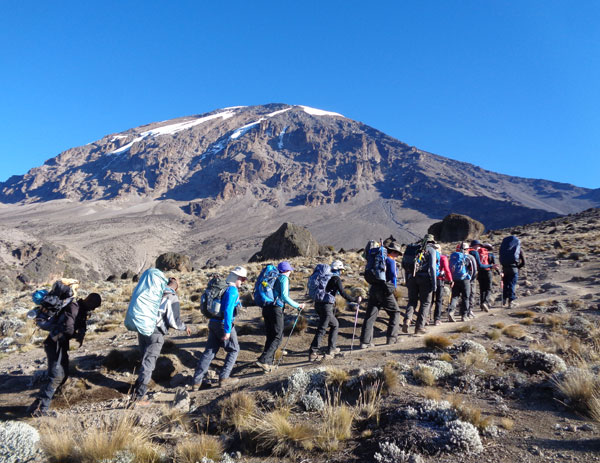
You will leave the tarn and cross the broad alpine desert known as the Saddle. This exposed landscape lies between Mawenzi and Kibo, Kilimanjaro’s two most prominent volcanic cones.
The terrain is dry, open and often windy. Vegetation is extremely limited, and temperatures can change considerably between sunlight and cloud cover.
Although the trail is not technically difficult, the high elevation makes every step require more effort. Your guide will maintain a very slow pace to conserve energy for the summit attempt.
After approximately five to seven hours, you will arrive at Kibo Hut. The stone hut is situated at around 4,703 metres and serves as the summit base for climbers using the Rongai and Marangu routes.
You will eat an early meal and prepare your summit equipment. Your guide will explain the route, expected weather, clothing requirements and safety procedures.
Organise your headlamp, spare batteries, water, energy snacks, gloves and warm layers before resting. The summit attempt normally begins around midnight.
Starting elevation: Approximately 4,330 metres
Ending elevation: Approximately 4,703 metres
Walking time: Approximately 5–7 hours
Habitat: Alpine desert
Accommodation: Kibo Hut
Meals: Breakfast, lunch and early dinner
Day 6: Kibo Hut to Uhuru Peak and Horombo Hut
Summit day is the longest and most demanding stage of the Top 7 Days Mount Kilimanjaro Rongai Route in Tanzania.
You will wake before midnight, dress in your warm summit clothing and have a light meal or hot drink.
Using headlamps, you will begin climbing over steep volcanic scree. Your guide will set a slow and controlled pace while monitoring every climber.
The trail passes Hans Meyer Cave before continuing towards Gilman’s Point. Cold temperatures, wind, darkness and high altitude make this section challenging.
Gilman’s Point is located on the crater rim at approximately 5,685 metres. Reaching it is a major achievement.
If your health, weather and energy allow, you will continue around the crater rim. The trail passes Stella Point before reaching Uhuru Peak.
At 5,895 metres, Uhuru Peak is the highest point on Mount Kilimanjaro and the African continent.
You will have a short time for photographs before beginning the descent. Remaining at the summit longer than necessary is unsafe because of the extreme altitude and low temperatures.
You will descend to Kibo Hut for a short rest and meal. After collecting your remaining equipment, you will continue down towards Horombo Hut.
The descent can place considerable pressure on your knees. Trekking poles are strongly recommended.
After approximately 12 to 16 hours of walking, you will reach Horombo Hut for dinner and rest.
Summit success cannot be guaranteed. The guide may turn a climber around because of altitude illness, severe exhaustion, dangerous weather or another safety concern.
Starting elevation: Approximately 4,703 metres
Highest point: Uhuru Peak at 5,895 metres
Ending elevation: Approximately 3,720 metres
Walking time: Approximately 12–16 hours
Habitat: Arctic summit zone, alpine desert and moorland
Accommodation: Horombo Hut
Meals: Breakfast, lunch and dinner
Day 7: Horombo Hut to Marangu Gate
After breakfast, the final day of your 7 Days Mount Kilimanjaro Rongai Route begins with a long descent through the moorland.
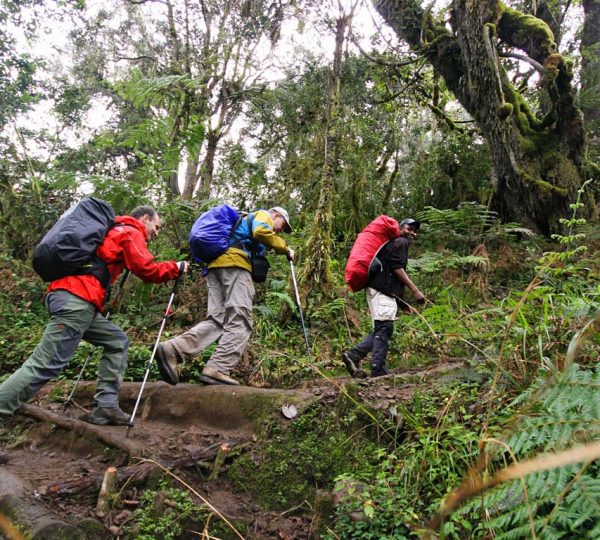
The trail passes Mandara Hut before continuing into the montane rainforest. The lower path may be wet, muddy and slippery, particularly after rain.
As you descend, the air becomes warmer and contains more oxygen. You may hear birds and occasionally see monkeys within the forest.
At Marangu Gate, you will complete the park checkout procedures and say goodbye to the mountain crew.
Climbers who reach Gilman’s Point or Uhuru Peak normally receive the appropriate certificate according to the applicable park procedures.
A Gowitos Safaris & Holidays representative will meet you at the gate and transfer you to your hotel in Moshi or Arusha.
Starting elevation: Approximately 3,720 metres
Ending elevation: Approximately 1,860 metres
Walking time: Approximately 5–7 hours
Habitat: Moorland and montane rainforest
Meals: Breakfast and lunch
Why Choose the Rongai Route?
The Rongai Route is suitable for climbers who want:
- A northern approach to Mount Kilimanjaro
- A quieter early section
- A gradual ascent
- Views towards Kenya
- A night beneath Mawenzi Peak
- A route that may be drier than southern trails
- A different trail for the descent
- A seven-day mountain experience
- A combination of camping and hut accommodation
The final summit ascent from Kibo Hut is physically demanding. The relatively quiet character of the route also changes near Kibo, where it joins climbers arriving from Marangu.
Rongai Route Difficulty
The Top 7 Days Mount Kilimanjaro Rongai Route in Tanzania is a non-technical trek, but it remains a serious high-altitude climb.
Climbers must manage:
- Seven consecutive days of walking
- High altitude
- Cold summit temperatures
- Basic camping conditions
- Changing weather
- Long periods of trekking
- A summit day lasting up to 16 hours
- A long descent from Kibo to Horombo
Good cardiovascular fitness, leg strength, endurance and mental preparation are important.
Rongai Route Accommodation
Accommodation during the ascent is provided in mountain tents at designated campsites.
The mountain crew sets up and packs the tents. Two climbers normally share one sleeping tent unless another arrangement is confirmed.
Kibo Hut and Horombo Hut provide shared dormitory-style accommodation. Toilet and dining facilities are basic and shared.
There are no regular showers on the mountain. Warm water is usually provided for basic washing when practical.
Altitude and Acclimatisation
Altitude is the main challenge when climbing Mount Kilimanjaro. Reduced oxygen can affect anyone regardless of fitness, age or previous hiking experience.
Common mild symptoms may include:
- Headache
- Reduced appetite
- Tiredness
- Poor sleep
- Mild nausea
- Dizziness
- Shortness of breath during activity
Report every symptom honestly to your guide. Hiding symptoms can allow a manageable problem to become dangerous.
Severe altitude illness requires immediate descent. The lead guide has the authority to stop a climber from continuing when health or safety is at risk.
Walking slowly, eating properly, drinking water and resting support acclimatisation but do not eliminate every risk.
Physical Preparation
Begin preparing several weeks or months before your climb.
Recommended training activities include:
- Regular hill walking
- Long-distance hiking
- Stair climbing
- Cardiovascular exercise
- Leg and core strengthening
- Walking with a loaded daypack
- Consecutive hiking days
- Balance and mobility exercises
Use the hiking boots you intend to wear on Kilimanjaro during training. They should be comfortable and properly broken in before arrival.
Best Time to Climb the Rongai Route
The 7 Days Mount Kilimanjaro Rongai Route can be climbed throughout the year.
January to Early March
These months often provide relatively warm conditions and clear mornings. Snow may remain around the summit.
June to October
This is one of the most popular Kilimanjaro climbing periods. Conditions are generally drier, but temperatures at higher elevations can be extremely cold.
November and December
Short rains may occur. Rongai’s northern position can sometimes receive less rainfall than the southern slopes, but wet conditions remain possible.
April and May
These are normally the wettest months. The Rongai Route can be considered during this period because the northern side is generally drier, but rain and poor visibility can still occur.
Weather on Kilimanjaro remains unpredictable in every season.
What to Pack
Clothing
- Waterproof jacket
- Waterproof trousers
- Insulated summit jacket
- Warm fleece or mid-layer
- Thermal base layers
- Hiking trousers
- Lightweight trekking shirts
- Warm summit trousers
- Hiking socks
- Warm hat
- Sun hat
- Neck gaiter or balaclava
- Inner gloves
- Insulated waterproof gloves
Footwear and Equipment
- Waterproof hiking boots
- Comfortable camp shoes
- Gaiters
- Daypack with waterproof cover
- Duffel bag
- Four-season sleeping bag
- Headlamp and spare batteries
- Trekking poles
- UV-protection sunglasses
- Water bottles or hydration system
- Sunscreen and lip balm
- Personal first-aid supplies
- Toiletries and wet wipes
- Power bank
- High-energy snacks
- Waterproof packing bags
Porter-carried luggage must remain within the applicable park weight limit.
What Is Included?
- Transportation from your hotel to Rongai Gate
- Transportation from Marangu Gate to your hotel
- Kilimanjaro National Park entrance fees
- Camping and hut fees
- Rescue fees charged by the park
- Licensed Kilimanjaro mountain guide
- Assistant guides according to group size
- Professional mountain cook
- Porters within the permitted weight limit
- Mountain sleeping tents
- Dining tent, table and chairs where included
- Three meals per day on the mountain
- Treated or boiled drinking water
- Routine health monitoring
- Government taxes and applicable charges
- Summit certificate for eligible climbers
What Is Not Included?
- International and domestic flights
- Tanzania visa fees
- Travel and medical insurance
- Personal climbing clothing and equipment
- Equipment rental unless included
- Hotel accommodation before and after the climb
- Airport transfers unless included
- Meals at the hotel
- Alcoholic beverages and soft drinks
- Personal medication
- Private portable toilet unless included
- Tips for guides, porters and cooks
- Emergency expenses not covered by insurance
- Personal expenses
- Wildlife safari or Zanzibar extension
Responsible Porter Treatment
Guides, porters and cooks are essential members of every Kilimanjaro expedition. They transport equipment, prepare meals, establish camps and support climbers.
Keep your luggage within the permitted weight limit and treat every crew member respectfully.
Tips are normally presented after completing the climb. Gowitos Safaris & Holidays can provide recommended tipping guidance before departure.
Frequently Asked Questions
Is the Rongai Route suitable for beginners?
Physically prepared beginners can climb the Rongai Route. Previous hiking experience is helpful, but technical climbing skills are not normally required.
Is the Rongai Route easier than other routes?
Its ascent is generally gradual, but no Kilimanjaro route is easy. The final climb from Kibo Hut is steep, cold and physically demanding.
Is the Rongai Route less crowded?
Its early stages normally receive fewer climbers than Machame and Lemosho. It becomes busier near Kibo Hut and along the Marangu descent trail.
Does the route include an acclimatisation day?
The itinerary provides gradual altitude gains and time around Mawenzi. The exact programme may include an acclimatisation walk according to the guide’s plan.
Is the Rongai Route dry?
It is located on Kilimanjaro’s relatively dry northern side, but rain, snow and wet conditions remain possible throughout the year.
Is reaching Uhuru Peak guaranteed?
No. Summit success depends on health, acclimatisation, fitness, weather and the guide’s safety assessment.
Are showers available?
No regular showers are available. Warm water may be provided for basic washing.
What happens if I develop altitude illness?
Tell your guide immediately. The guide will assess your symptoms and decide whether you should rest, continue or descend.
Can I rent climbing equipment?
Common climbing items may be available for rent. Request the required equipment and correct sizes before arrival.
Can the climb be combined with a safari?
Yes. The Rongai climb can be followed by a safari to Tarangire, Serengeti, Ngorongoro or Lake Manyara.
Can I visit Zanzibar afterward?
Yes. A Zanzibar beach holiday can be arranged after your Kilimanjaro climb or wildlife safari.
Why Climb with Gowitos Safaris & Holidays?
Gowitos Safaris & Holidays is a locally based Tanzanian company organising Kilimanjaro climbs, wildlife safaris, day trips and Zanzibar holidays.
The company works with licensed mountain guides and experienced crews. Before the expedition, climbers receive information about preparation, equipment, altitude and the daily schedule.
During the climb, guides monitor each participant and make safety decisions according to health, weather and mountain conditions.
Book the Top 7 Days Mount Kilimanjaro Rongai Route
The Top 7 Days Mount Kilimanjaro Rongai Route in Tanzania provides a quiet northern approach, beautiful views of Mawenzi and a gradual journey towards Africa’s highest summit.
To receive an accurate quotation, provide your preferred travel dates, number of climbers, nationalities, previous hiking experience, hotel requirements and equipment rental needs.
Visit Gowitos Safaris & Holidays to start planning your Kilimanjaro climb.
WhatsApp: +255 769 100 815
Email: info@gowitossafarisandholidays.com