
Arusha National Park is one of northern Tanzania’s most accessible and environmentally varied protected areas. Located close to Arusha city and Kilimanjaro International Airport, the park is an excellent choice for a day trip, walking safari or the beginning of a longer Tanzania holiday.
The park brings together Mount Meru, the Momella Lakes, Ngurdoto Crater, montane forest and open grassland. Visitors may encounter giraffes, buffaloes, zebras, warthogs, bushbucks, blue monkeys and black-and-white colobus monkeys.
Unlike Serengeti, Tarangire or Ngorongoro, Arusha National Park is not primarily a big-cat destination. Its strength lies in scenery, primates, birdlife and active experiences such as guided walking and canoeing when available.
Gowitos Safaris & Holidays arranges private Arusha National Park day tours, game drives, walking safaris and Mount Meru climbing programmes.
Why Visit Arusha National Park?
Arusha National Park provides a different safari experience from Tanzania’s larger savannah destinations.
Its location makes it suitable for:
- Travellers with one free day in Arusha
- Visitors arriving before a Northern Circuit safari
- Climbers preparing for Mount Kilimanjaro
- Guests completing a Mount Meru climb
- Families
- Birdwatchers
- Nature photographers
- Travellers interested in a walking safari
- Visitors continuing to Zanzibar
- Passengers with suitable time between flights
A carefully planned day can combine a game drive with a guided walk or another available activity.
7 Amazing Arusha National Park Safari Experiences
1. Mount Meru Scenery
Mount Meru rises within Arusha National Park and dominates much of its landscape. At 4,566 metres, it is Tanzania’s second-highest mountain after Mount Kilimanjaro.
The mountain’s forested slopes, volcanic features and ridgelines create impressive scenery throughout the park.
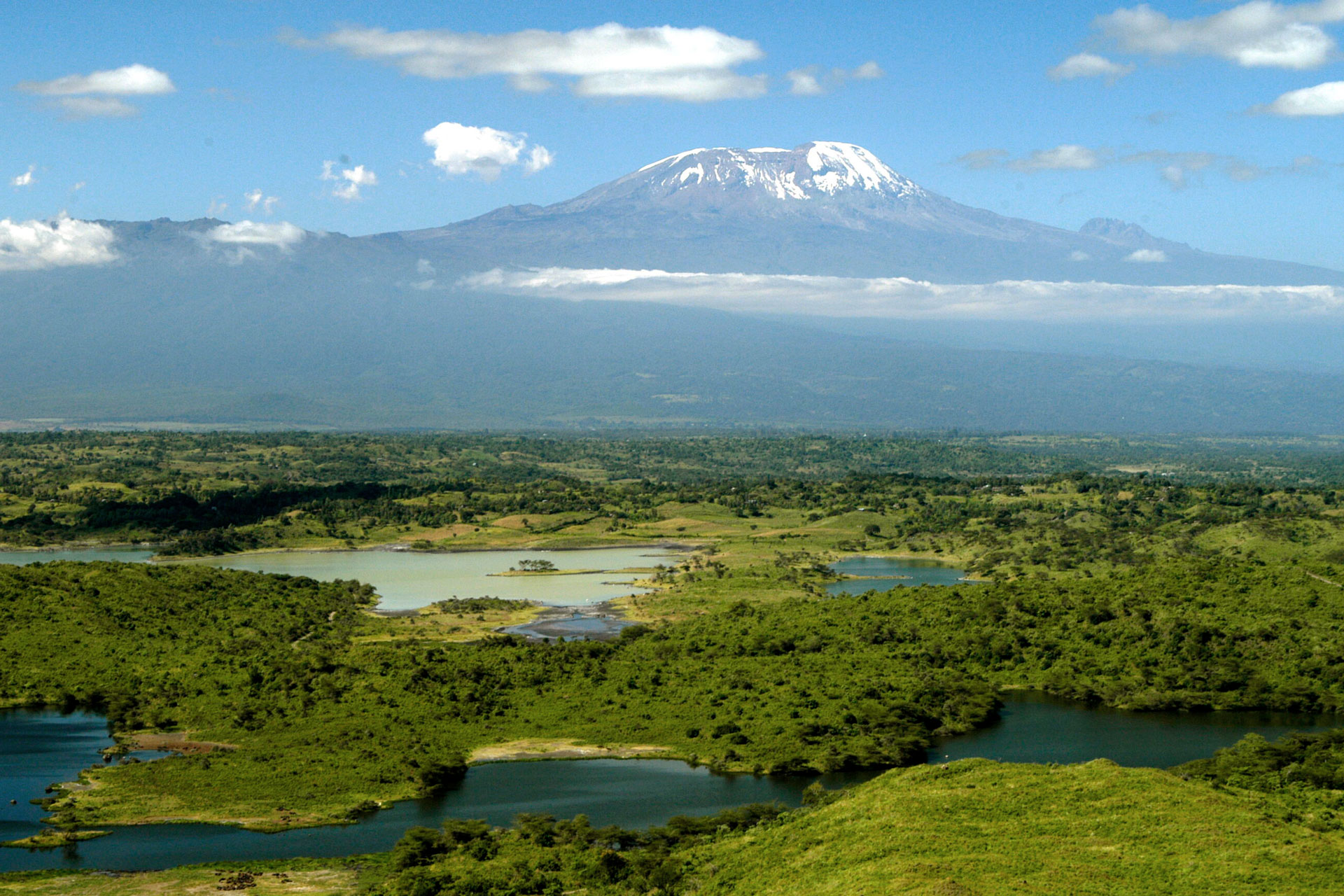
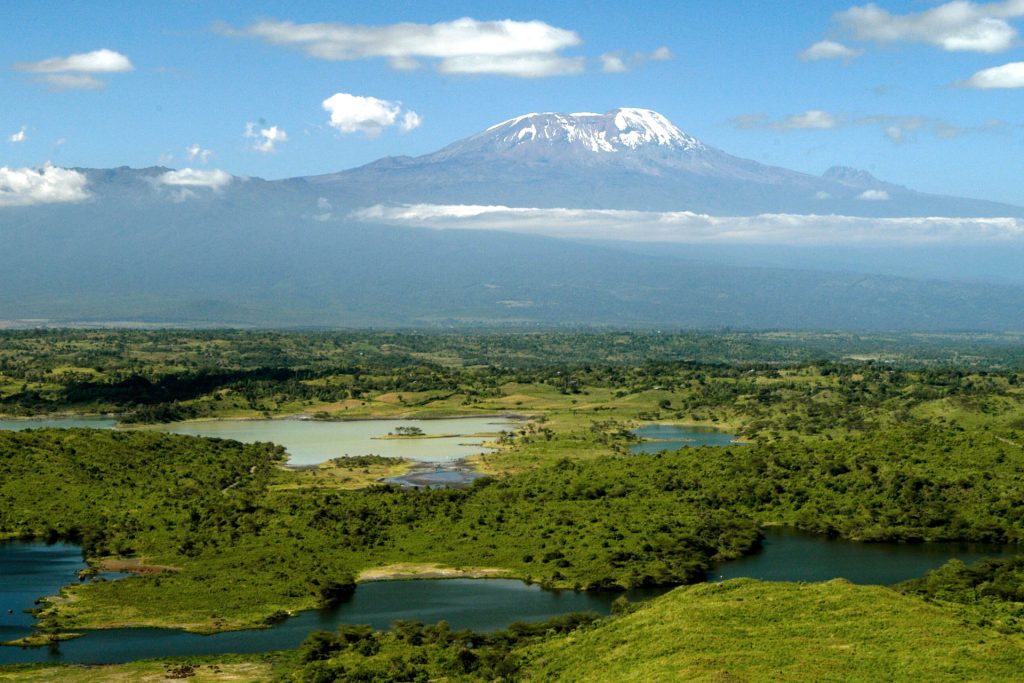
On clear days, visitors may see Mount Kilimanjaro in the distance. However, mountain visibility depends on weather and cannot be guaranteed.
Mount Meru can also be climbed through a separate multi-day trekking programme. A standard day safari explores the lower park rather than reaching the summit.
2. Ngurdoto Crater
Ngurdoto Crater is an important volcanic feature within the park. Its steep, forested walls surround an open and often marshy crater floor.
Visitors normally view the crater from designated points along the rim. Vehicles do not generally descend to the crater floor.
Buffaloes and other animals may be seen below, although distance and vegetation can make binoculars useful.
The crater’s shape and green surroundings provide an excellent introduction to the volcanic landscapes of northern Tanzania.
3. Momella Lakes
The Momella Lakes are a group of shallow alkaline lakes in the northeastern part of Arusha National Park.
Each lake may display a slightly different colour because of mineral content, depth, algae and surrounding vegetation.
Water levels and bird numbers change according to rainfall and seasonal conditions. Flamingos may be present when feeding conditions are suitable, but large gatherings are not guaranteed.
Other birds found around the lakes may include:
- Pelicans
- Herons
- Egrets
- Egyptian geese
- Ducks
- Storks
- Cormorants
- Waders
- Fish eagles
The lakes also create attractive views of Mount Meru and the surrounding landscape.
4. Black-and-White Colobus Monkeys
Arusha National Park is one of the accessible places in northern Tanzania where visitors may observe black-and-white colobus monkeys.
These distinctive primates live in forested areas and spend much of their time in trees. Their long black-and-white fur and flowing tails make them easy to recognise.
Colobus monkeys feed mainly on leaves, although their diet may include fruit, flowers and other plant material.
They move naturally through the forest and are not guaranteed on every visit. Slow driving and careful observation improve the chance of finding them.
5. Guided Walking Safari
A guided walking safari provides an opportunity to experience the park outside a vehicle.
The activity is conducted in an authorised area with an armed park ranger or approved guide. Participants learn about animal tracks, plants, insects, birds and the smaller details often missed during a vehicle safari.
Depending on the selected route and current conditions, visitors may walk through forest edges, grassland or areas near waterfalls.
A walking safari requires:
- Closed walking shoes
- Comfortable clothing
- Drinking water
- Sun protection
- The ability to follow safety instructions
- Advance booking
The ranger determines the final route according to wildlife activity, weather and safety conditions.
6. Canoeing on the Momella Lakes
Guided canoeing may be available on selected Momella Lakes under authorised arrangements.
The activity provides a different perspective of the park’s scenery and birdlife. From the water, visitors may observe waterbirds and animals moving around the lakeshore.
Canoeing depends on:
- Water levels
- Weather
- Equipment availability
- Current park regulations
- Safety conditions
- Advance reservations
The activity is optional and is not automatically included in a standard game-drive package.
7. Diverse Wildlife and Birdlife
Although Arusha National Park does not provide the same concentration of large predators as Serengeti or Ngorongoro, it supports varied wildlife within a relatively small area.
Animals that may be observed include:
- Giraffes
- Buffaloes
- Zebras
- Warthogs
- Bushbucks
- Waterbucks
- Blue monkeys
- Vervet monkeys
- Black-and-white colobus monkeys
- Duikers
- Hippos
- Baboons
Leopards and hyenas may occur within the wider park but are rarely encountered during an ordinary day visit.
Wildlife in Arusha National Park
Giraffes
Giraffes are among the park’s most frequently observed large animals. They may be seen feeding on acacia trees or moving through open grassland.
The park’s scenic background creates excellent giraffe photography opportunities.
Buffaloes
Buffaloes live within the forest, grassland and areas around Ngurdoto Crater.
They may appear calm but remain powerful and unpredictable wild animals. Visitors should follow their guide’s instructions, particularly during walking activities.
Zebras
Zebras are often observed in open sections of the park, sometimes grazing near giraffes and other herbivores.
Warthogs
Warthogs are commonly found in grassland areas. They may be seen feeding on their knees or running with their tails raised.
Bushbucks and Waterbucks
Bushbucks prefer areas with vegetation and cover, while waterbucks are often found closer to water or open grassland.
Hippos
Hippos may be observed in suitable water areas. They should always be viewed from a safe distance and only from authorised locations.
Primates
The park’s forests support several primates, including:
- Black-and-white colobus monkeys
- Blue monkeys
- Vervet monkeys
- Olive baboons
Visitors should never feed primates, even when they approach roads or picnic sites.
Birdwatching
Arusha National Park is a rewarding destination for birdwatchers because its varied habitats support forest, grassland and water-associated species.
Birds that may be observed include:
- Flamingos
- Pelicans
- Crowned cranes
- Egyptian geese
- Turacos
- Hornbills
- Sunbirds
- Bee-eaters
- Kingfishers
- Herons
- Egrets
- Fish eagles
- Birds of prey
- Forest flycatchers
Migratory birds increase the park’s variety during wetter periods.
Travellers with a strong birding interest should request a private safari so that more time can be spent at productive locations.
Arusha National Park Day Tour Itinerary
Morning Pickup from Arusha
Your day begins when a Gowitos Safaris & Holidays driver-guide collects you from your hotel or another agreed location.
Because the park is close to Arusha, the journey is shorter than transfers to Tarangire, Ngorongoro or Serengeti.
After reaching the entrance, your guide will complete the registration and park entry formalities.
Morning Game Drive
The game drive begins through forest and open areas where you may see colobus monkeys, blue monkeys, giraffes, buffaloes, zebras and warthogs.
Your guide will select the route according to wildlife movement, road conditions and any additional activities booked for the day.
Ngurdoto Crater Viewpoint
When conditions permit, you will stop at a designated viewpoint overlooking Ngurdoto Crater.
Binoculars can help identify animals on the crater floor.
Momella Lakes
The tour continues towards the Momella Lakes. You may observe waterbirds and enjoy views of Mount Meru.
Flamingo numbers vary according to water and feeding conditions.
Picnic Lunch
Lunch will be served at an authorised picnic area. Wildlife should never be fed, and all rubbish must remain secured.
Optional Walking Safari or Canoeing
If included in the confirmed package, the afternoon may feature a guided walking safari or canoeing activity.
These activities require advance arrangements and remain subject to weather, water levels and park availability.
Return to Arusha
After completing the activities and final game drive, you will leave the park and return to Arusha.
Arrival is normally expected during the late afternoon or early evening.
Best Time to Visit Arusha National Park
The park remains open throughout the year.
June to October
These are generally the drier months. Walking conditions may be easier, and wildlife can be simpler to locate in some areas.
Mornings may be cool, especially around Mount Meru.
November and December
Short rains refresh the vegetation and attract migratory birds. Trails and roads may become wet after rainfall.
January to March
This period normally brings warm weather and a mixture of green landscapes and clearer days.
Mount Kilimanjaro may be visible when the sky is clear, particularly during the morning.
April and May
These are generally the wettest months. Forest scenery becomes lush, but some roads and walking trails may be muddy.
Mountain views may be limited by cloud and mist.
Is Arusha National Park a Big Five Destination?
No. Arusha National Park should not be promoted as a Big Five destination.
Buffaloes and leopards occur within the wider park, but leopards are rarely seen. Lions, elephants and rhinoceroses are not normal sightings during a standard visit.
Travellers primarily interested in the Big Five should combine Arusha National Park with Ngorongoro, Serengeti or another suitable wildlife destination.
Arusha National Park is better known for:
- Mount Meru
- Colobus monkeys
- Giraffes
- Buffaloes
- Momella Lakes
- Ngurdoto Crater
- Birdwatching
- Walking safaris
- Canoeing
How Long Should You Spend in the Park?
Half-Day Visit
A half-day programme can cover selected areas but provides limited time for wildlife viewing and additional activities.
Full-Day Visit
A full day is recommended for a general game drive, Ngurdoto Crater viewpoint, Momella Lakes and a picnic lunch.
Two or More Days
A longer stay may suit birdwatchers, photographers and visitors combining game drives with walking or canoeing.
Mount Meru climbing requires a separate multi-day itinerary.
Mount Meru Climbing
Mount Meru is normally climbed over three or four days. The route begins inside Arusha National Park and requires park arrangements, mountain guides, porters and hut accommodation.
The climb provides:
- Forest hiking
- Wildlife sightings on lower slopes
- Volcanic scenery
- Views of Mount Kilimanjaro
- A challenging summit ascent
- Useful preparation for Kilimanjaro
A Mount Meru climb should not be confused with an Arusha National Park day tour.
Where to Stay
Most visitors stay in Arusha before or after visiting the park.
Available accommodation categories include:
Budget Accommodation
Guesthouses, hostels and simple hotels provide affordable options within Arusha.
Mid-Range Accommodation
Mid-range lodges and hotels normally include comfortable rooms, private bathrooms and meal services.
Luxury Accommodation
Luxury lodges may offer spacious rooms, gardens, swimming pools and views of Mount Meru.
Accommodation Near the Park
Selected lodges are located closer to the park entrance, reducing morning transfer time.
The exact property should be selected according to budget, location and the wider itinerary.
How to Reach Arusha National Park
From Arusha City
The park is reached by road from Arusha. Travel time depends on the hotel location, traffic and selected gate.
From Kilimanjaro International Airport
The park can be included before or after an airport transfer when flight schedules allow. A full safari should not be planned too close to an international departure.
From Moshi
Visitors staying in Moshi can reach the park by road. The journey is longer than it is from Arusha.
From Other Safari Parks
Arusha National Park can be included before or after Tarangire, Lake Manyara, Ngorongoro or Serengeti.
Combining Arusha National Park with Other Destinations
The park can be combined with:
- Tarangire National Park
- Lake Manyara National Park
- Ngorongoro Crater
- Serengeti National Park
- Mount Kilimanjaro
- Mount Meru
- Materuni Waterfalls
- Chemka Hot Springs
- Zanzibar
A common itinerary begins with Arusha National Park before continuing to the larger Northern Circuit parks.
What to Wear and Carry
Recommended items include:
- Comfortable neutral-coloured clothing
- Warm jacket or fleece
- Closed walking shoes
- Sun hat
- Sunglasses
- Sunscreen
- Insect repellent
- Light rain jacket
- Camera
- Spare batteries
- Memory cards
- Binoculars
- Personal medication
- Passport or identification
- Small day bag
- Reusable water bottle where appropriate
Closed shoes and comfortable trousers are especially important for walking safaris.
What Is Included in a Day Tour?
- Pickup and drop-off within Arusha
- Four-wheel-drive safari vehicle
- Professional English-speaking driver-guide
- Arusha National Park entrance fees
- Scheduled game drive
- Picnic lunch
- Bottled drinking water
- Government taxes and applicable tourism charges
What Is Not Included?
- International and domestic flights
- Tanzania visa fees
- Travel and medical insurance
- Hotel accommodation
- Airport transfers unless included
- Walking safari unless stated
- Canoeing unless stated
- Alcoholic beverages and soft drinks
- Personal expenses
- Tips for the driver-guide and ranger
- Items not specifically listed under inclusions
Responsible Safari Guidelines
Visitors should follow all park regulations and guide instructions.
Responsible behaviour includes:
- Remaining on authorised roads
- Never feeding wildlife
- Maintaining a respectful distance
- Keeping noise low
- Avoiding crowding around animals
- Not using flash near sensitive wildlife
- Keeping rubbish inside the vehicle
- Following the ranger during walking activities
- Remaining inside the vehicle except at authorised places
- Respecting other visitors
During a walking safari, the ranger’s instructions must be followed immediately.
Frequently Asked Questions
Where is Arusha National Park?
The park is located northeast of Arusha city in northern Tanzania and surrounds Mount Meru.
What is the park famous for?
It is known for Mount Meru, Momella Lakes, Ngurdoto Crater, colobus monkeys, giraffes, birdlife and guided walking safaris.
Is the park suitable for a day trip?
Yes. Its location near Arusha makes it one of the most convenient day-trip destinations.
Can I see the Big Five?
No. Arusha National Park is not a Big Five destination. Its main attractions are scenery, primates, giraffes, buffaloes and birdlife.
Are lions found in the park?
Lions are not a normal Arusha National Park sighting. Visitors interested in lions should consider Tarangire, Serengeti or Ngorongoro.
Can I see Mount Kilimanjaro?
Views may be possible when the weather is clear, but visibility cannot be guaranteed.
Is walking permitted?
Guided walking is available only in authorised areas and with an approved ranger or guide.
Is canoeing always available?
No. Canoeing depends on water levels, weather, equipment, regulations and advance availability.
Can children join a walking safari?
Age or activity restrictions may apply. Provide every child’s age before booking so current requirements can be confirmed.
Is lunch included?
A picnic lunch is normally included in a full-day package when stated in the quotation.
Can I visit from Moshi?
Yes. Transportation from Moshi can be arranged, although the transfer is longer than from Arusha.
Do I need travel insurance?
Comprehensive travel insurance is strongly recommended. It should cover medical treatment, evacuation, cancellation and delays.
Why Visit with Gowitos Safaris & Holidays?
Gowitos Safaris & Holidays is a locally based Tanzanian company arranging wildlife safaris, Kilimanjaro climbs, Mount Meru treks, day trips and Zanzibar holidays.
The team can arrange a standard game drive or combine it with walking, canoeing or another available activity.
Your professional guide will explain the park’s wildlife, volcanic landscape and habitats while following responsible viewing practices.
Plan Your Arusha National Park Safari
Arusha National Park: 7 Amazing Safari Experiences brings together Mount Meru, Ngurdoto Crater, Momella Lakes, primates, birdlife and active outdoor adventures.
To receive an accurate quotation, provide your preferred date, number of travellers, children’s ages, pickup location and activities you want to include.
Contact Gowitos Safaris & Holidays to plan your Arusha National Park experience.
WhatsApp: +255 769 100 815
Email: info@gowitossafarisandholidays.com
