
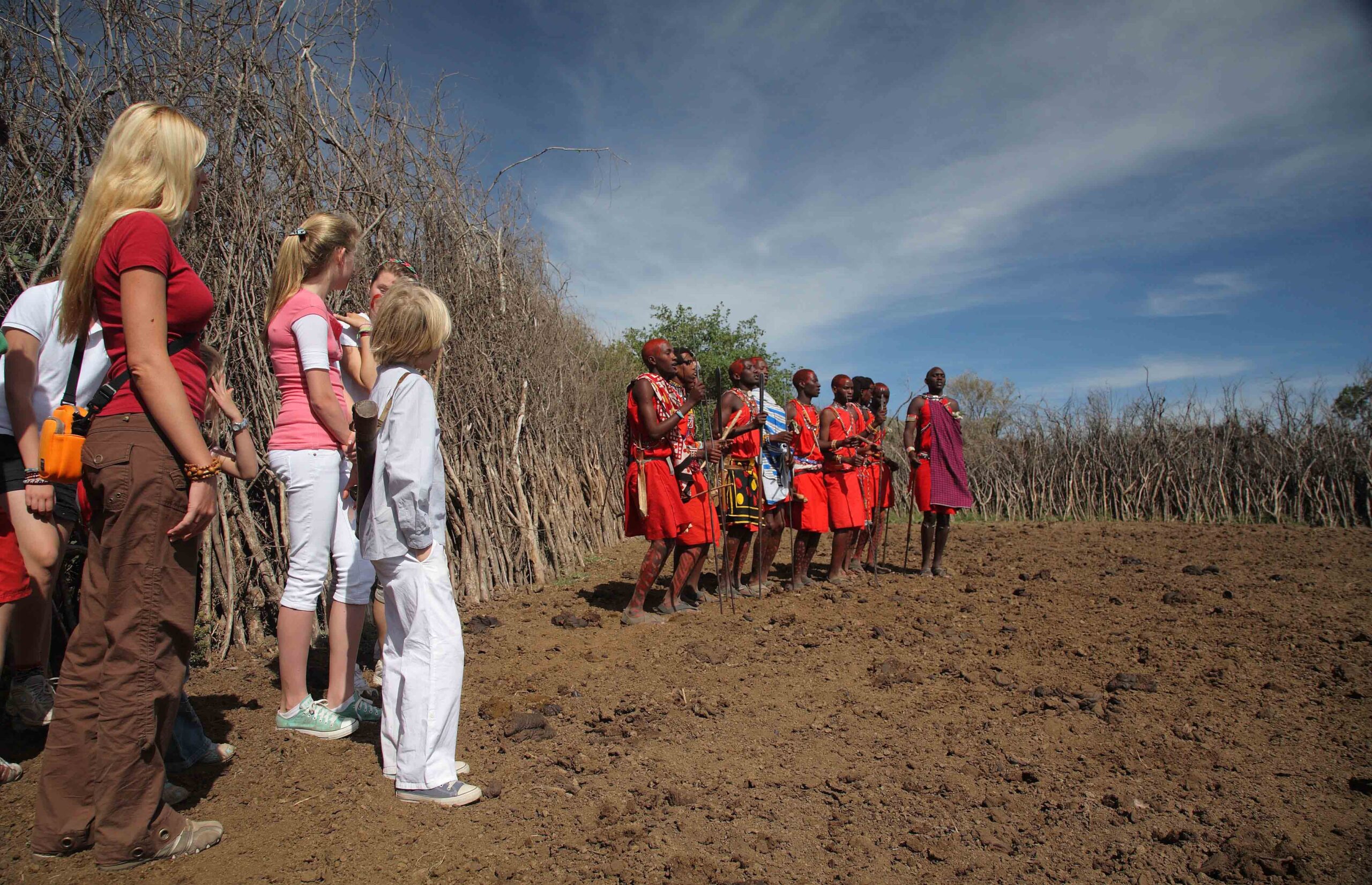
A visit to a Maasai village in Tanzania offers travelers an opportunity to learn about one of East Africa’s most recognized Indigenous cultures. It brings you closer to Maasai traditions, family life, livestock keeping, traditional architecture, beadwork, music and the relationship between the community and its environment.
Rather than watching Tanzanian life through a safari vehicle window, a responsibly organized village visit encourages respectful conversation and genuine cultural exchange. Visitors can ask questions, listen to local stories and understand how Maasai communities preserve their identity while adapting to education, technology and modern economic realities.
Gowitos Safaris and Holidays can include a carefully selected Maasai cultural experience in your Tanzania safari itinerary.
Who Are the Maasai People?
The Maasai are an Indigenous ethnic group living mainly in northern Tanzania and southern Kenya. Historically, many Maasai families have followed a pastoral lifestyle in which cattle, goats and sheep play important economic, nutritional and cultural roles.
Cattle traditionally represent food, wealth, responsibility and social status. Families may move their livestock in search of water and suitable grazing, particularly during dry periods. However, Maasai communities are diverse, and their lifestyles continue to change. Today, many Maasai people combine livestock keeping with education, agriculture, tourism, business and professional employment.
The Maa language remains an important part of Maasai identity, although many people also speak Swahili and, in tourism areas, English. Clothing, beadwork, ceremonies and oral storytelling help transfer knowledge between generations.
A cultural visit should therefore present the Maasai as a living and evolving community—not as people frozen in the past.
1. Learn About Authentic Maasai Culture
One of the strongest reasons to visit a Maasai village in Tanzania is the opportunity to learn directly from community members.
A local host may explain the meaning of traditional clothing, the importance of livestock and the responsibilities of different family members. Visitors may also learn how cultural knowledge, family history and community values are passed from elders to younger generations.
Because every village and family is different, the exact experience will vary. Some communities maintain a strongly pastoral lifestyle, while others combine traditional practices with formal education, businesses and modern housing.
Listening without making assumptions is an important part of the experience. A respectful visit creates space for community members to explain their culture in their own words.
2. Explore a Traditional Maasai Boma
A Maasai homestead is commonly known as a boma. Depending on the community, the settlement may contain several family homes surrounded by a protective enclosure.
Traditional houses are generally constructed using locally available materials. Your guide may explain how homes are built, maintained and organized within the settlement. Visitors can also learn how the boma protects livestock and how household responsibilities are shared.
Permission should always be requested before entering a home or taking photographs. Some parts of a homestead may be private, even when the village regularly receives visitors.
A good cultural guide will introduce the family, explain appropriate behavior and ensure that the visit remains comfortable for both residents and guests.
3. Experience Maasai Music and Traditional Dance
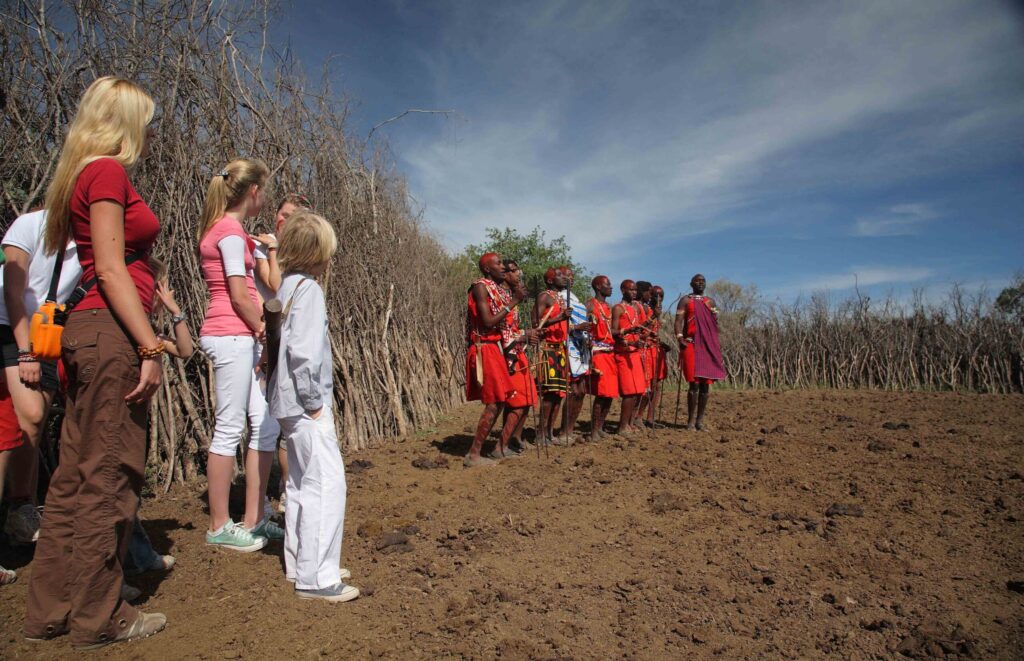
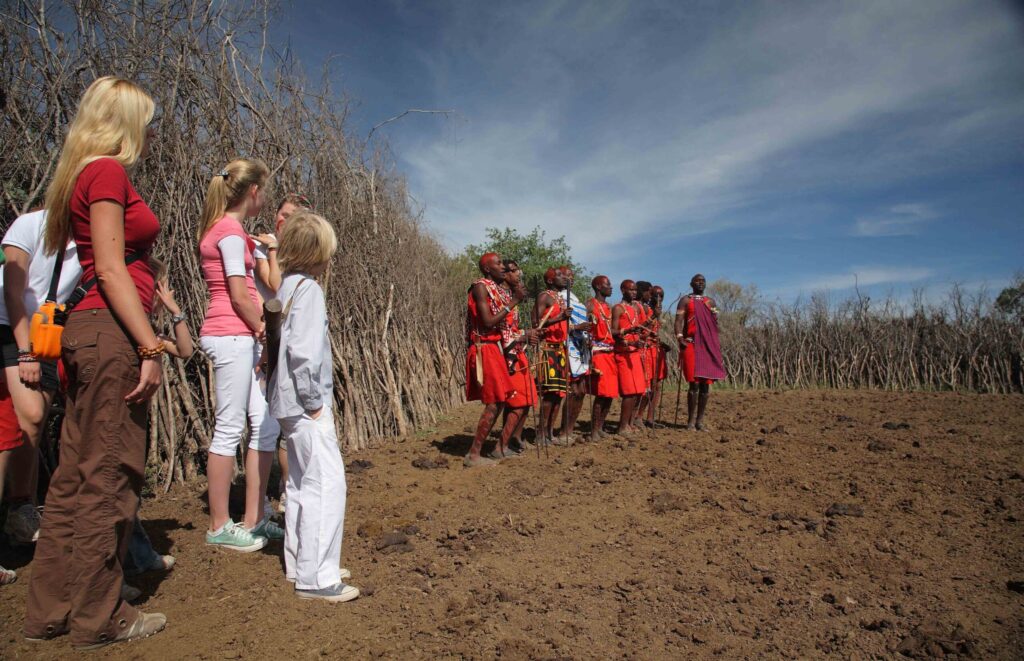
Music and movement are important parts of Maasai community life. During some cultural visits, community members welcome guests with songs performed in coordinated groups.
Visitors may also see the adumu, sometimes called the Maasai jumping dance. It is commonly associated with young men, who take turns jumping vertically while the group provides rhythmic vocal support.
Although the jumping dance is widely photographed, Maasai musical traditions are more extensive than a single performance. Songs can communicate community history, praise, identity, celebration and social values.
Guests may be invited to participate. Joining respectfully can create a warm interaction, but participation is optional. Travelers should follow the host’s instructions and avoid turning a cultural performance into a competition or joke.
4. Discover the Meaning of Maasai Beadwork
Colorful beadwork is among the most recognizable elements of Maasai visual culture. Necklaces, bracelets, belts, earrings and decorative pieces may communicate beauty, identity, age, family connections or ceremonial importance.
During a Maasai village tour in Tanzania, local artisans may demonstrate how individual beads are arranged into detailed patterns. The process requires creativity, precision and considerable time.
Purchasing beadwork directly from the artisans is one practical way to support the community. However, visitors should buy because they value the craftsmanship, not because they feel pressured.
When buying handmade products:
- Ask about the person who created the item.
- Pay a fair price for the work.
- Avoid aggressive bargaining.
- Choose locally made pieces instead of imported souvenirs.
- Request permission before photographing an artisan.
Responsible cultural tourism works best when local people have control over how their traditions are presented and receive a fair economic benefit. Community-based tourism is designed to give local people a meaningful role in managing tourism activities and distributing the resulting income.
5. Understand the Importance of Livestock
Livestock are central to the history and traditional livelihood of many Maasai families. Cattle can provide milk, income and social value, while goats and sheep contribute to household food security and trade.
During a village experience, your host may explain grazing practices, livestock care and the challenges created by changing rainfall patterns. Climate variability, reduced access to grazing land and growing populations have affected pastoral communities across East Africa.
Visitors should avoid oversimplifying this relationship. Cattle are not merely possessions; they are connected to family responsibility, social relationships and cultural identity.
Learning about pastoralism helps travelers better understand the landscapes they cross between Arusha, Tarangire, Ngorongoro and the Serengeti.
6. Support Responsible Community Tourism
A properly managed Maasai village visit can generate income for local guides, artisans, performers and participating families. Depending on the community, tourism income may also help support education, water projects or other local priorities.
However, not every cultural visit provides equal benefits. Responsible tourism requires transparency about entrance fees, photography, product sales and how money reaches the host community.
Gowitos works to arrange cultural experiences in which:
- The community agrees to receive visitors.
- Local hosts lead the experience.
- Fees are explained in advance.
- Photography requires permission.
- Visitors behave respectfully.
- Community members benefit financially.
- Cultural traditions are not misrepresented.
Ethical cultural tourism should create a respectful encounter for both the traveler and the host community, rather than treating residents as a tourist attraction. This principle is central to responsible intercultural experiences.
7. Add Cultural Understanding to Your Wildlife Safari
Tanzania is famous for lions, elephants, giraffes, zebras and wildebeest, but the country’s identity extends far beyond its wildlife.
Adding a Maasai village in Tanzania to your safari helps connect the landscape with the people who have lived within it for generations. It can provide a more balanced understanding of the relationship between communities, livestock, protected areas and tourism.
A cultural visit combines particularly well with:
- Tarangire National Park
- Lake Manyara National Park
- Ngorongoro Conservation Area
- Serengeti National Park
- Arusha National Park
- Mount Meru
Travelers interested in Tanzania’s cultural diversity can also consider a respectful Hadzabe and Datoga cultural experience near Lake Eyasi.
What Happens During a Maasai Village Visit?
Every community offers a slightly different experience. A typical visit may last between one and three hours, although longer cultural experiences can be arranged.
Your visit may include:
Welcome and Introduction
A local host welcomes the group and explains how the visit will proceed. This is a good time to ask about photography rules and any areas that visitors should not enter.
Guided Tour of the Boma
Your guide explains how the settlement is arranged, how livestock are protected and how traditional houses are constructed.
Cultural Discussion
Community members may discuss family life, education, ceremonies, livestock keeping and the responsibilities of different age groups.
Traditional Music or Dance
Depending on the village and occasion, guests may be welcomed through songs and coordinated movement. Visitors may be invited to join.
Beadwork Demonstration
Local artisans may demonstrate their craft and explain the colors, patterns and time involved in producing handmade jewelry.
Optional Craft Purchases
Visitors may have an opportunity to purchase beadwork or other locally produced items. Buying is optional, but direct purchases can support local artisans.
Questions and Conversation
The most meaningful part of a Maasai village tour is often the conversation. Guests can ask thoughtful questions, while community members may also want to learn about the visitors’ lives and countries.
Responsible Visitor Guidelines
Cultural tourism involves entering someone’s home and community. Visitors should behave with the same respect they would expect in their own homes.
Ask Before Taking Photographs
Never assume that traditional clothing makes someone available for photography. Ask your guide or the individual first, especially before photographing children or entering a house.
Dress Respectfully
Lightweight safari clothing is appropriate, but avoid clothing that is excessively revealing. Comfortable closed shoes are useful because village paths may be dusty or uneven.
Avoid Making Promises
Do not promise money, school sponsorship, gifts or future assistance unless you are certain you can fulfill the commitment through a reliable arrangement.
Do Not Distribute Sweets or Money to Children
Giving cash or sweets directly to children may create unhealthy expectations and undermine community structures. If you want to contribute, speak with your guide about an appropriate community-managed option.
Ask Thoughtful Questions
Questions about livestock, language, education, food and changing traditions are generally appropriate. Sensitive topics should be approached politely and without judgment.
Respect Personal and Sacred Spaces
Not every area is open to visitors. Follow your host’s guidance and do not enter homes, livestock areas or ceremonial places without permission.
Best Time to Visit a Maasai Village in Tanzania
A cultural visit can be arranged throughout the year. The best time depends mainly on your wider Tanzania safari itinerary.
June to October
The dry season normally offers comfortable travel conditions and easy road access. These months are popular for wildlife safaris, so advance reservations are recommended.
November to December
Short seasonal rains can create greener landscapes without normally preventing cultural visits. Conditions vary from year to year.
January to March
This period is suitable for combining cultural tourism with wildlife viewing in northern Tanzania. It is also popular for safaris around the southern Serengeti and Ndutu ecosystem.
April and May
The longer rains can make some rural roads muddy, but cultural visits may still operate. Travelers should allow flexibility and follow local advice.
Read our Best Time to Visit Africa for a Safari for broader seasonal planning.
What to Bring
For a comfortable Maasai cultural experience, bring:
- Comfortable walking shoes
- Lightweight and respectful clothing
- Sun hat and sunscreen
- Drinking water
- Camera or phone
- Small amount of Tanzanian shillings
- A light rain jacket during wetter months
- Genuine curiosity and an open mind
Review the complete Safari Packing Guide before traveling.
Suggested Maasai Village Day Trip Itinerary
Morning: Departure from Arusha
Your guide collects you from your hotel after breakfast. You then drive toward a selected Maasai community outside Arusha or along the northern safari circuit.
Late Morning: Village Welcome
Meet your local host and receive an introduction to the community. Learn a few words of Maa or Swahili and discuss appropriate photography.
Midday: Cultural Experience
Explore the boma, learn about livestock keeping and observe traditional house construction. Depending on the community, you may also see beadwork, songs or dancing.
Lunch
Enjoy a packed lunch or a meal at an arranged location. Meal arrangements depend on the selected village and final itinerary.
Afternoon: Community Walk or Continued Discussion
Take a guided walk around the surrounding area or spend additional time speaking with community members. Learn how the village responds to education, environmental and economic changes.
Late Afternoon: Return to Arusha
Thank your hosts before beginning the journey back to your hotel.
Maasai Village Tour Inclusions
The exact inclusions depend on the confirmed itinerary, but a private Gowitos cultural tour can include:
- Hotel pickup and drop-off
- Private safari or tour vehicle
- Professional English-speaking driver-guide
- Village entrance or community contribution
- Local Maasai host
- Guided cultural experience
- Bottled drinking water
- Packed lunch when specified
- Government taxes
Maasai Village Tour Exclusions
Unless specifically included in your quotation, the tour normally excludes:
- International and domestic flights
- Tanzania visa fees
- Travel and medical insurance
- Alcoholic and soft drinks
- Personal purchases
- Optional beadwork and souvenirs
- Tips for guides and community hosts
- Accommodation before or after the tour
- Activities not listed in the itinerary
Frequently Asked Questions
Is visiting a Maasai village ethical?
It can be ethical when the community willingly participates, controls how its culture is presented and receives a fair share of the income. Travelers must also respect privacy, photography rules and local guidance.
Is the Maasai village experience authentic?
The Maasai people you meet are real community members. However, some songs, demonstrations and activities may be presented specifically for visitors. A responsible guide should explain the experience honestly rather than creating unrealistic claims.
How long does a Maasai village visit take?
Most visits take approximately one to three hours. A half-day or full-day experience can be organized for travelers seeking more conversation and community-based activities.
Can children visit a Maasai village?
Yes. A carefully organized visit can be educational for children. Parents should explain respectful behavior beforehand and supervise them throughout the experience.
Can I take photographs?
Photography is often allowed, but permission is essential. Ask before photographing people, children, homes or private activities.
Should I bring gifts?
Do not bring random gifts without guidance. Ask Gowitos or the community host what is genuinely needed. A formal community contribution is generally more useful than distributing items individually.
Can I buy Maasai beadwork?
Yes. Many villages offer locally made bracelets, necklaces and decorative items. Purchasing directly from artisans can provide meaningful income.
What language do the Maasai speak?
The traditional language is Maa. Many Tanzanian Maasai also speak Swahili, and guides working in tourism may speak English.
Where can I visit a Maasai village in Tanzania?
Cultural visits can be arranged around Arusha, Monduli, Longido, Lake Manyara, Tarangire and areas along the route toward Ngorongoro and Serengeti. The best location depends on your itinerary.
Can a Maasai village visit be added to my safari?
Yes. It can be included as a day trip from Arusha or added between national parks during a longer northern Tanzania safari.
Book a Respectful Maasai Village Experience
A visit to a Maasai village in Tanzania should be more than a quick photograph stop. With the right host and enough time, it becomes an educational exchange that supports local livelihoods and gives travelers a deeper understanding of Tanzania.
Gowitos Safaris and Holidays can combine a Maasai cultural visit with Tarangire, Lake Manyara, Ngorongoro, Serengeti, Mount Kilimanjaro or another Tanzania destination.
WhatsApp: +255 769 100 815
Email: info@gowitossafarisandholidays.com
Contact Gowitos to arrange a private and responsibly managed Maasai cultural experience.
