
7 Days Ndutu Safari Overview
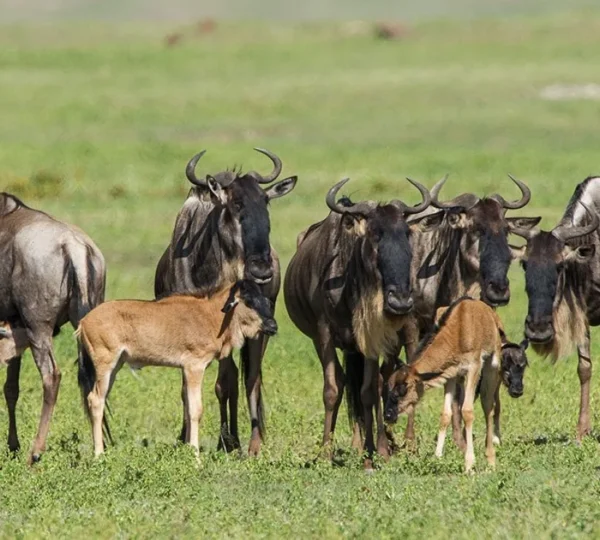
7 Days Ndutu Safari is a private Tanzania wildlife journey designed for travellers who want to experience the wildebeest calving season and the Great Migration. Explore Tarangire National Park, Ngorongoro Crater, Central Serengeti and the greater Ndutu plains during seven days and six nights.
The 7 Days Ndutu Safari is especially suitable for visitors travelling between December and March, when migrating wildebeest and zebras typically gather across the Southern Serengeti and Ndutu ecosystem. The main calving period usually takes place from late January through March, although the timing and location of the herds depend on rainfall and grazing conditions.
Gowitos Safaris and Holidays arranges this journey as a private safari, with mid-range, luxury or customized accommodation. Your professional driver-guide will adapt game-drive routes according to seasonal conditions and recent wildlife information. Specific herd locations, animal births and predator sightings cannot be guaranteed.
Safari Overview
| Safari information | Details |
|---|---|
| Duration | 7 days and 6 nights |
| Starting point | Arusha, Tanzania |
| Ending point | Arusha or Kilimanjaro International Airport |
| Safari type | Private calving-season wildlife safari |
| Main destinations | Tarangire, Ngorongoro, Serengeti and Ndutu |
| Main experience | Wildebeest migration and calving season |
| Recommended period | December to March |
| Peak calving period | Usually late January to March |
| Transport | Private 4×4 safari vehicle with a pop-up roof |
| Accommodation | Mid-range, luxury or customized |
| Suitable for | Couples, families, photographers and private groups |
This 7 Days Ndutu Safari offers an opportunity to explore Tanzania’s famous northern parks while spending dedicated time in the Ndutu region during the wildebeest calving season.
The 7 Days Ndutu Safari is designed to combine diverse landscapes, wildlife viewing and time in the seasonal calving grounds.
Highlights of the 7 Days Ndutu Calving Season and Great Migration Safari
- Follow the wildebeest herds across the Ndutu plains
- Search for newly born wildebeest calves
- Observe lions, cheetahs, leopards and spotted hyenas
- Spend three nights close to the seasonal migration area
- Explore the predator-rich Central Serengeti
- Descend into the wildlife-rich Ngorongoro Crater
- See elephants and baobab landscapes in Tarangire
- Photograph large herds on the open plains
- Enjoy private game drives with a professional guide
- Stay in seasonal migration camps or comfortable lodges
- Follow flexible routes based on recent animal movements
- Experience Tanzania’s diverse northern safari circuit
What Is the Ndutu Calving Season?
Ndutu lies between the Southern Serengeti and the Ngorongoro Conservation Area. Seasonal rains usually produce short, nutrient-rich grass across the plains, attracting large herds of wildebeest, zebras and gazelles.
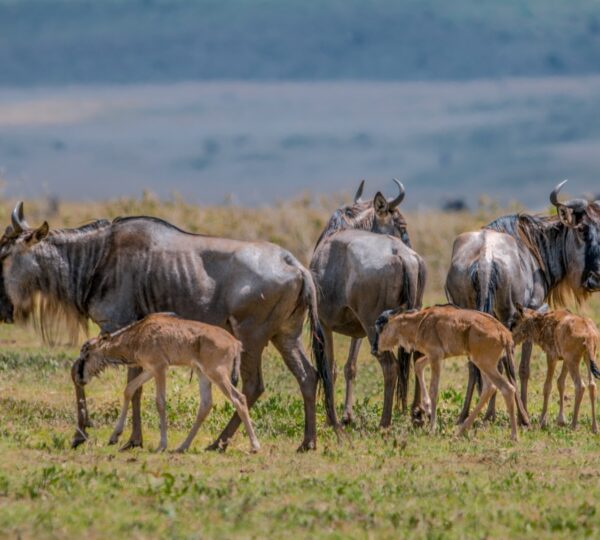
Pregnant wildebeest arrive to give birth where fresh grazing is available. Newborn calves can normally stand and begin moving shortly after birth, an essential ability in an ecosystem containing many predators.
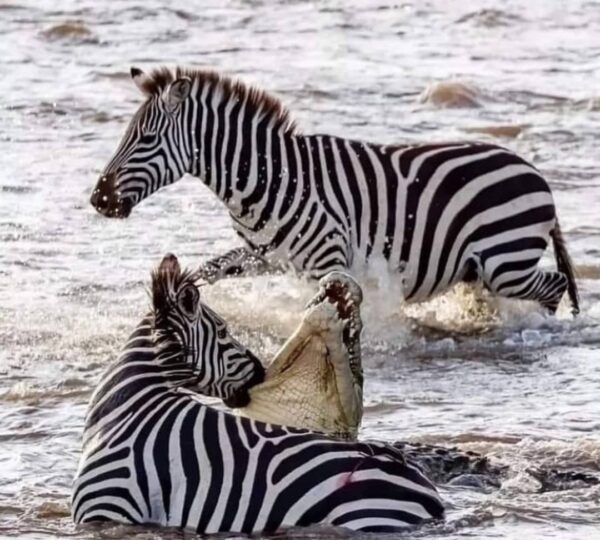
The concentration of vulnerable young animals creates excellent opportunities to observe interactions between predators and prey. Lions, cheetahs, leopards, spotted hyenas and jackals may all be active around the herds.
However, the Great Migration is controlled by rainfall and natural grazing conditions. No tour operator can guarantee the precise location of the herds, a particular birth or a successful predator hunt.
One of the main attractions of the 7 Days Ndutu Safari is the opportunity to explore seasonal wildlife habitats across the Southern Serengeti ecosystem.
Detailed 7 Days Ndutu Calving Season and Great Migration Safari Itinerary
The 7 Days Ndutu Safari itinerary combines Tarangire, Ngorongoro Crater, Central Serengeti and the seasonal wildlife areas of Ndutu.
Day 1: Arusha to Tarangire National Park
Your safari begins after breakfast at your hotel in Arusha. Your professional guide will explain the itinerary before you travel in a private 4×4 safari vehicle to Tarangire National Park.
Tarangire is famous for its ancient baobab trees, large elephant population and varied habitats. The Tarangire River is an important water source, particularly during the dry season.
During the wetter calving months, the park becomes green and supports many resident animals and bird species.
Your game drive may reveal:
- African elephants
- Lions
- Giraffes
- Zebras
- Wildebeest
- Cape buffaloes
- Impalas
- Waterbucks
- Warthogs
- Baboons
Leopards and cheetahs also inhabit the ecosystem, although sightings are less predictable.
After a picnic lunch and further game viewing, you will travel to your lodge or tented camp near Karatu.
Accommodation: Lodge or tented camp near Karatu
Meals: Lunch and dinner
Day 2: Ngorongoro Crater Safari
After an early breakfast, travel to the Ngorongoro Conservation Area and descend to the crater floor.
The Ngorongoro Crater contains grasslands, woodland, wetlands and a seasonal soda lake. Permanent water and grazing areas support a high concentration of wildlife throughout the year.
Possible sightings include:
- Lions
- African elephants
- Cape buffaloes
- Zebras
- Wildebeest
- Hippos
- Gazelles
- Warthogs
- Spotted hyenas
- Black rhinoceroses
The crater is an important habitat for the endangered black rhinoceros. However, rhinoceroses may remain far from the roads, and sightings cannot be guaranteed.
You will stop for a picnic lunch at an authorized location before continuing the afternoon game drive. Later, ascend from the crater and continue to your accommodation near Ngorongoro or Ndutu.
Accommodation: Lodge or tented camp near Ngorongoro or Ndutu
Meals: Breakfast, lunch and dinner
Day 3: Ngorongoro to Central Serengeti
After breakfast, travel toward Serengeti National Park.
The journey takes you across changing landscapes as the Ngorongoro highlands give way to the vast Serengeti plains. Your guide will stop whenever interesting wildlife is observed.
An optional visit to Olduvai Gorge can be arranged at an additional cost. This archaeological site has contributed important evidence to the study of early human history.
After entering the Serengeti, you will begin an afternoon game drive through the Central Serengeti, also known as the Seronera region.Central Serengeti has permanent water sources and supports resident wildlife throughout the year. Lions, leopards, cheetahs and spotted hyenas may be encountered around its river valleys, grasslands, woodland and rocky kopjes.You will reach your lodge or tented camp before sunset.
During the 7 Days Ndutu Safari, Central Serengeti provides another opportunity to explore Tanzania’s remarkable wildlife habitats.
Accommodation: Lodge or tented camp in Central Serengeti
Meals: Breakfast, lunch and dinner
Day 4: Central Serengeti to Ndutu
Begin with an early game drive in Central Serengeti. Morning hours can be productive for observing predators before the temperature rises.
After breakfast, travel south toward the greater Ndutu ecosystem. The drive becomes a continuous game-viewing experience, with opportunities to see elephants, giraffes, buffaloes, antelopes and predators along the route.
As you approach Ndutu, the landscape opens into broad plains that usually attract migrating wildebeest during the green season.
Your guide will use recent reports and local knowledge to locate the main herds. You may see wildebeest mothers with young calves, zebras grazing among the herds and predators watching from nearby cover.
The day ends at a seasonal tented camp or lodge near the migration area.
Accommodation: Seasonal camp or lodge in Ndutu
Meals: Breakfast, lunch and dinner
Day 5: Full-Day Ndutu Calving Season Safari
Today is dedicated to exploring the Ndutu and Southern Serengeti plains.An early departure provides soft morning light and a good chance of finding active predators. Your guide will search for wildebeest herds, calving areas and locations where lions, cheetahs or hyenas were recently observed.
Cheetahs are especially suited to Ndutu’s open terrain, where visibility helps them search for prey. Lions may rest near woodland, marshes or areas with high concentrations of wildebeest.Spotted hyenas live in organized social groups and are successful hunters as well as scavengers. Jackals, servals and leopards may also be encountered.
You will enjoy a picnic lunch at an authorized location or return to camp for a hot meal. The game drive continues during the afternoon.The day’s pace remains flexible, giving you time to observe animal behavior and take photographs without rushing.
The 7 Days Ndutu Safari allows travellers to spend dedicated time exploring the Ndutu plains, where wildebeest and zebras gather seasonally.
Accommodation: Seasonal camp or lodge in Ndutu
Meals: Breakfast, lunch and dinner
Day 6: Second Full Day Following the Ndutu Migration
A second complete day in Ndutu increases your chances of finding large herds and interesting predator activity.
Animal locations may change overnight as the wildebeest search for fresh grass and water. Your guide will select a route according to current conditions rather than repeating the previous day’s drive.
The Ndutu ecosystem includes open plains, acacia woodland, marshes and seasonal lakes. These habitats support wildebeest, zebras, gazelles, giraffes, elephants and a wide variety of birds.
Possible predators include:
- Lions
- Cheetahs
- Leopards
- Spotted hyenas
- Black-backed jackals
- Golden jackals
- Servals
An optional hot-air-balloon safari may be available during parts of the migration season. It must be booked in advance and is not included in the standard package.
Learn more about Hot Air Balloon Flights.
After the afternoon game drive, return to your camp for dinner and your final night in Ndutu.
Accommodation: Seasonal camp or lodge in Ndutu
Meals: Breakfast, lunch and dinner
Day 7: Ndutu to Arusha
After breakfast, enjoy a final morning game drive through the Ndutu area.
Wildlife conditions change continuously, so the morning may provide sightings that were not available during the previous days. Your guide will concentrate on productive areas while keeping the return journey in mind.
You will then travel through the Ngorongoro Conservation Area and continue toward Arusha. Lunch will be served along the route.
Upon arrival, your guide will drop you off at your hotel or another agreed location. A transfer to Kilimanjaro International Airport can be arranged when your flight schedule allows enough travel time.
A domestic flight from the Serengeti or Ndutu region may also be added for travelers who prefer to avoid the long return drive.
Accommodation: Not included unless requested
Meals: Breakfast and lunch
Understanding the Seasonal Movement
The timing below is approximate and may change according to rainfall.
December
Seasonal rains normally encourage the herds to move toward the Southern Serengeti and Ndutu plains. The landscape begins turning green, and wildebeest spread across fresh grazing areas.
January
Large herds may gather around Ndutu and the Southern Serengeti. Some wildebeest begin giving birth, particularly later in the month.
February
February is generally considered the main calving month. Large numbers of wildebeest mothers and calves may be present across the short-grass plains.
March
Calving activity may continue as young wildebeest grow stronger. The herds often remain in the greater Ndutu ecosystem while fresh grazing is available.
April
As the southern plains become less productive, many herds begin moving toward the central or western regions of the Serengeti.
Travelers visiting outside the standard Ndutu season should use an itinerary focused on the part of the Serengeti where the herds are expected.
Planning your 7 Days Ndutu Safari between December and March offers an opportunity to experience the seasonal migration and calving period.
Wildlife You May See
The 7 Days Ndutu Calving Season and Great Migration Safari offers opportunities to see both migrating and resident wildlife.
Wildebeest
Wildebeest form the largest part of the migration. During the calving season, mothers gather on open plains where fresh grass supports milk production.
Zebras
Zebras frequently travel alongside wildebeest. The two species use grass differently and can help alert each other to potential danger.
Lions
Lions are found throughout Tarangire, Ngorongoro, Serengeti and Ndutu. The concentration of prey during the migration can support several prides.
Cheetahs
Ndutu’s open plains provide suitable hunting conditions for cheetahs. They may be seen resting on raised ground or watching gazelle and wildebeest herds.
Leopards
Leopards are solitary and more difficult to find. They are sometimes observed in trees, woodland or riverine habitats.
Spotted Hyenas
Spotted hyenas are common in the Ndutu ecosystem. They are skilled hunters with complex social behavior.
African Big Five
The route visits areas inhabited by lions, leopards, elephants, Cape buffaloes and black rhinoceroses. However, seeing all five species cannot be guaranteed.
Is the Safari Private?
During your 7 Days Ndutu Safari, your private driver-guide will adjust game-drive routes according to wildlife movements, road conditions and park regulations.
Yes. This package can be operated as a private safari exclusively for your group.
A private safari includes:
- Your own 4×4 safari vehicle
- A dedicated professional guide
- Flexible game-drive timing
- More time at preferred sightings
- Better space for camera equipment
- Accommodation selected for your budget
The final schedule remains subject to park regulations, road conditions and safe driving times.
Accommodation During the Calving Season
Choose suitable mid-range or luxury accommodation for your 7 Days Ndutu Safari, depending on your preferred comfort level and budget.
Accommodation may include:
- Mid-range seasonal tented camps
- Permanent lodges
- Luxury migration camps
- Exclusive premium camps
- Family-friendly safari properties
Seasonal camps are valuable because they operate near the expected location of the migration. Demand is high during February and March, so early booking is recommended.
Best Time to Book the Safari
The most popular period is between late January and March. February often attracts high demand because it normally falls within the central calving period.
December and early January can provide green scenery and the arrival of migrating herds. March may offer young calves, predator activity and fewer visitors than February.
Because rainfall patterns vary, no date can guarantee the herd’s exact position.
Responsible Migration Viewing
Gowitos Safaris and Holidays follows responsible wildlife-viewing practices.
Safari vehicles should not:
- Separate mothers from their calves
- Block moving herds
- Surround predators
- Drive too close to hunting animals
- Leave authorized roads
- Create excessive noise
- Pressure animals for photographs
Guests must remain inside the safari vehicle unless their guide confirms that it is safe to leave at an authorized location.
What Is Included?
- Private 4×4 safari vehicle with a pop-up roof
- Professional English-speaking safari guide
- National park and conservation-area fees
- Ngorongoro Crater service fee
- Six nights of accommodation
- Meals specified in the itinerary
- Bottled drinking water during game drives
- Unlimited game drives within the itinerary
- Hotel pickup and drop-off in Arusha
- Government taxes related to included services
- Emergency assistance during the safari
What Is Not Included?
- International and domestic flights
- Tanzania visa
- Travel and medical insurance
- Accommodation before or after the safari
- Alcoholic and soft drinks
- Hot-air-balloon safari
- Olduvai Gorge entrance
- Optional cultural visits
- Tips for the safari guide and lodge staff
- Laundry services
- Personal expenses
- Services not listed under the inclusions
What to Pack for Your 7 Days Ndutu Safari
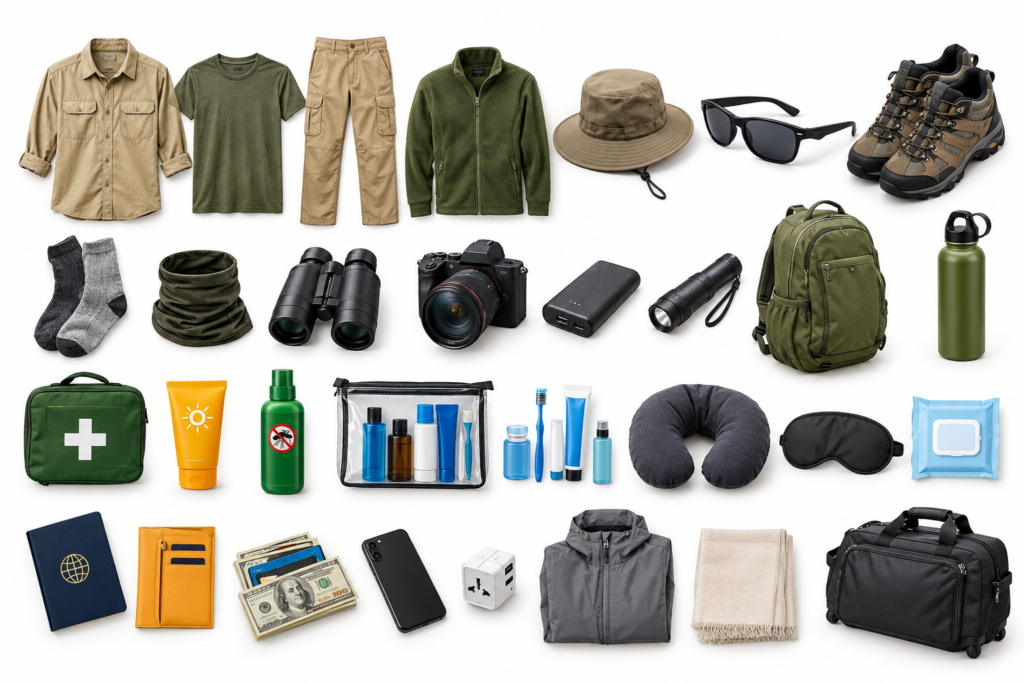
Before starting your 7 Days Ndutu Safari, prepare suitable clothing and essential travel items to make your wildlife adventure comfortable and enjoyable. Temperatures can vary between early mornings, daytime game drives and evenings, so packing layers is recommended.
Essential Safari Packing List
Clothing and Footwear
- Lightweight, neutral-coloured clothing
- Warm jacket or fleece for chilly mornings and evenings
- Comfortable closed shoes
- Sun hat
- Rain jacket
Sun and Insect Protection
- Sunglasses
- Sunscreen
- Insect repellent
Safari Equipment
- Binoculars
- Camera with spare batteries
- Extra memory cards
- Small day bag
Personal and Travel Essentials
- Personal medication
- Travel documents
Helpful Packing Tips
Choose comfortable clothing in neutral colours such as khaki, beige, olive and brown. Pack layers so you can adjust to changing temperatures throughout the day. Keep your camera, binoculars, sunscreen and reusable water bottle easily accessible during game drives.
With the right preparation, your 7 Days Ndutu Safari will be more comfortable, allowing you to focus on Tanzania’s wildlife, landscapes and unforgettable safari experiences.
The early morning and evening temperatures in Ndutu and Ngorongoro can feel cool. A warm layer is strongly recommended.
Read our complete Safari Packing Guide before traveling.
Optional Safari Extensions
You can extend the package with:
- Additional Ndutu nights
- Extra Central Serengeti game drives
- Lake Manyara National Park
- Mto wa Mbu Village Tour
- Lake Eyasi
- Hadzabe and Datoga cultural experience
- Kilimanjaro day hike
- Zanzibar Island beach holiday
- Private photography vehicle
- Domestic return flight
Why Book With Gowitos Safaris and Holidays?
Gowitos Safaris and Holidays is a local Tanzania tour operator specializing in wildlife safaris, migration experiences, mountain trekking and Zanzibar holidays.
When you travel with us, you receive:
- Personalized safari planning
- Experienced local guides
- Private safari transportation
- Honest seasonal migration information
- Carefully selected accommodation
- Flexible game-drive arrangements
- Responsible wildlife viewing
- Support before and during your journey
Explore additional experiences through Gowitos Safaris and Holidays.
Frequently Asked Questions
When is the Ndutu calving season?
The broader Ndutu migration period normally runs from December to March. Calving activity is generally strongest between late January and March.
Is February the best month?
February is often considered the central calving month. However, rainfall and herd movement vary each year.
Are wildebeest births guaranteed?
No. Births are natural and unpredictable. Visiting during the main season improves your chances, but a particular birth cannot be guaranteed.
Will we see predators hunting?
The Ndutu ecosystem supports many predators, but hunts are unpredictable. Your guide will search for active predators without disturbing their natural behavior.
Is this a private safari?
Yes. The standard package can be operated privately for your group.
Is the safari suitable for children?
Yes. The itinerary can be adapted for families, although parents should consider the long drives and extended wildlife-viewing periods.
Will we see the Big Five?
All Big Five species live in the destinations visited. However, wildlife sightings cannot be guaranteed.
What type of vehicle is used?
The tour uses a specially equipped 4×4 safari vehicle with a pop-up roof and window access for wildlife viewing.
Can vegetarian meals be arranged?
Yes. Vegetarian and other dietary requirements can normally be accommodated when communicated in advance.
Can I add a hot-air-balloon safari?
Yes, subject to availability and operating conditions. The balloon flight requires advance booking and an additional payment.
Can I fly back instead of driving to Arusha?
Yes. A scheduled domestic flight may be added, depending on the operating schedule and available seats.
Can this itinerary operate in July or August?
The parks can still be visited, but the wildebeest herds are normally outside the Ndutu region during July and August. A Northern Serengeti itinerary would generally be more appropriate.
Can I book for 2027, 2028 or 2029?
Yes. Advance reservations are available for 2027, 2028 and 2029. Final prices depend on travel dates, accommodation category, park fees and group size.
A 7 Days Ndutu Safari is suitable for travellers seeking a combination of classic northern Tanzania wildlife destinations and seasonal migration viewing.
Book Your 7 Days Ndutu Calving Season and Great Migration Safari
Book your 7 Days Ndutu Safari with Gowitos Safaris and Holidays and request a customized quotation for your preferred travel dates.
Experience the wildebeest calving season, search for Tanzania’s celebrated predators and explore Tarangire, Ngorongoro, Serengeti and Ndutu with a professional local safari team.
Gowitos Safaris and Holidays will customize the itinerary according to your travel dates, accommodation preference, group size and budget.
Contact Gowitos Safaris and Holidays to customize your 7 Days Ndutu Safari around your travel dates, accommodation preferences and budget.
Website: Gowitos Safaris and Holidays
WhatsApp: +255 769 100 815
Email: info@gowitossafarisandholidays.com
Contact us for availability and pricing for the 7 Days Ndutu Calving Season and Great Migration Safari in 2027, 2028 or 2029.


