
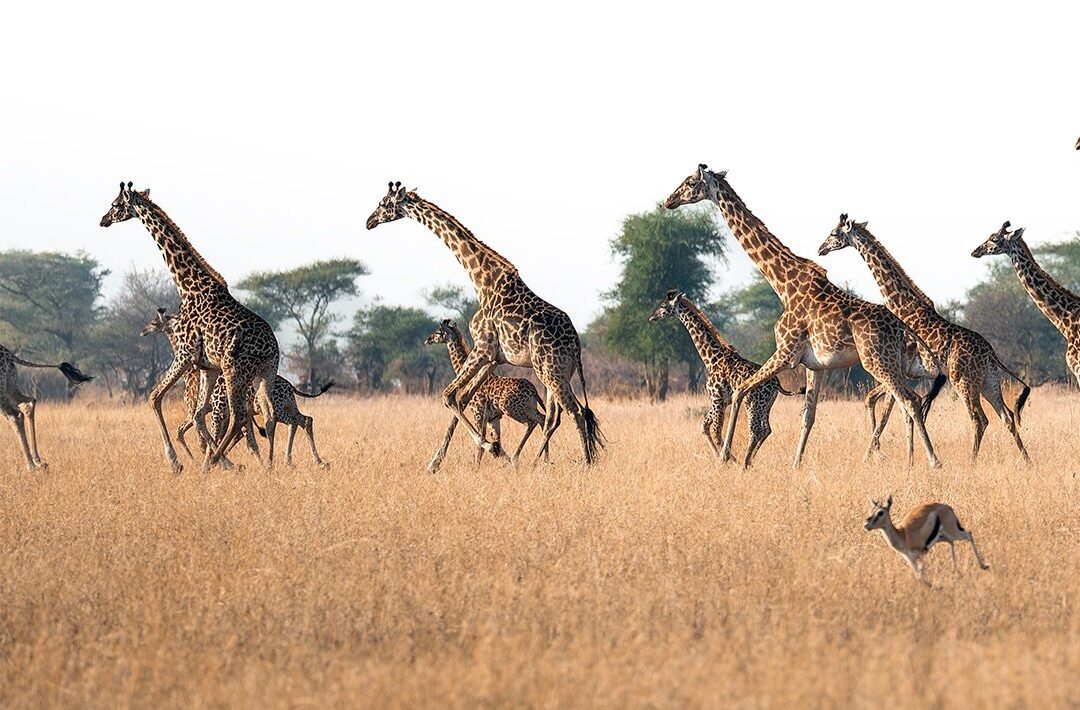
A rewarding Ngorongoro Crater safari isn’t simply a race to spot the Big Five. The crater’s grasslands, woodland and soda lake create a remarkable setting, but wildlife sightings can’t be promised. The pace of the day matters as much as the animals you encounter. If you’re wondering what a game drive involves, when to go or how to balance high hopes with a realistic plan, those are the right questions to ask.
A typical drive spends five to six hours on the crater floor. Wildlife is often easy to find, but every day unfolds differently. This guide explains what to expect, how to think about timing and what to pack, while keeping wildlife viewing in perspective. You’ll also learn how to include a crater visit in a tailored Tanzania safari, planned around your interests, available time and preferred travel style. Whether wildlife is your priority or you want a more considered pace, the right itinerary can connect the crater with other destinations.
Key Takeaways
- Understand how the crater’s enclosed landscape shapes a game drive, while allowing wildlife encounters to unfold naturally.
- Use seasonal conditions and your comfort with crowds to set realistic wildlife-viewing expectations. No itinerary can promise every Big Five sighting.
- Prepare for changing conditions with clothing layers, sun protection, water and a camera. Follow your itinerary’s guidance on departure and access.
- Shape a Ngorongoro Crater safari around your available time, wildlife interests and preferred pace as part of a wider Tanzania journey.
What makes a Ngorongoro Crater safari distinctive?
A Ngorongoro Crater safari is a wildlife drive through a vast volcanic caldera, where a high rim surrounds a broad floor of grassland, woodland and lake. The enclosed landscape gives the experience a strong sense of place: the crater walls frame the horizon, while the open floor offers wide views across the habitats below.
Scenery and wildlife are part of the same experience, not separate attractions. A vehicle may move between open plains and patches of woodland, and the changing views invite you to watch the landscape as carefully as you look for animals. Open areas can make wildlife easier to spot, but sightings vary and no particular encounter is guaranteed.
How the crater landscape shapes a safari
A caldera is a large, bowl-like depression formed when volcanic ground collapses after an eruption. At Ngorongoro, the rim and floor frame the drive. From above, the basin feels expansive yet contained; on the floor, its surrounding slopes remain in view. The crater’s geology, wildlife and human history are part of the wider Ngorongoro Conservation Area.
You don’t need dimensions or elevation figures to appreciate the contrast. The descent changes your perspective, and the high rim makes the floor feel like a distinct world within the larger landscape. Light, cloud and views across the basin can shift the mood of the drive, even when the route and wildlife activity remain unpredictable.
Wildlife and scenery in one setting
The crater’s mix of open grassland, woodland and Lake Magadi gives you several landscapes to take in during a game drive. Open views make it easier to scan across the floor, while wooded areas add texture and places where animals may be less visible. The lake provides another landmark within the crater, changing the view without becoming a separate excursion.
Wildlife is a central draw, but the experience isn’t a checklist. You might watch activity across the plains, then notice quieter details: the curve of the crater wall, the lake’s shifting surface or the transition between habitats. The enclosed setting can make the day feel focused and immersive, but animals move freely and sightings depend on conditions. A thoughtful visit leaves room for anticipation and patience, respecting wildlife rather than expecting it to perform on a schedule.
How a Ngorongoro Crater game drive unfolds
A crater game drive typically means travelling across the floor in a safari vehicle with a guide, pausing to observe wildlife and scenery before returning to the rim. A Ngorongoro Crater safari usually follows a simple rhythm: prepare for the day, descend when access allows, explore at a measured pace, then leave the floor within the permitted window.
Your schedule depends on the wider itinerary and current access arrangements. The aim isn’t to rush from one sighting to the next. A guide helps interpret animal behaviour, tracks and habitat changes, and can adapt the route to conditions and wildlife activity. That knowledge can also give quieter moments meaning.
From arrival to time on the crater floor
Before setting out, listen to your guide’s briefing, settle into the vehicle and keep water, warm layers and a camera close at hand. The drive enters the crater according to the day’s access arrangements. The descent marks a clear shift from travelling toward the destination to observing within it.
Current access rules allow vehicles up to six hours on the crater floor per game drive. The Seneto descent gate opens at 6:00 a.m. and closes to new entries at 4:00 p.m.; vehicles must be out by 6:00 p.m. Visitors must travel with a licensed guide, and off-road driving is prohibited. These rules shape the day, while your itinerary and current operating arrangements determine the actual departure and return schedule.
Once on the floor, your guide may adjust the route as conditions change. If animals are active in one area, the vehicle may pause to observe from a respectful distance. If a stretch is quiet, the drive can continue through other habitats. Flexibility is part of the experience, not a sign that the plan has gone wrong.
Watching wildlife with patience and care
Some moments are brief; others invite a longer pause. Keep your voice low, follow your guide’s directions and allow animals space to move naturally. The wider conservation area, recognized as a UNESCO World Heritage Site, is a place of ecological and cultural significance. Considerate viewing keeps the focus on wildlife rather than the vehicle.
Animal behaviour and sightings vary from drive to drive, so visitors can’t direct or guarantee an encounter. A predator may be resting out of view, or animals may be moving across the floor while your route passes elsewhere. Give each stop time, notice the landscape and let the day unfold. If you’re planning a multi-day visit around your interests and preferred pace, explore a tailored Tanzania safari that includes the crater.
Wildlife, seasons, and crowds: setting realistic safari expectations
A Ngorongoro Crater safari brings wildlife, changing conditions and other visitors into one shared landscape. Planning can help you choose a season and pace that suit you, but it can’t control animal movements. You can set priorities and plan your timing, but wildlife sightings remain unpredictable.
Think about what would make the day meaningful beyond seeing a particular animal. You might hope to see several species, photograph the landscape or enjoy a quieter experience. Those aims can influence when you travel and how you approach the drive, but none guarantees a specific encounter. The Ngorongoro Conservation Area Authority is a useful source of official destination information as you prepare.
What wildlife sightings can and cannot be predicted
The crater offers opportunities to observe a range of wildlife, but animals move, rest and shelter on their own terms. Your guide’s interpretation can help you notice tracks, behaviour and activity in the surrounding habitat. Patience matters: a quiet stretch is still part of the drive, and a brief sighting may be all that conditions allow.
The Big Five may be part of your hopes, but no itinerary can promise a complete list. Judge the day by the experience as a whole, including your guide’s insight and the landscape, rather than by a checklist.
Seasonal conditions and visitor numbers
Weather can affect road conditions, visibility and the character of the scenery. Seasonal changes may also alter vegetation and how easily animals can be seen. Busy viewing areas can feel less secluded, especially when several vehicles gather around an animal. Quieter periods may offer a different atmosphere, but they don’t guarantee solitude or better sightings. For a broader look at how timing affects a Tanzania trip, consult a dedicated guide to the best time for a Tanzania safari.
Use your priorities to weigh the trade-offs rather than searching for one perfect moment:
| Priority | What to consider |
|---|---|
| Wildlife viewing | Changing vegetation and conditions can affect visibility; sightings still vary. |
| Photography | Allow room for shifting light and patient observation, rather than expecting a set sequence of encounters. |
| A quieter feel | Consider how comfortable you are sharing popular viewing spots with other vehicles. |
| Flexible travel | Build a wider itinerary that can accommodate changing conditions and time in other destinations. |
Before finalizing your plans, consider how season, crowd tolerance and wildlife interests fit together. A guide can interpret what unfolds on the day, while a thoughtfully paced itinerary leaves room for unexpected moments without promising what nature can’t guarantee.

How to prepare for a Ngorongoro Crater safari
A little preparation helps you stay comfortable and attentive during a crater game drive. Conditions can change during the day, and departure times and access arrangements depend on your itinerary and current requirements. Pack for flexibility, keep essentials within reach and organize your bag before the drive so you can focus on the landscape.
What to bring for a crater game drive
Choose practical items that are easy to adjust or reach from your seat. This checklist covers the essentials:
- Clothing layers: Bring a light layer you can add or remove as conditions change, along with comfortable clothes suited to sitting in a vehicle.
- Sun protection: Pack a hat, sunglasses and sunscreen for periods of open-sky viewing.
- Drinking water: Carry water for the outing and keep it somewhere accessible.
- Camera readiness: Charge batteries, check storage space and keep your camera secure. A soft bag or case can help protect equipment from dust and bumps during travel.
- Small essentials: Keep personal items you may need during the drive together, rather than buried under luggage.
There’s no need to overpack. Focus on what will help you stay comfortable and observant, and follow any packing guidance provided for your journey.
Responsible and comfortable visitor conduct
Before departure, follow your itinerary’s instructions on timing, access and what to expect. Park fees, entry procedures and conservation requirements can change, so use official sources for current details as you plan. On the day, your guide can explain the relevant arrangements and help you follow them. Listen closely, especially if plans need to adapt.
Respectful conduct also shapes the quality of the experience. Keep your voice low near wildlife, give animals space and follow your guide’s directions about where to stop and how to behave. Don’t encourage an approach that could disturb an animal or interrupt its natural movement. Patient observation often gives you more to notice than trying to force a closer view.
Consideration extends beyond wildlife. Be courteous to guides and fellow visitors, allow others a chance to observe, and treat local people and places with respect. Responsible travel is part of a rewarding safari: it keeps the experience grounded in care for the landscape and the communities connected to it.
For a journey shaped around your interests and practical needs, plan a tailored Tanzania safari that includes time in the crater.
Shape your Ngorongoro Crater safari around your journey
The crater can be a defining part of a Tanzania trip, but it doesn’t have to shape every decision. Start with the time you have, the wildlife and landscapes you’re most interested in, and the pace that feels right. Those priorities can help determine how the crater fits alongside other destinations, and whether your journey feels focused or more spacious.
Choosing a journey length and pace
A shorter route can bring several highlights together, while a longer journey can leave more breathing room between destinations. For example, Gowitos offers a three-day safari combining Tarangire, Ngorongoro and Manyara. It can suit travellers seeking a focused introduction to the area. If you prefer slower transitions or more time in different settings, a longer multi-day journey may suit you better.
There’s no single right pace. A compact itinerary makes good use of limited time, but moves through its planned stops efficiently. A more spacious journey can give you greater flexibility to linger and experience each place without making every day feel like a transfer. Explore a three-day Tanzania safari to see how a crater visit can fit within a wider route.
Consider how you want the days to feel, not only which destinations you hope to include. Are wildlife drives your main focus, or would you like a varied journey with time to appreciate different landscapes? Does a full schedule energize you, or would you rather leave room to pause? Clear answers help turn a list of places into a trip with a coherent rhythm.
Planning with Gowitos Safaris & Holidays
Gowitos Safaris & Holidays plans safari journeys around travellers’ interests, available time and preferred travel style. Your priorities can guide how a crater visit fits into a multi-day itinerary, whether you’re drawn to wildlife viewing, a particular pace or a wider experience of Tanzania.
Good planning also considers how a journey is experienced. Responsible travel means respecting wildlife, following guidance during game drives and showing consideration for local people. These principles keep the focus on thoughtful encounters and a respectful connection with the places and communities that make a safari possible.
Before settling on a route, bring together your practical limits and your hopes: the days available, the experiences that matter most and how much time you’d like between destinations. The local team can use these priorities to shape a personal journey that includes the crater without treating it as a checklist item. If you’re ready to explore the possibilities, start planning a tailored safari with Gowitos.
Begin shaping a journey that feels like yours
Start by deciding what you want your time in Tanzania to make room for. Perhaps a Ngorongoro Crater safari is the heart of your trip, or one part of a wider journey through the country. Consider what you’d most like to remember, then let those priorities guide the route and rhythm. A thoughtful plan leaves space for discovery without treating wildlife encounters as a checklist.
Gowitos Safaris & Holidays creates journeys around travellers’ interests, available time and preferred travel style. Its approach also emphasizes respecting wildlife and helping travel benefit local people, so the way you explore matters alongside the places you visit.
Ready to plan? Explore a Tanzania safari shaped around your journey with Gowitos Safaris & Holidays, and start with what matters most to you.
Frequently Asked Questions
How was the Ngorongoro Crater formed?
The Ngorongoro Crater formed when a large volcano collapsed inward after an eruption, creating a broad basin surrounded by a rim. This type of volcanic landform is called a caldera. Over time, the basin developed into a varied landscape of open ground, woodland and wetland, shaped by geology, water and living ecosystems. Its formation helps explain why the crater feels distinct within the wider conservation area.
Is the Ngorongoro Crater part of a UNESCO World Heritage Site?
Yes. The crater lies within the Ngorongoro Conservation Area, a UNESCO World Heritage Site. The protected area is recognized for its natural and cultural importance, not simply as a wildlife destination. For visitors, that broader context is a reminder that the crater is part of a lived-in conservation landscape, where responsible travel should respect wildlife, local communities and the area’s heritage.
Can children go on a Ngorongoro Crater safari?
Yes, children can join a Ngorongoro Crater safari. The experience can be engaging for families who prepare for time in a vehicle. Before travelling, consider your child’s comfort with a long outing, early starts and quiet observation. Bring familiar snacks and activities for pauses between sightings, and talk about giving wildlife space. Plan the itinerary around family needs and children’s interests.
Is the crater suitable for visitors with limited mobility?
A crater visit may suit some visitors with limited mobility because much of the wildlife viewing takes place from a vehicle. Comfort and access can depend on the vehicle, how easily you can enter and exit it, and whether the itinerary includes stops outside the vehicle. Share your mobility needs while planning so the journey can account for transfers, seating and any assistance you may require.
What is the elevation of the Ngorongoro Crater?
There isn’t one elevation for the whole crater because the rim and floor sit at different heights, and the landscape varies across the basin. A single figure can therefore be misleading unless it specifies the exact point being described. If elevation is relevant to your comfort or health, discuss the route and planned stops with your safari team, and use a current authoritative source for a specific location’s elevation.
Are there facilities for visitors on a crater game drive?
Facilities during a crater game drive are limited compared with those in a town or lodge, so plan ahead rather than assuming amenities will be available beside every wildlife-viewing area. Review current information about facilities along your planned route, and use an appropriate stop before descending if needed. Carry water and any personal essentials you may need during the drive, especially if travelling with children.
Can I visit the Ngorongoro Crater without staying overnight nearby?
Yes, an overnight stay near the crater isn’t essential for a visit. The crater can be included as a day visit within a broader Tanzania safari, with the route and departure arranged around your itinerary and current access requirements. Travel to and from the area affects the shape of the day, so plan the surrounding journey carefully to avoid a rushed experience on the crater floor.
