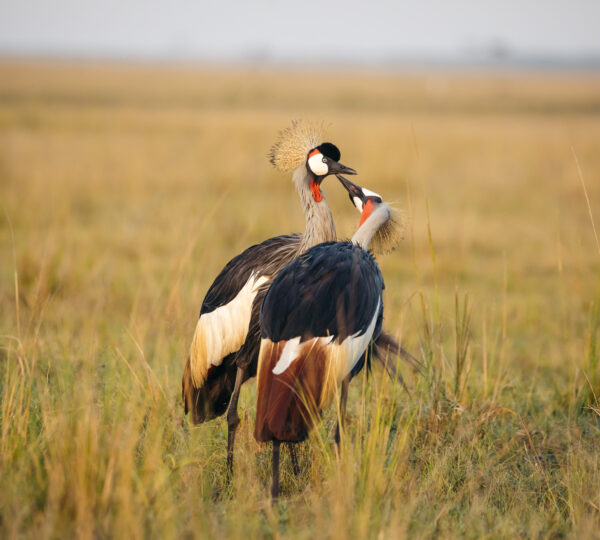
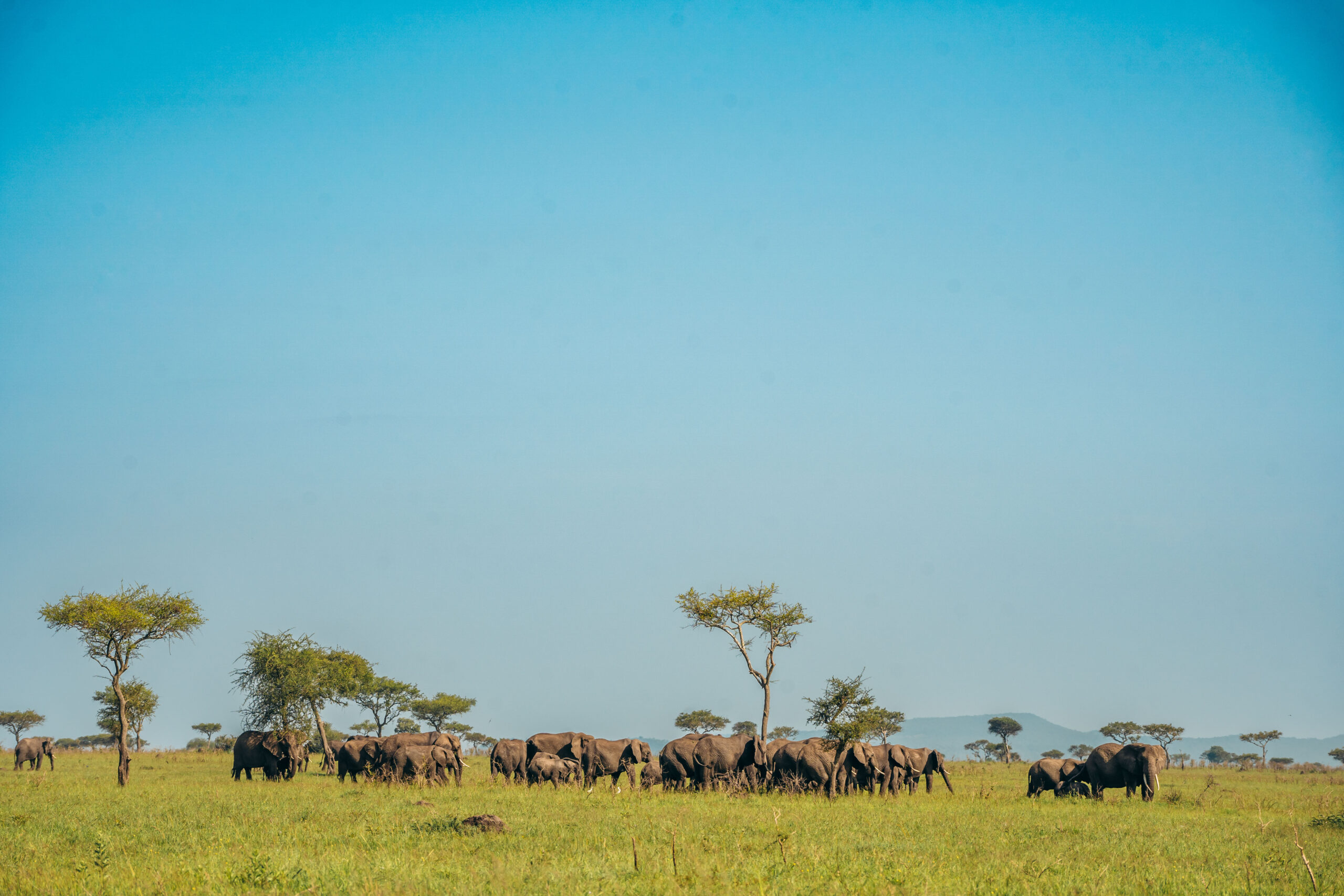
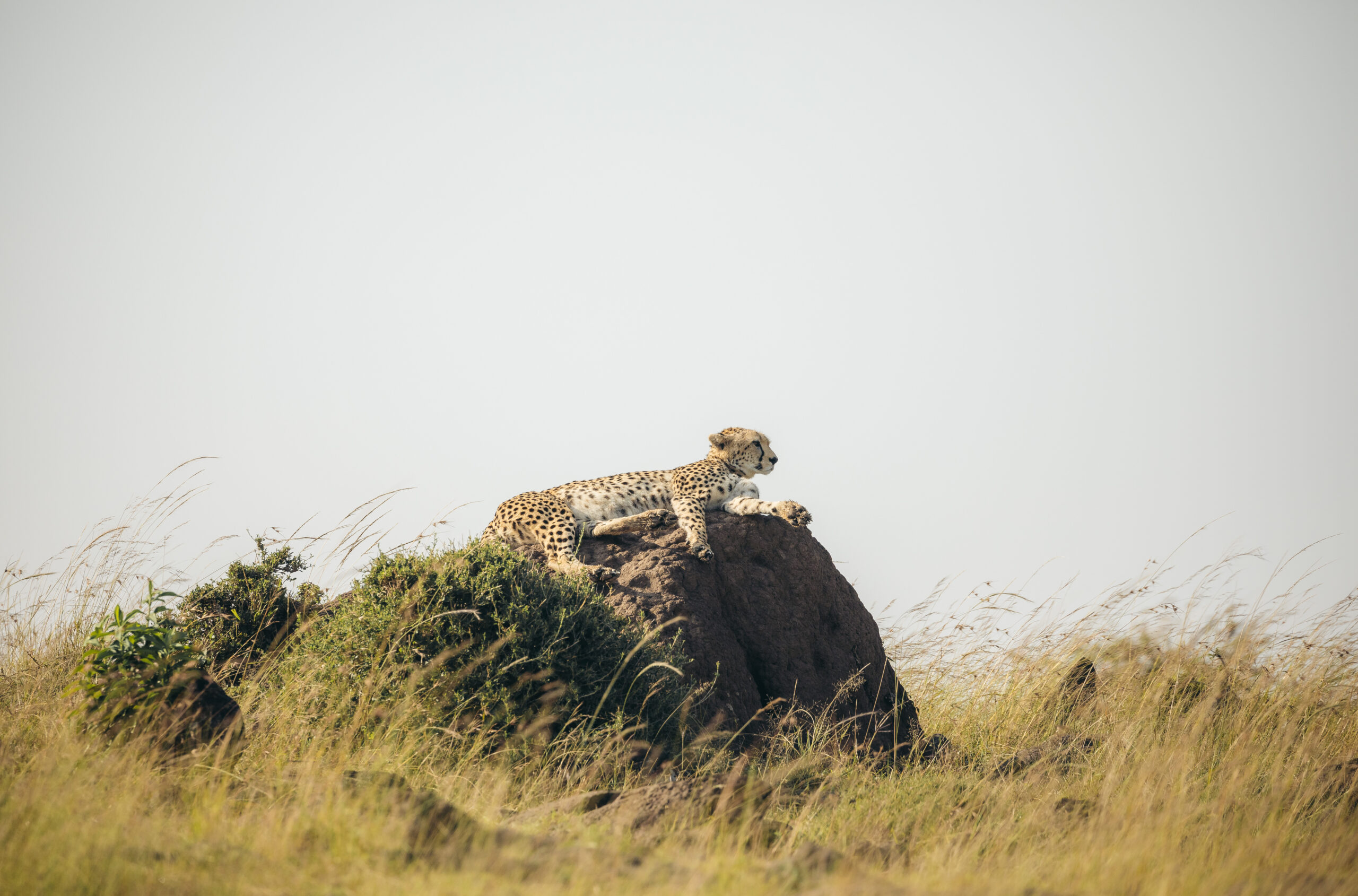
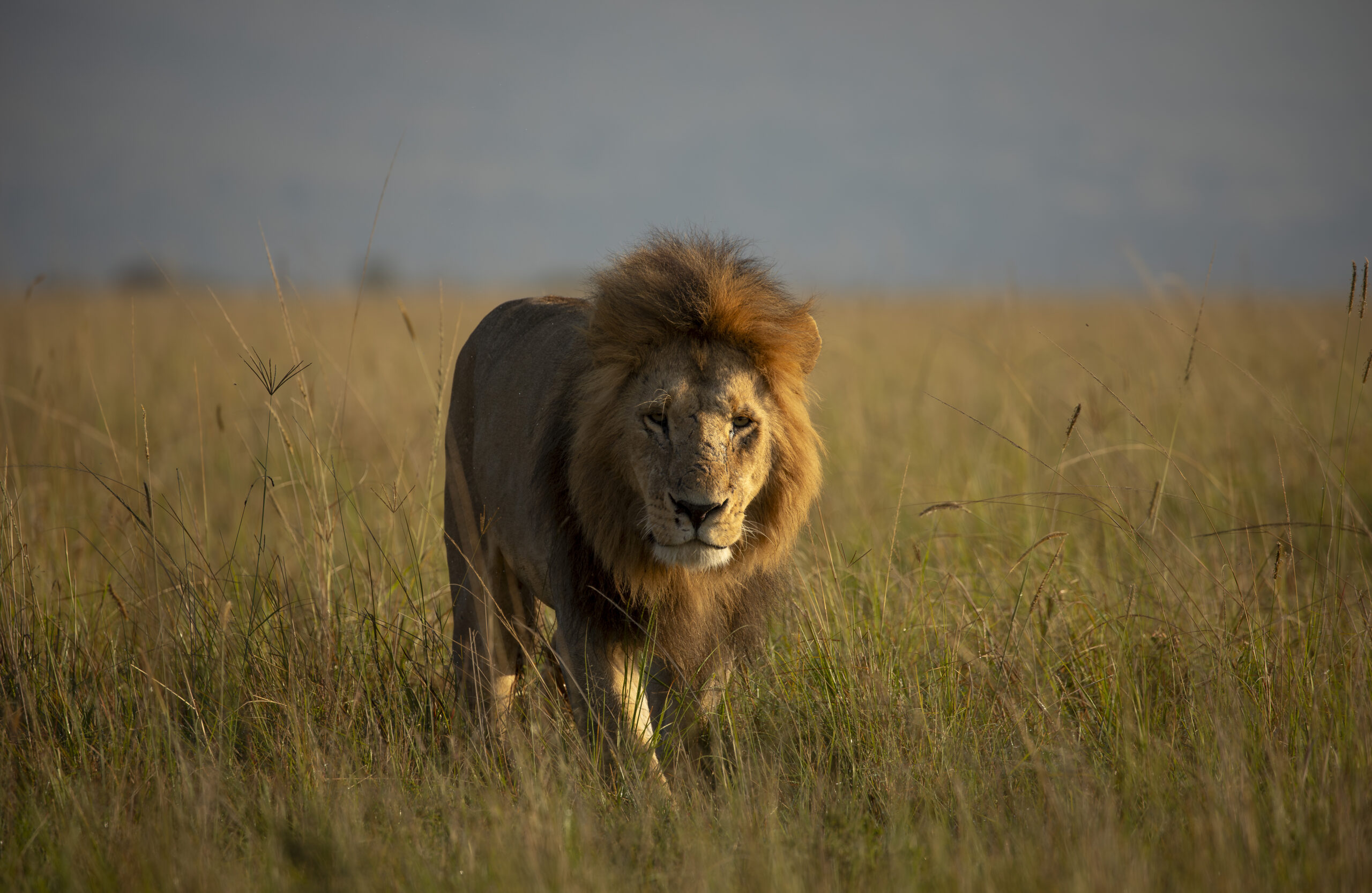
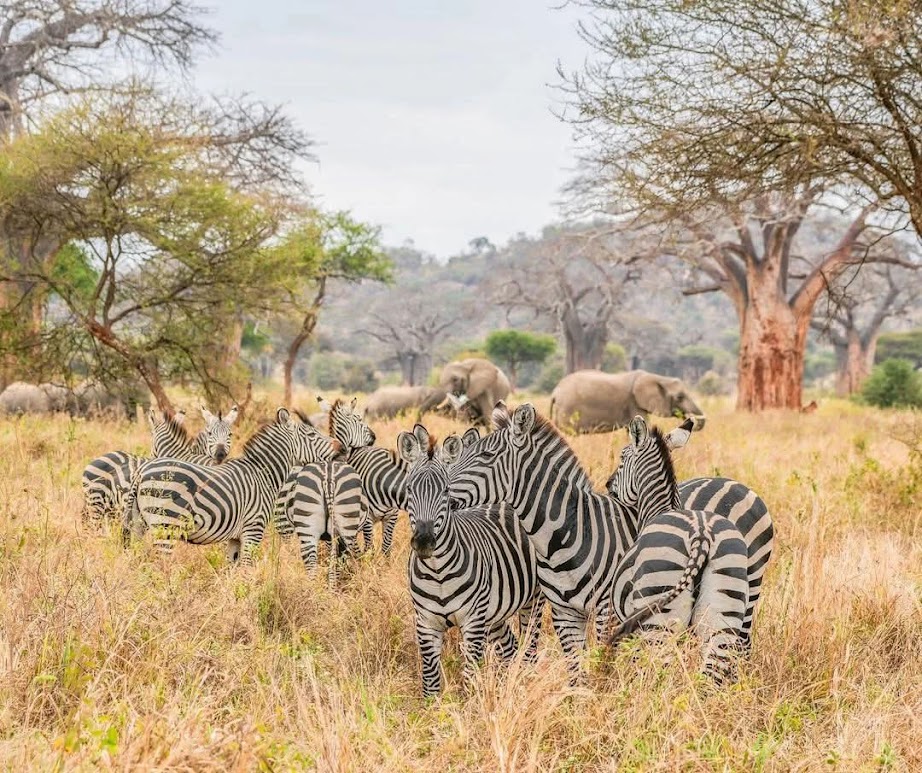
The Best 5-Day Tanzania Volunteer & Wildlife Photography Experience 2027, 2028 & 2029 combines responsible community participation with two days of guided wildlife viewing in Tarangire National Park and the Ngorongoro Crater.
The programme begins in Arusha with an orientation and locally coordinated volunteer activities. These may include environmental work, tree planting, community facility improvement or another practical project identified by the local host. The experience then continues into northern Tanzania’s wildlife areas, where travellers can photograph elephants, lions, giraffes, zebras, wildebeests and the region’s varied landscapes.
This short programme is suitable for travellers who want their holiday to include practical participation rather than sightseeing alone. Volunteer activities are selected according to genuine local needs, and no unqualified visitor is placed in a professional medical, teaching or childcare role.
Gowitos Safaris & Holidays coordinates the transportation, local orientation, accommodation, volunteer arrangements and wildlife safari.
Five-Day Experience Overview
The 5-Day Tanzania Volunteer & Wildlife Photography Experience begins in Arusha, one of northern Tanzania’s main tourism and cultural centres.
The first three days focus on orientation, community interaction and practical volunteer work. The exact activities depend on the host organisation’s current priorities, weather, available materials and the abilities of each participant.
The final two days take you to Tarangire National Park and the Ngorongoro Crater. These destinations provide contrasting landscapes and strong wildlife photography opportunities.
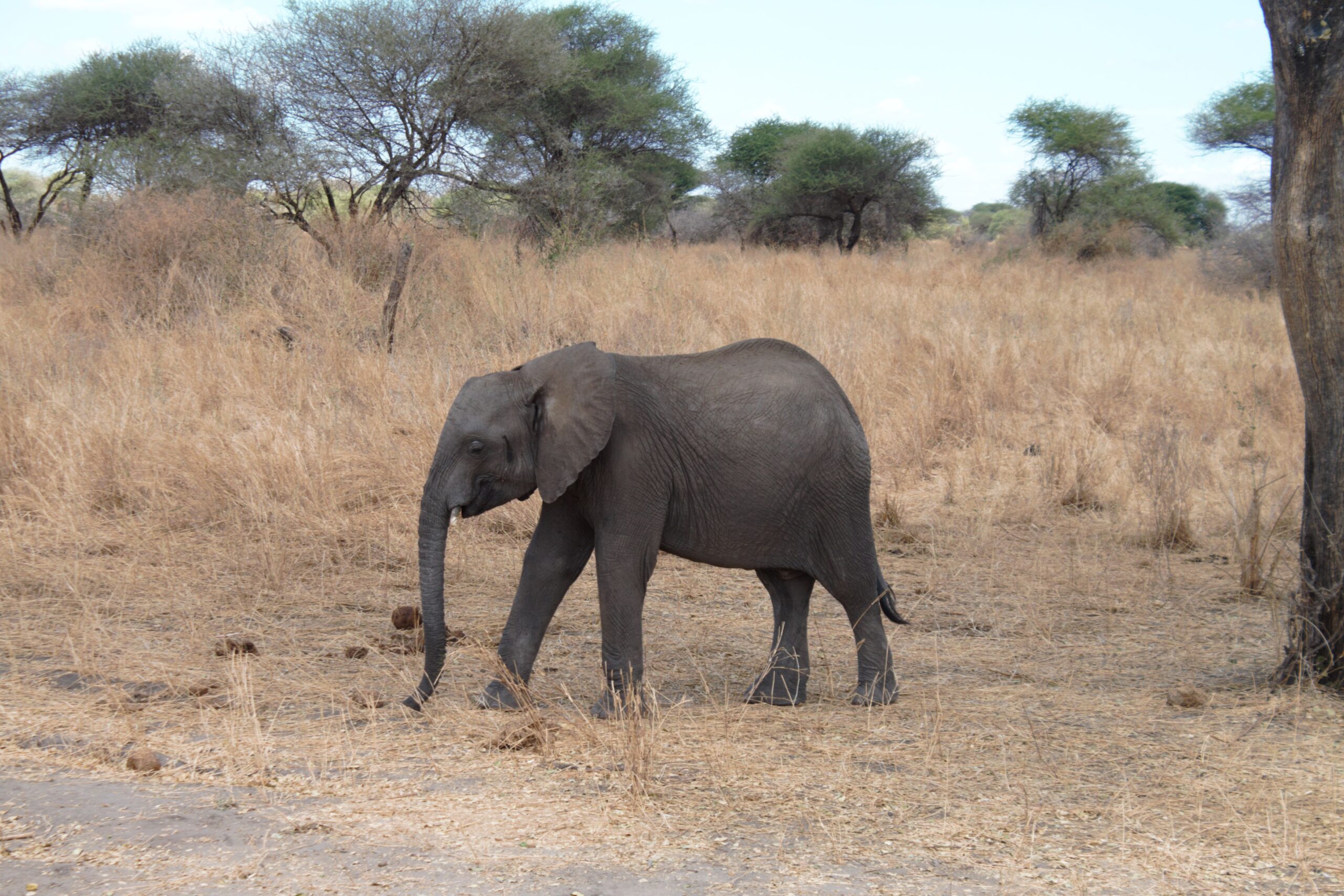
Tarangire is known for elephants, baobab trees and the Tarangire River. Ngorongoro offers dramatic crater views and a high concentration of wildlife within a relatively compact area.
Programme at a Glance
| Day |
Location |
Main activity |
Overnight |
| Day 1 |
Arusha |
Arrival, orientation and project introduction |
Arusha |
| Day 2 |
Arusha community project |
Full-day volunteer activities |
Arusha |
| Day 3 |
Arusha community project |
Volunteer activities and cultural interaction |
Arusha |
| Day 4 |
Tarangire National Park |
Wildlife photography and game drive |
Karatu or Mto wa Mbu |
| Day 5 |
Ngorongoro Crater |
Crater game drive and return to Arusha |
Not included |
The volunteer programme may be adjusted according to the host project’s genuine needs. Safari destinations and accommodation will be confirmed before booking.
Experience Highlights
- Participate in a locally coordinated volunteer project
- Receive an orientation before beginning the activities
- Work alongside local hosts rather than replacing paid professionals
- Learn about everyday community life around Arusha
- Contribute to environmental or community improvement activities
- Visit Tarangire National Park
- Photograph elephants and ancient baobab trees
- Descend into the Ngorongoro Crater
- Search for lions, buffaloes, hippos and black rhinoceroses
- Travel with a professional safari driver-guide
- Choose between camping, mid-range or upgraded accommodation
- Begin and finish the programme in Arusha
Detailed 5-Day Volunteer and Wildlife Photography Itinerary
Day 1: Arrival, Orientation and Volunteer Project Introduction
Your Best 5-Day Tanzania Volunteer & Wildlife Photography Experience 2027, 2028 & 2029 begins in Arusha.
A Gowitos Safaris & Holidays representative will collect you from your hotel, agreed meeting point or arrival location according to the confirmed arrangements.
The first day is dedicated to orientation. You will meet the local coordinator, learn about the planned activities and receive practical guidance on respectful community participation.
The coordinator will explain:
- The purpose of the volunteer project
- The activities currently required
- Appropriate behaviour and clothing
- Photography and privacy rules
- Daily working hours
- Health and safety procedures
- Communication with community members
- The limits of the volunteer’s role
- Responsible interaction with children and vulnerable people
- How equipment and donated materials should be handled
Volunteer placements are selected according to genuine local priorities. Activities may change when weather, materials or community schedules require an adjustment.
Depending on your arrival time, you may visit the project location and meet the local team. The first day may also include a light practical activity, but the main work normally begins on the second day.
You will then return to your accommodation in Arusha for dinner and rest.
Meals: Lunch and dinner, depending on arrival time
Accommodation: Guesthouse, lodge or hotel in Arusha
Day 2: Full-Day Community Volunteer Activities
After breakfast, you will travel to the selected volunteer project.
The activities will be organised by the local host according to current needs. This ensures that the work has a practical purpose rather than being created simply to entertain visitors.
Possible activities may include:
- Tree planting and nursery work
- Environmental cleaning
- Waste collection and sorting
- Community garden support
- Painting or maintaining community facilities
- Preparing or moving approved materials
- Assisting with conservation awareness activities
- Supporting locally managed administrative tasks
- Helping organise community spaces
- Participating in other supervised practical work
The exact activities cannot be guaranteed several months or years in advance. Community priorities, seasons and available materials naturally change.
You will work alongside local participants under the direction of the project coordinator. Visitors should not take control of the programme or assume that foreign methods are automatically more suitable.
A lunch break will be provided during the day. The working pace and tasks will be adjusted according to weather, group ability and available time.
Photography is only permitted when approved by the local coordinator and the people being photographed. Special care must be taken around children, schools, medical facilities and private homes.
At the end of the working period, you will return to your accommodation for dinner and rest.
Meals: Breakfast, lunch and dinner
Accommodation: Guesthouse, lodge or hotel in Arusha
Day 3: Volunteer Project and Local Cultural Interaction
The third day of your 5-Day Tanzania Volunteer & Wildlife Photography Experience continues with practical participation at the selected project.
You may continue the previous day’s work or assist with a different activity identified by the local coordinator. Completing a useful task is more important than covering many unrelated activities.
Depending on the project, you may spend the morning working on environmental improvement, facility maintenance, gardening or another supervised assignment.
The programme may include time to learn about the community, local livelihoods and the challenges connected to the project. This conversation should be respectful and should not treat residents as tourist attractions.
Visitors are encouraged to listen, ask appropriate questions and understand how the local team manages the project throughout the year.
If photography forms part of the agreed activity, your coordinator will explain where and when photographs are appropriate. Images should present people with dignity and should never be taken secretly.
After completing the volunteer activities, you will return to Arusha and prepare for the safari section. Your safari driver-guide may provide a short briefing covering the departure time, luggage requirements and expected road conditions.
Meals: Breakfast, lunch and dinner
Accommodation: Guesthouse, lodge or hotel in Arusha
Day 4: Arusha to Tarangire National Park
After an early breakfast, the wildlife photography section of your Best 5-Day Tanzania Volunteer & Wildlife Photography Experience 2027, 2028 & 2029 begins.
Your driver-guide will collect you from your Arusha accommodation and travel towards Tarangire National Park. The journey passes through farming areas, towns and open countryside.
After completing the entrance formalities, you will enter the park and begin your game drive.
Tarangire is known for its large elephant population and enormous baobab trees. These trees, open grassland, woodland and the Tarangire River create excellent opportunities for landscape and wildlife photography.
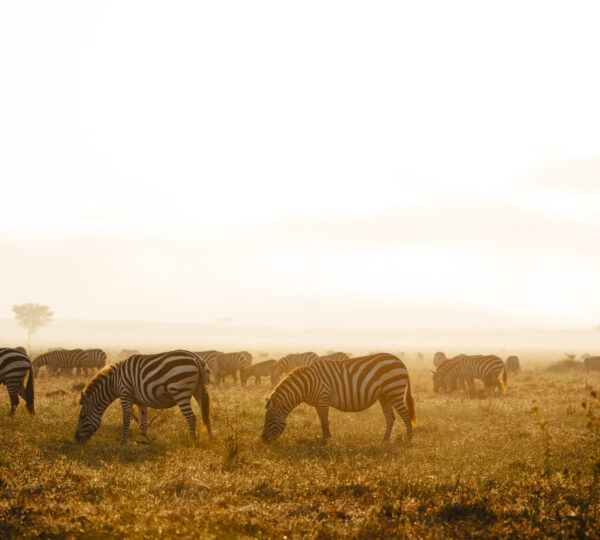
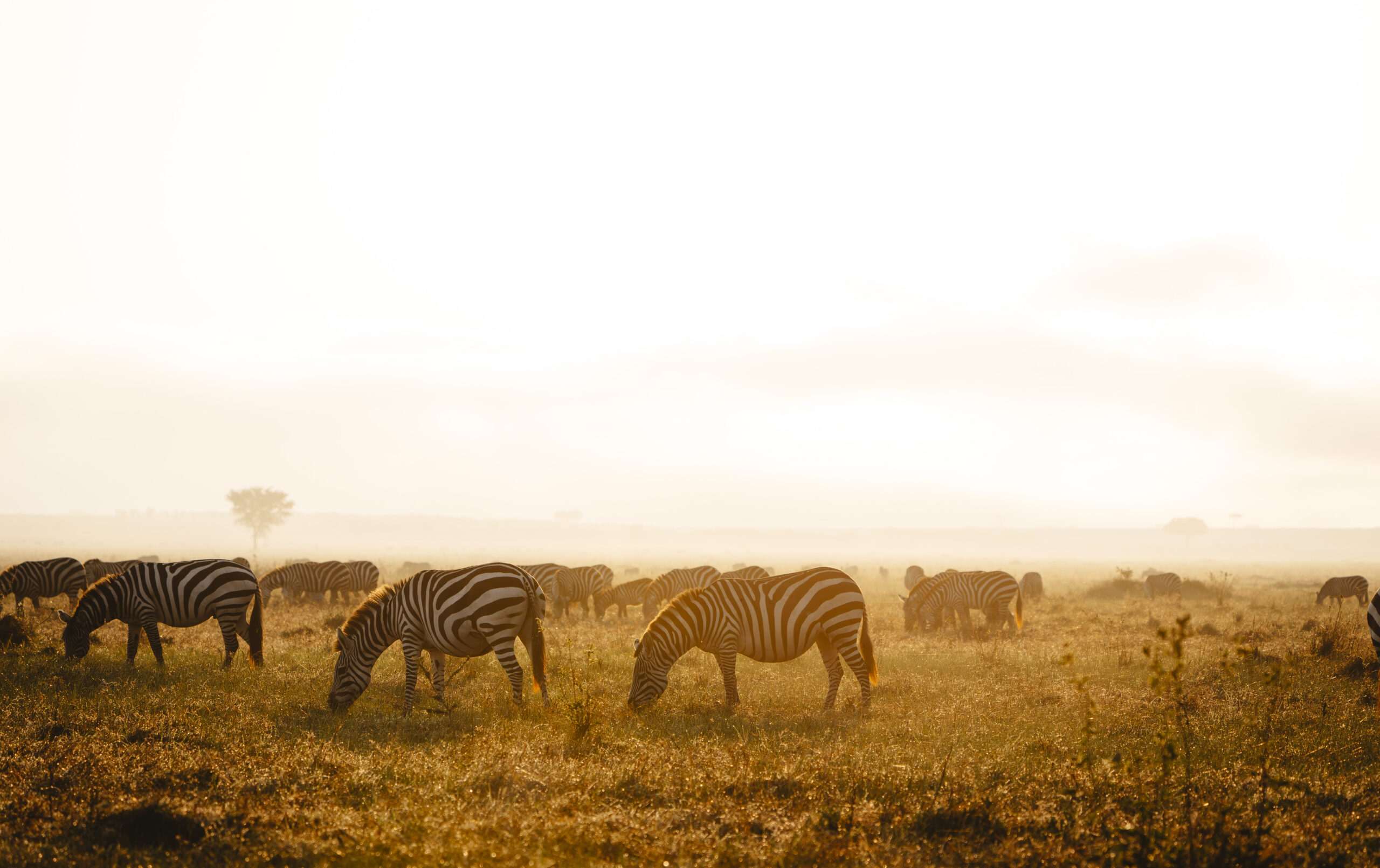
During the dry season, the river attracts animals from a wide surrounding area. Elephants, zebras, wildebeests, giraffes, buffaloes, impalas, waterbucks and warthogs may gather near the water.
Lions are also present, while leopards and cheetahs may be seen with patience and favourable timing.
Your guide will position the safari vehicle where it is safe and permitted, but wildlife should never be surrounded, chased or disturbed for a photograph.
A picnic lunch will be served at a designated location. The afternoon game drive continues through another section of the park.
Photography opportunities may include:
- Elephant family behaviour
- Baobab landscapes
- Giraffes among acacia trees
- Grazing zebras and wildebeests
- Birds around the river and wetlands
- Predators resting in the shade
- Wide environmental images
- Sunset or late-afternoon light when timing permits
In the late afternoon, you will leave Tarangire and travel to your selected accommodation near Karatu or Mto wa Mbu.
Meals: Breakfast, lunch and dinner
Accommodation: Lodge, tented camp or campsite near Karatu or Mto wa Mbu
Day 5: Ngorongoro Crater Wildlife Photography and Return to Arusha
The final day of your 5-Day Tanzania Volunteer & Wildlife Photography Experience begins with an early breakfast.
You will travel towards the Ngorongoro Conservation Area and continue to the crater rim. When weather permits, you may stop briefly at a viewpoint overlooking the caldera.
Your safari vehicle will then descend approximately 600 metres to the crater floor.
The Ngorongoro Crater contains grassland, woodland, freshwater pools, wetlands and a soda lake. These habitats support a high concentration of animals within a relatively compact area.
During the game drive, you may photograph wildebeests, zebras, buffaloes, gazelles, warthogs, spotted hyenas and lions.
Large male elephants are sometimes observed near the Lerai Forest, while hippos gather in pools and wetter areas. The endangered black rhinoceros may also be seen, although sightings cannot be guaranteed.
Lake Magadi attracts flamingos and other waterbirds when water and feeding conditions are suitable.
The surrounding crater walls create a dramatic background for wildlife and landscape photographs. Morning light, mist and changing weather can add depth to the scenery.
Your driver-guide will follow park regulations and maintain a respectful distance from animals. Leaving the official roads or pressuring wildlife to obtain a photograph is not permitted.
You will stop at a designated picnic area for lunch before completing the game drive.
In the afternoon, you will ascend to the crater rim and begin the journey back to Arusha. Arrival is expected during the late afternoon or evening, depending on traffic and road conditions.
This marks the end of the Best 5-Day Tanzania Volunteer & Wildlife Photography Experience 2027, 2028 & 2029.
Meals: Breakfast and lunch
Accommodation: Not included
Responsible Volunteer Activities
The volunteer component is based on locally identified needs. The host organisation determines which activities are useful and appropriate.
Participants should not expect to perform professional work for which they are not qualified. Short-term visitors will not independently practise medicine, provide counselling, manage construction or replace trained teachers.
Appropriate tasks may include environmental improvement, tree planting, supervised maintenance, community gardening and other practical work.
The final placement will consider:
- Current community priorities
- Participant skills
- Age and physical ability
- Available materials
- Weather and seasonal conditions
- Health and safety
- The host’s capacity to supervise visitors
- Appropriate safeguarding procedures
Ethical Volunteering Principles
Community Needs Come First
Volunteer activities should respond to needs identified by the local organisation. They should not be designed solely to provide visitors with emotional photographs or personal recognition.
Volunteers Do Not Replace Paid Workers
Visitors should not take work away from trained local employees. The programme focuses on supportive tasks completed under local direction.
No Unqualified Professional Work
Participants will not independently perform medical, construction, teaching, counselling or childcare work without the required qualifications and supervision.
Respectful Photography
Permission must be obtained before photographing people. Children should not be photographed or published without the required consent.
No Unsupervised Childcare
Short-term volunteers should not be placed in unsupervised roles with children or vulnerable people. Safeguarding and privacy must remain priorities.
Honest Expectations
Five days is a short period. The experience provides practical support and cultural learning, but it should not be presented as solving complex community challenges.
Wildlife Photography Experience
You do not need to be a professional photographer to join the safari. Smartphones, compact cameras and professional equipment can all be used.
Your driver-guide understands wildlife behaviour and may help identify suitable moments for photography. However, wildlife sightings and specific animal behaviour cannot be guaranteed.
The experience encourages participants to photograph:
- Wildlife within its natural habitat
- Animal behaviour rather than only portraits
- Landscapes and changing light
- Relationships between species
- Conservation challenges
- Responsible tourism activities
- Details such as tracks, vegetation and birds
Photography should never take priority over animal welfare, park regulations or visitor safety.
Photography Equipment Recommendations
Useful equipment may include:
- Camera body
- Telephoto lens
- Wide-angle lens
- Spare batteries
- Battery charger
- Memory cards
- Lens-cleaning cloth
- Protective camera bag
- Beanbag or stable support
- Power bank
- Smartphone
- Binoculars
- Dust protection
- Rain cover
Large tripods may be difficult to use inside a safari vehicle. A beanbag or compact support can be more practical.
Keep cameras protected from dust and avoid changing lenses unnecessarily during dry game drives.
Accommodation Options
The 5-Day Tanzania Volunteer & Wildlife Photography Experience can be arranged with different accommodation categories.
Budget Accommodation
Budget options may include simple guesthouses, public campsites or basic lodges with limited facilities.
Mid-Range Accommodation
Mid-range properties normally provide comfortable rooms or permanent tents with private bathrooms, beds and dining facilities.
Luxury Accommodation
Luxury lodges and tented camps provide more spacious rooms, upgraded facilities and a higher level of personal service.
The exact properties will be listed in your quotation. All accommodation remains subject to availability until the booking is confirmed.
Best Time for the Experience
The programme can be arranged throughout the year.
January to March
This period is generally warm, with green landscapes in many areas. Wildlife photography can benefit from colourful vegetation and clearer air after rain.
April and May
The long rains create lush scenery, but volunteer activities and road travel may be affected by heavy rainfall. Some outdoor tasks may need to be changed.
June to October
These are normally the drier months. Wildlife often gathers near permanent water sources, especially in Tarangire. This is also a popular travel period.
November and December
Short rains refresh the landscape and attract migratory birds. Rain may affect outdoor volunteer activities, but it does not normally continue throughout every day.
Planning for 2027, 2028 or 2029
Travellers planning the Best 5-Day Tanzania Volunteer & Wildlife Photography Experience in 2027, 2028 or 2029 should book early enough for Gowitos Safaris & Holidays to coordinate with the local host.
The programme should not confirm activities that are no longer required. Early communication allows the host to identify suitable work and prepare the necessary supervision.
Prices may change between travel years because of adjustments to:
- Park entrance fees
- Ngorongoro Crater charges
- Accommodation rates
- Transport costs
- Government taxes
- Project materials
- Community fees
The final quotation will use the applicable rates for the selected year.
What to Pack
Volunteer Activities
- Comfortable, modest clothing
- Closed working shoes
- Work gloves where required
- Sun hat
- Sunscreen
- Reusable water bottle
- Light waterproof jacket
- Insect repellent
- Personal medication
- Small day bag
Safari and Photography
- Neutral-coloured clothing
- Warm jacket for Ngorongoro
- Camera or smartphone
- Spare batteries
- Memory cards
- Binoculars
- Lens-cleaning equipment
- Dustproof camera bag
- Sunglasses
- Chargers and power bank
Avoid donating materials without asking the host organisation what is genuinely required. Locally purchased supplies may be more suitable and can support local businesses.
What Is Included?
- Transportation according to the itinerary
- Pickup and drop-off within Arusha
- Local volunteer programme orientation
- Supervision during scheduled volunteer activities
- Applicable community or project coordination fees
- Four nights’ accommodation
- Meals stated in the itinerary
- Tarangire National Park entrance fees
- Ngorongoro Conservation Area fees
- Ngorongoro Crater service fee
- Professional English-speaking safari driver-guide
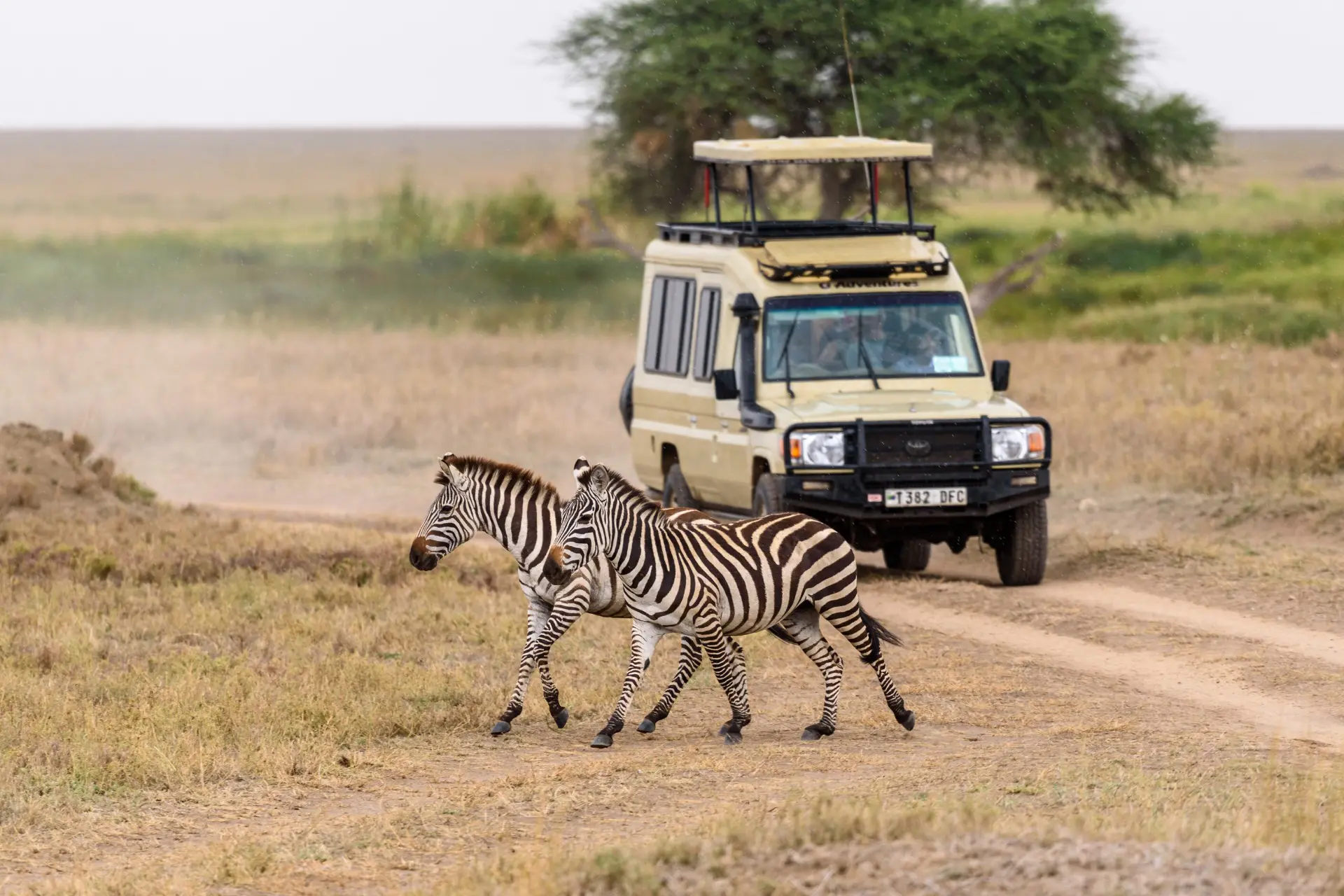
- Safari vehicle with a viewing roof
- Bottled drinking water during the safari
- Government taxes and applicable tourism charges
What Is Not Included?
- International and domestic flights
- Tanzania visa fees
- Travel and medical insurance
- Vaccinations and personal medication
- Accommodation before or after the programme
- Airport transfers unless included
- Professional camera equipment
- Camera insurance
- Project materials unless stated
- Personal donations
- Alcoholic beverages and soft drinks
- Laundry services
- Personal expenses
- Tips for guides, drivers and accommodation staff
- Activities not listed in the itinerary
Frequently Asked Questions
Do I need previous volunteer experience?
No. Most activities require willingness, respectful behaviour and the ability to follow instructions. Specialised work is only assigned to properly qualified participants.
Can I choose the exact volunteer project?
You can state your interests, but the final activity depends on current local needs, supervision and suitability.
Will I work with children?
Direct or unsupervised childcare is not guaranteed and should not be treated as a tourist activity. Any interaction must follow the host’s safeguarding procedures.
Can I take photographs during volunteer activities?
Only with permission from the project coordinator and the individuals being photographed. Special restrictions apply around children and vulnerable people.
Do I need a professional camera?
No. You can use a smartphone, compact camera or professional camera. Equipment is not normally included.
Is the safari private?
The programme can be arranged privately or as part of a small group. Your quotation will clearly state the selected arrangement.
Are wildlife sightings guaranteed?
No. Wildlife moves naturally, and no particular sighting can be guaranteed.
Can children join the programme?
Families may participate when the activities are age-appropriate. Provide each child’s age when requesting a quotation.
Are the Big Five guaranteed?
No. Tarangire and Ngorongoro provide opportunities to see several members of the Big Five, but sightings cannot be promised.
Can dietary requirements be accommodated?
Most common dietary requirements can be handled with advance notice. Communicate allergies and food restrictions before booking.
Do I need travel insurance?
Comprehensive travel insurance is strongly recommended. It should cover medical treatment, evacuation, cancellation, delays, photography equipment and personal belongings.
Why Book with Gowitos Safaris & Holidays?
Gowitos Safaris & Holidays is a locally based Tanzanian company arranging wildlife safaris, volunteer experiences, day trips, Kilimanjaro climbs and Zanzibar holidays.
The company coordinates the programme with local hosts so activities reflect current needs. Volunteer expectations, safari arrangements and included services are explained before confirmation.
During the safari, a professional driver-guide manages the route and helps guests understand the animals, landscapes and conservation environment.
Book the Best 5-Day Tanzania Volunteer & Wildlife Photography Experience
The Best 5-Day Tanzania Volunteer & Wildlife Photography Experience 2027, 2028 & 2029 combines responsible participation in a locally coordinated project with wildlife photography in Tarangire and the Ngorongoro Crater.
To receive an accurate quotation, provide your preferred dates, number of travellers, ages, accommodation category, volunteer interests, relevant professional skills and photography requirements.
Visit Gowitos Safaris & Holidays to start planning your Tanzania experience.
WhatsApp: +255 769 100 815
Email: info@gowitossafarisandholidays.com