
Best 10 Days Birdwatching Tanzania Safari 2027, 2028 & 2029
Explore Tours
10 Days Birdwatching Tanzania Safari is designed for bird lovers who want to explore the varied habitats of Tanzania’s northern safari circuit at a relaxed pace. The journey covers Arusha National Park, Tarangire National Park, Lake Manyara National Park, the Ngorongoro highlands and the sweeping plains of Serengeti National Park.
From forest birds and colorful bee-eaters to waterbirds, raptors, bustards, hornbills and Tanzania’s regional specialties, every destination offers a different birding environment. The itinerary also provides excellent opportunities to see elephants, lions, giraffes, zebras, buffaloes, wildebeest and other African wildlife.
Gowitos Safaris and Holidays can arrange the tour with an experienced birding guide and a private 4×4 safari vehicle. Game drives are conducted slowly, allowing enough time to identify, photograph and record the birds you encounter.
Birdwatching Safari Overview
| Safari information | Details |
|---|---|
| Duration | 10 days and 9 nights |
| Starting point | Kilimanjaro International Airport |
| Ending point | Kilimanjaro International Airport or Arusha |
| Safari type | Private birdwatching and wildlife safari |
| Main destinations | Arusha, Tarangire, Lake Manyara, Ngorongoro and Serengeti |
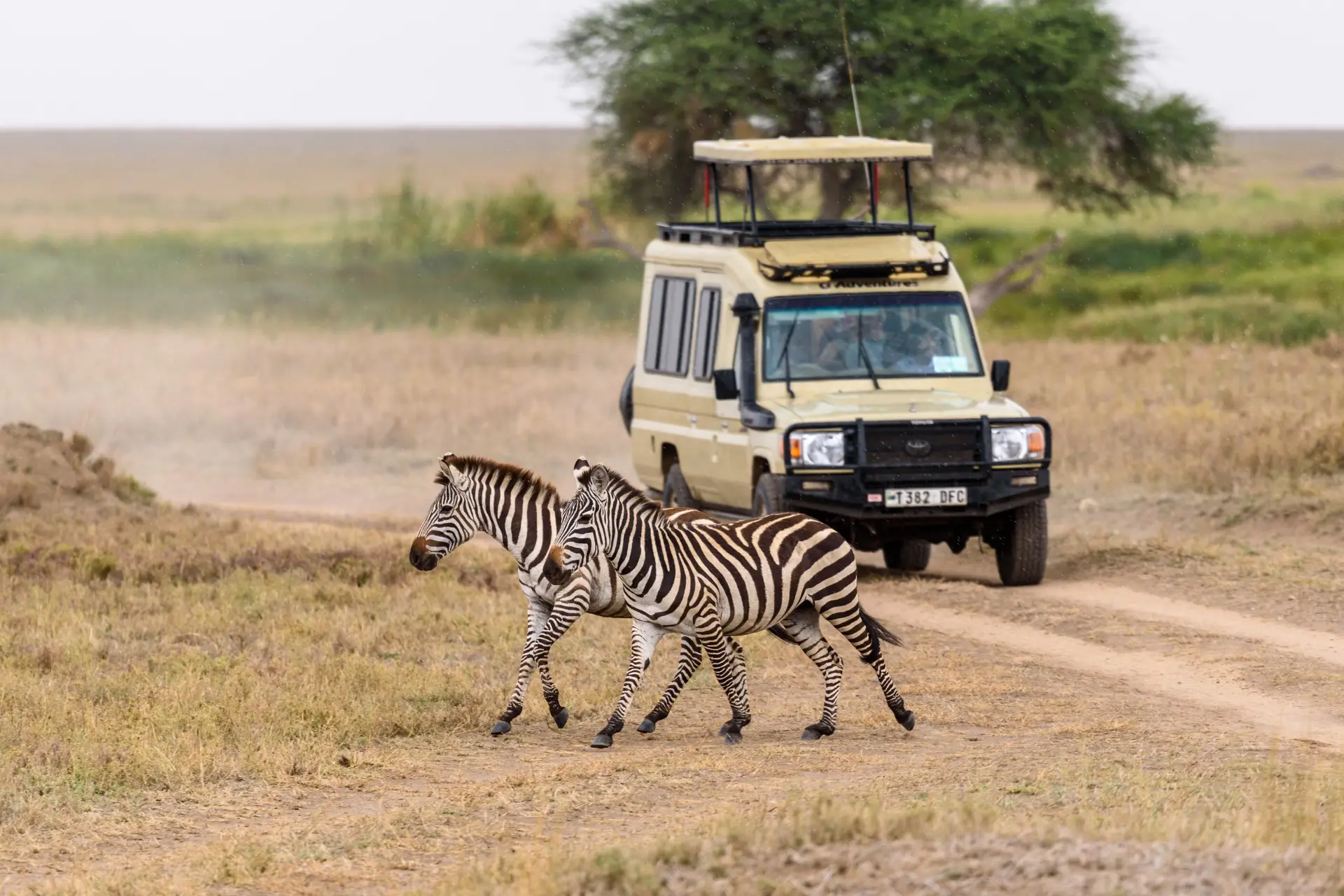
| Transport | Private 4×4 safari vehicle with a pop-up roof |
| Accommodation | Mid-range, luxury or customized |
| Physical level | Easy to moderate |
| Suitable for | Birdwatchers, photographers, couples and private groups |
| Best time | Throughout the year |
Highlights of the 10 Days Birdwatching Tanzania Safari
- Explore five distinctive birding environments
- Search for endemic and regionally restricted birds
- Watch flamingos, pelicans and other waterbirds when conditions are suitable
- Look for eagles, vultures, falcons and other raptors
- Explore the forests and lakes of Arusha National Park
- Observe dry-country birds in Tarangire National Park
- Visit Lake Manyara’s forest, woodland and wetland habitats
- Birdwatch around the Ngorongoro highlands and crater
- Spend several days exploring the Serengeti plains
- Enjoy slow and flexible private game drives
- Photograph birds and larger African wildlife
- Travel with a knowledgeable local guide
Detailed 10 Days Birdwatching Tanzania Itinerary
Day 1: Arrival at Kilimanjaro International Airport
Upon arrival at Kilimanjaro International Airport, a representative from Gowitos Safaris and Holidays will welcome you and transfer you to your hotel in Arusha.
Depending on your arrival time, you may begin birdwatching in the hotel garden. Common urban and garden birds can provide an enjoyable introduction to Tanzania’s birdlife.
Later, you will meet your guide for a safari briefing. You can discuss your target species, photography preferences and any previous birding experience.
Guests who maintain a personal checklist are encouraged to share it with the guide before departure.
Accommodation: Hotel or lodge in Arusha
Meals: According to your hotel plan
Day 2: Arusha National Park Birdwatching
After breakfast, drive to Arusha National Park for your first full birding experience.
The park contains montane forest, open grassland, crater habitats and the Momella Lakes. This variety makes it an excellent beginning to the 10 Days Birdwatching Tanzania Safari.
Possible sightings include:
- Hartlaub’s turaco
- Silvery-cheeked hornbill
- Crowned eagle
- African fish eagle
- Narina trogon
- White-fronted bee-eater
- Cinnamon-chested bee-eater
- African olive pigeon
- Grey-crowned crane
- Southern red bishop
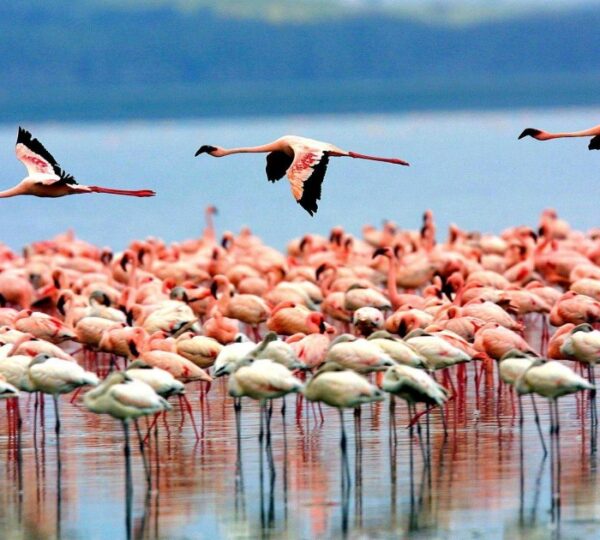
The Momella Lakes can attract flamingos, ducks, herons, egrets and other waterbirds when water and feeding conditions are favorable.
Arusha National Park also supports giraffes, buffaloes, zebras, bushbucks, warthogs, blue monkeys and black-and-white colobus monkeys.
After a picnic lunch and afternoon birding, return to Arusha for dinner and an overnight stay.
Accommodation: Hotel or lodge in Arusha
Meals: Breakfast, lunch and dinner
Day 3: Arusha to Tarangire National Park
After breakfast, travel to Tarangire National Park.
Tarangire contains baobab woodland, acacia habitats, seasonal marshes, grasslands and the Tarangire River. These environments support an impressive variety of birds. Tanzania National Parks identifies Tarangire as one of East Africa’s leading birding parks, with more than 550 recorded species.
Possible sightings include:
- Kori bustard
- Northern white-crowned shrike
- Yellow-collared lovebird
- Red-and-yellow barbet
- Von der Decken’s hornbill
- White-headed buffalo-weaver
- Ashy starling
- African grey hornbill
- Lilac-breasted roller
- Pygmy falcon
You may also see ostriches, secretary birds, eagles and vultures across the open areas.
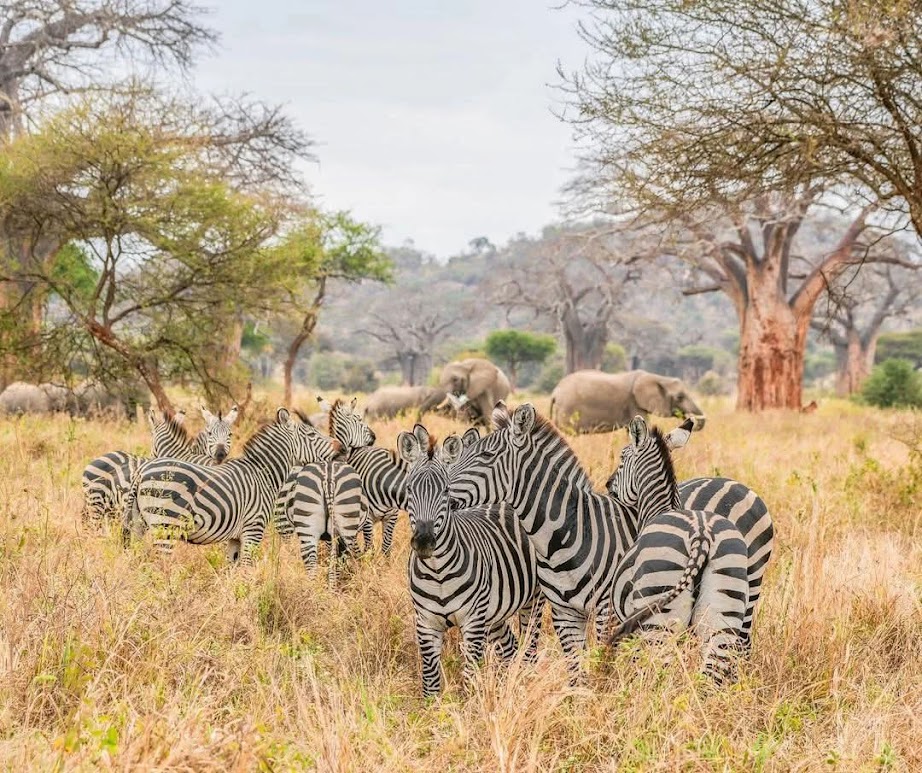
Tarangire is equally rewarding for larger wildlife. Elephants, giraffes, zebras, buffaloes, wildebeest and impalas may be observed during the game drive.
Accommodation: Lodge or tented camp in or near Tarangire
Meals: Breakfast, lunch and dinner
Day 4: Full-Day Tarangire Birdwatching
Begin early to take advantage of cooler temperatures and increased morning bird activity.
Your guide will explore different sections of Tarangire while stopping frequently for bird identification and photography. The route may follow the river, woodland areas or seasonal marshes according to current conditions.
Raptors may include:
- Bateleur
- Tawny eagle
- Martial eagle
- African hawk-eagle
- Augur buzzard
- Pygmy falcon
- Lappet-faced vulture
- White-backed vulture
Wet areas may attract storks, herons, egrets, kingfishers and lapwings. Dry woodland and grassland provide suitable habitats for hornbills, barbets, weavers, starlings, coursers and bustards.
Bird sightings vary with rainfall, habitat conditions and migration patterns. Your guide will help distinguish similar species using plumage, calls, habitat and behavior.
Return to your accommodation after the afternoon birding session.
Accommodation: Lodge or tented camp in or near Tarangire
Meals: Breakfast, lunch and dinner
Day 5: Tarangire to Lake Manyara National Park
After breakfast, travel to Lake Manyara National Park for a full day of birdwatching.
The park lies beneath the Great Rift Valley escarpment and contains groundwater forest, acacia woodland, wetlands and lakeshore habitats. TANAPA notes that its lake and marshes support flamingos and abundant waterbirds, although their numbers change with seasonal conditions.
Possible birds include:
- Silvery-cheeked hornbill
- Crowned hornbill
- African fish eagle
- Great white pelican
- Pink-backed pelican
- African spoonbill
- Southern ground hornbill
- Grey-headed kingfisher
- Pied kingfisher
- Little bee-eater
- White-browed robin-chat
- Crested guineafowl
Flamingo sightings depend on lake levels, food availability and seasonal movement. They should not be considered guaranteed.
The park also supports elephants, giraffes, buffaloes, hippos, baboons and blue monkeys. Tree-climbing lions are associated with Lake Manyara, but finding them requires luck.
After the game drive, continue to your lodge in Karatu.
Accommodation: Lodge in Karatu
Meals: Breakfast, lunch and dinner
Day 6: Ngorongoro Highlands and Crater Birdwatching
After an early breakfast, travel to the Ngorongoro Conservation Area and descend into the crater.
The crater contains grassland, marshes, woodland and a seasonal soda lake. These habitats support resident birds and seasonal visitors. The official conservation-area information highlights the mixture of forest, grassland, lakes and marshes as important bird habitats.
Possible species include:
- Grey-crowned crane
- Kori bustard
- Black-winged lapwing
- White stork
- Yellow-billed stork
- Saddle-billed stork
- Sacred ibis
- African spoonbill
- Black kite
- Augur buzzard
- Hildebrandt’s starling
- Rosy-throated longclaw
Lesser and greater flamingos may appear on the crater lake when conditions are favorable.
The crater also provides opportunities to see lions, elephants, buffaloes, hippos, wildebeest, zebras and spotted hyenas. Black rhinoceroses inhabit the conservation area, although sightings are not guaranteed.
After the crater visit, ascend to your accommodation near the crater rim or in Karatu.
Accommodation: Lodge near Ngorongoro or in Karatu
Meals: Breakfast, lunch and dinner
Day 7: Ngorongoro to Serengeti National Park
After breakfast, begin the journey toward Serengeti National Park.
Birdwatching begins during the drive as the highland environment gives way to open plains, woodland and rocky kopjes.
Possible sightings along the route include:
- Rufous-tailed weaver
- Fischer’s lovebird
- Superb starling
- Secretary bird
- Southern ground hornbill
- Grey-breasted spurfowl
- Crowned lapwing
- Black-headed heron
- White-bellied bustard
- Temminck’s courser
After entering the Serengeti, you will continue birding through the afternoon. The open plains are particularly suitable for observing bustards, coursers, lapwings, larks and birds of prey.
You will reach your lodge or tented camp before sunset.
Accommodation: Lodge or tented camp in Serengeti National Park
Meals: Breakfast, lunch and dinner
Day 8: Full-Day Serengeti Birdwatching
Today is dedicated to birdwatching in the Central Serengeti.
The Seronera region contains grassland, acacia woodland, seasonal pools, riverine habitats and rocky kopjes. This combination supports both open-country and woodland species.
Possible birds include:
- Fischer’s lovebird
- Rufous-tailed weaver
- Grey-breasted spurfowl
- Usambiro barbet
- Red-throated tit
- Bare-faced go-away-bird
- Magpie shrike
- Black-lored babbler
- Lilac-breasted roller
- Woodland kingfisher
- Bateleur
- Martial eagle
The Serengeti is also an important destination for vultures. Your guide may look for white-backed, lappet-faced, hooded and Rüppell’s vultures where conditions are suitable.
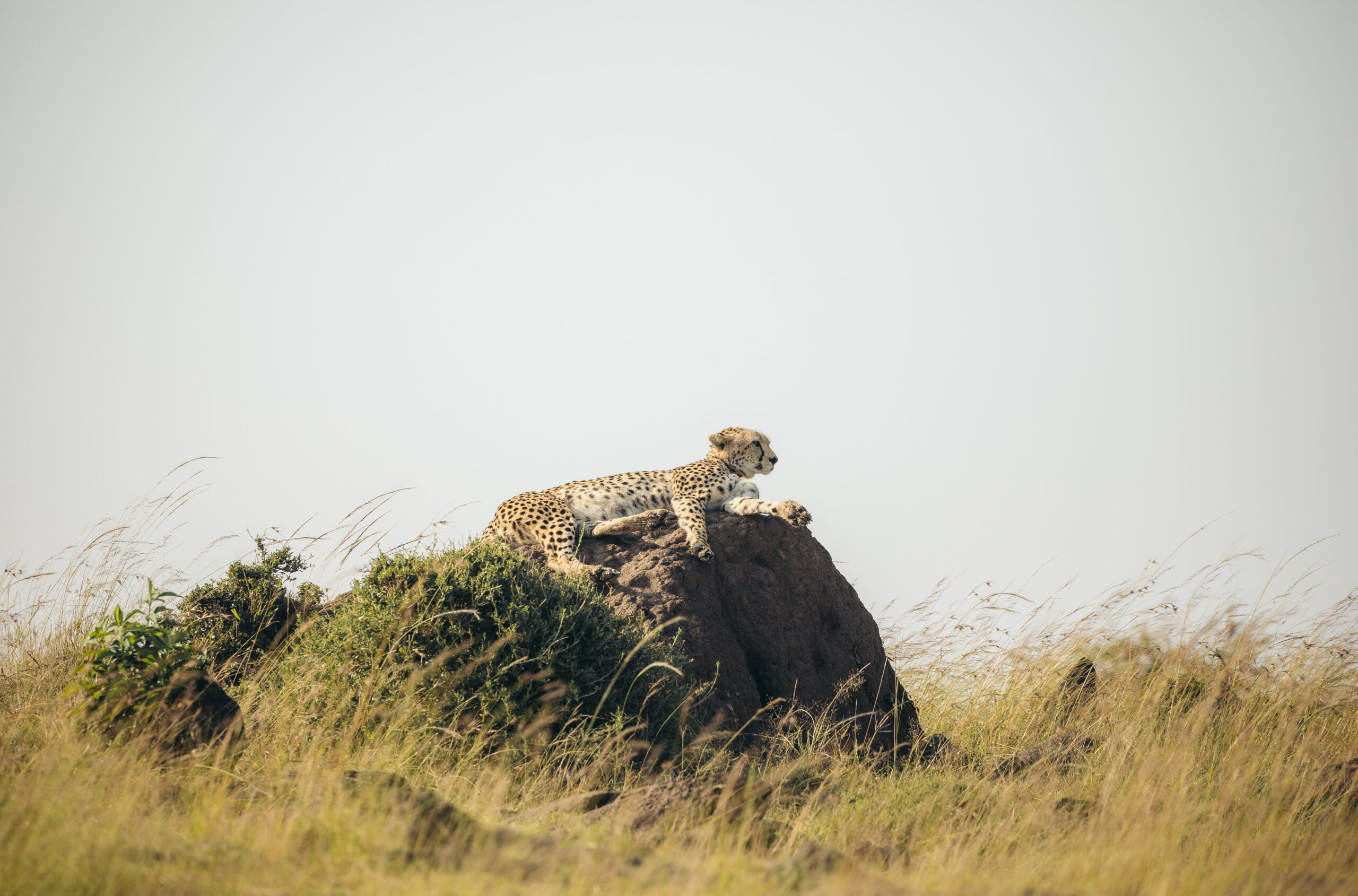
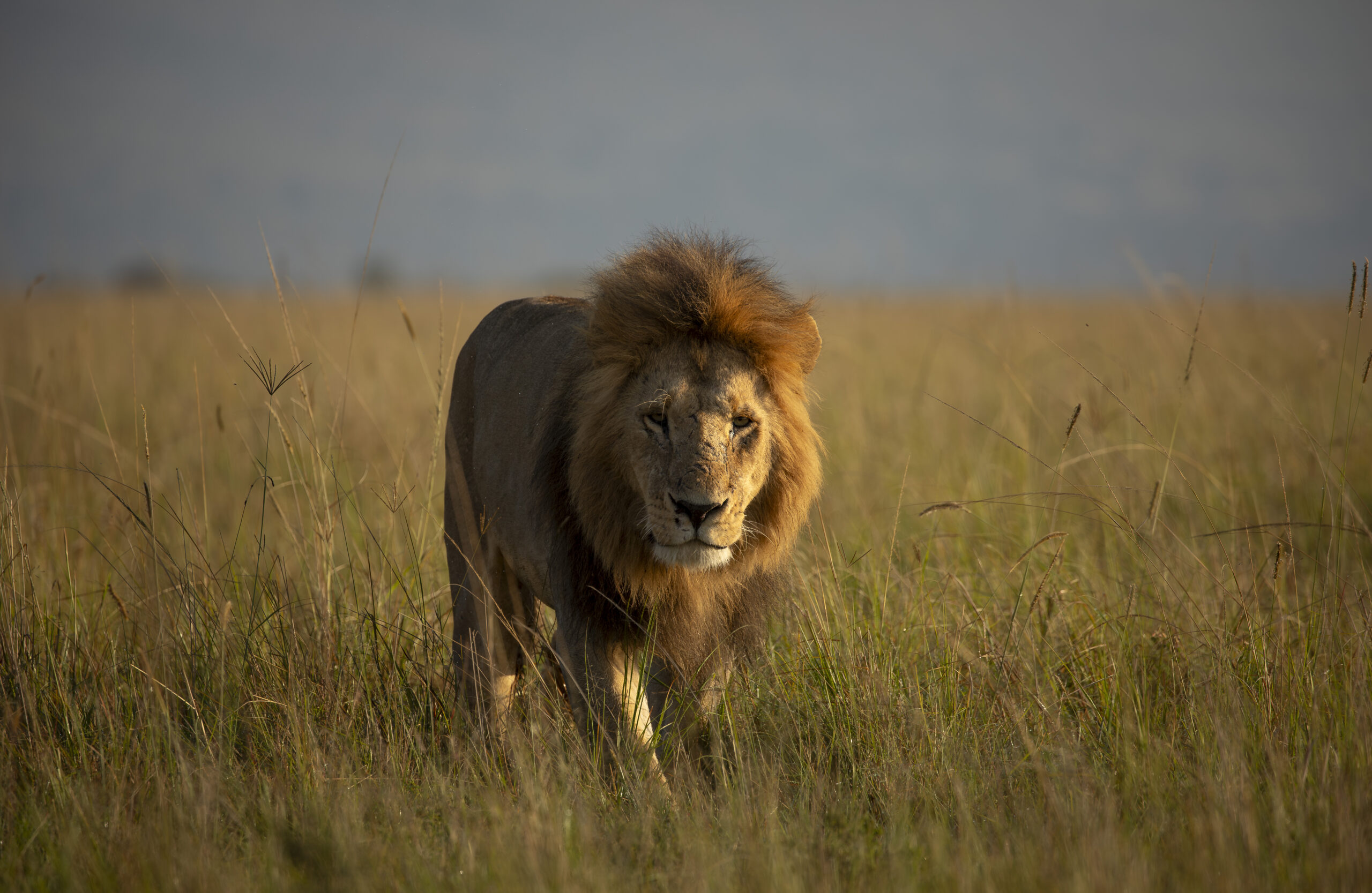
While birding, you may encounter lions, leopards, cheetahs, elephants, giraffes, buffaloes and large herbivore herds.
You can return to camp for lunch or carry a picnic meal for uninterrupted exploration.
Accommodation: Lodge or tented camp in Serengeti National Park
Meals: Breakfast, lunch and dinner
Day 9: Second Full Day in Serengeti National Park
A second full day provides time to revisit productive birding locations and search for species missed on the previous game drive.
Your guide may explore river valleys, open plains, acacia woodland or kopjes depending on your target list and recent sightings.
Morning birding can be productive because many species are calling and feeding. During the hotter hours, you may concentrate on water sources, shaded woodland and raptor activity.
The day may produce sunbirds, weavers, starlings, larks, pipits, shrikes, hornbills, barbets and birds of prey. Migratory species are more likely during certain months.
An optional hot-air-balloon safari can be arranged in advance, although it is not specifically designed for bird identification. Learn more about Hot Air Balloon Flights.
Return to the camp for your final night in the Serengeti.
Accommodation: Lodge or tented camp in Serengeti National Park
Meals: Breakfast, lunch and dinner
Day 10: Serengeti to Arusha or Departure
After breakfast, enjoy a final birding session as you leave the Serengeti.
Depending on your confirmed travel arrangements, you may return to Arusha by road or take a scheduled domestic flight from a Serengeti airstrip. A road transfer allows additional birding along the route, while a flight reduces travel time.
Upon arrival in Arusha, you will be transferred to your hotel or Kilimanjaro International Airport.
A day room or additional overnight stay can be arranged if required.
Accommodation: Not included unless requested
Meals: Breakfast and lunch
Birding Habitats Covered
The 10 Days Birdwatching Tanzania Safari explores several contrasting habitats.
Montane Forest
Arusha National Park and the Ngorongoro highlands provide opportunities to search for forest birds, turacos, hornbills, pigeons, robins and raptors.
Acacia and Baobab Woodland
Tarangire’s woodland supports lovebirds, barbets, hornbills, starlings, weavers and birds of prey.
Lakes and Wetlands
The Momella Lakes, Lake Manyara, Tarangire’s seasonal marshes and Ngorongoro’s wetlands may attract flamingos, pelicans, storks, herons, ducks, rails and kingfishers.
Open Grasslands
The Serengeti and Ngorongoro plains provide habitats for bustards, secretary birds, coursers, lapwings, larks and large raptors.
Rocky Kopjes
Serengeti kopjes provide perching and nesting areas for several birds while also attracting reptiles and mammals.
Best Time for Birdwatching in Tanzania
Birdwatching is rewarding throughout the year, but each season offers different advantages.
November to April
This period is excellent for bird diversity because Palearctic and intra-African migrants may be present. Many resident species also display breeding plumage and become more active after seasonal rains.
Landscapes are generally greener, although rain can affect roads and daily schedules.
May to October
The drier months often provide comfortable travel conditions and easier wildlife viewing. Resident bird species remain present, although some seasonal migrants may have departed.
June to October is also a popular safari period, so early accommodation reservations are advisable.
Possible Birding Specialties
Depending on the season and route, the tour may provide opportunities to search for:
- Grey-breasted spurfowl
- Rufous-tailed weaver
- Fischer’s lovebird
- Yellow-collared lovebird
- Ashy starling
- Hildebrandt’s starling
- Usambiro barbet
- Red-and-yellow barbet
- Rosy-throated longclaw
- Grey-headed silverbill
- Northern pied babbler
- Pygmy falcon
- Silvery-cheeked hornbill
No species can be guaranteed. Distribution, rainfall, breeding activity and daily weather influence sightings.
Is a Specialist Birding Guide Included?
A guide experienced in bird identification can be requested for the entire itinerary. This should be confirmed at the time of booking because specialist guides are subject to availability.
The guide can assist with:
- Visual identification
- Recognition of bird calls
- Finding productive habitats
- Maintaining a daily checklist
- Photography positioning
- Distinguishing similar species
- Understanding bird behavior
Serious birdwatchers should provide a target-species list before arrival so the route can be refined.
Birdwatching and Photography
This tour can be adapted for photographers by reducing daily driving distances and allowing more time at selected sightings.
Bring a suitable telephoto lens, spare batteries, memory cards and protective equipment for dust. A beanbag can help stabilize the camera on the vehicle window or roof opening.
Flash photography should be avoided around sensitive birds, nests and nocturnal species.
Responsible Birdwatching
Responsible birding protects wildlife and improves the experience for future visitors.
Guests should:
- Maintain a respectful distance from birds
- Avoid disturbing nests
- Keep noise low around feeding and breeding sites
- Avoid using recorded calls excessively
- Never handle eggs, chicks or wild birds
- Remain on authorized roads and trails
- Follow all park regulations
- Avoid leaving litter
- Respect other vehicles and birdwatchers
Playback should only be used carefully and must never cause prolonged stress to birds.
What Is Included?
- Airport pickup on arrival
- Private 4×4 safari vehicle with a pop-up roof
- Professional English-speaking safari guide
- Specialist birding guide when confirmed
- National park and conservation-area fees
- Ngorongoro Crater service fee
- Nine nights of accommodation
- Meals specified in the itinerary
- Bottled drinking water during game drives
- Birdwatching and game drives described
- Hotel and airport transfers
- Government taxes related to included services
What Is Not Included?
- International and domestic flights
- Tanzania visa
- Travel and medical insurance
- Alcoholic and soft drinks
- Tips for guides and accommodation staff
- Laundry services
- Personal birding equipment
- Binoculars unless specifically arranged
- Optional hot-air-balloon safari
- Personal expenses
- Additional accommodation
- Services not listed under the inclusions
What to Pack
Recommended items include:
- Binoculars
- Regional bird guidebook or birding application
- Notebook and pencil
- Personal bird checklist
- Camera with telephoto lens
- Spare batteries and memory cards
- Neutral-colored clothing
- Comfortable closed shoes
- Warm jacket or fleece
- Sun hat and sunglasses
- Sunscreen
- Insect repellent
- Light rain jacket
- Personal medication
- Small day bag
- Reusable water bottle
- Power bank or charging equipment
Read our detailed Safari Packing Guide before traveling.
Optional Extensions
The itinerary can be extended with:
- Mount Meru foothill birding
- Additional Serengeti nights
- Lake Natron birdwatching
- Lake Eyasi visit
- Mkomazi National Park
- Ruaha National Park
- Udzungwa National Park
- Mikumi National Park
- Zanzibar Island birding and beach holiday
Why Book With Gowitos Safaris and Holidays?
Gowitos Safaris and Holidays organizes private wildlife safaris, specialist tours, Kilimanjaro trekking and Zanzibar holidays.
Booking with us provides:
- A personalized birdwatching itinerary
- Knowledgeable local guides
- Private safari transportation
- Flexible birding stops
- Carefully selected accommodation
- Honest information about possible sightings
- Responsible wildlife-viewing practices
- Support throughout your journey
Discover more Tanzania experiences through Gowitos Safaris and Holidays.
Frequently Asked Questions
Is Tanzania good for birdwatching?
Yes. Tanzania’s forests, wetlands, lakes, grasslands, mountains and coastal habitats support a remarkable variety of resident and migratory birds.
What is the best month for birdwatching?
November to April is particularly rewarding for migrants and breeding plumage. However, resident birds can be observed throughout the year.
Is a birding guide included?
A specialist guide can be included when requested and confirmed. Book early because experienced birding guides may have limited availability.
Are binoculars provided?
Guests should preferably bring their own binoculars. Rental binoculars may be available when requested in advance but cannot be guaranteed.
Are specific birds guaranteed?
No. Birds move naturally, and sightings depend on habitat, weather, season and luck.
Can beginners join the safari?
Yes. The guide can explain identification methods and help beginners understand plumage, calls, habitat and bird behavior.
Is this safari suitable for photographers?
Yes. Private game drives allow more time for photography. The itinerary can be adjusted for serious bird photographers.
Will we also see large wildlife?
Yes. The route offers opportunities to see elephants, lions, giraffes, buffaloes, zebras, wildebeest, hippos and other mammals.
Can the tour be customized around a target list?
Yes. Send us your target-species list before arrival, and we will adjust the route where reasonably possible.
Is the tour private?
Yes. The standard package can be operated privately for your group.
Can children join?
Yes, although the slow pace and long observation periods may be better suited to older children with an interest in nature.
Can vegetarian meals be arranged?
Yes. Dietary requirements can normally be accommodated when communicated before arrival.
Can I book for 2027, 2028 or 2029?
Yes. Reservations are available for 2027, 2028 and 2029. Final prices depend on group size, accommodation category, guide requirements and park fees.
Book Your 10 Days Birdwatching Tanzania Safari
Explore Tanzania’s forests, wetlands, grasslands and highlands while searching for colorful residents, seasonal migrants, waterbirds and powerful raptors.
Gowitos Safaris and Holidays will customize your birding itinerary according to your target species, travel dates, accommodation preference and photography requirements.
Website: Gowitos Safaris and Holidays
WhatsApp: +255 769 100 815
Email: info@gowitossafarisandholidays.com
Contact us for availability and pricing for the 10 Days Birdwatching Tanzania Safari in 2027, 2028 or 2029.