The Best Ngorongoro Crater Day Tour 2027, 2028 & 2029 offers a full day of wildlife viewing inside one of Tanzania’s most remarkable natural areas. Starting early from Arusha, you will travel through the northern Tanzanian countryside before descending approximately 600 metres into the Ngorongoro Crater.
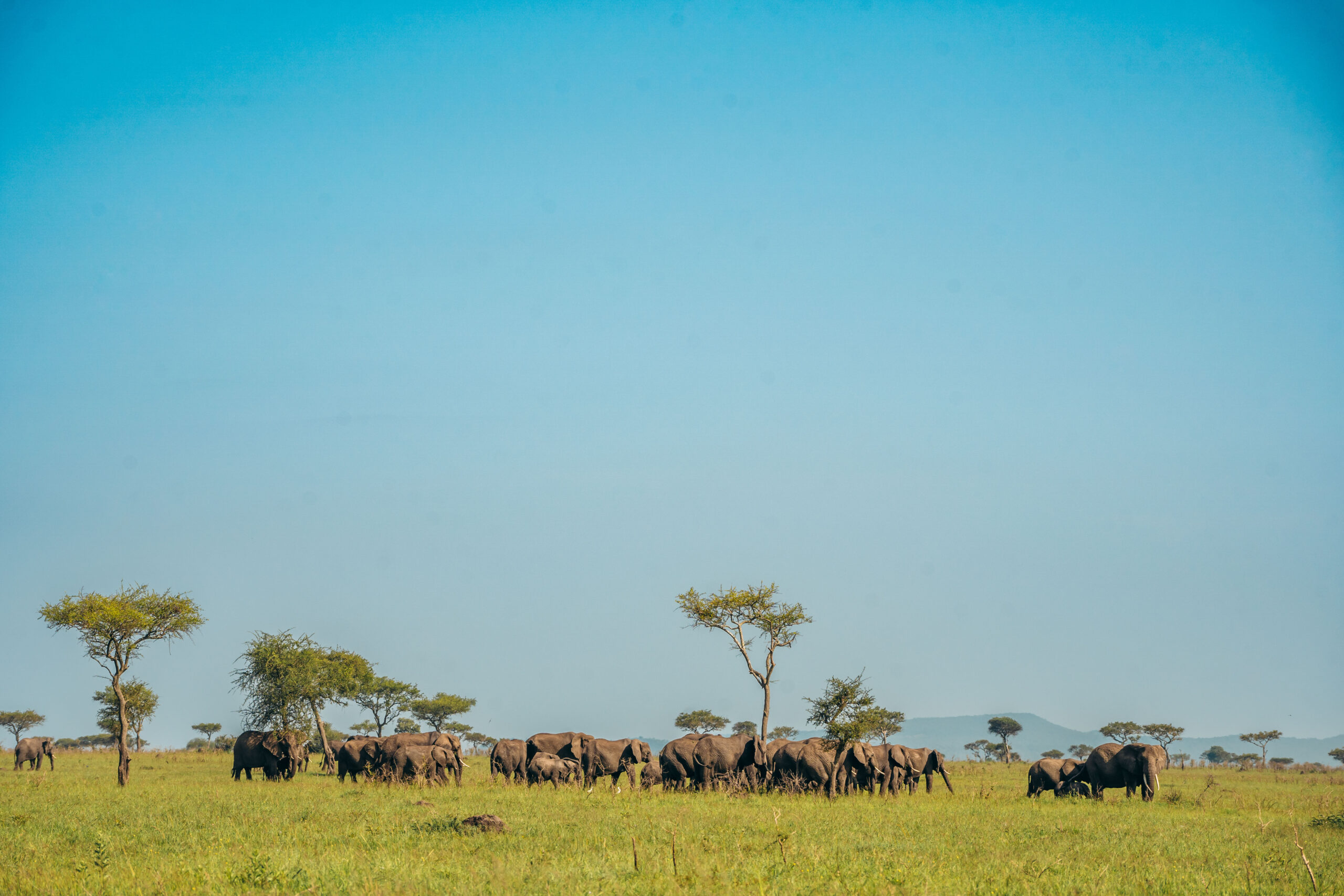
The crater floor supports lions, elephants, buffaloes, zebras, wildebeests, hippos, hyenas and numerous bird species. It is also one of the places in northern Tanzania where visitors may have an opportunity to see the endangered black rhinoceros, although no wildlife sighting can be guaranteed.
This day tour is suitable for travellers with limited time, visitors staying in Arusha and guests who want to add a wildlife experience before or after a Kilimanjaro climb or Zanzibar holiday.
Gowitos Safaris & Holidays arranges private transportation, park fees, crater service fees, lunch, drinking water and the services of a professional safari driver-guide.
Ngorongoro Crater Day Tour Overview
The Ngorongoro Crater Day Tour begins before sunrise because the journey from Arusha to the Ngorongoro Conservation Area takes several hours.
Your driver-guide will collect you from your hotel and travel through towns, farming communities and the Great Rift Valley region towards Karatu. From Karatu, the road climbs into the forested Ngorongoro highlands.
After completing the entrance procedures, you will continue to the crater rim and descend to the floor for a game drive. A picnic lunch will be served at a designated location inside the crater.
The tour returns to Arusha in the late afternoon, with arrival expected in the evening. This is a long but rewarding day combining road travel, scenery and approximately four to six hours of wildlife viewing.
Day Tour at a Glance
| Detail |
Information |
| Destination |
Ngorongoro Crater |
| Starting point |
Arusha |
| Tour duration |
Full day |
| Departure time |
Early morning |
| Main activity |
Guided crater game drive |
| Transport |
Private four-wheel-drive safari vehicle |
| Meals |
Picnic lunch |
| Suitable for |
Couples, families, solo travellers and private groups |
| Return point |
Arusha |
| Accommodation |
Not included |
Ngorongoro Day Tour Highlights
- Descend approximately 600 metres into the Ngorongoro Crater
- Explore the world’s largest intact volcanic caldera
- Search for lions, elephants, buffaloes and black rhinoceroses
- Observe zebras, wildebeests, gazelles and spotted hyenas
- Visit different habitats within the crater
- Enjoy a picnic lunch in a designated area
- Photograph wildlife against the crater walls
- Travel with a professional Tanzanian safari driver-guide
- Use a four-wheel-drive safari vehicle with a viewing roof
- Begin and finish the tour in Arusha
Detailed Ngorongoro Crater Day Tour Itinerary
Early-Morning Pickup from Arusha
Your Best Ngorongoro Crater Day Tour 2027, 2028 & 2029 begins early in the morning. Your Gowitos Safaris & Holidays driver-guide will collect you from your hotel or another agreed location in Arusha.
An early departure is essential because Ngorongoro is located several hours from the city. The exact pickup time will be confirmed according to your hotel location, expected traffic and current park entry procedures.
After introductions and a short briefing, you will leave Arusha and travel west towards the Great Rift Valley region.
The journey passes through small towns, agricultural land and rural communities. Early-morning road conditions may allow for a relatively smooth journey, although travel time depends on traffic, weather and road works.
Your guide will provide information about the day’s schedule and the areas passed along the route.
Journey Through Mto wa Mbu and Karatu
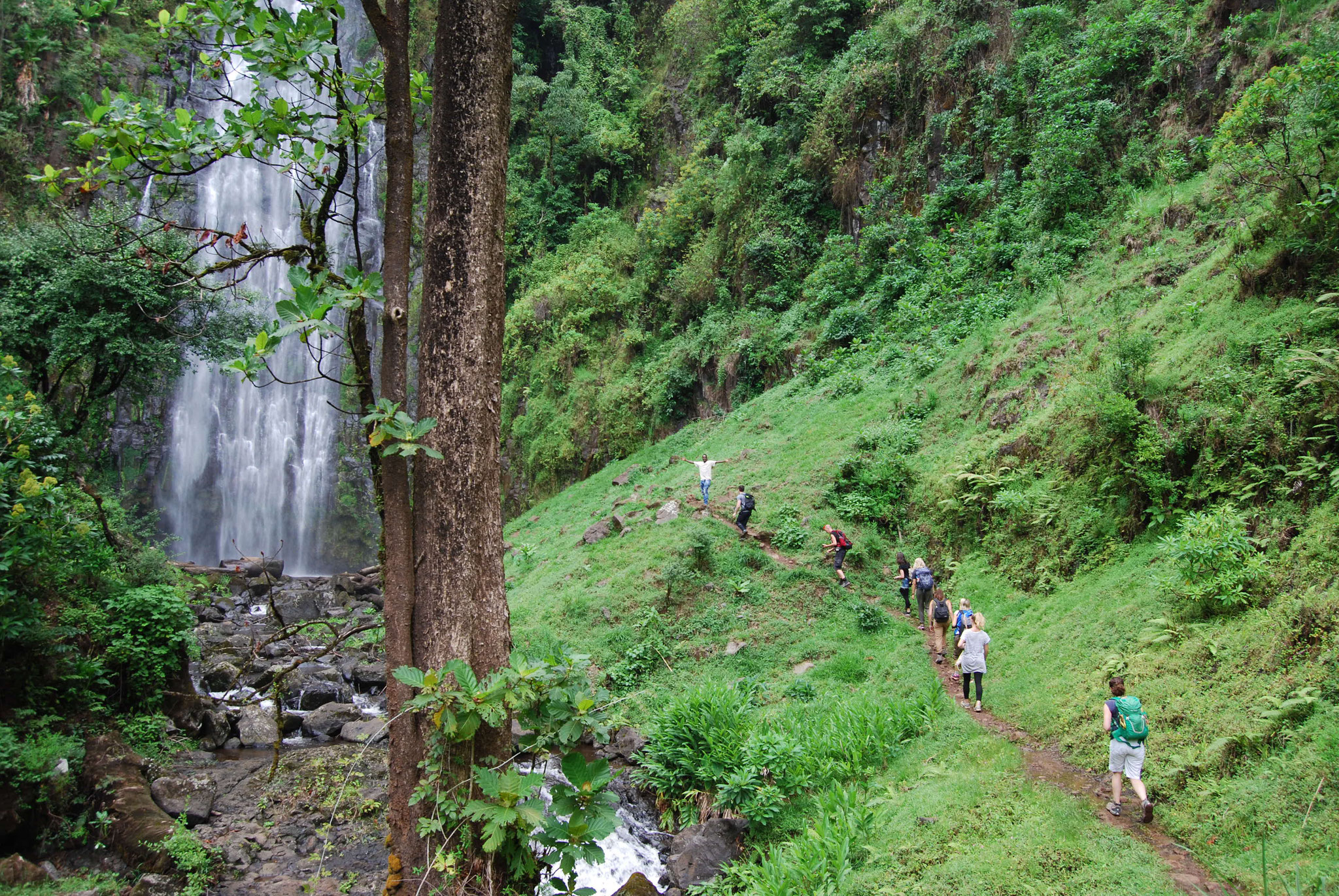
You will travel through or near Mto wa Mbu, a busy town located close to Lake Manyara National Park. The surrounding landscape includes banana farms, cultivated fields and the steep escarpment of the Great Rift Valley.
The road then climbs towards Karatu, a highland town surrounded by farms and coffee-growing areas.
Karatu serves as an important access point for visitors travelling to Ngorongoro and the Serengeti. Depending on the schedule, you may stop briefly for a washroom break or refreshment.
From Karatu, the road continues uphill towards the Ngorongoro Conservation Area entrance.
Entering the Ngorongoro Conservation Area
Your guide will complete the necessary registration and entry procedures at the conservation area gate.
The road then passes through dense highland forest. This environment differs considerably from the open crater floor and provides habitat for elephants, buffaloes, monkeys and forest birds.
Wildlife may occasionally be observed along the road, but sightings in the forest are unpredictable.
Temperatures around the crater rim can be cold, particularly during the early morning. Mist and cloud may reduce visibility before conditions improve later in the day.
When the weather permits, you may stop at a crater viewpoint. From the rim, the crater floor spreads below, surrounded by steep walls that rise several hundred metres.
Descending into the Ngorongoro Crater
Your safari vehicle will descend approximately 600 metres along the designated access road.
The descent provides changing views of the crater floor, open grasslands, woodland and lake areas. Once you reach the bottom, your guide will open the viewing roof where conditions and regulations permit.
The Ngorongoro Crater covers approximately 260 square kilometres. Its floor contains several habitats, including:
- Open grassland
- Acacia woodland
- Freshwater springs
- Seasonal wetlands
- Hippo pools
- Soda lake
- River channels
This variety of habitats supports a considerable concentration of wildlife throughout the year.
Morning Wildlife Game Drive
Your Ngorongoro Crater Day Tour continues with a guided game drive across the crater floor.
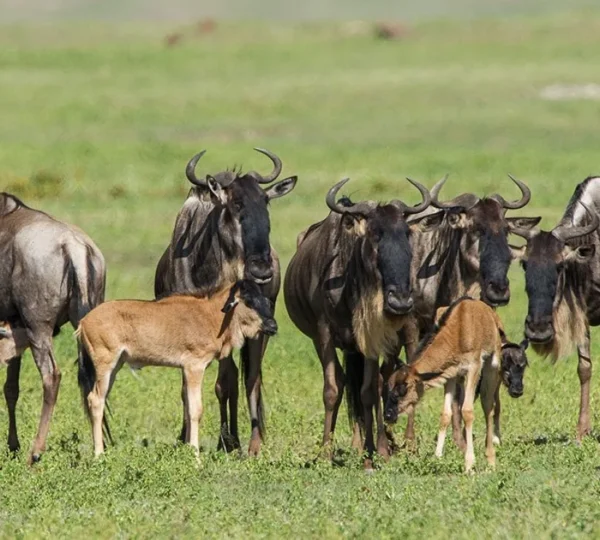
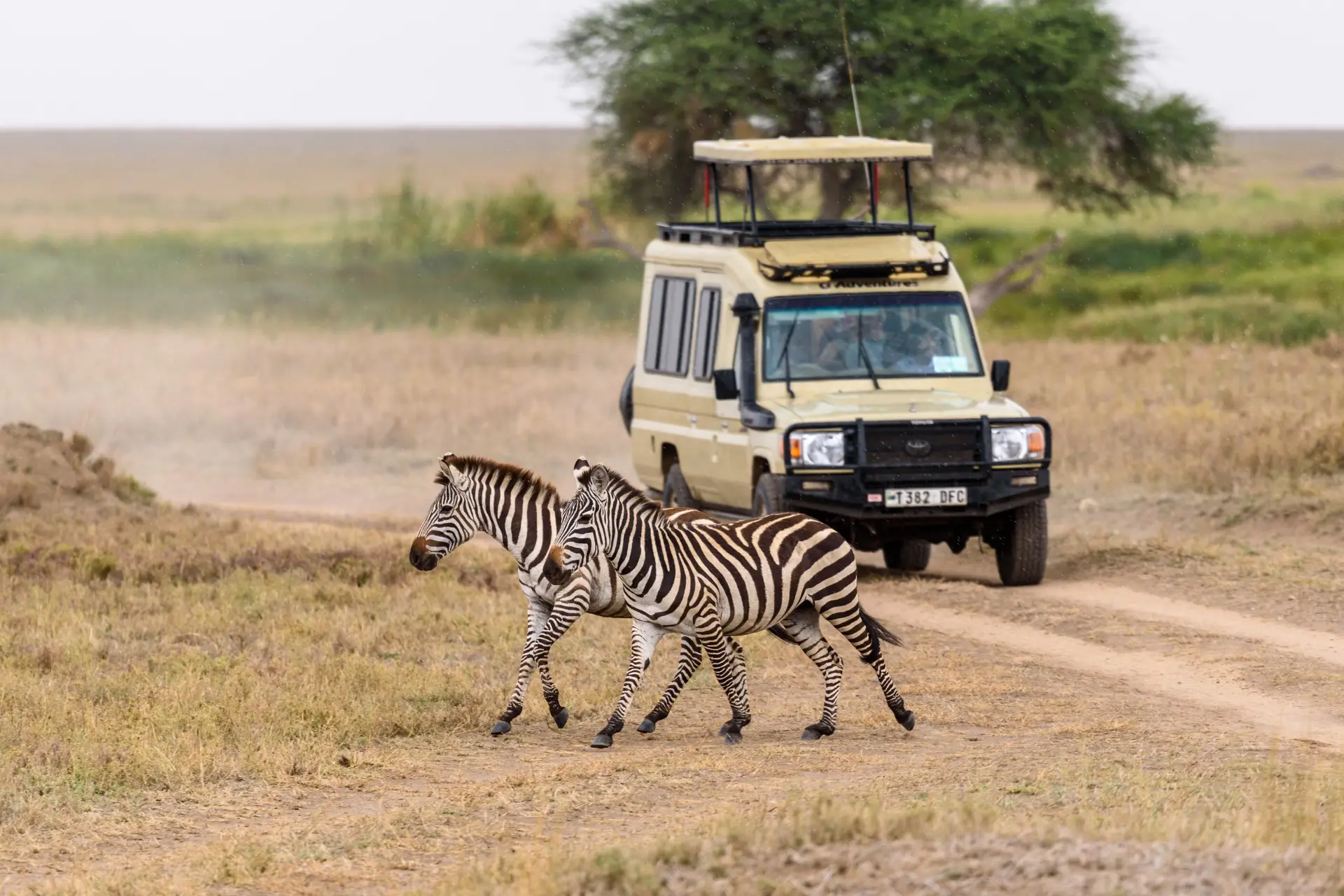
Large herds of zebras and wildebeests are commonly found in the open areas. Grant’s and Thomson’s gazelles may also be seen feeding across the grassland.
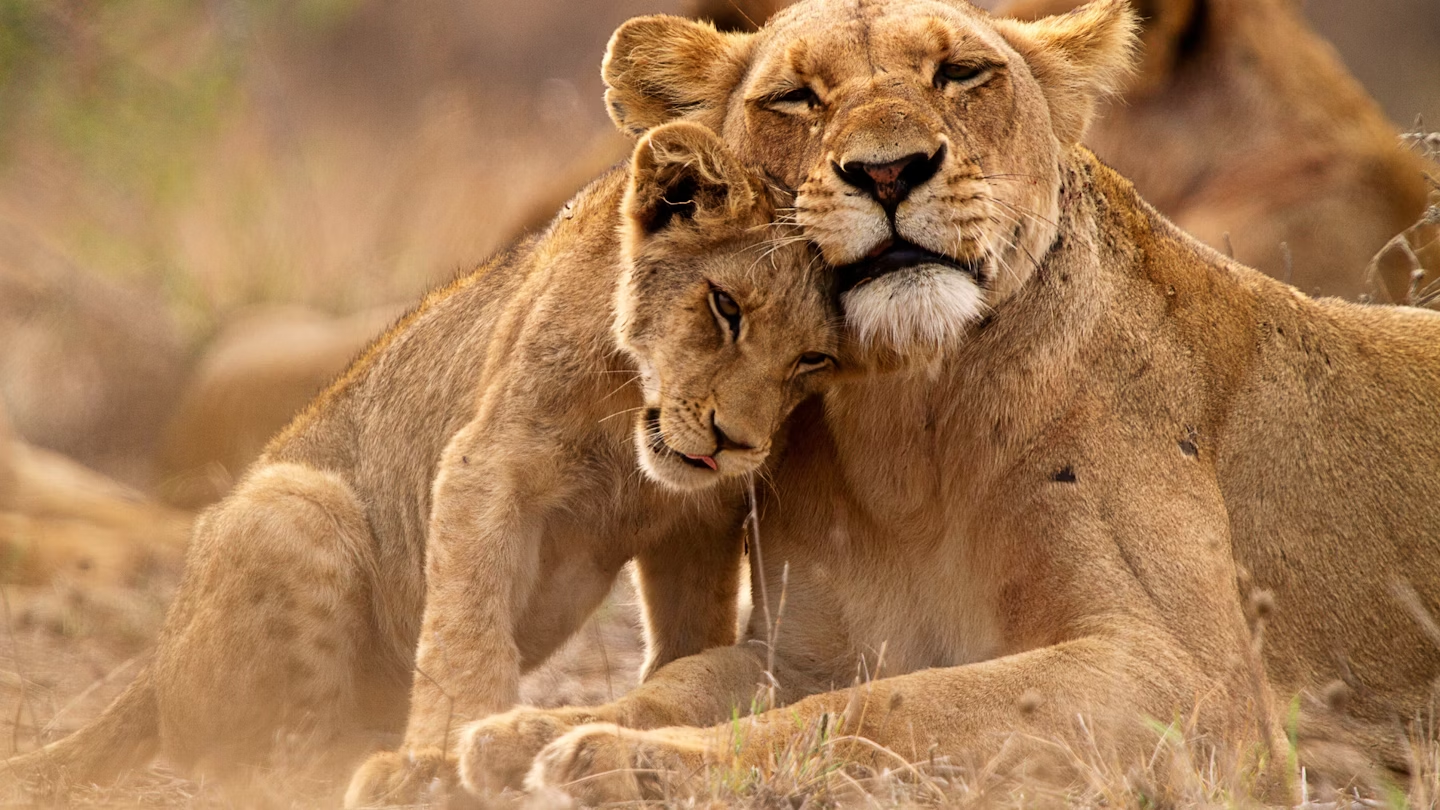
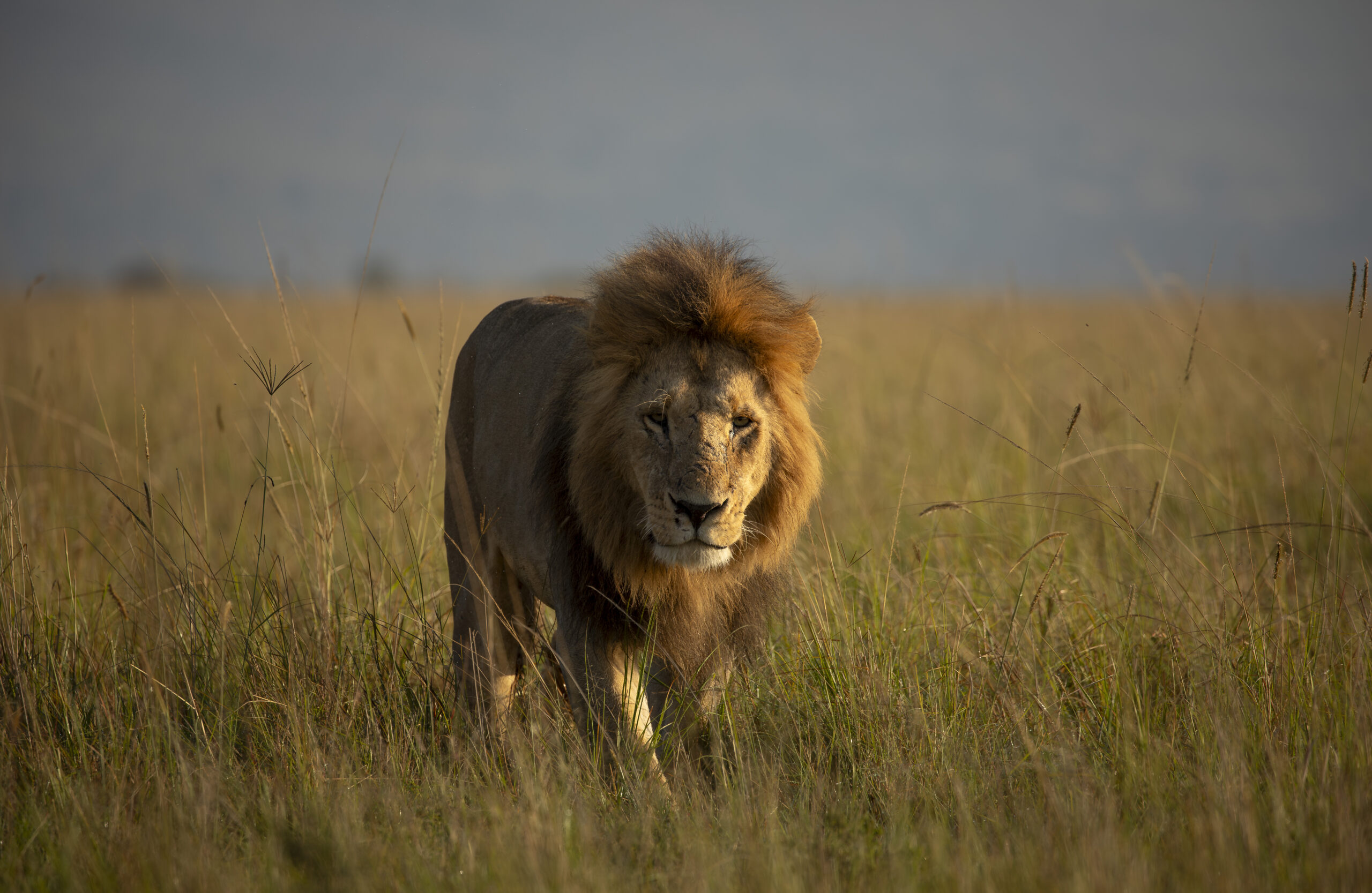
Lions live within the crater and may be observed resting, walking through the grass or watching grazing animals. Spotted hyenas are also common and play an important role as both hunters and scavengers.
Buffaloes are found in several parts of the crater, while older male elephants may appear around the Lerai Forest and other wooded sections.
The crater is one of Tanzania’s important habitats for the endangered black rhinoceros. These animals may be difficult to locate and are often seen at a distance. A sighting cannot be promised.
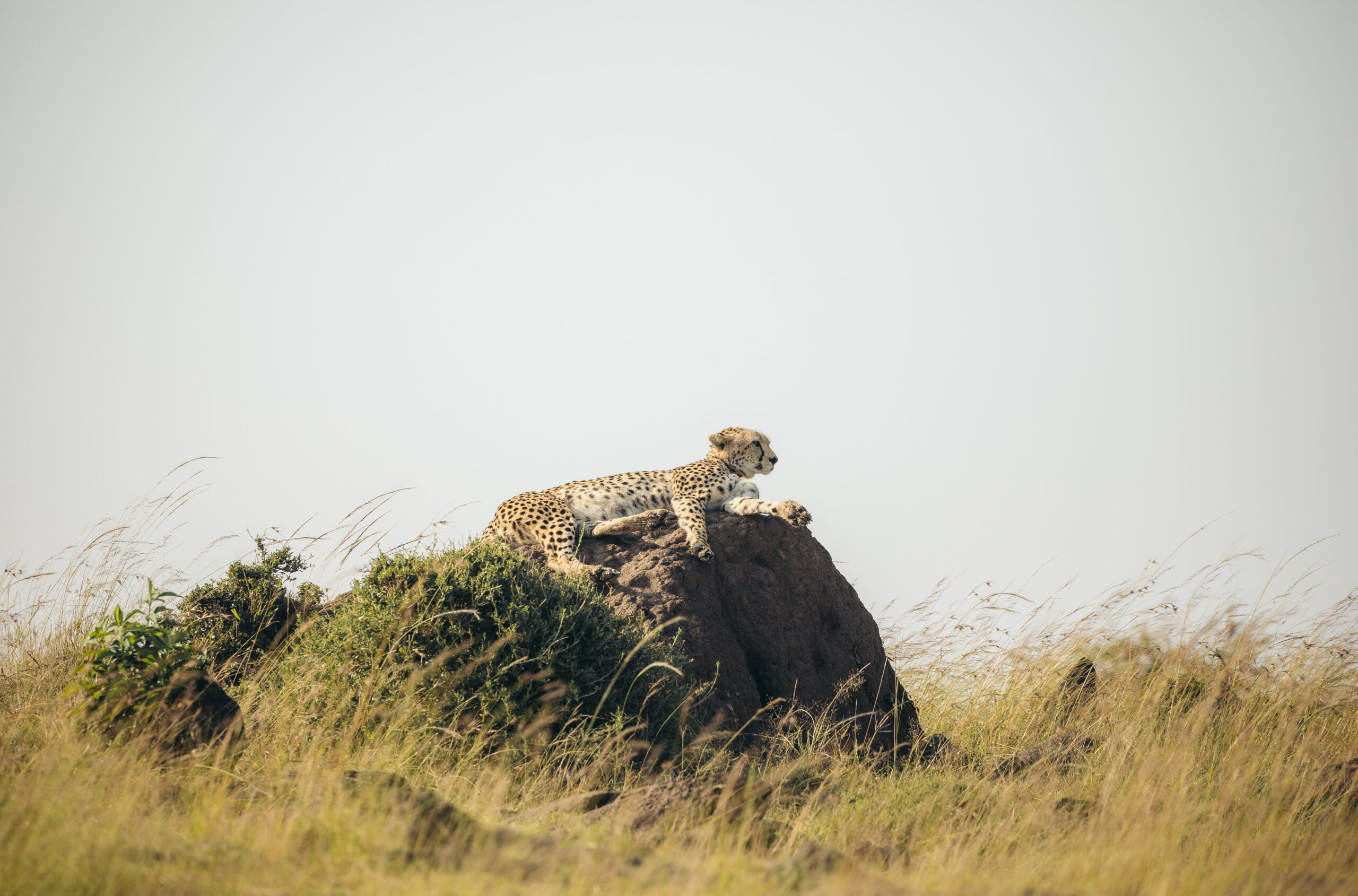
Leopards live in the wider conservation area but are not commonly observed on every crater visit. Cheetahs may also appear in suitable open areas, although sightings are unpredictable.
Your driver-guide will select routes according to recent wildlife movements, road conditions and information shared by other professional guides.
Lerai Forest
The Lerai Forest is one of the crater’s distinctive habitats. Its acacia woodland provides shade, food and shelter for several animals.
Large male elephants are occasionally seen moving through the forest. Buffaloes, waterbucks and different birds may also be found in this area.
Dense vegetation can make wildlife more difficult to photograph than on the open grassland, but it creates a contrasting environment within the crater.
Vehicles must remain on designated roads. Your guide will position the vehicle safely without disturbing animals or damaging the habitat.
Lake Magadi
Lake Magadi is a shallow soda lake located on the crater floor. Its water level and appearance change according to rainfall and seasonal conditions.
Flamingos may gather around the lake when water and feeding conditions are suitable. Other waterbirds, including storks, plovers and different waders, may also be present.
The open surroundings offer excellent opportunities for landscape photography, particularly when animals move between the grassland and lake.
Hippo Pool and Picnic Lunch
Around midday, you will stop at a designated picnic site for lunch. The exact location depends on park regulations, road conditions and the guide’s plan.
One commonly used area overlooks a pool where hippos may be observed in the water. Other wildlife can also move through the surrounding area.
You must follow your driver-guide’s safety instructions at all times. Animals living around picnic sites remain wild, and food should never be offered to them.
After lunch, you will have a short time to rest before continuing the afternoon game drive.
Afternoon Crater Game Drive
The afternoon section gives you another opportunity to explore the crater and look for species not seen during the morning.
Wildlife activity changes with temperature, weather and animal movements. Lions may remain in the shade during warmer periods, while grazing animals continue moving across the plains.
Your guide may explore different sections of the crater based on available time. The game drive must finish within the permitted crater access period.
Wildlife viewing is never identical from one day to another. The experience depends on natural animal behaviour rather than a fixed schedule.
Ascent to the Crater Rim
After completing the game drive, you will begin ascending from the crater floor.
The road climbs steeply through changing vegetation before reaching the rim. Weather conditions at the top may differ considerably from those below.
If time and visibility permit, your guide may stop briefly at a suitable viewpoint before beginning the journey back to Arusha.
Return Journey to Arusha
You will travel through Karatu, Mto wa Mbu and the surrounding countryside before reaching Arusha.
Arrival is expected in the evening, although the exact time depends on traffic, weather, road conditions and park procedures.
Your driver-guide will drop you off at your hotel or another agreed location within Arusha. This marks the end of your Best Ngorongoro Crater Day Tour 2027, 2028 & 2029.
Wildlife You May See
The Ngorongoro Crater supports many animal and bird species. Possible sightings include:
- Lions
- African elephants
- Cape buffaloes
- Black rhinoceroses
- Spotted hyenas
- Wildebeests
- Zebras
- Thomson’s gazelles
- Grant’s gazelles
- Warthogs
- Hippos
- Jackals
- Waterbucks
- Elands
- Ostriches
- Flamingos
- Crowned cranes
- Secretary birds
- Birds of prey
Wildlife sightings vary, and no responsible operator can guarantee a particular species.
Is the Ngorongoro Crater a National Park?
The crater is part of the Ngorongoro Conservation Area rather than a conventional national park.
The wider conservation area permits multiple land uses, including wildlife conservation, tourism and the residence of Maasai communities in designated locations.
Visitors should respect both the natural environment and the people living within the wider area. Photographs of residents should only be taken with permission.
Is a Day Tour from Arusha Worth It?
The Ngorongoro Crater Day Tour from Arusha is a long journey, but it can be worthwhile for travellers with limited time.
The tour is particularly suitable for:
- Business travellers with one available day
- Visitors before or after climbing Kilimanjaro
- Travellers continuing to Zanzibar
- Couples looking for a private safari
- Families staying in Arusha
- Guests unable to join a longer safari
- Wildlife photographers with limited time
- Conference participants with a free day
Travellers who prefer shorter driving hours should consider spending the previous night in Karatu. This allows earlier access to the crater and creates a more relaxed schedule.
Private Ngorongoro Crater Day Tour
This programme is normally arranged as a private day tour.
A private safari gives your party exclusive use of the vehicle and driver-guide. It allows the guide to focus on your preferred animals, photography interests and suitable rest stops.
The departure time can be adjusted within reasonable limits, but an early start remains necessary because of the distance from Arusha.
Group departures may sometimes be available, but they follow a fixed schedule and depend on confirmed participants.
Photography Tips
The crater’s open landscapes and high wildlife concentration provide excellent photography opportunities.
Useful tips include:
- Keep your camera ready before sightings
- Use a telephoto lens for animals at a distance
- Carry spare batteries and memory cards
- Protect equipment from dust
- Use a wide-angle lens for crater landscapes
- Avoid sudden movement around wildlife
- Listen to your driver-guide
- Do not pressure the guide to leave designated roads
- Avoid calling or making noises to attract animals
- Respect other vehicles at sightings
A beanbag or compact camera support is generally more practical than a large tripod inside a safari vehicle.
Best Time for a Ngorongoro Crater Day Tour
The Best Ngorongoro Crater Day Tour 2027, 2028 & 2029 can be arranged throughout the year.
January to March
This period normally brings warmer conditions and green scenery. The crater rim may receive rain, while the floor often remains open and productive for wildlife viewing.
April and May
The long rains create lush vegetation. Fewer visitors may be present, but roads can become wet and mist may reduce views from the rim.
June to October
These are generally the drier months. Wildlife viewing remains excellent, although mornings around the crater can be very cold.
November and December
Short rains refresh the landscape and attract migratory birds. Rain usually falls in periods rather than throughout every day, although conditions vary.
Planning Your Tour for 2027, 2028 or 2029
Travellers planning the Best Ngorongoro Crater Day Tour in 2027, 2028 or 2029 should book early, especially during July, August, September and the Christmas period.
Park entrance fees, crater service charges, transport costs, government taxes and lunch prices may change between travel years.
Gowitos Safaris & Holidays will prepare the quotation using the applicable rates for your selected date.
When requesting a quotation, provide:
- Preferred tour date
- Number of adults
- Number and ages of children
- Arusha hotel or pickup location
- Dietary requirements
- Photography interests
- Mobility considerations
- Airport or onward travel schedule
What to Wear and Carry
Temperatures can vary considerably between Arusha, the crater rim and the crater floor.
Recommended items include:
- Comfortable neutral-coloured clothing
- Warm jacket or fleece
- Closed walking shoes
- Sun hat
- Sunglasses
- Sunscreen
- Insect repellent
- Camera or smartphone
- Spare batteries
- Memory cards
- Binoculars
- Personal medication
- Passport or identification
- Small day bag
- Light waterproof jacket
Layered clothing is useful because mornings can be cold while the crater floor may become warmer later.
What Is Included?
- Pickup and drop-off within Arusha
- Private four-wheel-drive safari vehicle
- Professional English-speaking safari driver-guide
- Ngorongoro Conservation Area entrance fees
- Ngorongoro Crater service fee
- Scheduled crater game drive
- Picnic lunch
- Bottled drinking water
- Government taxes and applicable tourism charges
What Is Not Included?
- International and domestic flights
- Tanzania visa fees
- Travel and medical insurance
- Accommodation before or after the tour
- Airport transfers unless included
- Breakfast before departure unless arranged
- Alcoholic beverages and soft drinks
- Personal expenses
- Optional activities
- Tips for the driver-guide
- Items not specifically listed under inclusions
Responsible Crater Safari Guidelines
Visitors must follow all conservation-area regulations and the instructions of their driver-guide.
Vehicles should remain on designated roads, and animals must not be fed, surrounded or disturbed.
Keep noise low around wildlife and avoid calling animals to obtain photographs. Every sighting should be enjoyed from a safe and respectful distance.
Waste must remain inside the vehicle until it can be disposed of properly. These simple practices help protect the crater and improve the experience for other visitors.
Frequently Asked Questions
How long does it take to drive from Arusha to Ngorongoro?
The journey normally takes approximately three to four hours in each direction. Traffic, weather and road conditions can affect the travel time.
What time does the tour begin?
Pickup is normally scheduled very early in the morning. The exact time depends on your hotel location and current park procedures.
How long is the crater game drive?
The game drive generally lasts approximately four to six hours, subject to crater regulations, arrival time and road conditions.
Is the tour private?
The standard arrangement is a private safari. Group options may be available on selected dates.
Are the Big Five guaranteed?
No. Wildlife moves naturally, and no sighting can be guaranteed. The crater provides opportunities to see lions, elephants, buffaloes and black rhinoceroses. Leopards are possible but less commonly seen.
Will we see a black rhinoceros?
A sighting is possible, but it cannot be promised. Rhinoceroses may remain far from the road or in areas that are difficult to observe.
Can children join the tour?
Yes. Families can join, although parents should consider the long driving hours. Provide each child’s age when requesting a quotation.
Is lunch included?
Yes. A picnic lunch is included unless the confirmed quotation states otherwise.
Are toilet facilities available?
Basic toilet facilities are available at designated locations. Your driver-guide will explain the planned stops.
Can we start from Karatu?
Yes. Starting from Karatu reduces driving time and allows earlier access to the crater. The quotation will be adjusted according to the pickup location.
Can the tour start from Zanzibar?
A same-day connection may be possible with an early flight, but flight schedules and transfer times must be checked carefully. An overnight stay in Arusha or Karatu is usually more practical.
Can dietary requirements be accommodated?
Most common dietary requirements can be arranged with advance notice. Communicate allergies and restrictions before the tour.
Do I need travel insurance?
Travel insurance is strongly recommended. It should cover medical treatment, cancellation, delays and personal belongings.
Why Book with Gowitos Safaris & Holidays?
Gowitos Safaris & Holidays is a locally based Tanzanian company arranging wildlife safaris, Kilimanjaro climbs, day trips and Zanzibar holidays.
The team plans the Ngorongoro day tour around realistic driving times and current conservation-area procedures. Guests receive clear information about the departure time, included services and expected schedule before confirmation.
Your professional driver-guide will help you understand the crater’s wildlife, geology and habitats while following responsible viewing practices.
Book the Best Ngorongoro Crater Day Tour
The Best Ngorongoro Crater Day Tour 2027, 2028 & 2029 provides a rewarding wildlife experience for travellers with one available day in northern Tanzania.
To receive an accurate quotation, provide your preferred date, number of travellers, children’s ages, pickup location and dietary requirements.
Contact Gowitos Safaris & Holidays to plan your Ngorongoro Crater safari.
WhatsApp: +255 769 100 815
Email: info@gowitossafarisandholidays.com