

Walking Safari in Tanzania: 7 Amazing Wilderness Experiences
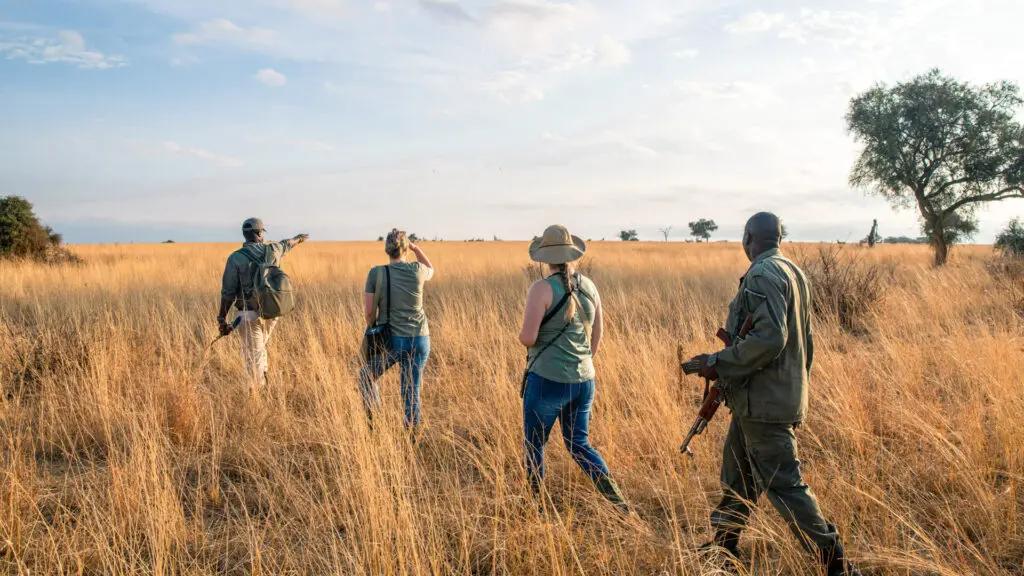
A Walking Safari in Tanzania is one of the most exciting ways to discover Africa’s wilderness. Instead of exploring only from a safari vehicle, you step into nature on foot with an authorised guide or ranger, experiencing the sights, sounds and details of the African bush at a slower pace.
Tanzania offers remarkable landscapes for walking adventures, from open savannah and acacia woodland to riverbanks, forests, volcanic highlands and scenic crater trails. Along the way, you can learn to identify animal footprints, discover native plants, observe birds and understand how different species interact within their natural habitats.
At Gowitos Safaris and Holidays, we help travellers arrange walking experiences in selected destinations across Tanzania. Whether you want a short guided nature walk or a longer wilderness adventure, we can help you plan an experience that complements your safari itinerary.
Why Choose a Walking Safari in Tanzania?
A walking safari provides a different perspective from a traditional game drive. It allows you to appreciate the smaller details of the wilderness that are sometimes overlooked when travelling by vehicle.
Here are some reasons to include a walking experience in your Tanzania holiday.
1. Experience Nature on Foot
Walking through the African bush allows you to connect with the environment through its sounds, scents and scenery. You may notice animal tracks, bird calls, insects, interesting plants and changes in the landscape.
2. Learn from Experienced Guides and Rangers
Your guide can explain animal behaviour, identify tracks and introduce you to different plant species. You will also learn about the relationships between wildlife, vegetation and the surrounding ecosystem.
3. Discover Wildlife from a Different Perspective
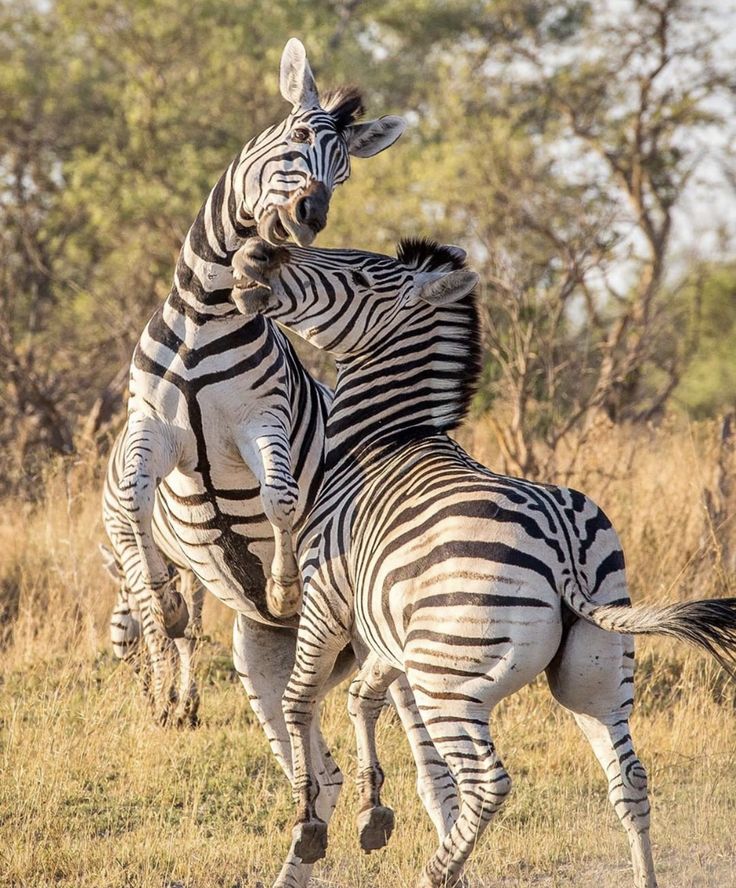
Depending on the location and conditions, you may observe giraffes, zebras, elephants, antelopes and numerous bird species. Walking safaris are not designed to approach dangerous wildlife closely. Your guide or ranger will maintain an appropriate distance and manage the route according to safety requirements.
4. Enjoy a More Personal Safari Experience
Walking activities are generally conducted in small groups, allowing visitors to enjoy the surroundings at a comfortable pace while learning directly from their guide.
5. Support Responsible Tourism
Guided walking experiences can support conservation and local employment when organised through authorised operators and protected-area authorities. Visitors are expected to respect wildlife, vegetation, local communities and park regulations.
Best Locations for a Walking Safari in Tanzania
Tanzania has several protected areas where guided walking activities are available. The exact routes, permits and arrangements depend on the destination.
1. Serengeti National Park
The famous Serengeti is known for its open plains, diverse wildlife and the Great Migration. Guided walking activities provide an opportunity to explore selected areas on foot and learn about the park’s natural environment.
The experience is different from a game drive, offering closer attention to tracks, plants, smaller wildlife and the details of the savannah ecosystem.
2. Nyerere National Park
Formerly associated with the Selous Game Reserve, Nyerere National Park offers an extensive wilderness landscape with river systems, woodland and open areas.
Guided walking safaris introduce visitors to the park’s natural habitats, wildlife tracks and vegetation. The Rufiji River ecosystem is also an important feature of this destination.
3. Tarangire National Park
Tarangire is famous for its large elephant herds, ancient baobab trees and seasonal wildlife concentrations.
A guided walking experience offers a closer look at the park’s vegetation, animal tracks and smaller natural features. Walking activities must be arranged with the authorised park authorities and accompanied by the required ranger.
4. Ngorongoro Conservation Area
The Ngorongoro Conservation Area offers some of Tanzania’s most beautiful walking landscapes. Visitors can explore selected highland areas, crater rims and scenic trails while enjoying views of volcanic landscapes and surrounding wildlife habitats.
Popular walking destinations include Empakaai Crater, Olmoti Crater and the Ngorongoro highlands.
Walking activities in the conservation area require advance arrangements and an armed ranger. Walking on the crater floor is not permitted.
5. Arusha National Park
Arusha National Park is an excellent destination for guided nature walks close to Arusha town. Its landscapes include forest, open grassland, crater scenery and the beautiful Momella Lakes.
Walking here provides opportunities to appreciate the natural environment at a slower pace, accompanied by an authorised ranger.
What to Expect on a Walking Safari
A typical walking safari begins with an early briefing from your guide or ranger. You will receive instructions about the route, safety procedures, wildlife behaviour and the expected duration of the walk.
During the activity, you may explore different natural environments, including:
- Open savannah and grasslands
- Acacia woodland and forest areas
- Riverbanks and natural water sources
- Scenic viewpoints and crater landscapes
- Areas rich in birdlife and smaller wildlife
Your guide may explain how to recognise animal footprints, identify plants, understand animal behaviour and interpret signs of wildlife activity.
The experience is not about covering long distances quickly. It is about observing, learning and appreciating the natural environment.
Walking Safari Safety in Tanzania
Safety is essential when exploring wildlife areas on foot. Unlike a vehicle-based game drive, a walking safari requires visitors to follow strict instructions from their authorised guide or ranger.
Important safety guidelines include:
- Always remain with your guide or ranger.
- Never approach, feed or attempt to touch wild animals.
- Follow the approved walking route.
- Maintain the distance instructed by your guide.
- Avoid loud noises and sudden movements.
- Wear comfortable walking shoes and neutral-coloured clothing.
- Carry sufficient drinking water and sun protection.
- Inform your guide about any mobility concerns before the walk.
Walking activities in national parks and conservation areas are subject to specific regulations. Always confirm the required permits, ranger arrangements and approved routes before booking.
Best Time for a Walking Safari in Tanzania
Walking safaris can be enjoyed at different times of the year, depending on the destination, weather and operating conditions.
June to October: The dry season is generally popular for wildlife viewing. Vegetation is often less dense in many areas, and animals may gather around available water sources.
November to December: The short rains can bring greener scenery and fresh vegetation. Some trails may become muddy depending on rainfall.
January to February: These months can offer pleasant conditions in several northern safari destinations, although weather and trail conditions vary.
March to May: The long rainy season brings lush landscapes, but some routes can become difficult to access. Confirm availability and conditions before travelling.
The best time ultimately depends on your preferred destination and the type of walking experience you want.
Walking Safari or Traditional Game Drive: Which Should You Choose?
Both activities offer excellent ways to experience Tanzania, but they provide different perspectives.
A traditional game drive is ideal for covering larger distances and searching for iconic wildlife such as lions, elephants, leopards and buffaloes.
A walking safari focuses more on the natural environment, animal tracks, vegetation, birdlife and smaller details that can easily be missed from a vehicle.
For a more varied holiday, consider combining both experiences in one itinerary.
Combine Your Walking Safari with a Tanzania Wildlife Adventure
A walking safari can be included in a tailor-made Tanzania holiday alongside traditional game drives and other activities.
For example, you can combine:
- A Serengeti safari with guided walking activities in an authorised area.
- A Tarangire wildlife safari with a nature walk.
- A Ngorongoro safari with a guided highland walk.
- An Arusha National Park visit with a walking experience.
- A Nyerere National Park safari with guided walks and other available activities.
Gowitos Safaris and Holidays is a Tanzania-owned local tour operator and destination management company based in Arusha. We arrange private and group safaris, tailor-made wildlife itineraries and holiday experiences across Tanzania.
Our Toyota Land Cruiser safari vehicles have pop-up roofs and accommodate a maximum of six guests, ensuring each guest has a window seat during game drives.
We offer camping, mid-range and luxury safari arrangements, depending on your travel preferences and budget.
Book Your Walking Safari in Tanzania with Gowitos Safaris and Holidays
Discover Tanzania beyond the traditional game drive with a guided walking safari. Explore beautiful landscapes, learn about wildlife and experience the African wilderness from a new perspective.
Contact Gowitos Safaris and Holidays to plan your walking safari and receive a personalised quotation.
WhatsApp: +255 769 100 815
Phone: +255 769 100 815
Email: info@gowitossafarisandholidays.com
Website: https://gowitossafarisandholidays.com/
Let us help you plan an unforgettable Tanzania safari experience.
