
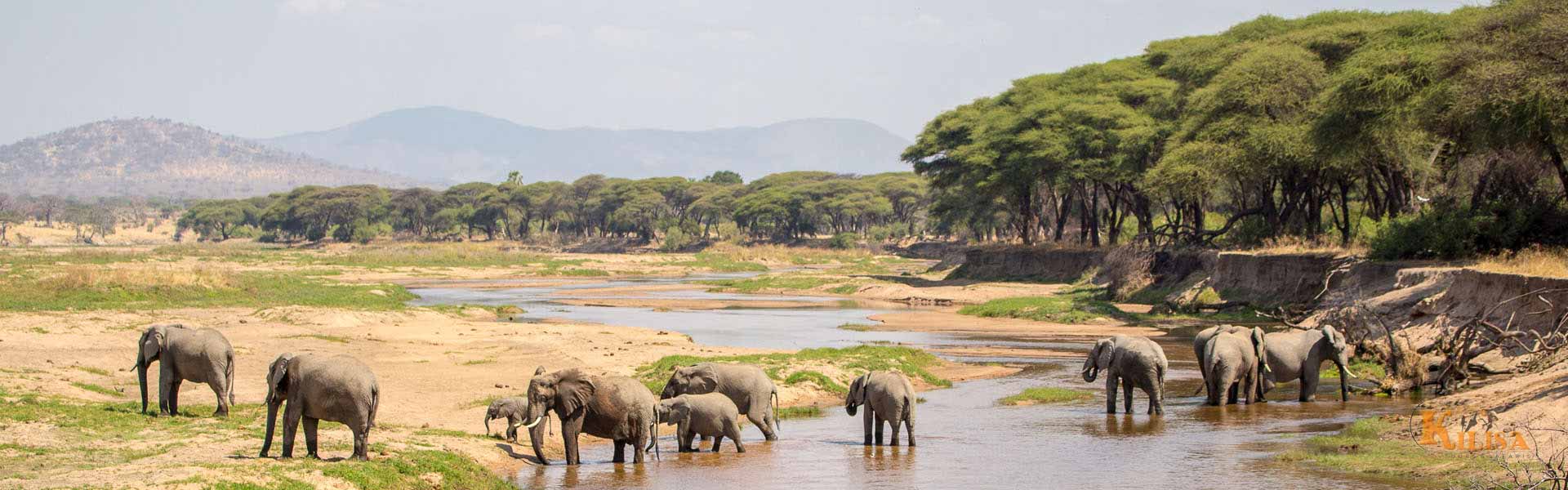
The top safari animals to see in Africa include powerful predators, enormous herbivores, rare primates and species known for complex social behavior. Lions and elephants may receive the most attention, but giraffes, wild dogs, hyenas and wildebeests can be equally fascinating when observed in their natural habitats.
Africa’s wildlife lives across many different environments, including open savannah, forest, wetlands, mountains and desert. No single national park contains every species, so choosing the right destination is important.
This guide introduces 15 remarkable animals and explains where travelers may see them during a Tanzania or wider African safari.
Quick Safari Animal Guide
| Animal | Strong destinations | Best viewing approach |
|---|---|---|
| Lion | Serengeti, Ngorongoro, Ruaha | Morning and late-afternoon drives |
| Leopard | Serengeti, Ruaha, South Luangwa | Riverine woodland and trees |
| Elephant | Tarangire, Nyerere, Chobe | Water sources and migration routes |
| Rhinoceros | Ngorongoro, Mkomazi, Kenya, South Africa | Protected habitats and open plains |
| Buffalo | Ngorongoro, Nyerere, Katavi | Grasslands and water sources |
| Cheetah | Serengeti, Ndutu, Maasai Mara | Open plains |
| Giraffe | Tarangire, Serengeti, Nyerere | Woodland and savannah |
| Wildebeest | Serengeti and Maasai Mara | Migration routes |
| Zebra | Serengeti, Tarangire, Ngorongoro | Open grasslands |
| Hippopotamus | Serengeti, Nyerere, Katavi | Rivers and pools |
| African wild dog | Nyerere, Ruaha, Botswana | Remote woodland and plains |
| Spotted hyena | Serengeti, Ngorongoro | Open plains |
| Gorilla | Uganda and Rwanda | Guided forest trekking |
| Chimpanzee | Mahale and Gombe | Guided forest trekking |
| Nile crocodile | Serengeti, Nyerere, Chobe | Rivers and wetlands |
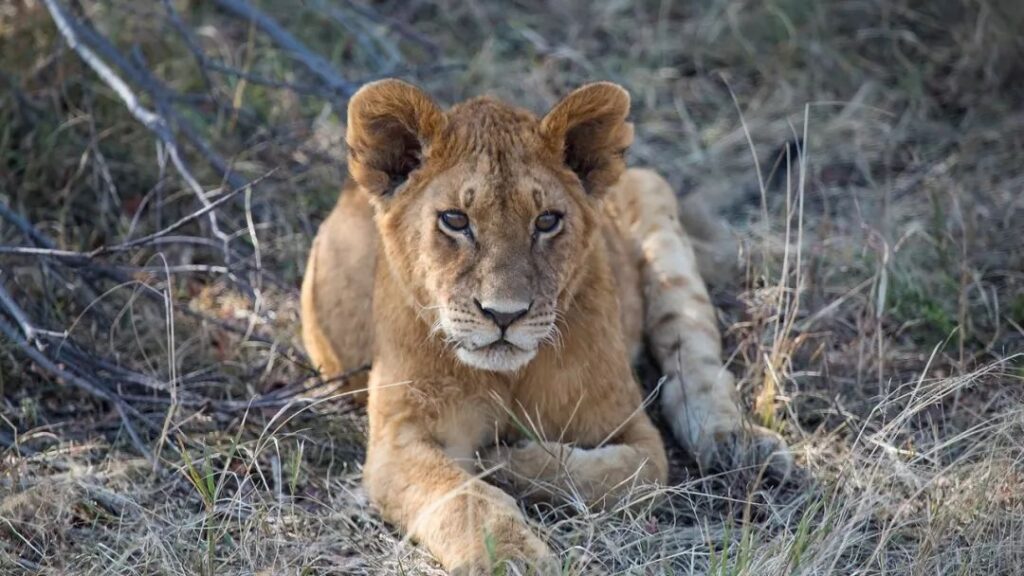
1. African Lion
The African lion is among the most desired safari sightings. Lions live in social groups known as prides, although pride size and structure vary.
A pride may include:
- Related adult females
- Cubs of different ages
- One or more adult males
- Younger animals learning to hunt
Lions spend much of the day resting. Early morning and late afternoon are generally productive times to see them active.
Where to see lions
Strong destinations include:
- Serengeti National Park
- Ngorongoro Conservation Area
- Ruaha National Park
- Nyerere National Park
- Maasai Mara
- Greater Kruger
TANAPA identifies Serengeti as an important habitat for lions and other large African carnivores.
2. African Leopard
Leopards are solitary and secretive. Their spotted coats provide excellent camouflage in grass, woodland and rocky habitats.
During the day, a leopard may rest:
- On a tree branch
- In dense bushes
- Along a riverbank
- Near rocky outcrops
- In shaded woodland
Leopards sometimes carry prey into trees, protecting it from lions, hyenas and other scavengers.
Where to see leopards
Possible destinations include:
- Central Serengeti
- Ruaha National Park
- Nyerere National Park
- South Luangwa
- Greater Kruger
- Maasai Mara
A leopard sighting requires patience. Guides often search for tracks, alarm calls and the behavior of nearby animals.
3. African Elephant
African elephants live in family groups generally led by an experienced female. Herd members communicate through vocalizations, touch and low-frequency sounds.
Elephants shape their environment by:
- Opening woodland
- Digging for water
- Spreading seeds
- Creating paths
- Modifying vegetation
Travelers should never pressure a guide to approach elephants too closely. Herds with young calves need extra space.
Where to see elephants
Excellent locations include:
- Tarangire National Park
- Nyerere National Park
- Ruaha National Park
- Chobe National Park
- Amboseli National Park
- Hwange National Park
Tarangire is particularly known for elephants and dry-season wildlife activity around the Tarangire River.
4. Black and White Rhinoceros
Africa has two rhinoceros species: black and white rhinos. Both are threatened by poaching and habitat loss.
Despite their names, the animals are not clearly distinguished by color. Their feeding behavior, mouth shape, habitat and body structure differ.
Where to see rhinos
Possible destinations include:
- Ngorongoro Crater
- Mkomazi National Park
- Selected Kenyan conservancies
- South African parks and reserves
- Namibia
- Zimbabwe
Black rhinos may be seen in Ngorongoro, but sightings are never guaranteed. Mkomazi is associated with Tanzania’s black-rhino conservation work.
Travelers should avoid publicly sharing precise locations of vulnerable rhinos.
5. African Buffalo
African buffaloes are powerful herd animals found in grassland, woodland and wetland environments.
Large herds may include females, calves and younger males. Older bulls sometimes form smaller groups or remain near reliable water and grazing areas.
Buffaloes deserve considerable space. They can react quickly when threatened and are among Africa’s most dangerous large mammals when approached incorrectly.
Where to see buffaloes
Good destinations include:
- Ngorongoro Crater
- Serengeti
- Nyerere
- Katavi
- Ruaha
- Kruger
- Chobe
Katavi can hold particularly large buffalo herds during the dry season as animals gather near remaining water.
What Are the Big Five?
The traditional Big Five are:
- Lion
- Leopard
- Elephant
- Rhinoceros
- African buffalo
The term originated during the hunting era and referred to five animals considered particularly difficult and dangerous to pursue on foot.
Today, the expression is mainly used for wildlife viewing and photography. A good safari should not be judged only by whether all five are seen. Tanzania also offers cheetahs, wild dogs, giraffes, hippos, primates and hundreds of bird species.
6. Cheetah
The cheetah is adapted for speed and performs best in open habitats where it can detect prey and accelerate rapidly.
Unlike lions and leopards, cheetahs often hunt during daylight. This can reduce direct competition with larger nocturnal predators.
Travelers may observe:
- A mother with cubs
- Male coalitions
- Cheetahs scanning from termite mounds
- Short high-speed hunts
- Individuals resting in open grass
Where to see cheetahs
Strong destinations include:
- Serengeti
- Ndutu
- Maasai Mara
- Namiri Plains
- Selected areas of Namibia and Botswana
Open plains in the southern and eastern Serengeti can provide suitable cheetah habitat.
7. Giraffe
Giraffes are the world’s tallest land animals. Their height helps them feed on leaves that are unavailable to most other herbivores.
A giraffe’s long neck also helps with vigilance across woodland and savannah.
Visitors may see:
- Females with calves
- Loose feeding groups
- Males testing strength through necking
- Giraffes drinking with widely spread legs
- Oxpeckers feeding on parasites
Where to see giraffes
Giraffes occur in many parks, including:
- Tarangire
- Serengeti
- Nyerere
- Arusha National Park
- Mikumi
- Ruaha
- Maasai Mara
The giraffe is Tanzania’s national animal.
8. Wildebeest
Wildebeests are central to one of Africa’s largest remaining land migrations.
Large herds move through the Serengeti–Mara ecosystem in response to:
- Rainfall
- Fresh grass
- Water
- Reproduction
- Seasonal conditions
Where to see wildebeests
The leading destinations are:
- Serengeti National Park
- Ndutu
- Ngorongoro Conservation Area
- Maasai Mara
A general migration pattern is:
- January–March: southern Serengeti and Ndutu
- April–May: central and western areas
- June–July: west and movement north
- July–October: northern Serengeti and Mara region
- November–December: movement south
The schedule is only a guide. River crossings are natural events and cannot be guaranteed.
9. Plains Zebra
Zebras commonly travel with wildebeests because the species use grasslands in complementary ways.
Their stripes may support individual recognition and can make it harder for predators to isolate one animal within a moving herd.
Zebras are highly social and communicate through sounds, facial expressions and body posture.
Where to see zebras
Common locations include:
- Serengeti
- Ngorongoro Crater
- Tarangire
- Lake Manyara
- Ruaha
- Maasai Mara
- Etosha
Zebra foals can stand and move relatively soon after birth, an important adaptation in predator-rich environments.
10. Hippopotamus
Hippos spend much of the day in rivers, lakes and pools, emerging mainly to graze.
Despite their heavy appearance, they can move quickly and are highly territorial in water. Visitors should never approach hippos on foot without an authorized guide and approved activity.
Where to see hippos
Good locations include:
- Serengeti hippo pools
- Ngorongoro Crater
- Nyerere and the Rufiji River
- Katavi
- Lake Manyara
- Chobe River
- South Luangwa
Nyerere’s river channels, lakes and floodplains support hippos, crocodiles, elephants, buffaloes and rich birdlife.
11. African Wild Dog
African wild dogs are among the continent’s most endangered carnivores. They live in organized packs and cooperate when hunting and raising young.
A pack may travel long distances, making sightings unpredictable.
Wild dogs communicate using:
- High-pitched calls
- Body movements
- Scent marking
- Social greetings
- Coordinated movement
Where to see African wild dogs
Possible destinations include:
- Nyerere National Park
- Ruaha National Park
- Mkomazi conservation areas
- Northern Botswana
- South Luangwa
- Zimbabwe
TANAPA identifies Nyerere and Ruaha as important habitats for wild dogs.
12. Spotted Hyena
Hyenas are often misunderstood as simple scavengers. Spotted hyenas are capable hunters with complex social systems.
Their clans are led by females, and individuals communicate through calls, scent and body posture.
Hyenas help maintain healthy ecosystems by:
- Hunting prey
- Consuming carcasses
- Recycling nutrients
- Competing with other predators
- Removing animal remains
Where to see spotted hyenas
Good destinations include:
- Serengeti
- Ngorongoro Crater
- Maasai Mara
- Ruaha
- Kruger
- Etosha
Their famous “laugh” represents several types of vocal communication rather than amusement.
13. Mountain Gorilla
Mountain gorillas live in forested mountain regions of Uganda, Rwanda and the Democratic Republic of the Congo.
Seeing them requires a regulated trek with trained guides and a valid permit.
Trekking may involve:
- Steep paths
- Dense vegetation
- Mud
- Rain
- Several hours of walking
- Strict viewing distances and behavior rules
Where to see mountain gorillas
The main tourism destinations are:
- Bwindi Impenetrable National Park, Uganda
- Mgahinga Gorilla National Park, Uganda
- Volcanoes National Park, Rwanda
Permits are limited and should be booked early. Health rules protect gorillas from diseases transmitted by humans.
14. Chimpanzee
Chimpanzees live in social communities and display complex communication, tool use and problem-solving behavior.
Tanzania offers outstanding forest-and-lake settings for chimpanzee trekking.
Where to see chimpanzees
Key destinations include:
- Mahale Mountains National Park
- Gombe Stream National Park
- Kibale National Park in Uganda
- Nyungwe National Park in Rwanda
Mahale Mountains National Park combines forest trekking with Lake Tanganyika’s beaches and mountain scenery.
Chimpanzee sightings depend on group movement, weather and forest conditions.
15. Nile Crocodile
Nile crocodiles inhabit rivers, lakes and wetlands across parts of Africa.
They are patient ambush predators and may spend long periods resting on riverbanks or remaining partly submerged.
During migration season, crocodiles may be observed in the Mara River. However, dramatic hunts do not occur on demand and should not be marketed as guaranteed.
Where to see crocodiles
Possible locations include:
- Mara River in Serengeti
- Rufiji River in Nyerere
- Grumeti River
- Chobe River
- Katavi
- South Luangwa
- Zambezi River
Boat passengers must follow crew instructions and keep hands and feet inside the vessel.
Other Remarkable Safari Animals
The top safari animals to see in Africa extend far beyond this list.
Travelers may also encounter:
- Warthogs
- Elands
- Kudus
- Oryx
- Sable antelopes
- Roan antelopes
- Gazelles
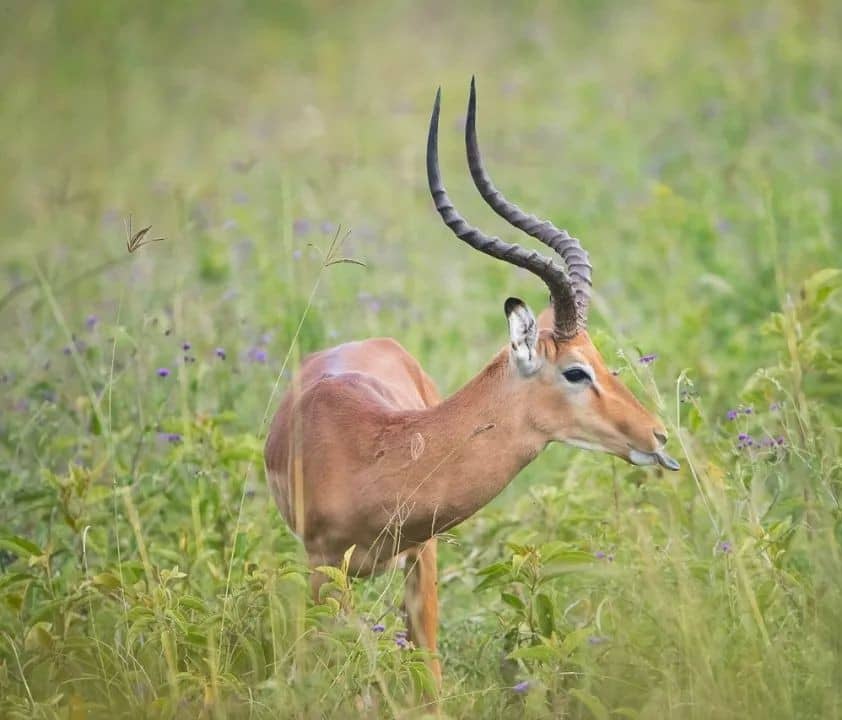
- Impalas
- Baboons
- Colobus monkeys
- Jackals
- Servals
- Caracals
- Honey badgers
- Pangolins
- Porcupines
- Monitor lizards
Some smaller or nocturnal animals are much harder to find than the Big Five.
Safari Birds Worth Watching
Birdlife is an important part of any African safari.
Notable birds include:
- Secretary birds
- Kori bustards
- Ostriches
- Martial eagles
- African fish eagles
- Lilac-breasted rollers
- Hornbills
- Bee-eaters
- Vultures
- Flamingos
- Storks
- Kingfishers
- Sunbirds
Visitors who ignore birds may miss some of the safari’s most colorful and active wildlife.
A specialist birding itinerary allows more time near wetlands, woodland and forest habitats.
Best Tanzanian Parks for Wildlife
Serengeti National Park
Best for:
- Lions
- Leopards
- Cheetahs
- Wildebeests
- Zebras
- Hyenas
- Migration viewing
TANAPA describes Serengeti as supporting a wide variety of carnivores and more than two dozen herbivore species.
Ngorongoro Crater
Best for:
- Lions
- Buffaloes
- Hippos
- Zebras
- Wildebeests
- Black rhinos
- Hyenas
Tarangire National Park
Best for:
- Elephants
- Giraffes
- Zebras
- Antelopes
- Birds
- Baobab landscapes
Nyerere National Park
Best for:
- Elephants
- Wild dogs
- Hippos
- Crocodiles
- Buffaloes
- River wildlife
Ruaha National Park
Best for:
- Lions
- Elephants
- Wild dogs
- Leopards
- Greater kudu
- Sable and roan antelopes
Mkomazi National Park
Best for:
- Black-rhino conservation
- African wild dogs
- Dry-country antelopes
- Birdlife
- Quiet landscapes
Mahale Mountains
Best for:
- Chimpanzees
- Forest primates
- Birds
- Lake and mountain scenery
Best Time to See Safari Animals
June to October
The dry season generally offers:
- Thinner vegetation
- Wildlife concentrated near water
- Easier road conditions
- Strong game viewing in southern parks
- Popular migration travel in northern Serengeti
November to December
The short rains bring:
- Greener landscapes
- Migratory birds
- Less dust
- Fewer visitors in some areas
January to February
These months are particularly suitable for:
- Ndutu calving season
- Young wildebeests
- Cheetahs
- Lions and hyenas
- Green plains
March to May
The longer rains can offer:
- Lush scenery
- Birdwatching
- Lower visitor numbers
- Dramatic photography conditions
Road access can be more difficult, and selected camps may close.
Responsible Wildlife Viewing
Seeing wildlife carries a responsibility to protect it.
Travelers should:
- Maintain a respectful distance
- Never feed animals
- Keep noise low
- Stay inside the vehicle unless authorized to exit
- Avoid surrounding animals with too many vehicles
- Never pressure a guide to drive illegally off-road
- Do not imitate animal calls
- Do not use flash close to sensitive wildlife
- Avoid sharing precise rhino locations
- Never purchase wildlife products
- Follow every ranger and guide instruction
A good sighting allows the animal to continue its natural behavior.
Photography Tips
For better wildlife photographs:
- Use a telephoto lens
- Keep the camera ready
- Increase shutter speed for moving animals
- Focus on the eyes
- Photograph behavior, not only portraits
- Use early and late light
- Carry extra batteries
- Protect equipment from dust
- Bring a beanbag
- Avoid blocking other guests’ views
Patience often produces better images than constantly driving in search of another animal.
Frequently Asked Questions
What are the Big Five safari animals?
They are the lion, leopard, elephant, rhinoceros and African buffalo.
Which African country has the best wildlife?
There is no single best country. Tanzania provides migration, big cats, elephants, crater wildlife, chimpanzees and several different safari circuits.
Can I see all the Big Five in Tanzania?
Tanzania is home to all five, but sightings are never guaranteed. Rhinos and leopards can be particularly difficult to locate.
Which animal is the hardest to see?
This depends on location, but pangolins, aardwolves, caracals, servals and some nocturnal animals are extremely difficult to find.
Where can I see the Great Migration?
The migration moves through Tanzania’s Serengeti and Kenya’s Maasai Mara ecosystem throughout the year.
Are safari animals dangerous?
Wild animals can be dangerous when approached incorrectly. Remain with your guide and follow all safety instructions.
What is the best park for elephants?
Tarangire is one of Tanzania’s leading elephant destinations. Nyerere, Ruaha, Chobe and Amboseli are also known for elephants.
What is the best park for big cats?
Serengeti is particularly strong for lions, cheetahs and leopards. Ruaha, Maasai Mara and Greater Kruger are also important predator destinations.
Plan Your Tanzania Wildlife Safari
Gowitos Safaris & Holidays plans wildlife tours for 2027, 2028 and 2029.
Available experiences include:
- Big Five safaris
- Great Migration tours
- Photographic safaris
- Family safaris
- Private wildlife tours
- Birdwatching trips
- Chimpanzee trekking
- Southern Tanzania safaris
- Safari-and-Zanzibar combinations
Plan your wildlife safari with Gowitos Safaris & Holidays
WhatsApp: +255 769 100 815
Email: info@gowitossafarisandholidays.com
