
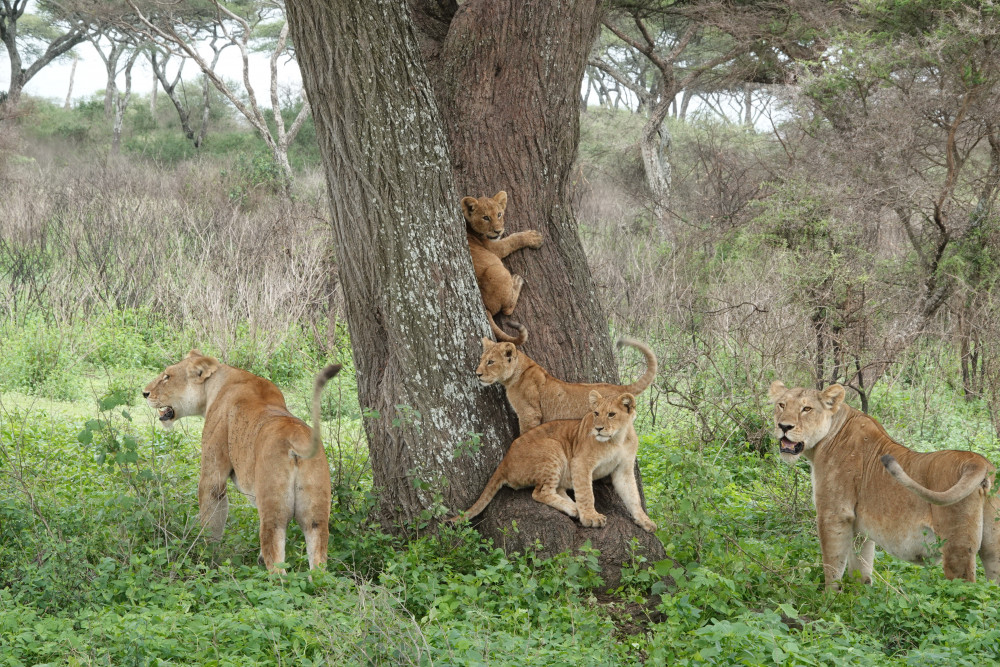
Choosing among the top safari destinations in Africa for American travelers can be challenging. The continent offers everything from the open plains of Tanzania to Botswana’s seasonal waterways, Uganda’s mountain forests and Namibia’s desert landscapes.
The right destination depends on the wildlife you want to see, the activities you enjoy and the amount of time available. First-time visitors may prefer a classic Big Five safari, while returning travelers might choose walking safaris, gorilla trekking or remote fly-in camps.
This guide compares ten leading destinations and explains what makes each one suitable for travelers visiting from the United States.
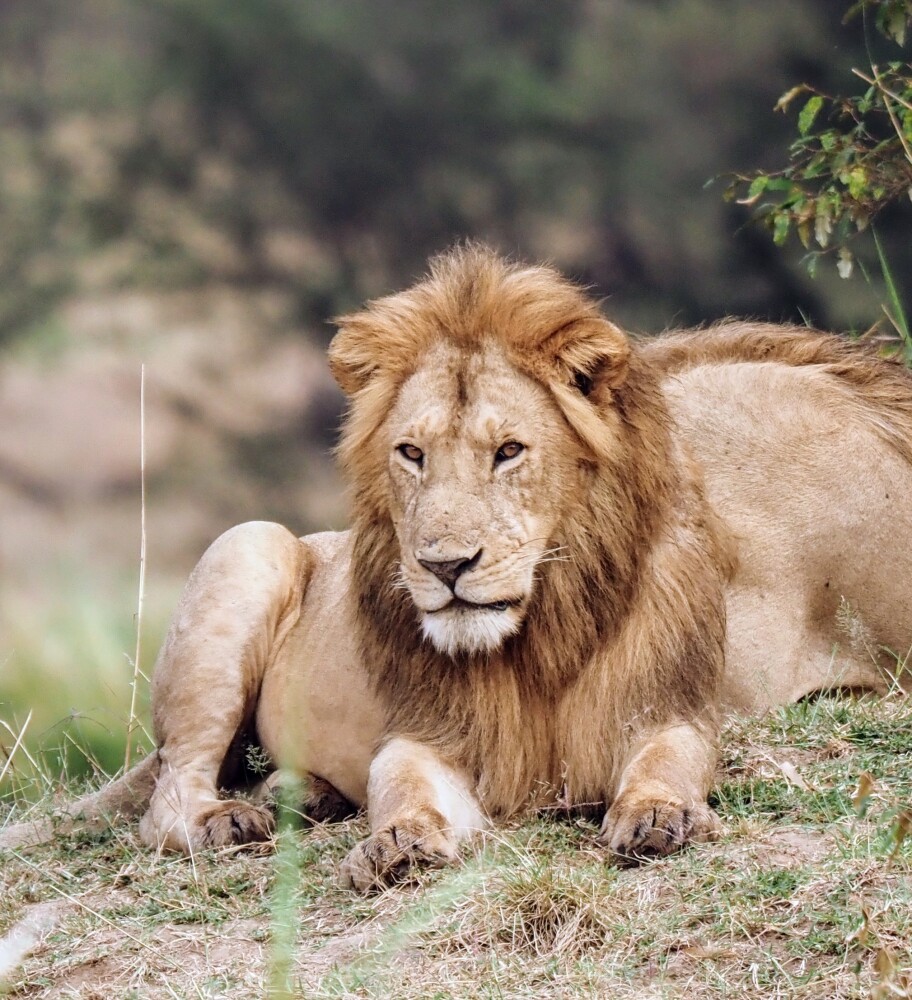
Quick Comparison of Africa’s Top Safari Destinations
| Destination | Country | Best known for | Ideal for |
|---|---|---|---|
| Serengeti | Tanzania | Great Migration and big cats | First safaris and photographers |
| Ngorongoro | Tanzania | Concentrated crater wildlife | Short itineraries and families |
| Maasai Mara | Kenya | Migration and predators | Big-cat viewing |
| Okavango Delta | Botswana | Water-based safaris | Luxury and varied activities |
| Kruger | South Africa | Big Five and accessibility | First-time visitors |
| South Luangwa | Zambia | Walking safaris | Active and returning travelers |
| Etosha | Namibia | Waterholes and desert scenery | Road trips and photographers |
| Bwindi | Uganda | Mountain gorillas | Primates and active travelers |
| Chobe | Botswana | Elephants and river safaris | Wildlife and boat experiences |
| Nyerere | Tanzania | River, boat and wilderness safaris | Fewer crowds |
1. Serengeti National Park, Tanzania
The Serengeti National Park is one of the most recognized wildlife destinations in the world. Its grasslands, rocky kopjes, rivers and woodland support an impressive variety of animals.
Wildlife may include:
- Lions
- Leopards
- Cheetahs
- Elephants
- Giraffes
- Buffaloes
- Wildebeests
- Zebras
- Hyenas
- Hippos
- Numerous antelope species
The Serengeti is also central to the Great Migration, the year-round movement of wildebeests, zebras and other grazing animals through the Serengeti–Mara ecosystem.
Best time to visit the Serengeti
Different parts of the Serengeti are important at different times:
- January–March: Ndutu and southern plains for the calving period
- April–May: Central and western areas during the green season
- June–July: Western Corridor and movement north
- July–October: Northern Serengeti and the wider Mara River area
- November–December: Herds generally move south
Rainfall controls the actual movement, so these periods are only planning guidelines. River crossings cannot be guaranteed.
Why it works for American travelers
The Serengeti offers the classic safari landscapes many first-time visitors expect. It also combines easily with Ngorongoro, Tarangire, Mount Kilimanjaro and Zanzibar.
Tanzania National Parks maintains official information about park activities, planning and current tariffs.
2. Ngorongoro Conservation Area, Tanzania
The Ngorongoro Conservation Area is best known for the Ngorongoro Crater, a large volcanic caldera containing grassland, forest, wetlands and seasonal water sources.
Wildlife may include:
- Lions
- Buffaloes
- Elephants
- Wildebeests
- Zebras
- Hippos
- Hyenas
- Black rhinoceroses
- Flamingos and other birds
The crater is particularly useful for shorter itineraries because visitors can observe several habitats during one game drive.
Best time to visit Ngorongoro
The crater can be visited year-round.
June through October generally offers drier conditions, while November through May brings greener scenery and more birdlife. Early mornings at the crater rim can be cold during any season.
Why it works for American travelers
Ngorongoro combines naturally with the Serengeti and Tarangire. Travelers with seven to ten days can experience several different landscapes without adding another country.
3. Maasai Mara National Reserve, Kenya
The Maasai Mara is Kenya’s best-known safari destination. It forms part of the wider Serengeti–Mara ecosystem and is particularly associated with big cats and seasonal migration herds.
Common safari interests include:
- Lions
- Leopards
- Cheetahs
- Elephants
- Giraffes
- Wildebeests
- Zebras
- Cultural experiences involving Maasai communities
Best time to visit the Maasai Mara
July through October is often associated with migration activity in the greater Mara region. However, herd movements and river crossings depend on rain and cannot be scheduled precisely.
The reserve provides resident wildlife viewing outside migration season as well.
Why it works for American travelers
Kenya has long-established safari infrastructure and can be combined with Amboseli, Samburu or the Indian Ocean coast.
A Serengeti-and-Maasai-Mara itinerary is possible, but border logistics and flight arrangements require careful planning.
4. Okavango Delta, Botswana
The Okavango Delta provides a very different safari environment. Seasonal floodwater spreads through channels, lagoons, islands and grasslands within the Kalahari region.
Activities can include:
- Traditional mokoro excursions
- Boat safaris
- Daytime game drives
- Guided walks
- Birdwatching
- Fly-in camp transfers
Wildlife may include elephants, buffaloes, lions, leopards, wild dogs, hippos and antelopes.
Best time to visit the Okavango Delta
Flood levels and wildlife conditions vary across the delta. The water generally reaches different areas at different times, so the ideal camp depends on your travel month and desired activities.
Why it works for American travelers
The delta suits travelers seeking a quieter, high-comfort safari with several activity types. Many camps are reached by light aircraft.
The Okavango is widely recognized as one of Africa’s leading wildlife and water-based safari regions.
5. Greater Kruger, South Africa
Kruger National Park and the adjoining private reserves offer extensive safari infrastructure and a wide choice of accommodations.
Possible wildlife includes:
- Lions
- Leopards
- Elephants
- Buffaloes
- Rhinoceroses
- Wild dogs
- Hyenas
- Giraffes
- Zebras
Private reserves adjoining the greater ecosystem may offer guided off-road viewing and night drives according to local rules.
Best time to visit Kruger
The drier months generally make wildlife easier to locate around water sources. The greener summer period offers lush scenery, young animals and productive birdwatching.
Why it works for American travelers
Kruger is a practical choice for travelers who want to combine safari with Cape Town, the Winelands or the Garden Route. South Africa provides options ranging from self-driving to fully guided luxury lodges.
6. South Luangwa National Park, Zambia
South Luangwa is particularly associated with guided walking safaris. Visitors can explore animal tracks, plants, insects and smaller ecological details that are easily missed from a vehicle.
The park is also known for:
- Leopards
- Elephants
- Hippos
- Lions
- Wild dogs
- Giraffes
- Large concentrations of animals near the Luangwa River
Best time to visit South Luangwa
The dry season generally produces strong wildlife concentrations near the river and remaining water sources.
Some camps close during the wetter months, while others provide specialized green-season experiences.
Why it works for American travelers
South Luangwa suits active travelers and returning safari guests looking for a deeper bush experience. Walking activities should always be conducted with authorized professional guides.
7. Etosha National Park, Namibia
Etosha offers open landscapes centered around an enormous salt pan. During dry periods, animals gather at natural and artificial waterholes.
Possible sightings include:
- Elephants
- Lions
- Giraffes
- Zebras
- Springboks
- Oryx
- Black rhinoceroses
- Numerous birds
The landscape is visually distinct from the greener savannas of East Africa.
Best time to visit Etosha
The dry season is popular because animals gather around waterholes and vegetation is less dense.
The wetter season creates greener scenery and can bring strong birdwatching.
Why it works for American travelers
Etosha works well as part of a wider Namibia road trip incorporating desert landscapes, dunes and the Atlantic coast.
Current U.S. State Department information should be checked before travel because passport and entry requirements vary by destination and can change.
8. Bwindi Impenetrable National Park, Uganda
Bwindi is known for guided mountain-gorilla trekking rather than traditional open-vehicle game drives.
A trek may involve:
- Steep forest paths
- Muddy conditions
- Dense vegetation
- Several hours of walking
- Strict wildlife-viewing rules
- Limited time with a habituated gorilla group
Permits are limited and should be arranged well in advance.
Best time to visit Bwindi
Trekking takes place throughout the year. Drier periods may provide more manageable trail conditions, but rain remains possible in a tropical mountain forest.
Why it works for American travelers
Bwindi suits active visitors looking for a specialized primate experience. It can be combined with Uganda’s savanna parks or a Tanzania or Kenya safari.
Travelers must honestly assess their fitness and discuss mobility concerns before booking.
9. Chobe National Park, Botswana
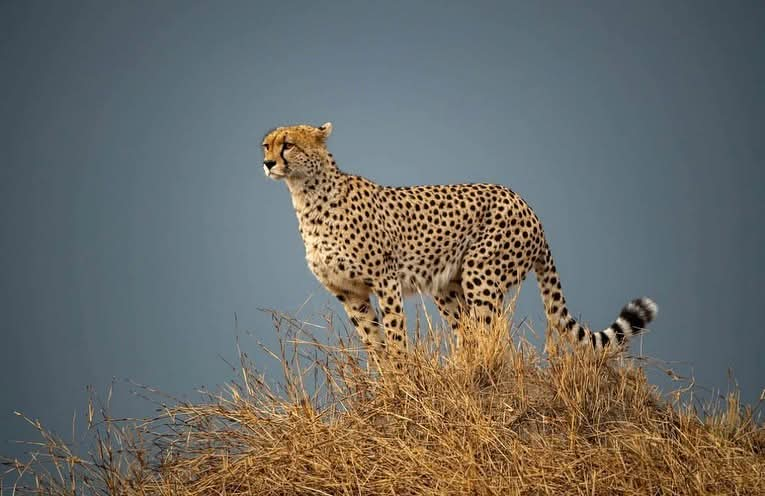
Chobe is particularly known for elephants and wildlife along the Chobe River.
Popular activities include:
- River cruises
- Game drives
- Birdwatching
- Photography
- Multi-country itineraries
The river provides a different viewing perspective, particularly for elephants, hippos, crocodiles and waterbirds.
Best time to visit Chobe
The dry season often brings large numbers of animals toward the river. Green-season travel offers birdlife, young animals and colorful landscapes.
Why it works for American travelers
Chobe can be combined with the Okavango Delta and Victoria Falls. It is a practical option for travelers wanting to visit Botswana, Zambia or Zimbabwe within one itinerary.
10. Nyerere National Park, Tanzania
Nyerere National Park offers a quieter alternative to Tanzania’s northern safari circuit. The Rufiji River and surrounding wetlands support diverse wildlife and different safari activities.
Depending on the camp and current regulations, activities may include:
- Game drives
- Boat safaris
- Guided walking safaris
- Birdwatching
- Fly-in transfers
Wildlife can include elephants, lions, hippos, crocodiles, buffaloes and African wild dogs.
Best time to visit Nyerere
The dry season generally offers easier road access and increasing wildlife concentration around water.
Some accommodations close during the heavier rains, so availability should be confirmed.
Why it works for American travelers
Nyerere is suitable for returning safari travelers and visitors seeking fewer vehicles. It combines well with Ruaha National Park, Zanzibar or Mafia Island.
Which Safari Destination Is Best for You?
Best for a First African Safari
Choose:
- Serengeti and Ngorongoro
- Greater Kruger
- Maasai Mara
- Tarangire
These destinations offer established tourism infrastructure and strong wildlife variety.
Best for the Great Migration
Choose:
- Serengeti National Park
- Maasai Mara National Reserve
The correct region depends on your travel month. No operator can responsibly guarantee a river crossing.
Best for Families
Consider:
- Tanzania’s northern safari circuit
- Greater Kruger
- Maasai Mara
- Chobe
A private vehicle usually provides families with the most flexibility.
Best for Luxury Travel
Consider:
- Okavango Delta
- Private reserves in Greater Kruger
- Fly-in Serengeti camps
- Botswana combinations
Luxury should be evaluated through location, guiding, privacy and service—not only room design.
Best for Walking Safaris
Choose:
- South Luangwa
- Ruaha
- Nyerere
- Selected Tanzanian parks where authorized walking is available
Age and fitness restrictions may apply.
Best for Primates
Choose:
- Bwindi in Uganda
- Volcanoes National Park in Rwanda
- Mahale Mountains or Gombe in Tanzania
Primate permits should be secured early.
Best for Fewer Crowds
Consider:
- Nyerere
- Ruaha
- Katavi
- South Luangwa outside peak periods
- Selected Botswana concessions
Remote destinations usually require higher transport costs.
Why Tanzania Is a Strong Choice for American Travelers
Tanzania combines several major experiences within one country:
- The Great Migration
- Serengeti big-cat viewing
- Ngorongoro Crater
- Tarangire’s elephants and baobabs
- Mount Kilimanjaro
- Chimpanzee trekking in western Tanzania
- Southern wilderness areas
- Zanzibar Island
American travelers can create a two-week itinerary combining wildlife, culture and the coast without completing several international border crossings.
A popular combination includes:
- Arusha
- Tarangire
- Serengeti
- Ngorongoro
- Zanzibar
Sample 10-Day Tanzania Safari
Day 1: Arrival in Arusha
Arrive at Kilimanjaro International Airport and transfer to your accommodation. Meet your safari representative for a private briefing.
Day 2: Tarangire National Park
Drive to Tarangire for game viewing among baobab trees and along the Tarangire River.
Day 3: Travel to Serengeti
Continue through the Ngorongoro highlands and enter Serengeti National Park for an afternoon game drive.
Day 4: Serengeti National Park
Spend a full day exploring the central or seasonally appropriate area of the park.
Day 5: Serengeti National Park
Continue wildlife viewing with a private guide. An optional balloon flight can be arranged subject to availability.
Day 6: Serengeti to Ngorongoro
Enjoy a morning game drive before traveling toward the Ngorongoro Conservation Area.
Day 7: Ngorongoro Crater
Descend into the crater for wildlife viewing before continuing to Karatu or Arusha.
Day 8: Fly to Zanzibar
Transfer to the airport and fly to Zanzibar. Continue to your beach hotel.
Day 9: Zanzibar
Choose a free beach day, Stone Town tour, spice-farm visit or marine excursion.
Day 10: Departure
Transfer to Zanzibar’s international airport for your onward flight.
Additional beach nights are recommended for travelers who want more rest before the long journey home.
Planning an African Safari From the United States
Allow Enough Time
Travel from the United States to East or Southern Africa usually involves long flights and at least one connection. A trip of ten to fourteen nights provides better value than a rushed week-long journey.
Check Your Passport
Many African destinations require several months of passport validity and blank pages. The exact rules differ by country.
Confirm current requirements with:
- The destination’s immigration authority
- The U.S. Department of State
- Your airline
- The relevant embassy or consulate
Verify Visa Requirements
Do not assume that one rule applies across Africa. Some countries require an online visa or travel authorization, while others offer different arrangements.
Rules can change, so verify each country in a multi-country itinerary separately.
Consult a Travel-Health Professional
Discuss:
- Routine vaccinations
- Malaria prevention
- Yellow-fever requirements
- Food and water precautions
- Personal prescriptions
- Altitude if climbing Kilimanjaro
- Physical fitness for trekking
Health requirements may depend on transit countries as well as the final destination.
Buy Comprehensive Travel Insurance
A suitable policy should ideally cover:
- Medical treatment
- Emergency evacuation
- Trip cancellation
- Travel interruption
- Delayed or lost baggage
- Safari activities
- Trekking when included
Remote safari camps can be far from advanced medical facilities, making evacuation coverage particularly important.
What to Pack
A practical packing list includes:
- Neutral-colored clothing
- Lightweight long pants
- Breathable shirts
- Warm jacket or fleece
- Comfortable closed shoes
- Sun hat
- Sunglasses
- Sunscreen
- Insect repellent
- Binoculars
- Camera and spare batteries
- Power bank
- Universal adapter
- Reusable water bottle
- Personal medication
- Soft-sided luggage
- Copies of travel documents
Early mornings can be cold, even when afternoons are warm. Layered clothing works best.
Understanding Safari Costs
Safari prices vary according to:
- Country
- Season
- Number of travelers
- Accommodation standard
- Private or shared vehicle
- Domestic flights
- Park and conservation fees
- Special activities
- Number of nights inside protected areas
For a private safari, the cost per person generally decreases as more guests share the same vehicle.
When comparing quotations, verify whether they include:
- Park fees
- Accommodation
- Meals
- Vehicle
- Guide
- Drinking water
- Airport transfers
- Domestic flights
- Taxes
- Special permits
A low headline price may exclude important expenses.
Responsible Safari Travel
Travelers should help protect wildlife and local communities.
Follow these principles:
- Never feed animals
- Maintain respectful viewing distances
- Do not pressure guides to drive illegally off-road
- Remain in the vehicle unless authorized to exit
- Keep noise low
- Avoid littering
- Do not purchase wildlife products
- Ask before photographing people
- Support local guides and businesses
- Follow all ranger instructions
Responsible tourism improves conservation outcomes and protects the experience for future visitors.
Frequently Asked Questions
What is the best safari destination for a first-time American traveler?
Tanzania’s Serengeti, Ngorongoro and Tarangire circuit is an excellent first safari. Greater Kruger and the Maasai Mara are also strong choices.
How long should an African safari be?
Seven safari nights provide a balanced experience. Travelers combining safari with Zanzibar, Cape Town or Victoria Falls should consider ten to fourteen nights in Africa.
Is an African safari safe?
Professionally organized safaris operate with trained guides and established safety procedures. Travelers must follow guide instructions and review current official travel advisories.
Can children join a safari?
Yes. Private vehicles are usually best for families because the schedule can be adjusted. Some activities and camps have minimum-age policies.
When is the Great Migration?
The migration continues throughout the year as herds move through the Serengeti–Mara ecosystem. The best region changes according to rainfall and fresh grass.
Are U.S. dollars accepted?
U.S. dollars are commonly used for many tourism services in several safari countries. Local currency remains necessary for some purchases. Requirements regarding note condition or issue dates can vary.
Do I need a yellow-fever vaccination?
Requirements depend on the destination and travel route, including transit countries. Consult official health authorities and a travel-health professional.
Is a private safari worth it?
A private safari offers greater flexibility, more vehicle space and personalized guiding. It is especially useful for families, photographers and groups traveling together.
Can Tanzania be combined with Zanzibar?
Yes. Domestic flights connect Zanzibar with Arusha, Kilimanjaro and selected safari airstrips.
Plan Your African Safari With Gowitos
Gowitos Safaris & Holidays specializes in Tanzania safaris and can help American travelers combine the Serengeti, Ngorongoro, Tarangire, Mount Kilimanjaro and Zanzibar.
We arrange:
- Private Tanzania safaris
- Great Migration tours
- Family safaris
- Honeymoon trips
- Luxury and mid-range travel
- Photographic safaris
- Kilimanjaro climbs
- Safari-and-Zanzibar combinations
- Airport and domestic-flight transfers
Plan your African safari with Gowitos Safaris & Holidays
WhatsApp: +255 769 100 815
Email: info@gowitossafarisandholidays.com
