
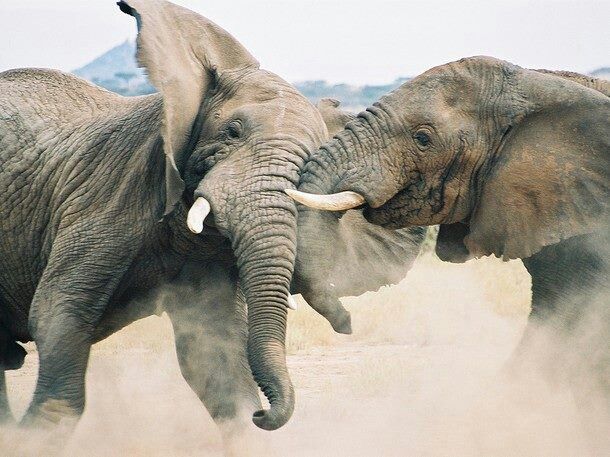
How Tarangire’s Landscape Shapes Wildlife Sightings
A Tarangire safari offers an unforgettable opportunity to discover one of Tanzania’s most distinctive wildlife destinations. Famous for its impressive elephant herds, ancient baobab trees, seasonal swamps and beautiful savannah landscapes, Tarangire National Park provides an exceptional setting for wildlife viewing and exciting game drives.
Located in northern Tanzania, Tarangire is an excellent destination for travellers planning a private safari or combining several national parks. Its changing landscapes, diverse habitats and seasonal wildlife movements make every visit different.
With Gowitos Safaris and Holidays, a fully licensed Tanzania-owned tour operator and Destination Management Company (DMC) based in Arusha, you can enjoy a tailor-made Tarangire safari designed around your travel dates, interests, available time and preferred accommodation style.
Whether you are planning your first African safari, a family holiday, a honeymoon or a longer Tanzania wildlife adventure, a Tarangire safari deserves a place on your itinerary. Let us help you plan your Tarangire safari and discover the natural beauty of northern Tanzania.
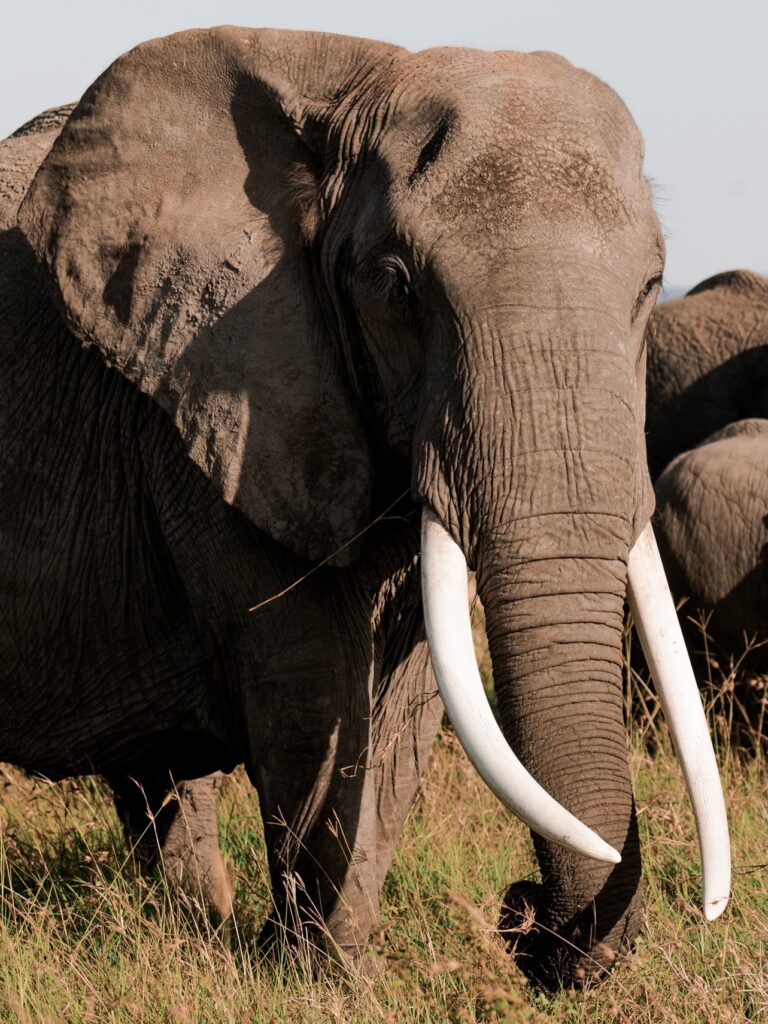
Key Takeaways
- See what makes a Tarangire safari distinctive, from baobab-studded scenery to habitats shaped by the river and seasonal swamps.
- Understand how rainfall, vegetation and water availability can influence wildlife movement and viewing conditions.
- Approach game drives with realistic expectations: sightings unfold at nature’s pace, and patience is part of the experience.
- Decide whether to focus on Tarangire or combine it with other parks, balancing the number of stops against the time you want at each one.
- Explore how a Tarangire itinerary can reflect your available time and preferred safari style.
Table of Contents
- What Makes a Tarangire Safari Distinctive?
- Tarangire Wildlife and Habitats: What Shapes the Sightings?
- When Is a Tarangire Safari Best for Your Interests?
- What to Expect During a Tarangire Game Drive
- Plan a Tarangire Safari That Fits Your Journey
What Makes a Tarangire Safari Distinctive?
A Tarangire safari takes you through a landscape where open country, ancient baobabs and water-shaped habitats sit side by side. The scenery changes as you travel: a game drive may cross broad, sunlit ground, then follow greener vegetation near the Tarangire River or seasonal swamps. This variety is central to the experience, connecting wildlife viewing to the land around it.
Elephants are a notable draw, and the park is known for its large herds. Still, no particular sighting is assured. Animals move through different habitats and conditions, so what you see depends on where wildlife is at the time, how long you spend exploring and the pace of your drive. The Tarangire National Park overview offers further context on the park’s geography, wildlife and ecosystem.
How Tarangire’s Landscape Shapes the Safari
Open areas can offer broad sightlines, while acacia woodland and denser vegetation make for a more enclosed search. During a Tarangire safari, the setting changes as you approach water. The river and seasonal swamps are important landscape features, and the Tarangire River becomes a key water source for wildlife in the dry season. These contrasts influence where animals may gather and how easily they can be seen, making every Tarangire safari a different wildlife experience.
Baobabs add a distinctive visual thread to the journey. Their striking forms stand apart from the surrounding vegetation, giving the scenery scale and character even when wildlife is at a distance. Together, river, open ground and woodland create varied settings for observation rather than one uninterrupted panorama.
What Visitors Commonly Come to See
Elephants are among the park’s characteristic animals, while other wildlife and birdlife bring changing scenes along the way. During a Tarangire safari, look for signs as well as sightings: movement near water, shapes against open ground or birds among the trees. Your guide can help interpret what the landscape reveals, even when animals remain hidden from view.
Tarangire’s appeal lies in watching wildlife within a landscape that shifts from open plains to river-side habitats, at a pace set by nature.
- Landscape: Baobabs, open ground, woodland and water-associated habitats each offer a different view.
- Wildlife: Elephants are a signature draw, but sightings vary and aren’t guaranteed.
- Experience: Season, time spent exploring and the conditions of the day all shape what you encounter.
That variety rewards an unhurried outlook. Rather than measuring the day by a fixed list of animals, notice how the setting changes as you travel and allow time for careful observation. The landscape is not just a backdrop; it helps shape the safari itself.
Tarangire Wildlife and Habitats: What Shapes the Sightings?
Wildlife sightings in Tarangire are closely tied to the conditions around them. Water, vegetation and open ground affect where animals may move, rest or become visible, so the same game-drive route can offer different scenes on different days. In the dry season, the Tarangire River is a key water source for wildlife, and animals may gather near available water. That can create useful viewing opportunities, but it doesn’t guarantee that a particular species will appear or remain in sight.
As the season and local conditions change, so do the details of a drive. Fresh vegetation can make some animals harder to spot; open ground may offer longer sightlines, while thicker growth can conceal movement. A guide’s knowledge helps make sense of these changes, including small signs that are easy to miss when attention is fixed only on large animals. Habitat variety means viewing opportunities shift with water, cover and visibility, rather than following a set sequence.
Elephants, Baobabs and the Park’s Recognizable Character
Elephants are a familiar part of Tarangire’s identity, and the park is known for its herds. Their presence contributes to the sense of scale visitors often associate with the destination, but wildlife moves freely, so sightings can’t be promised. Baobabs offer another distinctive feature of the scenery. Their silhouettes help define the landscape, whether or not animals are close by, and give a game drive memorable visual landmarks as the surroundings change.
It’s helpful to see the landscape and wildlife as connected, but not as a guarantee: a baobab in view doesn’t mean elephants will be nearby. The experience is richer when you make time for both wildlife observation and the setting itself.
River and Swamp Habitats on a Game Drive
The river and seasonal swamps bring a different feel to the drive from more open terrain. In the dry season, the river’s importance as a water source can influence where animals gather. Swamp habitats offer another landscape to observe, with vegetation and water shaping sightlines. The contrast can make a drive feel varied, though which animals are visible depends on their movement and conditions on the day.
Use these habitat changes as a guide to what to notice, rather than a prediction of what you’ll see. Look for movement at the edges of vegetation, scan open ground patiently and listen as your guide explains how water and cover shape the search. Even when wildlife stays out of view, the shift from one setting to another offers a clearer sense of how the park works.
To shape your time in Tarangire around your wildlife interests and preferred pace, explore a tailored Tanzania safari journey.
When Is a Tarangire Safari Best for Your Interests?
There isn’t one season that suits every traveller. The best timing depends on what matters most to you: the possibility of more concentrated wildlife viewing, greener scenery or travel dates that fit a wider Tanzania itinerary. Rainfall, vegetation and water availability influence where animals move and how clearly you can see them, but these are natural patterns, not a schedule of guaranteed encounters.
Tarangire’s dry season is generally described as running from June to October. During this period, the Tarangire River becomes an important water source, and wildlife may gather near it as other water sources become less available. This movement can make viewing more focused in some areas. Conditions still vary from year to year, however, and animals may not be present where or when you expect them.
How Dry and Green Conditions Can Change the Experience
In drier conditions, less abundant vegetation may open sightlines, while wildlife movement toward available water can make certain areas more rewarding to explore. These patterns are often associated with strong game viewing, particularly for travellers hoping to spend time looking for larger animals.
After rain, vegetation can become greener and thicker, changing both the appearance of the landscape and the ease of spotting animals. Water may be more widely available, which can influence where wildlife gathers. A green-season drive may therefore bring a different balance of scenery and visibility. The exact experience depends on local rainfall and conditions in that particular year.
| Seasonal conditions | Possible trade-offs | May suit travellers who |
| Dry season, generally June to October | Wildlife may concentrate near available water, while drier vegetation can improve sightlines; animal movement still varies. | Prioritize the reported seasonal pattern of wildlife viewing. |
| Greener conditions after rain | Lush vegetation can enrich the scenery but may make some animals harder to see; water is more widely available. | Value greener landscapes and are comfortable with less predictable visibility. |
Choose Timing Around Your Wildlife and Travel Priorities
Use the seasonal pattern as one part of your decision, alongside your travel dates, preferred pace and interest in the wider landscape. If wildlife viewing is your main priority, the dry-season pattern may appeal. If you’re drawn to fresh vegetation and a greener setting, another time may feel more rewarding, even if animals are harder to spot in thicker cover. Neither choice guarantees a particular sighting.
A season can make some wildlife encounters more likely, but it can’t promise what you’ll see on a game drive. Weather and animal behaviour vary between seasons and years, so allow flexibility in your expectations. A well-paced Tarangire safari leaves room to appreciate the changing scenery as well as the wildlife, rather than judging its value by a single hoped-for encounter.
What to Expect During a Tarangire Game Drive
A game drive is a flexible period of observation, not a wildlife show with a set sequence. Your guide may pause to watch animal behaviour, scan open ground or explain a track or call. At other times, the vehicle continues through changing scenery, with the light shifting across trees and plains. The pace can feel quiet, giving you time to notice details beyond the most obvious sightings.
On a Tarangire safari, patience often matters as much as anticipation. Wildlife may be visible straight away, or it may take time to notice movement among vegetation. A pause can offer a chance to observe how animals interact or simply take in the surroundings. Guides interpret what’s happening and adjust the focus of the drive to the conditions, but no particular route, sighting or length of encounter can be promised.
A Measured Rhythm for Observing Wildlife
Look beyond the first animal you spot. Notice how the landscape changes, watch for movement at the edge of your view and give yourself time to take in quieter moments. Changing light can alter the way the scenery appears, while an animal’s behaviour may be more interesting than a quick photograph. If the vehicle pauses, listen to your guide’s explanation and let your attention settle on the scene.
Not every stretch of a drive will bring an immediate sighting. That doesn’t make it wasted time. Your guide may be reading signs, considering where to continue or sharing context that makes the next observation more meaningful. Keeping expectations open helps you enjoy both active wildlife moments and the intervals between them.
Responsible Viewing and Simple Preparation
Respectful viewing protects the animals and makes the experience calmer for everyone. Follow your guide’s directions, keep a considerate distance and avoid actions that could disturb wildlife. Don’t feed animals or encourage them to move for a photograph. The park’s general guidance also emphasizes staying on designated roads, keeping noise down and leaving no litter; follow the latest instructions provided for your visit.
A few simple preparations can make time in the vehicle more comfortable. Consider bringing sun protection, a light layer for changing conditions, drinking water and personal essentials for an outing. Keep cameras and other belongings secure, and listen to your guide about how to behave around wildlife and use equipment appropriately. Photography practices and access conditions can be subject to current park rules, so follow the guidance in place on the day.
- Stay observant: Watch the landscape as well as the animals.
- Be patient: Wildlife activity and visibility change, and pauses are part of the experience.
- Travel responsibly: Follow your guide’s directions and avoid disturbing animals.
For a Tanzania journey planned around your interests and preferred pace, explore a Tarangire safari with Gowitos.

Plan a Tarangire Safari That Fits Your Journey
How you include Tarangire depends on the kind of journey you want, not on a single route everyone should follow. A stay focused on the park can leave more room to settle into its changing scenery and wildlife-viewing pace. Combining it with other parks offers a broader sense of Tanzania’s safari landscapes, though it means sharing your time across destinations and travelling between them.
Start with the days you have and what you most want from the experience. If Tarangire’s habitats and wildlife are your main interest, consider an itinerary that gives the park a central place. If you’re also drawn to contrasting destinations, a multi-park journey may suit you better. There’s no universal answer: balance the range of places you hope to see with enough time to enjoy each one without feeling hurried.
When to Focus on Tarangire or Add Other Parks
A park-focused visit can suit travellers who prefer a slower rhythm and want to give observation room to unfold. A broader itinerary can suit those hoping to experience Tarangire alongside other well-known parks. The trade-off is simple: more destinations bring more variety, while fewer stops can allow a deeper focus on each setting.
For a concise multi-park option, Gowitos offers 3 Days Tarangire, Ngorongoro & Manyara. Travellers with more time who want to include the Serengeti can consider 5 Days Tarangire, Serengeti & Ngorongoro. These are different starting points for planning, not a prescription that one itinerary fits every traveller. Weigh your interests, available time and preferred pace as you choose.
Shape the Journey Around Your Travel Style
Some travellers want a measured journey with time to absorb the landscape; others prefer to include more parks within the days they have. Your wildlife interests matter, too. You might prioritize Tarangire’s distinctive setting or seek a wider range of habitats and destinations. Let those preferences guide the balance of the itinerary rather than trying to include every possible stop.
Gowitos Safaris & Holidays plans Tanzania journeys around travellers’ interests, available time and preferred travel style. Its Tarangire itineraries offer two different ways to frame the decision, while a tailored plan can reflect what matters most to you. Responsible wildlife viewing and respect for local people can be part of the experience, not an afterthought.
For broader itinerary planning, start by deciding how to balance time in Tarangire with time in other parks. Then explore Gowitos safari journeys to find a journey shaped around your interests.
Let Your Tanzania Journey Take Shape
Decide what you want your time in Tarangire to feel like: an unhurried focus on one park, or a journey that also embraces other landscapes. That preference can turn a Tarangire safari from an idea into a plan with a pace suited to your available time and interests.
Gowitos Safaris & Holidays offers 3 Days Tarangire, Ngorongoro & Manyara and 5 Days Tarangire, Serengeti & Ngorongoro as two starting points for a multi-park journey. Its team shapes travel around each traveller’s preferred style, with a commitment to respecting wildlife and benefiting local people. Begin with what matters most to you.
Explore a Tarangire safari shaped around your journey and take the next step toward a thoughtful wildlife experience in Tanzania.
Frequently Asked Questions
Is Tarangire a good safari destination for first-time visitors?
Yes, Tarangire can suit first-time safari visitors who are comfortable with wildlife viewing at nature’s pace. A guide can explain animal behaviour and signs you might otherwise miss, making quieter stretches of a drive more engaging. Before choosing an itinerary, consider which landscapes and wildlife interest you most, how much time you have and whether you’d like to visit other parks. Keeping expectations flexible makes it easier to appreciate the day as it unfolds.
Can you see the Big Five in Tarangire?
It’s best not to plan a visit around a promised Big Five checklist. Tarangire is especially associated with elephants, while sightings of other large mammals depend on where animals are and the conditions during your visit. An animal being part of the wider ecosystem doesn’t mean it will be easy to see on a particular drive. A guide can help you focus on the wildlife present without treating any individual encounter as guaranteed.
What should I pack for a Tarangire safari?
Pack for comfort outdoors and changing conditions: practical clothing, sun protection, comfortable footwear and personal essentials. A light layer can be useful if temperatures feel different at the start or end of the day, while a camera strap or secure bag helps keep equipment manageable in the vehicle. Keep your day bag simple, and tailor what you bring to your travel dates and planned activities. Check current travel guidance before departure for season-specific advice.
Are there accommodation options in or near Tarangire National Park?
Yes, visitors can find accommodation in different settings and styles, though specific options and operating details may change. Start by considering the balance you want between proximity to wildlife-viewing areas, comfort preferences and the pace of your wider itinerary. Your travel dates can also affect what suits your plans. Review current accommodation information as you plan, and avoid assuming that a particular property or facility will be available throughout the year.
Can visitors take a walking safari in Tarangire?
Walking safaris may be possible, but they depend on current park permissions, permitted areas and the arrangements for a particular visit. They’re a distinct activity, not simply a vehicle game drive on foot, and should follow the direction of qualified personnel and park authorities. Rules and operating conditions can change, so check current official guidance before planning around a walk. Don’t assume a walking activity is part of every safari itinerary.
How do visitors get to Tarangire National Park?
Visitors generally plan access as part of a wider Tanzania journey, with the route and transport arrangements depending on their starting point and schedule. If you’re visiting more than one park, consider how travel between destinations fits the overall pace rather than planning each segment in isolation. Current access details and journey times can vary, so use up-to-date travel guidance when setting your itinerary. A flexible schedule can leave room for changes along the way.
Images are not included in this email. Open the article in your dashboard to see and download them
Book Your Tarangire Safari with Gowitos Safaris and Holidays
A Tarangire safari is an opportunity to experience Tanzania’s remarkable wildlife, distinctive baobab landscapes and changing natural habitats. From watching elephants in their natural environment to exploring the river and seasonal swamps, the park offers a memorable addition to a northern Tanzania holiday.
At Gowitos Safaris and Holidays, we create private and tailor-made safari journeys based on your interests, travel dates, preferred accommodation and budget.
You can choose a Tarangire-focused experience or combine the park with Ngorongoro Crater, Serengeti National Park and other destinations.
Start planning your Tanzania safari today.
Gowitos Safaris and Holidays
Arusha, Tanzania
Website: https://gowitossafarisandholidays.com
Email: info@gowitossafarisandholidays.com
WhatsApp: +255 769 100 815
Contact our team to request your personalized Tarangire safari quotation.
