
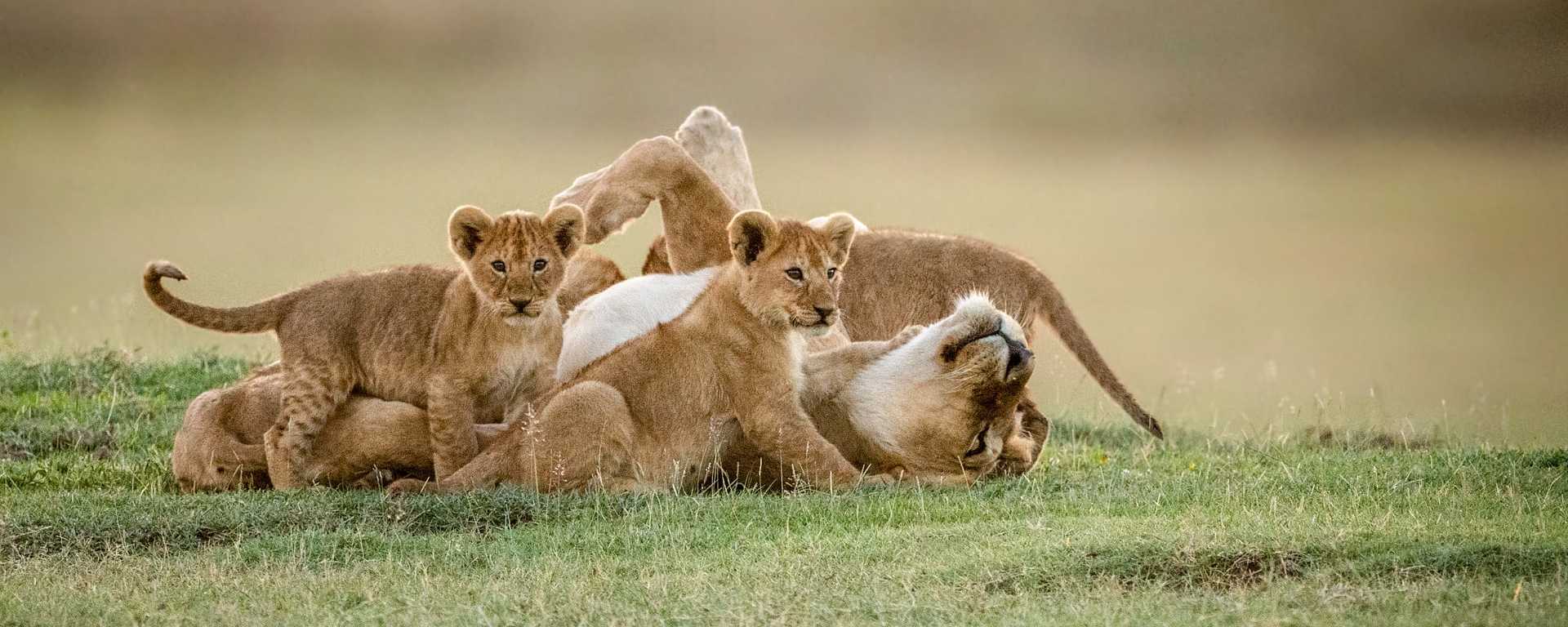
Planning an African safari can feel complicated when you are choosing destinations, deciding when to travel and comparing accommodation. This Tanzania safari guide explains the most important things you should know before booking, from the best parks and seasons to packing, visas, safety, tipping and safari costs.
Tanzania offers several different travel experiences within one country. You can watch wildlife across the Serengeti, descend into the Ngorongoro Crater, climb Mount Kilimanjaro and relax beside the Indian Ocean in Zanzibar.
The right itinerary depends on your available time, budget, preferred accommodation and the wildlife experiences you want. Gowitos Safaris & Holidays creates private and group tours for couples, families, solo travellers, photographers and larger groups.
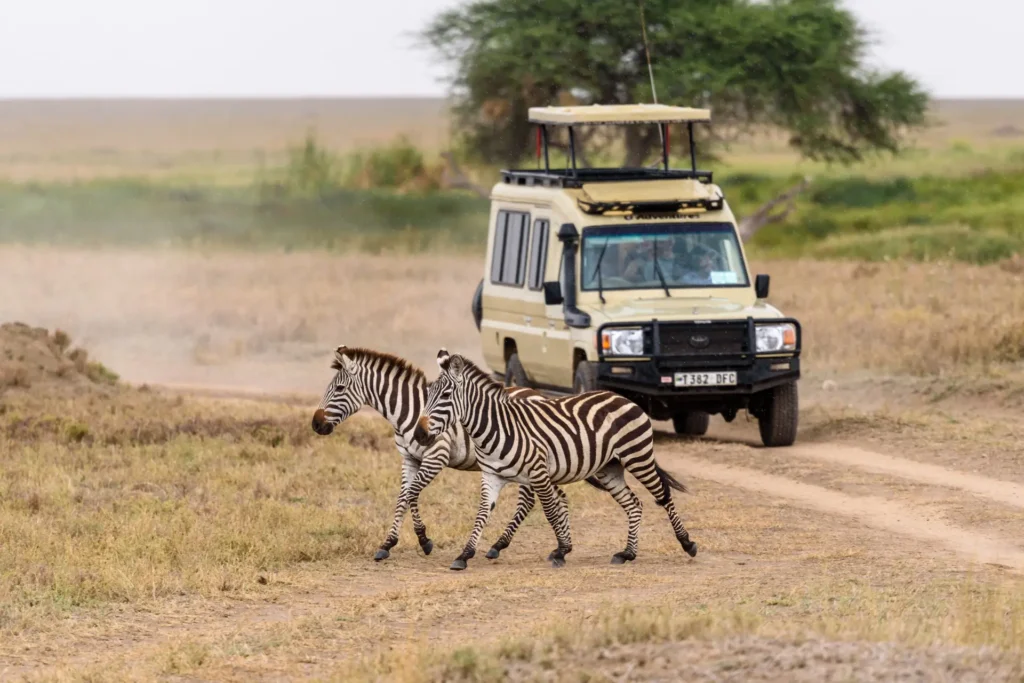
1. Choose the Right Tanzania Safari Circuit
Tanzania’s safari destinations are normally divided into northern, southern and western circuits. Each circuit provides a different experience.
Northern Tanzania Safari Circuit
The northern circuit is the country’s most popular safari region. It is suitable for first-time visitors, families, honeymooners and travellers interested in the Great Migration.
Important destinations include:
- Serengeti National Park
- Ngorongoro Conservation Area
- Tarangire National Park
- Lake Manyara National Park
- Arusha National Park
- Lake Eyasi
- Lake Natron
- Mkomazi National Park
Arusha is the main starting point, although some safaris begin in Moshi.
Southern Tanzania Safari Circuit
The southern circuit generally receives fewer visitors and offers a strong sense of wilderness.
Popular destinations include:
- Nyerere National Park
- Ruaha National Park
- Mikumi National Park
- Udzungwa National Park
Depending on the park and current regulations, experiences may include game drives, walking safaris, boat safaris and guided hiking.
Western Tanzania Safari Circuit
Western Tanzania is remote and best suited to travellers interested in primates and secluded wilderness.
Its leading destinations include:
- Gombe Stream National Park
- Mahale Mountains National Park
- Katavi National Park
Western Tanzania usually requires domestic flights and a larger budget because of the distances and limited road access.
2. Decide What You Want to See
A good itinerary should be built around your interests rather than simply including as many parks as possible.
Before booking, decide whether your priorities are:
- The Big Five
- The Great Migration
- River crossings
- Calving season
- Elephant herds
- Big cats
- Birdwatching
- Chimpanzee trekking
- Photography
- Walking safaris
- Cultural experiences
- A safari and Zanzibar combination
Wild animals move freely, so no responsible operator can guarantee a particular sighting. Your guide will use experience, tracks, animal calls and information from other guides to improve your chances.
3. Understand the Best Time for a Tanzania Safari
Tanzania is a year-round safari destination, but weather and wildlife patterns change throughout the year.
June to October: Main Dry Season
The dry season generally offers excellent wildlife viewing. Vegetation becomes thinner, and animals gather around rivers and permanent water sources.
This period is suitable for:
- Serengeti wildlife viewing
- Tarangire elephant safaris
- Ngorongoro Crater tours
- Ruaha and Nyerere safaris
- Mount Kilimanjaro climbing
- Safari and Zanzibar holidays
It is also a popular travel period, so accommodation should be booked early.
November to December: Short Rains
The short rains bring greener scenery and excellent photographic light. Showers are often brief, although weather patterns vary.
Visitor numbers may be lower than during the main dry season, and migratory birds begin arriving.
January to February: Calving Period
The southern Serengeti and Ndutu region are usually important areas for wildebeest calving. Large numbers of young animals can attract lions, cheetahs, hyenas and other predators.
The precise location of the herds depends on rainfall and fresh grass.
March to May: Long Rains
The long-rain period produces green landscapes, dramatic skies and productive birdwatching. Some lodges offer seasonal rates, but certain roads can become muddy.
TANAPA advises visitors to book early for peak periods and confirm gate locations, transfers, meal plans and accommodation arrangements.
4. Know How the Great Migration Works
The Great Migration is a continuous movement of wildebeest, zebras and other grazing animals through the Serengeti–Mara ecosystem.
It does not occur in one fixed location or on guaranteed dates. Rainfall, grass and water influence the herds’ movement.
A general planning pattern is:
- January to March: Ndutu and southern Serengeti
- April to May: Central and western areas
- June to July: Western Corridor and movement north
- July to October: Northern Serengeti and Mara River region
- November to December: Herds generally begin moving south
This schedule is only a guide. River crossings are natural events and cannot be scheduled like organised performances.
Travellers focused on the migration should allow enough time in the correct region rather than spending one rushed night in several different areas.
5. Choose the Right Safari Length
The ideal safari length depends on the number of parks and the distance between them.
Two to Three Days
A short safari can include destinations such as:
- Tarangire and Ngorongoro
- Lake Manyara and Ngorongoro
- Mikumi National Park
- Arusha National Park and Tarangire
This option is suitable for travellers with limited time, but daily drives may be long.
Four to Five Days
This duration provides a balanced northern circuit safari. A typical itinerary may include Tarangire, Serengeti and Ngorongoro.
Six to Eight Days
A longer safari allows more time in Serengeti, fewer rushed transfers and a better chance to observe wildlife behaviour.
Nine Days or More
Nine or more days are ideal for photographers, families, migration-focused travellers and safari-and-beach combinations.
Longer does not automatically mean better. A well-planned five-day itinerary is often more enjoyable than a poorly planned eight-day tour with too many transfers.
6. Select Your Safari Style
This Tanzania safari guide recommends comparing the type of tour before comparing prices.
Private Safari
A private safari provides an exclusive vehicle and guide for your booking.
Advantages include:
- Flexible departure times
- Private use of the vehicle
- More control over photography stops
- Easier travel with children
- Personalised accommodation
- Flexible dietary arrangements
Private safaris are suitable for couples, families and friends travelling together.
Group-Joining Safari
A group safari allows travellers to share a vehicle and some operating costs with other guests.
It can be more affordable, but departure dates, daily schedules and accommodation are usually fixed.
Before booking, confirm:
- Maximum group size
- Window-seat policy
- Luggage allowance
- Accommodation category
- Camping arrangements
- Starting location
- Ending location
- What happens if the minimum group size is not reached
Fly-In Safari
Domestic flights reduce driving time and provide access to remote areas. Fly-in safaris are convenient but usually more expensive.
Light aircraft have strict luggage restrictions, normally requiring soft-sided bags. The exact allowance must be confirmed with the airline operating your flight.
7. Understand Safari Accommodation
Tanzania provides accommodation for different budgets.
Budget Camping
Budget camping usually includes tents, mattresses, camping equipment and meals prepared by a safari cook. Bathroom facilities may be shared at public campsites.
Tented Camps
Safari tents normally have proper beds and private bathrooms. Some camps are permanent, while others move seasonally to follow wildlife patterns.
Safari Lodges
Lodges are permanent properties with private rooms, restaurants and common areas. Facilities vary from simple mid-range lodges to luxury properties.
Luxury Camps and Lodges
Luxury accommodation may include larger rooms, premium locations, private decks, swimming pools, personalised service and fine dining.
Always check whether the quoted room is single, double, twin, triple or family accommodation.
8. Understand What Determines Safari Prices
The cost of a Tanzania safari depends on more than the number of days.
Important pricing factors include:
- Number of travellers
- Private or group safari
- Travel season
- Accommodation category
- Parks visited
- Number of nights in national parks
- Domestic flights
- Vehicle type
- Airport transfers
- Special activities
- Single-room supplements
- Resident or non-resident park fees
Private safari prices per person normally decrease when more travellers share one vehicle.
When comparing quotations, check whether they include:
- Park entrance fees
- Ngorongoro vehicle or crater charges
- Accommodation
- Meals
- Safari vehicle
- Professional driver-guide
- Drinking water
- Airport transfers
- Taxes
- Domestic flights
- Camping equipment
A cheaper quotation may exclude important expenses or use accommodation much farther from the park.
9. Check Passport and Visa Requirements
Visa requirements depend on your nationality, passport type and purpose of travel.
Tanzania’s official electronic visa system allows eligible travellers to apply online. The official guidelines may require passport information, travel details and supporting documents.
The official terms state that applicants should have a passport valid for at least six months with at least one unused visa page.
Before travelling:
- Check your eligibility on the official immigration website
- Confirm whether you need an ordinary, multiple-entry or referral visa
- Ensure your passport meets the validity requirement
- Use only the official visa portal or an authorised diplomatic mission
- Keep digital and printed copies of important documents
Visa policies and fees can change. Always verify the latest requirements through the official Tanzania Immigration eVisa portal.
Zanzibar is part of Tanzania, but it may have additional arrival or insurance procedures. Check the latest official Zanzibar requirements separately before travelling.
10. Prepare for Health and Travel Insurance
Speak with a qualified doctor or travel-health clinic before your trip. Medical advice should be based on your health, vaccination history, countries visited and planned activities.
Discuss:
- Routine vaccinations
- Malaria prevention
- Yellow-fever requirements
- Food and water safety
- Prescription medication
- Motion sickness
- Sun and heat protection
Yellow-fever certificate requirements can depend on where you are arriving from or whether you have transited through a risk country.
Comprehensive travel insurance is strongly recommended. TANAPA’s trip-planning guidance also recommends travel insurance and consulting a doctor about malaria prevention and vaccinations.
Your policy should ideally cover:
- Medical treatment
- Emergency evacuation
- Trip cancellation
- Travel delays
- Lost luggage
- Safari activities
- Trekking, if applicable
- Pre-existing conditions where required
Carry medication in its original packaging and bring enough for your complete journey.
11. Pack Properly for Your Safari
Pack practical, comfortable clothing in neutral colours such as beige, brown, khaki, olive or grey.
A useful packing list includes:
- Lightweight shirts
- Comfortable trousers
- Warm fleece or jacket
- Sun hat
- Sunglasses
- Sunscreen
- Insect repellent
- Closed walking shoes
- Sandals or comfortable camp shoes
- Binoculars
- Camera and spare batteries
- Power bank
- Universal travel adapter
- Reusable water bottle
- Personal medication
- Small day bag
- Soft-sided luggage
- Copies of travel documents
Early mornings can be cold, particularly around Ngorongoro and other highland areas. Afternoon temperatures may be much warmer, so layered clothing works best.
Avoid military-style camouflage clothing because its use by civilians may be restricted or misunderstood.
12. Follow Safari Safety Rules
Wild animals are unpredictable. Listen to your guide even when an animal appears calm.
Important rules include:
- Remain inside the vehicle unless your guide says it is safe to exit
- Never feed wildlife
- Do not call, whistle at or disturb animals
- Keep noise low
- Do not lean dangerously from the vehicle
- Never walk outside camp alone at night
- Follow lodge escort procedures
- Keep tents and room doors closed
- Store food securely
- Do not remove plants, bones, feathers or rocks
TANAPA’s official visitor guidance instructs travellers to remain in vehicles except at authorised places, maintain a respectful distance from wildlife and follow ranger instructions.
13. Respect Tanzanian Culture
Tanzanians are generally welcoming, and respectful behaviour is appreciated.
Useful Swahili words include:
- Jambo – Hello
- Habari? – How are you?
- Asante – Thank you
- Karibu – Welcome
- Tafadhali – Please
- Pole pole – Slowly
- Hakuna shida – No problem
Ask permission before photographing people. Dress modestly when visiting villages, towns and religious places, particularly in Zanzibar.
Cultural visits should be respectful experiences rather than staged opportunities to photograph people without meaningful interaction.
14. Understand Tipping on Safari
Tipping is appreciated but should reflect the quality of service. It is normally given at the end of the service.
People you may wish to tip include:
- Driver-guides
- Safari cooks
- Porters
- Camp and lodge staff
- Walking guides
- Kilimanjaro mountain crews
There is no single compulsory amount that applies to every trip. The appropriate tip depends on group size, trip length, service quality and the operator’s guidance.
Ask Gowitos Safaris & Holidays for current tipping recommendations before departure. Carrying small amounts of US dollars or Tanzanian shillings can make tipping easier.
15. Choose a Reliable Tanzania Safari Operator
Your tour operator affects the quality, safety and organisation of your safari.
Before paying a deposit, confirm:
- The company’s registered name
- Contact details
- Exact itinerary
- Accommodation names
- Vehicle arrangement
- Included and excluded services
- Payment schedule
- Cancellation policy
- Refund conditions
- Emergency support
- Final balance deadline
Avoid relying only on a low price. A professional operator should provide a written itinerary and explain exactly what is included.
Gowitos Safaris & Holidays provides customised Tanzania tours with professional driver-guides, private safari vehicles and itineraries based on the traveller’s time, budget and interests.
Tanzania Safari Etiquette
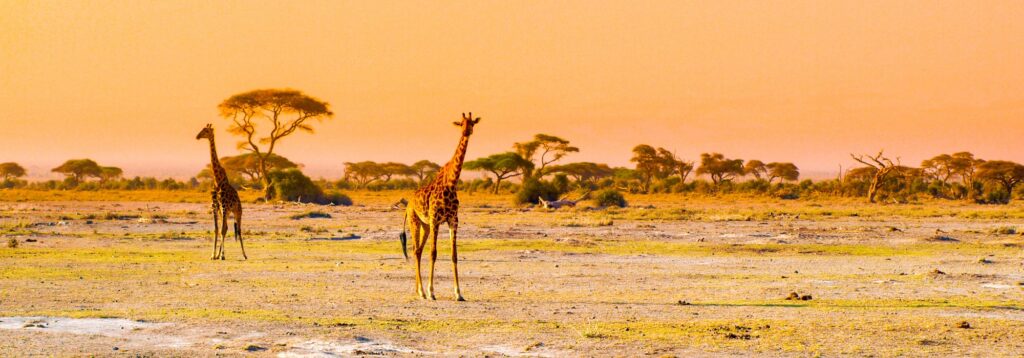
Good safari behaviour protects wildlife and improves the experience for everyone.
During game drives:
- Give animals enough space
- Allow them to cross the road
- Avoid blocking another vehicle’s view
- Keep voices low near wildlife
- Do not pressure guides to drive off-road illegally
- Avoid sharing precise locations of vulnerable animals publicly
- Take all litter out of the park
- Respect gate-closing times
Responsible tourism supports national parks, conservation work and communities connected to tourism.
Sample Seven-Day Tanzania Safari Itinerary
Day 1: Arrival in Arusha
Arrive at Kilimanjaro International Airport and transfer to your Arusha accommodation. Meet your safari representative for a briefing.
Day 2: Tarangire National Park
Drive to Tarangire for a full-day game drive. Search for elephants, giraffes, zebras, antelopes and predators among the baobab-dotted landscape.
Day 3: Serengeti National Park
Travel toward Serengeti through the Ngorongoro highlands. Enter the park and enjoy an afternoon game drive.
Day 4: Serengeti National Park
Spend a full day exploring Serengeti. Your guide will select the best areas according to wildlife movements and recent sightings.
Day 5: Serengeti to Ngorongoro
Enjoy another morning game drive before travelling toward the Ngorongoro Conservation Area.
Day 6: Ngorongoro Crater
Descend into the crater for wildlife viewing. Later, continue to Karatu or Arusha.
Day 7: Departure
Transfer to the airport or continue to Zanzibar Island for a beach holiday.
Frequently Asked Questions
Is Tanzania good for a first African safari?
Yes. Tanzania provides famous wildlife destinations, experienced guides and accommodation for different budgets. The northern circuit is particularly suitable for first-time safari travellers.
How many days are enough for a Tanzania safari?
Five to seven days are suitable for a balanced northern Tanzania safari. Travellers interested in the migration, photography or a slower schedule should consider seven to ten days.
Can children join a safari?
Yes. Private safaris are generally best for families because daily schedules can be adjusted. Age restrictions may apply to walking safaris and certain accommodation.
Will I see the Big Five?
Tanzania is home to lions, leopards, elephants, buffaloes and rhinoceroses. However, wildlife sightings are never guaranteed. Leopards and rhinos can be particularly difficult to find.
Is a Tanzania safari physically demanding?
Vehicle-based safaris are not normally strenuous, but they involve long drives and uneven roads. Walking safaris and mountain climbs require more fitness.
Can I combine a safari with Zanzibar?
Yes. Domestic flights connect Zanzibar with Arusha, Kilimanjaro, Serengeti and other destinations. A safari followed by four to seven beach nights is a popular combination.
What currency should I carry?
The Tanzanian shilling is used for local transactions. US dollars are commonly accepted for many tourism services, but notes should be in good condition. Payment policies vary, so confirm them before travelling.
Is Wi-Fi available?
Many lodges and camps provide Wi-Fi, but coverage can be slow or unavailable in remote locations. Mobile coverage also varies between parks.
Do safari vehicles have charging points?
Many vehicles provide charging facilities, but availability is not guaranteed. Carry a power bank and spare camera batteries.
Book Your Tanzania Safari
A successful safari begins with a realistic itinerary, suitable accommodation and enough time in each destination. Gowitos Safaris & Holidays can create a private or group safari based on your preferred parks, travel dates and budget.
We arrange:
- Wildlife safaris
- Great Migration tours
- Family safaris
- Honeymoon safaris
- Group camping safaris
- Luxury lodge safaris
- Mount Kilimanjaro climbs
- Zanzibar beach holidays
- Safari and beach combinations
Plan your journey with Gowitos Safaris & Holidays
WhatsApp: +255 769 100 815
Email: info@gowitossafarisandholidays.com
