
Many travellers search online for Selous National Park, but the official names are Selous Game Reserve and Nyerere National Park. In 2019, a large northern section of the historic Selous Game Reserve became Nyerere National Park. Today, most photographic safaris marketed as “Selous safaris” take place in Nyerere National Park, particularly around the Rufiji River.
Located in southern Tanzania, this vast wilderness offers a quieter alternative to the country’s famous northern safari circuit. Visitors can enjoy traditional game drives, boat safaris, guided walking experiences and excellent birdwatching without the heavy vehicle traffic found in some better-known destinations.
Whether you call it Selous National Park, Selous Game Reserve or Nyerere National Park, this remarkable part of Tanzania promises wild scenery, diverse wildlife and a rewarding sense of adventure.

Understanding Selous Game Reserve and Nyerere National Park
The Selous Game Reserve is one of Africa’s largest protected wilderness areas. It covers approximately 50,000 square kilometres and contains a mixture of miombo woodland, open grassland, riverine forest, wetlands and swamps. The reserve was added to the UNESCO World Heritage List in 1982 because of its ecological importance and exceptional wildlife diversity.
Nyerere National Park was established from the northern section of the Selous ecosystem in 2019. This is where most modern photographic tourism takes place.
Therefore:
- Selous Game Reserve is the historic reserve and UNESCO World Heritage property.
- Nyerere National Park is the national park created from the northern part of Selous.
- Selous National Park is a popular search term, but it is not the official name of either protected area.
- Most holidays advertised as Selous photographic safaris now operate inside Nyerere National Park.
Keeping the existing page address /selous-national-park/ can be helpful for SEO, especially if Google has already indexed it. However, the page content should explain the correct names clearly.
9 Amazing Selous and Nyerere Safari Experiences
1. Explore an Enormous African Wilderness
The scale of the Selous ecosystem is one of its greatest attractions. Its wide rivers, lakes, woodland and open plains create an atmosphere that feels remote and genuinely wild.
Unlike destinations where numerous vehicles may gather around one animal sighting, Nyerere National Park generally offers a quieter safari environment. Although visitor numbers vary by season and location, there is often more space to observe wildlife without feeling rushed.
This peaceful setting makes the destination particularly suitable for couples, photographers and returning safari travellers looking for something beyond Tanzania’s northern circuit.
2. Take a Boat Safari on the Rufiji River
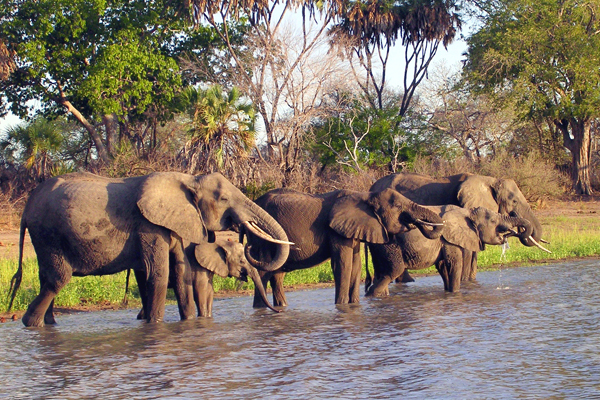
A boat safari is one of the defining experiences of a Selous and Nyerere safari. The Rufiji River winds through the landscape, supporting hippos, crocodiles, waterbirds and many animals that visit the riverbanks to drink.
From the boat, you may watch hippos surfacing nearby, crocodiles resting on sandy banks or elephants approaching the water. African fish eagles, kingfishers, herons and bee-eaters are frequently observed along the river.
Boat safaris are usually arranged in the morning or late afternoon, when temperatures are more comfortable and the light is better for photography. The experience provides a completely different perspective from a conventional game drive.
3. Search for African Wild Dogs
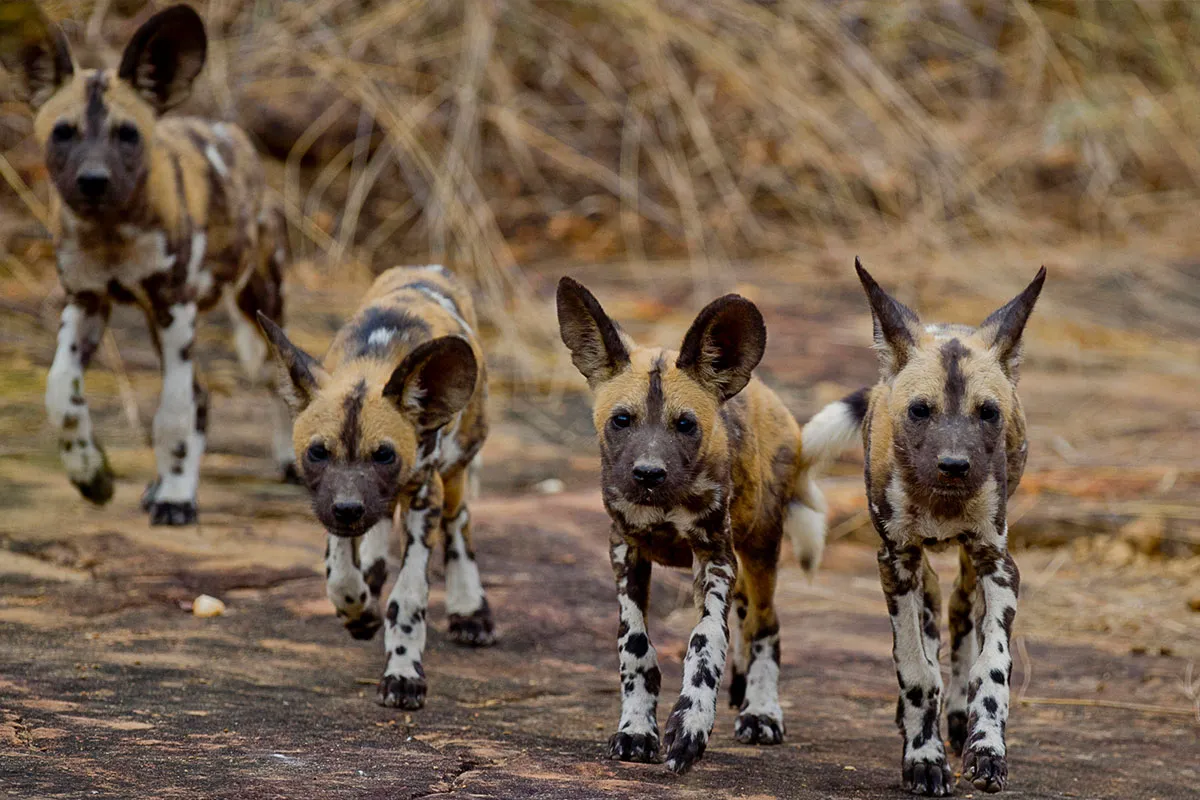
Nyerere National Park is well known as an important habitat for African wild dogs. These endangered predators are highly social and live in closely connected packs.
Seeing a wild dog pack is never guaranteed because the animals travel across large territories. Nevertheless, the park gives visitors a valuable opportunity to search for them in a relatively natural and uncrowded environment.
When wild dogs are located, guests may observe the pack resting, interacting or preparing to hunt. Their strong family relationships and coordinated behaviour make them fascinating animals to watch.
4. Enjoy Rewarding Game Drives
Game drives remain an essential part of the Selous National Park experience. The landscape supports elephants, buffaloes, giraffes, zebras, wildebeest, impalas, greater kudus, waterbucks and several predator species.
Lions are frequently among the most desired sightings. Leopards and spotted hyenas are also present, although they can be more difficult to locate.
Wildlife concentrations change with water availability and seasonal conditions. During the dry months, animals often gather near rivers, lakes and remaining water sources, helping experienced guides locate productive viewing areas.
The historic Selous ecosystem is also associated with black rhinoceroses, but these animals are extremely rare and should not be presented as an expected safari sighting. UNESCO identifies elephants, black rhinos, cheetahs, giraffes, hippos and crocodiles among the important wildlife found within the reserve.
5. Join a Guided Walking Safari
A guided walking safari allows you to experience the wilderness at a slower pace. Instead of concentrating only on large animals, you begin noticing tracks, plants, insects, birds and smaller details that can easily be missed from a vehicle.
Walks are conducted only in permitted areas and must be led by qualified professionals according to park regulations. Your guide explains how to recognise animal signs, understand the ecosystem and behave safely in the bush.
Walking safaris are generally arranged during the cooler morning hours. The duration and route depend on the camp, local conditions and the experience of the participants.
6. Photograph Hippos and Crocodiles
The Rufiji River system supports significant populations of hippos and Nile crocodiles. These animals can be observed during boat trips and from carefully selected viewpoints near the water.
Hippos often remain in the river during the day before leaving the water to feed after dark. Crocodiles may be seen floating quietly near the surface or resting along exposed riverbanks.
A telephoto lens is useful for capturing close-looking photographs while maintaining a safe and responsible distance. Visitors should always follow their guide’s instructions around rivers and lakes.
7. Discover Exceptional Birdlife
The variety of wetlands, woodland and riverine habitats makes Nyerere an excellent birdwatching destination. Both dedicated birders and casual visitors can enjoy an impressive range of species throughout the year.
Possible sightings include:
- African fish eagles
- Malachite kingfishers
- Southern carmine bee-eaters
- Yellow-billed storks
- Goliath herons
- African spoonbills
- Pelicans
- Hornbills
- Rollers
- Raptors and vultures
The wetter months can be especially attractive for bird photography because of migrant species, fresh vegetation and seasonal breeding activity.
8. Stay in a Riverside Safari Camp
Accommodation is one of the highlights of a southern Tanzania safari. Several camps and lodges are positioned near rivers, lakes or wildlife corridors, allowing guests to remain connected to nature even after the day’s activities have ended.
Depending on your chosen budget, accommodation may include comfortable tented camps, intimate luxury lodges or simpler safari facilities. Some properties are seasonal and close during the wettest part of the year.
A riverside camp can offer beautiful views, evening wildlife sounds and convenient access to boat safaris. However, guests should never walk around camp without permission, particularly after dark.
9. Combine Nyerere with Other Tanzanian Destinations
Nyerere National Park works well as part of a longer southern circuit safari. It can be combined with Mikumi National Park, Ruaha National Park or Udzungwa Mountains National Park.
It is also possible to combine a safari with a beach holiday in Zanzibar. Scheduled and charter flights can connect Zanzibar or Dar es Salaam with airstrips serving the Nyerere safari area, depending on the season and airline schedule.
Our team at Gowitos Safaris and Holidays can design a private itinerary based on your available time, preferred accommodation and travel budget.
Best Time to Visit Selous and Nyerere National Park
The most suitable travel period depends on your priorities.
June to October: Dry Season
The dry season is generally the best period for conventional wildlife viewing. Vegetation becomes thinner, and animals increasingly gather around dependable water sources.
Advantages include:
- Easier wildlife spotting
- Comfortable conditions for game drives
- Lower rainfall
- Good access to many safari areas
- Excellent opportunities near rivers and lakes
July through October is especially popular, so booking early is recommended for preferred camps and flights.
November to March: Green Season
Short rains usually begin around November, although weather patterns vary from year to year. The landscape becomes green, birdlife is excellent and newborn animals may be observed.
This season can offer:
- Lush scenery
- Fewer visitors
- Strong birdwatching opportunities
- Dramatic skies for photography
- Possible seasonal accommodation offers
Rain does not necessarily continue all day. It often arrives as a heavy shower followed by clearer conditions.
April and May: Heavier Rains
April and May commonly bring heavier rainfall. Some roads can become difficult, and several seasonal camps may close temporarily.
Travellers considering these months should confirm accommodation availability, flight operations and activity schedules before booking.
How to Reach Nyerere National Park
By Air
Flying is the most convenient option for many travellers. Scheduled or charter flights may operate from Dar es Salaam, Zanzibar and other safari destinations to airstrips serving Nyerere National Park.
Flight times and routes change according to season and operator. Your safari company should confirm the current timetable when arranging the trip.
By Road
Road transfers from Dar es Salaam are possible, but the journey can be long. Travel time depends on the departure point, route, road conditions and weather.
A road safari may suit travellers who enjoy seeing rural Tanzania and have a flexible schedule. During rainy periods, journey times can increase.
By Train and Road
Some itineraries may incorporate Tanzania’s rail network before continuing by road. This is less common for short luxury safaris but can be considered for travellers seeking a slower overland experience.
Suggested 3-Day Selous and Nyerere Safari Itinerary
Day 1: Dar es Salaam or Zanzibar to Nyerere
Fly or travel by road to Nyerere National Park. After arrival, meet your guide and transfer to your camp or lodge.
Depending on your arrival time and accommodation, enjoy lunch followed by an afternoon boat safari on the Rufiji River. Look for hippos, crocodiles, elephants and colourful waterbirds.
Return to your accommodation for dinner and overnight.
Day 2: Full-Day Wildlife Safari
After an early breakfast, begin a full-day game drive through Nyerere National Park.
Your guide will search for lions, elephants, buffaloes, giraffes, antelopes, zebras and African wild dogs. Stop for a picnic lunch at an approved location before continuing your wildlife exploration.
Return to camp in the late afternoon for dinner and relaxation.
Day 3: Walking Safari and Departure
Start the morning with a guided walking safari where available. Learn about animal tracks, plants, birds and the smaller features of the ecosystem.
Return for breakfast and transfer to the airstrip or begin the road journey to Dar es Salaam. The schedule may be adjusted to suit your flight and chosen accommodation.
Accommodation Options
Luxury Safari Lodges
Luxury properties may provide spacious tented suites, private verandas, swimming pools, personalised service and carefully prepared meals. Some packages include game drives, boat safaris and selected walking activities.
Mid-Range Tented Camps
Mid-range camps provide comfortable beds, private bathrooms and good-quality meals while maintaining a close connection to the wilderness. They can offer a strong balance between comfort and price.
Budget Accommodation
Budget accommodation may be located outside the park or use simpler camping arrangements. Travellers should confirm whether park fees, meals, transfers and activities are included when comparing prices.
What to Pack for Your Safari
Recommended items include:
- Lightweight, neutral-coloured clothing
- A warm layer for early mornings
- Comfortable closed walking shoes
- Sun hat and sunglasses
- High-SPF sunscreen
- Insect repellent
- Binoculars
- Camera with extra batteries
- Refillable water bottle
- Personal medication
- Passport and travel documents
- Small day bag
- Waterproof jacket during the rainy season
Avoid bringing camouflage clothing, particularly when travelling through airports or public areas. Soft-sided luggage is normally more suitable for small safari aircraft because baggage space is limited.
Responsible Travel in the Selous Ecosystem
Responsible tourism helps protect wildlife and supports people living near conservation areas.
During your visit:
- Follow your guide’s safety instructions.
- Never feed or disturb wild animals.
- Keep noise low at sightings.
- Do not leave plastic or other rubbish behind.
- Maintain a respectful distance from wildlife.
- Avoid purchasing products made from protected animals.
- Choose operators that employ Tanzanian guides and staff.
- Respect local communities and ask before photographing people.
- Use refillable bottles whenever practical.
The Selous Game Reserve has been listed as World Heritage in Danger since 2014, initially following serious declines in its elephant population caused by poaching. This history makes responsible conservation and well-managed tourism particularly important.
Frequently Asked Questions
Is Selous National Park the correct name?
No. The official protected areas are Selous Game Reserve and Nyerere National Park. “Selous National Park” remains a common search term because many travellers associate the wider destination with the historic Selous name.
Is Nyerere National Park part of Selous?
Nyerere National Park was created in 2019 from the northern portion of the wider Selous Game Reserve. The two are now separately designated protected areas within the broader ecosystem.
Is Selous better than Serengeti?
Neither destination is universally better. The Serengeti is famous for its extensive plains and Great Migration, while Nyerere offers a quieter southern safari with boat trips, walking opportunities and diverse river landscapes.
Can I take a boat safari in Nyerere National Park?
Yes. Boat safaris on the Rufiji River and connected waterways are among the park’s signature activities. Availability depends on water conditions, park rules and your chosen camp.
Are African wild dogs guaranteed?
No wild animal sighting is guaranteed. Nyerere is an important wild dog habitat, but packs move over large areas and can be difficult to locate.
How many days should I spend in Nyerere?
Three to four days are suitable for many first-time visitors. This normally allows enough time for game drives and a boat safari, with a walking experience where available.
Can I travel from Zanzibar to Nyerere?
Yes. Flights may operate between Zanzibar and airstrips serving Nyerere National Park. Routes and schedules vary by season, so availability should be confirmed before finalising the itinerary.
Is Nyerere suitable for children?
A private safari can be suitable for families, but age restrictions may apply to walking and boat activities. Parents should also consider transfer times, heat and accommodation safety policies.
Is the destination safe?
Organised safaris are generally conducted under strict safety procedures. Visitors must follow the instructions of guides, lodge staff and park authorities, especially around rivers, wildlife and unfenced camps.
Plan Your Selous and Nyerere Safari with Gowitos
A safari in the Selous ecosystem is ideal for travellers who value open wilderness, varied activities and a more peaceful wildlife experience. From Rufiji River boat trips to wild dog searches and guided nature walks, Nyerere National Park offers much more than a standard vehicle safari.
Gowitos Safaris and Holidays can arrange private safaris from Dar es Salaam, Zanzibar or other Tanzanian destinations. Your journey can be customised around your preferred dates, accommodation level and budget.
Contact Gowitos Safaris and Holidays
- WhatsApp: +255 769 100 815
- Email: info@gowitossafarisandholidays.com
- Website: Gowitos Safaris and Holidays
