
Understanding Mount Kilimanjaro Route Difficulty Levels
Choosing the right Mount Kilimanjaro climbing routes is one of the most important decisions when planning your journey to the Roof of Africa. Each route offers a different combination of scenery, terrain, trekking duration, accommodation and acclimatisation opportunities.
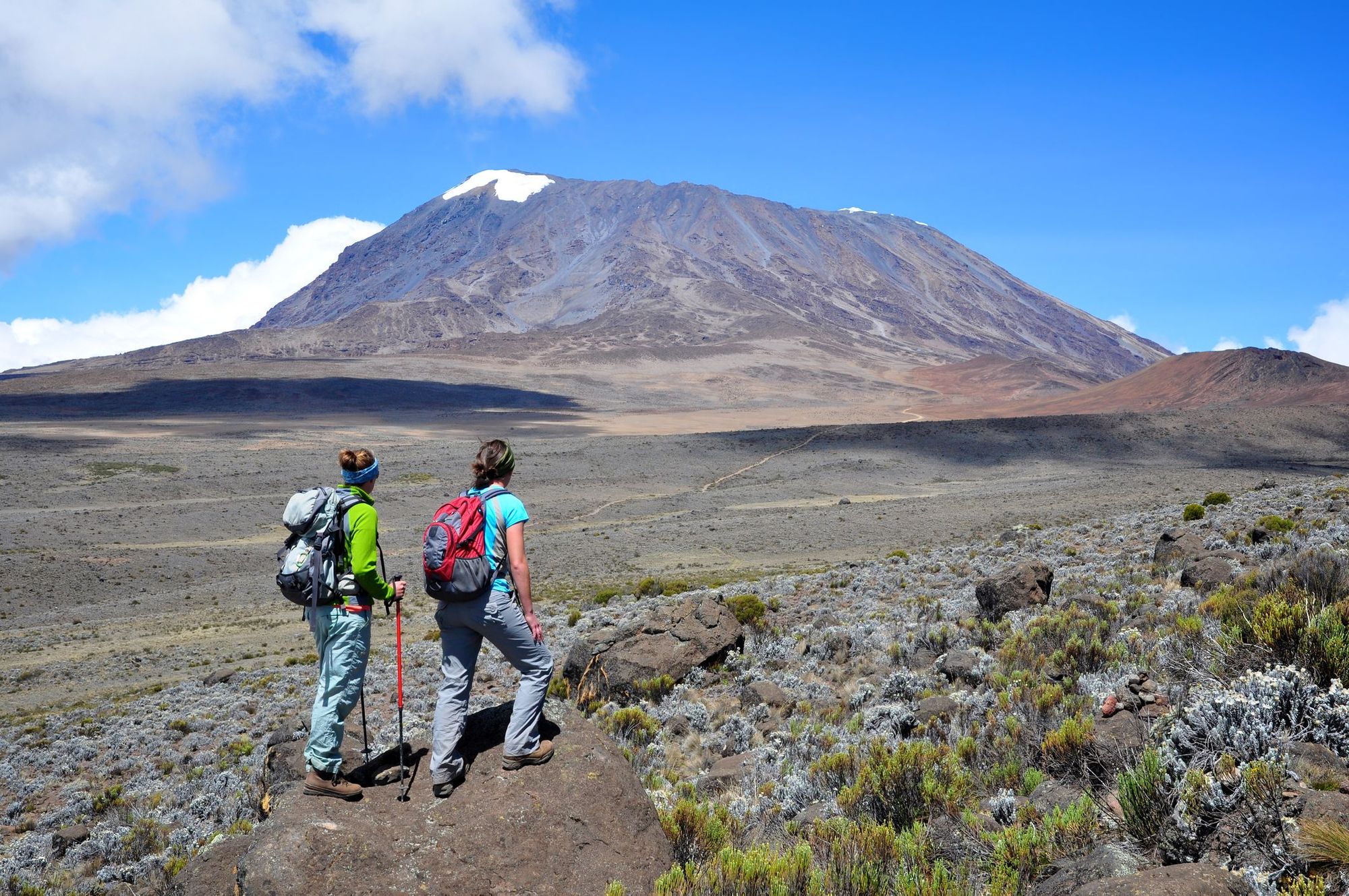
Mount Kilimanjaro stands at 5,895 metres above sea level, making it the highest mountain in Africa. Although the climb does not generally require technical mountaineering skills on the standard trekking routes, reaching Uhuru Peak demands physical preparation, endurance and sufficient time to adjust to high altitude.
The six popular climbing routes discussed in this guide are Lemosho, Machame, Marangu, Rongai, Northern Circuit and Umbwe. They differ considerably in difficulty and trekking experience.
Gowitos Safaris & Holidays helps international climbers plan Kilimanjaro adventures with experienced mountain teams, route recommendations and organised trekking arrangements.
Understanding Mount Kilimanjaro Route Difficulty Levels
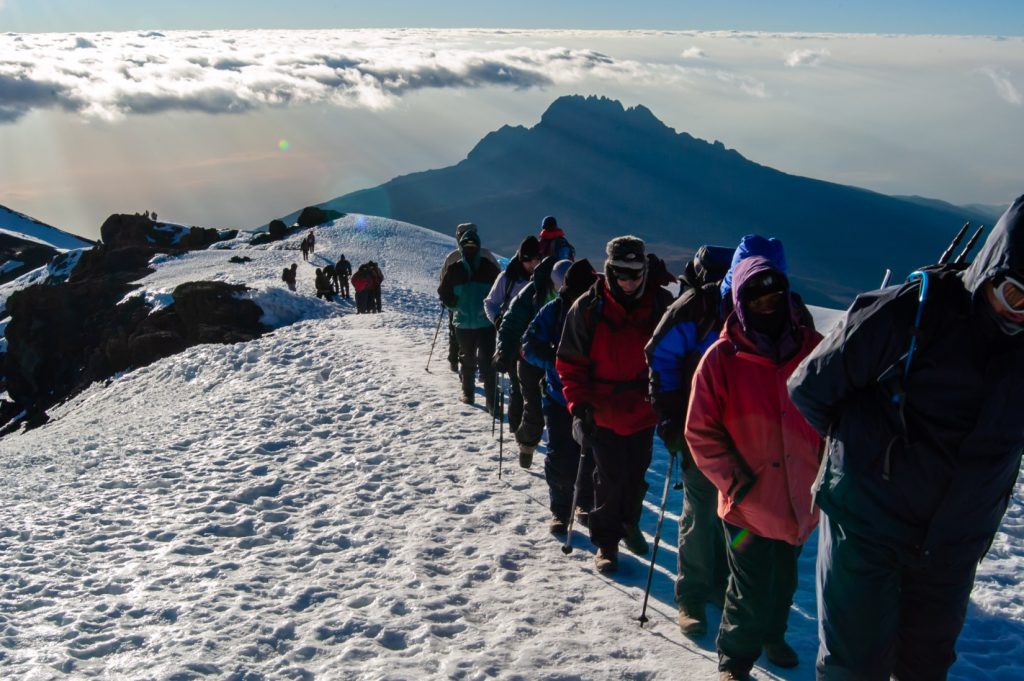
Kilimanjaro routes are often described as easy, moderate, challenging or difficult. However, these descriptions are relative. A route that is less demanding in terms of terrain may still be physically challenging because of altitude, daily walking distances and summit-night conditions.
When comparing routes, consider:
- Trekking duration: Longer itineraries generally allow more time for acclimatisation.
- Altitude gain: Rapid elevation gain can increase the risk of altitude-related illness.
- Terrain: Some routes include steep trails, rocky sections and exposed ridges.
- Daily distances: Longer trekking days require greater physical endurance.
- Crowds: Popular routes can be busier during peak climbing seasons.
- Accommodation: Marangu uses mountain huts, while the other routes in this guide use designated campsites.
The most important consideration is not simply choosing the easiest trail. It is selecting an itinerary that gives your body enough time to adapt to the altitude.
1. Lemosho Route – Scenic and Excellent for Acclimatisation
Difficulty: Moderate to challenging
Recommended duration: 7–8 days
The Lemosho Route is one of the most scenic approaches to Mount Kilimanjaro. It begins on the western side of the mountain and passes through beautiful rainforest, open moorland and the spectacular Shira Plateau.The route is popular with climbers who want a quieter beginning, impressive landscapes and a gradual approach towards the summit.One of its main advantages is the opportunity to spend additional time on the mountain. The longer itineraries provide a better acclimatisation profile than shorter climbs.
Highlights of the Lemosho Route
- Scenic rainforest and mountain landscapes.
- Beautiful views across the Shira Plateau.
- Opportunities to experience different ecological zones.
- A gradual approach through the western side of Kilimanjaro.
- Excellent opportunities for acclimatisation on longer itineraries.
- A route that joins the southern circuit before approaching the summit.
The Lemosho Route is a strong choice for first-time Kilimanjaro climbers who have good fitness and enough time for a longer trek.
2. Machame Route – The Scenic Whiskey Route
Difficulty: Moderate to challenging
Recommended duration: 6–7 days
The Machame Route, popularly known as the Whiskey Route, is one of the most popular ways to climb Mount Kilimanjaro.
It approaches the mountain from the south and takes climbers through rainforest, moorland, alpine desert and spectacular mountain landscapes.
The route is particularly attractive because of its varied scenery and the opportunity to follow the climb-high, sleep-low acclimatisation principle.
The six-day itinerary is more demanding because of its shorter acclimatisation schedule. For many climbers, the seven-day itinerary provides a more comfortable pace and additional time to adjust to altitude.
Highlights of the Machame Route
- Beautiful rainforest scenery on the first trekking day.
- Impressive views of the mountain and surrounding landscapes.
- The famous Barranco Wall.
- Opportunities for climb-high, sleep-low acclimatisation.
- A varied trail with different ecological zones.
- Descent through the Mweka Route.
Machame is an excellent option for climbers seeking dramatic scenery and a challenging but rewarding trekking experience.
3. Marangu Route – The Classic Coca-Cola Route
Difficulty: Moderate to challenging
Recommended duration: 6 days
The Marangu Route is one of the oldest and most established routes on Mount Kilimanjaro. It is commonly called the Coca-Cola Route and is the only standard climbing route that offers overnight accommodation in mountain huts rather than tents.
The route approaches Kilimanjaro from the southeast and follows a relatively gradual trail through rainforest, moorland and alpine desert.
Although the terrain is generally less steep than some other approaches, the shorter five-day itinerary provides limited time for acclimatisation. The six-day option is generally preferable because it includes an additional acclimatisation day at Horombo Hut.
Highlights of the Marangu Route
- The only standard route with mountain hut accommodation.
- A gradual walking trail through several vegetation zones.
- Established huts at Mandara, Horombo and Kibo.
- A popular option for climbers who prefer not to camp in tents.
- The same general trail is used for ascent and descent.
Marangu can become busy during peak climbing periods. Climbers should also understand that its relatively gentle terrain does not eliminate the risks associated with high altitude.
4. Rongai Route – The Northern Approach
Difficulty: Moderate to challenging
Recommended duration: 6–7 days
The Rongai Route is the only established climbing route that approaches Mount Kilimanjaro from the north, close to the Kenyan border.Compared with the southern approaches, Rongai is generally quieter during the early stages of the climb. Its northern location also means that it can experience different weather conditions from the wetter southern slopes.The route passes through remote landscapes, open woodland and alpine terrain before joining the final approach towards the summit.
A seven-day itinerary is generally preferable because it provides more time for acclimatisation than shorter versions.
Highlights of the Rongai Route
- The only northern approach to Kilimanjaro.
- A quieter wilderness experience during the early stages.
- Beautiful views towards the Kenyan side of the mountain.
- A route that can be attractive during wetter periods.
- Opportunities to experience different mountain landscapes.
Rongai is a good option for climbers seeking a less crowded approach and a different perspective of Kilimanjaro.
5. Northern Circuit Route – The Longest and Most Gradual Adventure
Difficulty: Moderate to challenging
Recommended duration: 8–9 days
The Northern Circuit is the longest established trekking route on Mount Kilimanjaro. It begins from the western side, following the Lemosho approach before continuing around the quieter northern slopes of the mountain.The extended itinerary gives climbers more time to gain altitude gradually and adapt to changing conditions.Unlike the busier southern approaches, the Northern Circuit offers a more remote trekking experience, with expansive views across the mountain and surrounding landscapes.
Some specially arranged itineraries may include Crater Camp near the summit, subject to permits, conditions and operational arrangements. Crater camping is not automatically included in every Northern Circuit climb.
Highlights of the Northern Circuit Route
- The longest established trekking route on Kilimanjaro.
- Excellent opportunities for gradual acclimatisation.
- Beautiful panoramic views around the northern slopes.
- Less crowded sections of the mountain.
- A varied journey through different ecological zones.
- Optional specialist crater-camping arrangements where permitted.
The Northern Circuit is particularly suitable for climbers who have enough time and want a longer mountain adventure with an emphasis on acclimatisation.
6. Umbwe Route – The Steepest and Most Challenging Approach
Difficulty: Very challenging
Recommended duration: 6–7 days
The Umbwe Route is known for its steep and direct ascent towards the southern side of Mount Kilimanjaro.
It begins in the rainforest before climbing through steep ridges and increasingly exposed mountain terrain. Compared with longer routes, Umbwe offers fewer opportunities for gradual acclimatisation, particularly on shorter itineraries.Because of its demanding terrain and rapid elevation gain, it is generally better suited to strong trekkers with previous high-altitude experience.
Although the route has been used by experienced mountaineers and endurance athletes, previous trekking experience does not remove the risks of altitude sickness.
Highlights of the Umbwe Route
- A steep and direct approach to the mountain.
- Beautiful rainforest scenery.
- Dramatic ridges and mountain landscapes.
- A demanding trekking experience.
- Fewer climbers on some sections compared with popular routes.
Umbwe is not usually the first recommendation for beginners or climbers who have not previously experienced high altitude. A carefully planned itinerary and appropriate acclimatisation are particularly important.
Mount Kilimanjaro Climbing Routes Compared
The following table provides a quick comparison of the six routes.
| Route | Typical duration | Relative difficulty | Accommodation |
|---|---|---|---|
| Lemosho | 7–8 days | Moderate–challenging | Camping |
| Machame | 6–7 days | Moderate–challenging | Camping |
| Marangu | 5–6 days | Moderate–challenging | Mountain huts |
| Rongai | 6–7 days | Moderate–challenging | Camping |
| Northern Circuit | 8–9 days | Moderate–challenging | Camping |
| Umbwe | 6–7 days | Very challenging | Camping |
Durations are typical itinerary ranges and can vary according to the operator and route configuration. Difficulty ratings are relative rather than medical or technical classifications.
Which Kilimanjaro Route Is Best for Beginners?
For many first-time climbers, Lemosho and Machame are attractive choices because they offer beautiful scenery and itineraries with useful acclimatisation opportunities.The Northern Circuit is also worth considering if you have enough time and prefer a longer, more gradual climb.Marangu may appeal to climbers who prefer mountain huts, but the six-day itinerary is generally a better choice than the shorter five-day version.Umbwe is usually less suitable for beginners because of its steep ascent and limited acclimatisation opportunities.
Your final route should be selected according to your fitness, trekking experience, available time and ability to manage high-altitude conditions.
Why Acclimatisation Matters When Climbing Kilimanjaro
Acclimatisation is the process by which the body gradually adjusts to lower oxygen availability at higher elevations.
As you climb Kilimanjaro, the air becomes thinner and your body needs time to adapt. Ascending too quickly can increase the risk of acute mountain sickness and other serious altitude-related conditions.
A well-planned itinerary should include:
- A gradual ascent whenever possible.
- Sufficient days on the mountain.
- Appropriate rest and hydration.
- A sensible walking pace.
- Monitoring for altitude-related symptoms.
- A clear emergency and descent plan.
The climb-high, sleep-low principle allows climbers to walk to a higher elevation during the day and return to a lower sleeping altitude where the itinerary permits.
No route or acclimatisation schedule completely removes altitude risk. Follow your mountain guides’ instructions and report symptoms promptly.
Best Time to Climb Mount Kilimanjaro
Mount Kilimanjaro can be climbed throughout the year, but some periods generally offer more favourable weather.
January to mid-March: This period is often popular for climbers seeking relatively clear conditions, although weather can change quickly at higher elevations.
June to October: These months generally form the main dry climbing season and attract many trekkers.
April to May: The long rainy season can bring wet trails, reduced visibility and more challenging trekking conditions.
November to December: The short rains may affect conditions, although climbs continue and weather varies.
The best departure depends on your preferred route, weather expectations, availability and tolerance for busy climbing periods.
Book Your Mount Kilimanjaro Climbing Adventure with Gowitos Safaris & Holidays
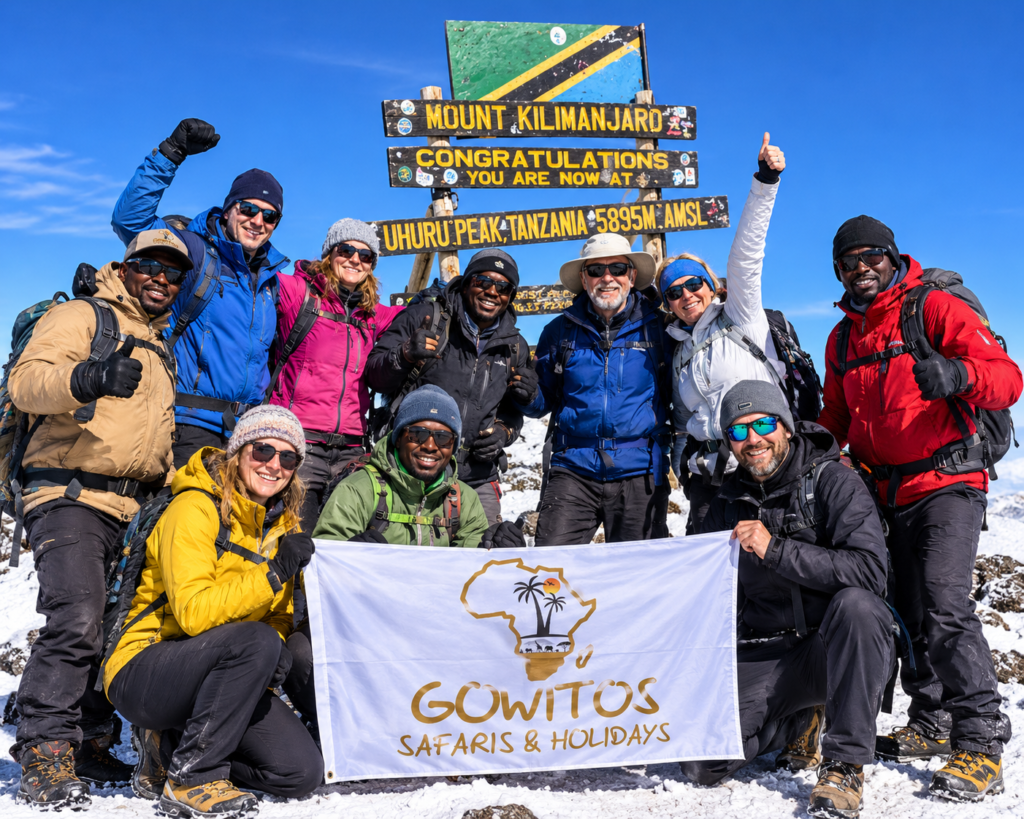
Gowitos Safaris & Holidays is a Tanzania-owned local tour operator and destination management company based in Arusha. We organise Mount Kilimanjaro climbing adventures for international travellers through planned trekking itineraries and mountain support teams.
We can help you choose a route based on your experience, fitness, travel dates and preferred duration.
Our climbing arrangements can include:
- Licensed mountain guides and mountain crew.
- Route planning and park entry arrangements.
- Mountain accommodation according to the selected route.
- Meals and drinking water arrangements on the mountain.
- Transfers to and from Kilimanjaro National Park.
- Pre-climb and post-climb accommodation arrangements on request.
- Private and group climbing arrangements.
Whether you are considering Lemosho, Machame, Marangu, Rongai, Northern Circuit or Umbwe, our team can help you plan your Kilimanjaro adventure.
Request Your Kilimanjaro Climbing Quotation
Ready to take on Africa’s highest mountain?
Contact Gowitos Safaris & Holidays for a personalised Kilimanjaro climbing quotation. Tell us your preferred route, travel dates, number of climbers and trekking experience so we can recommend a suitable itinerary.
Start planning your Mount Kilimanjaro climb today.
Website: https://gowitossafarisandholidays.com/
Email: info@gowitossafarisandholidays.com
WhatsApp: +255 769 100 815
Gowitos Safaris & Holidays – Your Local Tanzania Climbing and Safari Partner.
