
Prepare for Kilimanjaro’s Different Weather Conditions
How to Prepare for Mount Kilimanjaro For many adventure travellers, climbing Mount Kilimanjaro is a once-in-a-lifetime dream. Rising to 5,895 metres (19,341 feet) above sea level, Mount Kilimanjaro is the highest mountain in Africa and the world’s highest free-standing mountain.
Reaching Uhuru Peak is an extraordinary achievement, but climbing Kilimanjaro requires more than enthusiasm and a sense of adventure. Proper physical preparation, suitable equipment, good nutrition, mental determination and professional mountain support all play important roles in making your expedition safe and enjoyable.
One of the most common questions we receive at Gowitos Safaris and Holidays is: How do I prepare for Mount Kilimanjaro before travelling to Tanzania?
Whether you are an experienced hiker or preparing for your first high-altitude trekking adventure, these seven essential tips will help you get ready for your Kilimanjaro climb.
1. Start Training Before Your Kilimanjaro Climb
Physical preparation is one of the most important parts of getting ready for Mount Kilimanjaro. Although climbing the mountain does not require you to be a professional athlete, you should have enough endurance to walk for several hours on consecutive days.
Kilimanjaro is an endurance challenge rather than a race. Climbers usually walk at a slow and steady pace, allowing their bodies to adjust to the increasing altitude.
Start preparing at least two to three months before your scheduled departure, or earlier if you are not accustomed to regular physical activity.
Recommended training activities include:
- Hiking: Practise walking on natural trails, hills and uneven terrain.
- Walking: Build up your ability to walk for several hours without becoming exhausted.
- Stair climbing: Use stairs to strengthen your legs and improve endurance.
- Cycling: Improve cardiovascular fitness with regular cycling sessions.
- Strength training: Focus on your legs, core and lower-body stability.
- Back-to-back hikes: Practise hiking on consecutive days to prepare for the demands of a multi-day expedition.
Gradually increase the duration and difficulty of your training sessions. If possible, include hikes lasting four to six hours and practise walking with the backpack you intend to use on the mountain.
Remember that you do not need to run a marathon before climbing Kilimanjaro. Building consistent walking endurance is generally more relevant than focusing on speed or athletic performance.
2. Prepare for Kilimanjaro’s Different Weather Conditions
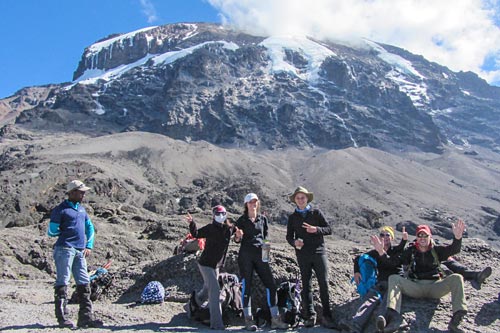
One of the most fascinating aspects of climbing Mount Kilimanjaro is experiencing several climatic zones during a single expedition.
The lower slopes are often warm and humid, while higher elevations become increasingly cold and exposed. Near the summit, temperatures can fall well below freezing, particularly during the night and early morning.
Preparing for these changing conditions is essential.
The best approach is to dress in layers so that you can adjust your clothing as temperatures change throughout the day.
Essential Clothing for Climbing Mount Kilimanjaro
Your clothing should provide warmth, comfort and protection against wind, rain and cold temperatures.
Recommended clothing includes:
- Moisture-wicking T-shirts and base layers.
- Long-sleeved thermal tops.
- Fleece jacket or mid-layer.
- Insulated down jacket.
- Waterproof and windproof outer jacket.
- Waterproof trekking trousers.
- Lightweight hiking trousers.
- Thermal underwear.
- Warm hiking socks.
- Waterproof ankle-supporting hiking boots.
- Warm gloves and lightweight inner gloves.
- Warm hat and sun hat.
- Neck gaiter or buff.
- Comfortable camp clothing.
Choose hiking boots that have already been properly broken in. Wearing new boots for the first time on the mountain can cause painful blisters and make your climb unnecessarily difficult.
Essential Equipment for Your Kilimanjaro Expedition
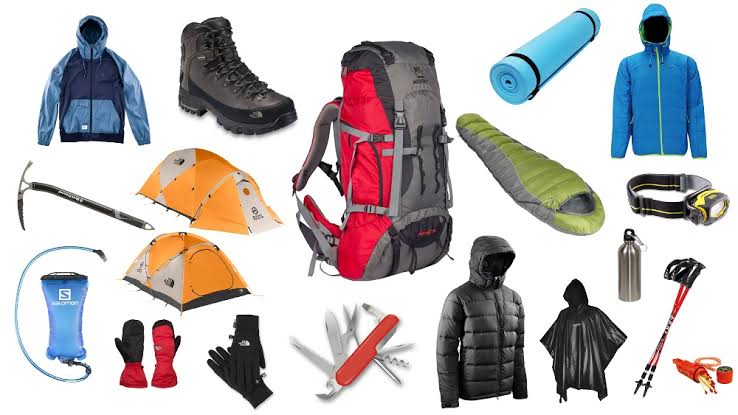
In addition to clothing, the right equipment will make your trekking experience more comfortable.
Consider packing:
- A comfortable daypack.
- A suitable sleeping bag rated for cold mountain conditions.
- Trekking poles.
- A reusable water bottle or hydration system.
- Headlamp with spare batteries.
- Sunglasses with UV protection.
- Sunscreen and lip balm.
- Personal toiletries.
- Energy bars and snacks.
- Personal medication.
- A small first-aid kit.
- Waterproof bags for protecting important belongings.
Your exact packing requirements will depend on the route, season and equipment supplied by your tour operator.
Training tip: Wear your hiking boots, socks and daypack during your preparation hikes. This helps you identify uncomfortable equipment, adjust your backpack and understand how your clothing performs during different weather conditions.
3. Build a Healthy Diet and Stay Hydrated
Nutrition is another important part of preparing for Mount Kilimanjaro. Your body needs sufficient energy to support long walking days, recover between stages and cope with the physical demands of high-altitude trekking.
Before travelling to Tanzania, develop healthy eating habits that include a balanced combination of carbohydrates, protein, healthy fats, vitamins and minerals.
Recommended Foods Before Your Kilimanjaro Climb
Include a variety of nutritious foods in your daily diet, such as:
- Bananas and other fresh fruits.
- Oats and whole grains.
- Eggs.
- Avocados.
- Nuts and seeds.
- Vegetables, including spinach and bell peppers.
- Beans and lentils.
- Fish and lean meat.
- Berries and citrus fruits.
- Yoghurt and other protein-rich foods.
Carbohydrates provide an important source of energy for endurance activities, while protein supports muscle recovery after training.
During your climb, regular meals and snacks help maintain energy levels. Your mountain team will normally arrange meals during the expedition, with menus designed to provide sufficient nourishment.
Stay Hydrated During Your Climb
Drinking enough water is important during high-altitude trekking.
Carry sufficient water for each hiking day and drink regularly rather than waiting until you feel thirsty. Your mountain guide can advise you on hydration requirements based on the weather, activity level and individual needs.
Avoid relying on energy drinks or excessive caffeine as substitutes for proper hydration and nutrition.
4. Understand Altitude and Prepare for High-Altitude Trekking
Physical fitness alone does not guarantee success on Mount Kilimanjaro.
One of the biggest challenges climbers face is altitude. As you ascend, atmospheric pressure decreases, meaning less oxygen is available with each breath.
This can cause altitude-related illnesses, including acute mountain sickness (AMS).
Common symptoms may include:
- Headache.
- Nausea.
- Dizziness.
- Loss of appetite.
- Unusual tiredness.
- Difficulty sleeping.
The risk of altitude sickness varies between individuals. Even physically fit and experienced hikers can develop altitude-related symptoms.
How to Reduce the Risk of Altitude Sickness
There is no guaranteed way to prevent altitude sickness, but several measures can reduce the risk.
Choose a suitable climbing route: Longer itineraries generally provide more opportunities for gradual acclimatisation.
Walk slowly: Follow your guide’s instructions and maintain a comfortable pace throughout the expedition.
Allow enough acclimatisation time: Avoid rushing your ascent, and choose an itinerary that provides a sensible altitude profile.
Communicate with your guide: Report any unusual symptoms immediately, even if they seem minor.
Follow medical advice: Discuss your fitness and any relevant medical conditions with a healthcare professional before your climb. Ask about altitude-related medication if appropriate.
Understand emergency procedures: Serious altitude illness can require immediate descent. Your safety must always come before reaching the summit.
Professional mountain teams should monitor climbers throughout the expedition and be prepared to respond to altitude-related emergencies.
5. Choose a Professional and Experienced Kilimanjaro Tour Operator
Selecting the right tour operator is one of the most important decisions you will make when planning your Kilimanjaro expedition.
A reliable local operator should provide qualified mountain guides, trained support staff, appropriate equipment, clear safety procedures and a well-organised climbing itinerary.
Before booking, research the company’s reputation and ask questions about its operations.
What to Look for When Choosing Your Kilimanjaro Operator
Consider the following factors:
- Proper business registration and relevant tourism licences.
- Experienced and qualified mountain guides.
- Knowledge of Kilimanjaro’s different routes.
- Trained mountain crew and porters.
- Emergency response and evacuation arrangements.
- Oxygen availability and appropriate medical monitoring equipment.
- Clear information about accommodation, meals and equipment.
- Transparent pricing and climbing inclusions.
- Responsible treatment of mountain staff.
Your mountain guide plays a particularly important role throughout the expedition. Experienced guides understand the mountain’s changing conditions, recognise possible symptoms of altitude sickness and help climbers maintain a safe walking pace.
Ask your tour operator how it monitors climbers’ health, handles emergencies and supports climbers who need to descend.
At Gowitos Safaris and Holidays, we help travellers organise Kilimanjaro climbing experiences with local mountain support and carefully planned itineraries.
Our team can help you select a route that matches your available time, experience and travel preferences.
6. Choose the Right Kilimanjaro Climbing Route
Mount Kilimanjaro has several established climbing routes, each offering a different trekking experience, landscape and acclimatisation profile.
Choosing the right route is an important part of preparing for your expedition.
The main routes include:
Marangu Route
The Marangu Route is one of the oldest and most established routes on Mount Kilimanjaro. It is commonly known as the Coca-Cola Route and is the only standard route that offers mountain hut accommodation throughout the climb.
It is often selected by climbers who prefer sleeping in huts rather than tents.
Machame Route
The Machame Route is popularly known as the Whiskey Route. It offers beautiful scenery, diverse landscapes and a gradual climbing experience when completed over an appropriate number of days.
It is a popular choice for climbers seeking a scenic and rewarding expedition.
Lemosho Route
The Lemosho Route approaches Kilimanjaro from the western side. It is known for its beautiful landscapes, quieter initial trekking sections and opportunities for acclimatisation on longer itineraries.
It is an excellent option for climbers with enough time for a longer expedition.
Rongai Route
The Rongai Route approaches Mount Kilimanjaro from the northern side, close to the Kenyan border.
It generally experiences different weather patterns from some of the southern approaches and offers a distinct perspective of the mountain.
Northern Circuit Route
The Northern Circuit is one of the longest established trekking itineraries on Kilimanjaro. It circles much of the northern slopes and provides additional time for acclimatisation.
It is particularly suitable for climbers who prefer a longer expedition.
Shira Route
The Shira Route approaches the mountain from the western side and shares parts of its journey with the Lemosho approach.
Because of its relatively high starting elevation, it may be less suitable for climbers who have not had time to acclimatise.
Umbwe Route
The Umbwe Route is a steep and demanding approach known for its challenging ascent.
It is generally more suitable for experienced mountain trekkers and is not usually the first choice for climbers who need additional acclimatisation time.
Important: The number of days spent climbing can influence your acclimatisation opportunities. A longer itinerary is often preferable to a rushed ascent, although no route guarantees reaching Uhuru Peak.
7. Prepare Mentally and Book Your Kilimanjaro Adventure
Climbing Mount Kilimanjaro is as much a mental challenge as it is a physical one.
During the expedition, you will experience long hiking days, changing weather, early morning starts and potentially uncomfortable conditions at high altitude.
There may be moments when you feel tired or question your ability to continue. Developing a positive and realistic mindset before travelling can help you manage these challenges.
Mental Preparation Tips
- Set realistic expectations about the difficulty of the climb.
- Focus on reaching each camp rather than thinking only about the summit.
- Remain patient and follow your guide’s instructions.
- Accept that the mountain can present unpredictable weather.
- Prepare yourself for early starts and long trekking days.
- Remember that your health and safety are more important than reaching the summit.
Once you have chosen your preferred route and travel dates, arrange your booking early enough to organise flights, accommodation, equipment and physical training.
Having your expedition planned gives you a clear preparation timeline and allows you to look forward to your adventure.
What Is the Best Time to Prepare for Climbing Mount Kilimanjaro?
Ideally, begin your physical preparation two to three months before your scheduled climb. If you are new to hiking or regular exercise, starting four to six months in advance can give you more time to build endurance gradually.
Kilimanjaro can be climbed throughout the year, although January to early March and June to October are generally popular periods because of their relatively favourable weather conditions.
Your preparation should include regular walking, strength training, equipment checks and familiarisation with multi-day hiking.
Final Thoughts: Get Ready for Your Mount Kilimanjaro Adventure
Reaching the summit of Mount Kilimanjaro is an unforgettable achievement, but a successful expedition begins long before you arrive in Tanzania.
Building physical endurance, choosing appropriate clothing, eating well, understanding altitude sickness and selecting a professional tour operator are all important steps towards preparing for the mountain.
Take your time, prepare properly and approach your climb with realistic expectations. Remember that reaching the summit is a goal, but enjoying the journey and returning safely are equally important.
Climb Mount Kilimanjaro with Gowitos Safaris and Holidays
Are you ready to experience Africa’s highest mountain?
Gowitos Safaris and Holidays is a locally owned and licensed Tanzania tour operator and destination management company (DMC) based in Arusha.
We organise private and group Mount Kilimanjaro climbing expeditions, offering different routes and itineraries to suit individual travel plans.
Whether you are interested in the Marangu, Machame, Lemosho, Rongai, Northern Circuit or another climbing option, our team can help you plan your adventure.
We can also combine your Kilimanjaro climb with an unforgettable wildlife safari in Serengeti National Park, Ngorongoro Crater, Tarangire National Park or a relaxing beach holiday in Zanzibar.
Start planning your Mount Kilimanjaro adventure today.
Visit https://gowitossafarisandholidays.com/ to explore our climbing packages or contact our team for a personalised quotation.
