


Best 4 Days Mount Meru Climb 2027, 2028 & 2029
Explore Tours
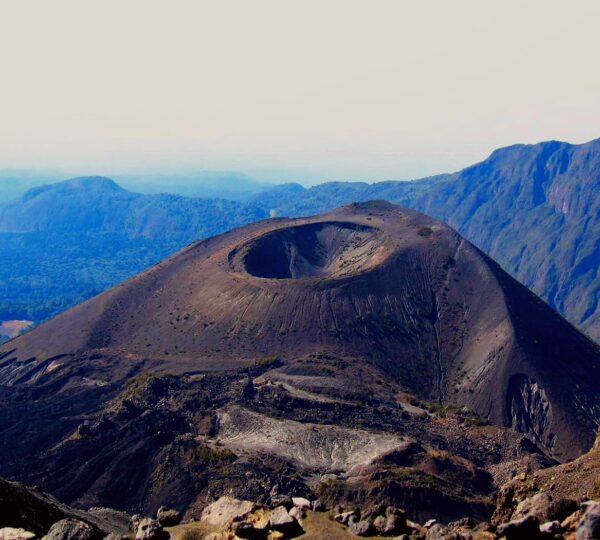
The 4 Days Mount Meru Climb is a scenic mountain adventure through Arusha National Park to Socialist Peak, the highest point on Mount Meru. Rising to approximately 4,566 metres above sea level, Mount Meru is Tanzania’s second-highest mountain and one of East Africa’s most rewarding trekking destinations.
The four-day itinerary follows the Momella Route and provides a more gradual climbing schedule than the shorter three-day option. Trekkers pass through open grassland, montane forest, giant heather, alpine desert and a dramatic volcanic landscape before reaching the summit.
Unlike most Kilimanjaro routes, the lower slopes of Mount Meru pass through an active wildlife area. A park ranger normally accompanies trekking groups for safety during the climb. Depending on the route and conditions, hikers may see buffaloes, giraffes, warthogs, antelopes, monkeys and numerous bird species.
Mount Meru Climb Overview
| Climb information | Details |
|---|---|
| Duration | 4 days and 3 nights |
| Mountain | Mount Meru |
| Summit | Socialist Peak |
| Summit altitude | Approximately 4,566 metres |
| Trekking route | Momella Route |
| Starting point | Momella Gate |
| Ending point | Momella Gate |
| Overnight accommodation | Mountain huts |
| Difficulty | Challenging |
| Best time | January–February and June–October |
| Starting town | Arusha or Moshi |
Highlights of the 4 Days Mount Meru Climb
- Reach Socialist Peak at approximately 4,566 metres
- Trek through the beautiful landscapes of Arusha National Park
- Spend a night at Miriakamba Hut
- Stay at Saddle Hut before the summit attempt
- Take an optional acclimatization hike to Little Meru
- Walk along Mount Meru’s dramatic crater rim
- See the mountain’s volcanic ash cone
- Watch the sunrise near the summit
- Enjoy possible views of Mount Kilimanjaro
- Walk through montane forest and alpine vegetation
- Encounter wildlife on the lower slopes
- Climb with a professional mountain team and armed park ranger
Why Choose the Four-Day Mount Meru Route?
Mount Meru can be climbed in three or four days. The 4 Days Mount Meru Climb offers a more comfortable descent schedule because climbers spend the third night at Miriakamba Hut instead of continuing directly to Momella Gate after the summit.
The summit day is long and physically demanding. Breaking the descent into two days provides more time to recover and reduces the pressure to complete the entire mountain in three days.
The four-day option is recommended for:
- First-time high-altitude trekkers
- Travelers preparing for Mount Kilimanjaro
- Photographers who prefer a slower pace
- Climbers who want additional recovery time
- Travelers interested in Arusha National Park’s scenery and wildlife
Detailed 4 Days Mount Meru Climb Itinerary
Day 1: Arusha to Momella Gate and Miriakamba Hut
Starting altitude: Approximately 1,500 metres
Ending altitude: Approximately 2,514 metres
Trekking distance: Approximately 10 kilometres
Walking time: Approximately 4–6 hours
Habitat: Grassland and montane forest
After breakfast at your hotel, the Gowitos Safaris and Holidays team will collect you and drive to Arusha National Park.
At Momella Gate, the guide will complete the park-registration procedures while the porters organize the equipment, food and supplies. You will also meet the armed park ranger who accompanies the trekking group through the wildlife area.
The climb begins across the lower slopes of Mount Meru. Depending on the selected trail, weather and park instructions, the route may pass through open grassland and forest.
Possible wildlife sightings include:
- Giraffes
- Cape buffaloes
- Warthogs
- Bushbucks
- Black-and-white colobus monkeys
- Blue monkeys
- Baboons
- Various forest birds
Wildlife sightings cannot be guaranteed, and trekkers must follow the ranger’s safety instructions at all times.
As the trail climbs, the vegetation becomes denser and cooler. Your guide will maintain a steady pace to help your body adjust to the increasing altitude.
You will arrive at Miriakamba Hut in the afternoon. After settling into the hut, you can rest, enjoy dinner and receive a briefing about the following day’s climb.
Accommodation: Miriakamba Hut
Meals: Lunch and dinner
Day 2: Miriakamba Hut to Saddle Hut and Little Meru
Starting altitude: Approximately 2,514 metres
Ending altitude: Approximately 3,570 metres
Highest optional point: Little Meru, approximately 3,800 metres
Trekking distance: Approximately 8 kilometres, excluding Little Meru
Walking time: Approximately 3–5 hours, plus the optional acclimatization hike
Habitat: Montane forest and giant heather
After breakfast, continue climbing from Miriakamba Hut toward Saddle Hut.
The trail becomes steeper as it passes through forest and giant heather. The vegetation gradually changes as you gain altitude, and the air becomes cooler.
You may pass viewpoints overlooking the Meru Crater, ash cone and surrounding landscape. On a clear day, distant views may extend toward Mount Kilimanjaro.
After arriving at Saddle Hut, you will have lunch and rest. Later in the afternoon, strong and well-acclimatized climbers may take an optional hike to Little Meru.
The Little Meru climb helps with acclimatization and provides additional mountain views. Participation depends on your condition, weather and the guide’s assessment.
You will return to Saddle Hut for an early dinner and summit briefing. Climbers normally sleep early because the final ascent begins around midnight.
Accommodation: Saddle Hut
Meals: Breakfast, lunch and dinner
Day 3: Saddle Hut to Socialist Peak and Miriakamba Hut
Starting altitude: Approximately 3,570 metres
Summit altitude: Approximately 4,566 metres
Ending altitude: Approximately 2,514 metres
Trekking distance: Approximately 18–20 kilometres
Walking time: Approximately 10–14 hours
Habitat: Alpine desert, rocky ridge and montane forest
You will wake around midnight for tea and a light meal before beginning the summit attempt.
Wearing a headlamp and warm clothing, you will climb slowly through steep and rocky terrain. The route commonly passes Rhino Point before continuing along the crater ridge toward Socialist Peak.
Some sections are narrow, exposed or covered with loose volcanic material. Careful footing and close attention to the guide’s instructions are essential.
The objective is to reach Socialist Peak around sunrise, depending on your pace and mountain conditions. Mount Meru’s main summit stands at approximately 4,566 metres.
From the summit area, clear conditions may reveal the volcanic crater, ash cone, Arusha National Park and Mount Kilimanjaro in the distance.
After photographs and a short rest, you will begin descending to Saddle Hut. The descent requires concentration because tired legs and loose terrain can increase the risk of slipping.
At Saddle Hut, you will rest and eat before continuing down through the heather and forest to Miriakamba Hut. This is a long and demanding day, but spending the night at Miriakamba allows more recovery time than the three-day route.
Accommodation: Miriakamba Hut
Meals: Breakfast, lunch and dinner
Day 4: Miriakamba Hut to Momella Gate and Return to Arusha
Starting altitude: Approximately 2,514 metres
Ending altitude: Approximately 1,500 metres
Trekking distance: Approximately 8–10 kilometres
Walking time: Approximately 3–4 hours
Habitat: Montane forest and grassland
After breakfast, begin the final descent from Miriakamba Hut to Momella Gate.
The walk passes through forest and lower mountain habitats, providing another opportunity to observe birds, monkeys and larger wildlife. The ranger and guide will determine the final route according to park instructions and trail conditions.
Upon reaching Momella Gate, you will complete the exit procedures and meet the transfer vehicle. Eligible climbers may receive a summit certificate according to park procedures.
You will then return to Arusha or Moshi for a hot shower and rest.
Accommodation: Not included unless requested
Meals: Breakfast and lunch
How Difficult Is the Mount Meru Climb?
The 4 Days Mount Meru Climb is physically demanding. It is shorter than most Kilimanjaro programs, but the route includes steep ascents, a long summit day, cold temperatures and exposed ridge sections.
The main challenges include:
- Rapid altitude gain
- Steep forest and heather trails
- Midnight summit departure
- Rocky and loose terrain
- Cold temperatures
- A long third day
- Narrow or exposed ridge sections
- Significant descent after reaching the summit
Previous technical climbing experience is not normally required, but trekkers should be physically fit, comfortable with long hikes and prepared for high-altitude conditions.
Altitude and Acclimatization
Mount Meru rises quickly from Momella Gate to Socialist Peak. Climbers may experience headache, nausea, dizziness, unusual tiredness, reduced appetite or disturbed sleep.
Tell your guide immediately if you develop symptoms. Never hide illness to continue climbing.
Severe or worsening altitude symptoms require descent and medical assessment. Reaching the summit must never take priority over your health.
The optional Little Meru hike may assist acclimatization, but it does not eliminate the risk of altitude sickness.
Travelers with heart, lung, blood-pressure or other significant medical conditions should consult a qualified healthcare professional before booking.
Best Time to Climb Mount Meru
Mount Meru can be climbed during much of the year, but some periods generally provide better trail and weather conditions.
January to February
These months often provide relatively clear conditions and warmer daytime temperatures. Rain remains possible.
March to May
The long-rain season can produce wet, muddy and slippery trails. Clouds may reduce mountain views.
June to October
This is a popular climbing period, with generally drier conditions and colder nights at higher elevations.
November to December
Short seasonal rains may occur. Conditions vary, and clear periods are still possible.
Mountain weather can change quickly during any month. Climbers must be prepared for rain, wind, cold and strong sunlight.
Mount Meru as Kilimanjaro Preparation
Mount Meru is commonly used as an acclimatization and training climb before Mount Kilimanjaro.
It introduces trekkers to:
- Mountain-hut routines
- High-altitude hiking
- Slow walking techniques
- Layering clothing
- Midnight summit starts
- Trekking with guides and porters
- Eating and drinking at altitude
- Long ascents and descents
However, climbing Mount Meru does not guarantee success on Kilimanjaro. Each mountain has different distances, elevations and altitude demands.
Explore our Mount Meru information and Kilimanjaro climbing options through Gowitos Safaris and Holidays.
Mountain Accommodation
Trekkers sleep in basic mountain huts rather than tents.
Miriakamba Hut
Miriakamba Hut is used on the first and third nights. Accommodation is simple and shared, with basic sleeping and dining facilities.
Saddle Hut
Saddle Hut is located below the final summit route. Climbers rest here before the midnight departure for Socialist Peak.
Mountain huts do not provide hotel-style comfort. Climbers should expect shared facilities, simple sleeping arrangements and limited privacy.
Mount Meru Climbing Team
The support team may include:
- Professional mountain guide
- Assistant guide according to group size
- Armed park ranger
- Cook
- Porters
The guide leads the climb and monitors the team’s health. The park ranger provides wildlife-related security in accordance with Arusha National Park procedures.
Porters carry group equipment, food and supplies. Climbers carry a personal daypack containing water, rain gear, warm layers and items needed during the day.
What Is Included?
- Return transportation from Arusha to Momella Gate
- Professional Mount Meru guide
- Assistant guide according to group size
- Armed park ranger
- Cook and porters
- Arusha National Park entrance fees
- Mount Meru climbing and hut fees
- Rescue fees charged by the park
- Three nights of mountain-hut accommodation
- Meals during the climb
- Treated or boiled drinking water on the mountain
- Group climbing equipment
- Government taxes related to included services
- Transfer from Momella Gate to Arusha after the climb
What Is Not Included?
- International and domestic flights
- Tanzania visa
- Travel and medical insurance
- Hotel accommodation before and after the climb
- Personal climbing clothing and equipment
- Sleeping bag
- Trekking poles unless arranged
- Personal medication
- Alcoholic and soft drinks
- Tips for guides, porters, cooks and rangers
- Emergency medical treatment
- Personal expenses
- Services not listed under the inclusions
Recommended Climbing Equipment
Bring suitable equipment for cold, wet and changing mountain conditions.
Clothing
- Waterproof jacket
- Waterproof trousers
- Insulated summit jacket
- Warm fleece
- Thermal base layers
- Trekking trousers
- Moisture-wicking shirts
- Warm hat
- Sun hat
- Warm gloves
- Spare socks
Footwear
- Waterproof trekking boots
- Lightweight shoes for the huts
- Gaiters
- Comfortable hiking socks
Personal Equipment
- Warm sleeping bag
- Headlamp with spare batteries
- Trekking poles
- Daypack
- Duffel bag
- Water bottles or hydration system
- Sunglasses
- Sunscreen
- Personal first-aid supplies
- Toiletries
- Personal medication
- Power bank
- Waterproof dry bags
Cotton clothing is not recommended for cold mountain conditions because it dries slowly.
Training for Mount Meru
Training should begin several weeks before departure.
A useful program may include:
- Regular walking or hiking
- Hill and stair training
- Cardiovascular exercise
- Leg-strength exercises
- Core-strength training
- Long walks while carrying a daypack
- Practice hikes in trekking boots
Training improves fitness but does not prevent altitude sickness. A slow pace, adequate hydration and honest communication with your guide remain important.
Food and Drinking Water
The mountain cook prepares meals during the climb. Food may include soup, rice, pasta, potatoes, vegetables, eggs, fruit, meat and hot drinks.
Dietary requirements should be communicated before arrival. Vegetarian meals can normally be arranged.
Drinking water is collected from approved mountain sources and treated or boiled by the trekking team. Climbers should carry sufficient water during each day’s hike.
Wildlife Safety
The lower slopes of Mount Meru pass through wildlife habitat inside Arusha National Park.
For safety:
- Remain with your guide and ranger
- Never approach wild animals
- Do not leave the trail without permission
- Avoid feeding wildlife
- Keep noise controlled
- Follow the ranger’s instructions immediately
- Never walk alone around the mountain huts
Wildlife sightings are possible but cannot be guaranteed.
Responsible Mountain Trekking
Gowitos Safaris and Holidays encourages responsible trekking practices.
Climbers should:
- Carry all rubbish down the mountain
- Use designated toilet facilities
- Avoid damaging plants
- Stay on authorized trails
- Treat mountain staff respectfully
- Avoid disturbing wildlife
- Follow national park regulations
- Keep water sources clean
- Avoid unnecessary single-use plastics
Optional Extensions
The climb can be combined with:
- Arusha National Park safari
- Tarangire National Park
- Manyara National Park Day Tour
- Ngorongoro Conservation Area
- Serengeti National Park
- Kilimanjaro climbing
- Chemka Hot Spring Day Tour
- Zanzibar Island holiday
Why Book With Gowitos Safaris and Holidays?
Gowitos Safaris and Holidays organizes mountain climbs, wildlife safaris, cultural tours and Zanzibar holidays throughout Tanzania.
Booking with us provides:
- Professional local mountain guides
- An organized climbing support team
- Transparent package inclusions
- Private pre-climb briefing
- Reliable park transportation
- Attention to mountain safety
- Flexible safari and Zanzibar extensions
- Local assistance before and during the climb
Frequently Asked Questions
How high is Mount Meru?
Socialist Peak, Mount Meru’s main summit, stands at approximately 4,566 metres above sea level.
Is Mount Meru easier than Kilimanjaro?
Mount Meru is lower and shorter, but it is still a challenging high-altitude climb. Some sections are steep, rocky and exposed.
Is four days better than three days?
The four-day route provides a more gradual finish because trekkers sleep at Miriakamba Hut after the summit instead of descending directly to Momella Gate.
Do I need technical climbing skills?
Technical climbing equipment is not normally required on the standard route, but hikers must be comfortable with steep, rocky and exposed terrain.
Is an armed ranger required?
A park ranger normally accompanies Mount Meru trekking groups because the lower trail passes through wildlife habitat.
Where do climbers sleep?
Climbers stay in basic shared mountain huts at Miriakamba and Saddle.
Is Little Meru included?
The optional Little Meru acclimatization hike can usually be attempted on Day 2 if weather, time and the climber’s condition allow.
Can beginners climb Mount Meru?
Fit and well-prepared beginners may attempt the climb with professional guidance. Previous multi-day hiking experience is helpful.
Is altitude sickness possible?
Yes. Altitude sickness can affect anyone regardless of age or fitness. Symptoms must be reported immediately to the guide.
Can children climb Mount Meru?
Minimum-age and park requirements must be confirmed before booking. The climb’s altitude and exposed terrain may not be suitable for younger children.
Can vegetarian meals be arranged?
Yes. Vegetarian and other dietary requirements can normally be accommodated when communicated in advance.
Can I rent climbing equipment?
Some personal equipment may be available for rent in Arusha. Sizes and availability should be confirmed before arrival.
Can I combine Mount Meru with Kilimanjaro?
Yes. Mount Meru can provide useful high-altitude trekking experience before a Kilimanjaro climb. Rest days should be included between the mountains.
Can I book for 2027, 2028 or 2029?
Yes. Advance reservations are available for 2027, 2028 and 2029. Final prices depend on park fees, group size, transfers and additional services.
Book Your 4 Days Mount Meru Climb
Climb through the forests and volcanic landscapes of Arusha National Park before reaching Socialist Peak at approximately 4,566 metres.
Gowitos Safaris and Holidays will organize your mountain guide, ranger, porters, accommodation, meals, park fees and transportation.
Website: Gowitos Safaris and Holidays
WhatsApp: +255 769 100 815
Email: info@gowitossafarisandholidays.com
Contact us for availability and pricing for the 4 Days Mount Meru Climb in 2027, 2028 or 2029.


