
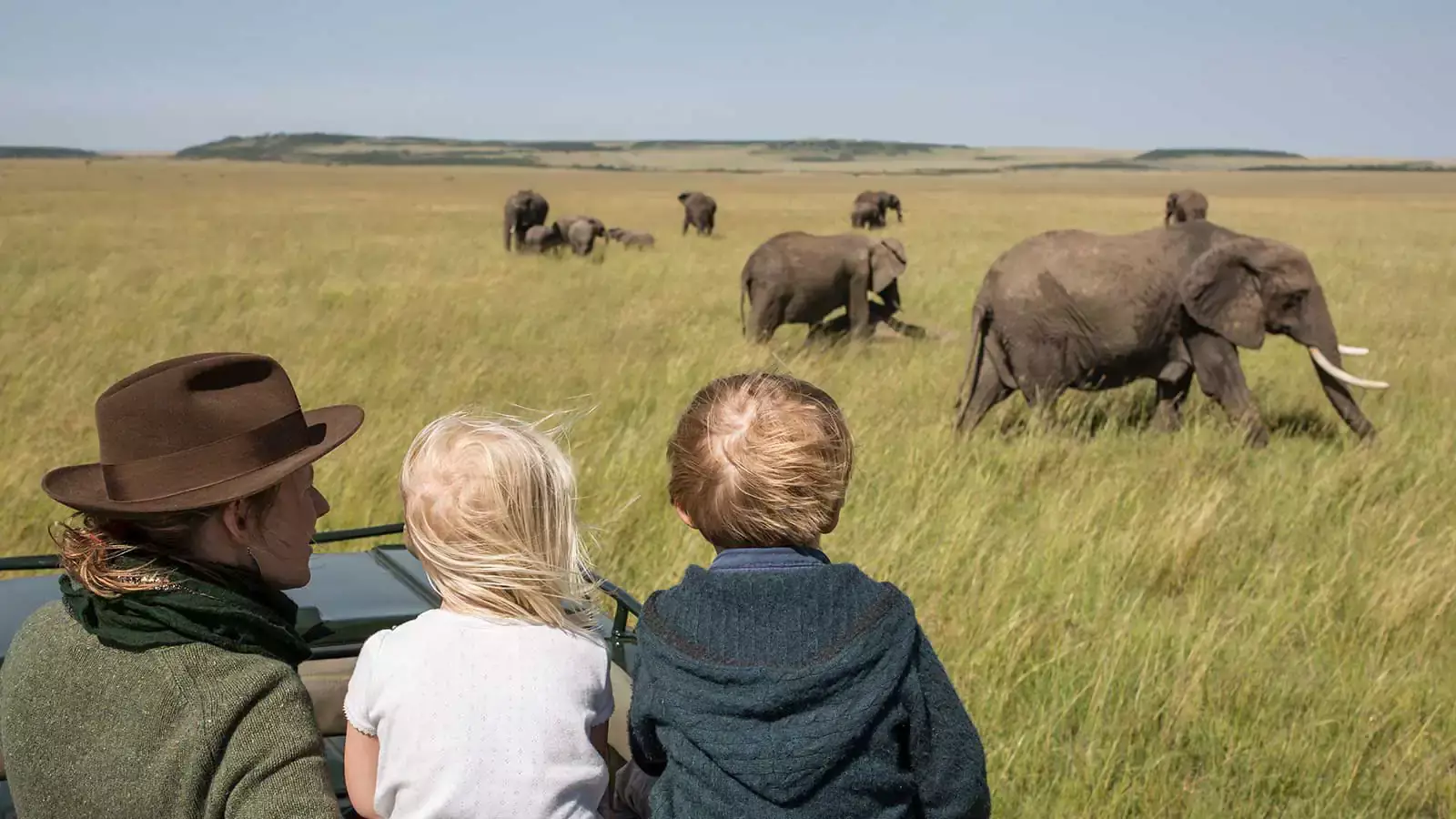
The best time to visit Africa for a safari depends on the country, wildlife experience and type of scenery you want. Africa is a vast continent, and rainfall patterns are not identical across Tanzania, Kenya, Botswana, South Africa, Namibia, Uganda, Rwanda, Zambia and Zimbabwe.
For classic wildlife viewing, the dry months from approximately June to October are generally the safest choice in many eastern and southern African destinations. Vegetation becomes thinner, animals gather near permanent water and unpaved roads are usually easier to navigate.
However, the green season can be equally rewarding. Travellers may experience newborn animals, migratory birds, dramatic skies, fewer vehicles and lower accommodation prices.
There is no single perfect safari month for every traveller. This seasonal guide explains when to travel for the Great Migration, gorilla trekking, birdwatching, photography, family safaris and quieter wildlife experiences.
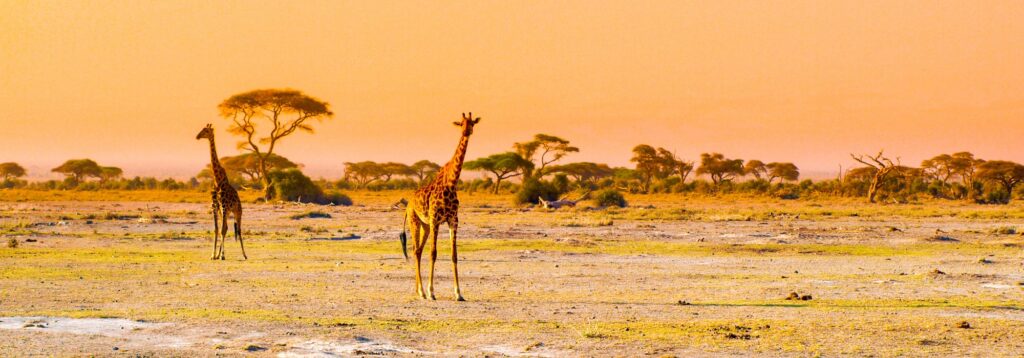
Quick Answer: When Is the Best Time to Visit Africa for a Safari?
For many first-time travellers, June through October is the best overall period because it is the main dry season across much of East and southern Africa.
However:
- January to March is excellent for Serengeti calving.
- April and May offer green scenery and fewer visitors in East Africa.
- June to October provides dependable wildlife viewing in many destinations.
- November and December bring migratory birds, fresh vegetation and seasonal rain.
- May to October is particularly strong for Namibia and much of South Africa.
- July to October is excellent for Zambia, Zimbabwe and Botswana.
- Gorilla trekking is possible throughout the year.
Your ideal month depends on what you want to see—not simply whether rain is likely.
Africa Safari Seasons at a Glance
| Season | Typical months | Main advantages | Possible challenges |
|---|---|---|---|
| Long dry season | June–October | Concentrated wildlife, thinner vegetation and reliable roads | Higher prices and more visitors |
| Short rains in East Africa | November–December | Green scenery, birds and fewer crowds | Temporary showers and muddy tracks |
| Short dry period | January–February | Calving, warm weather and strong wildlife viewing | Popular areas can be busy |
| Long rains in East Africa | March–May | Lower rates, dramatic landscapes and quieter parks | Heavy rain, difficult roads and camp closures |
| Southern African green season | November–March | Newborn animals, birdlife and lush scenery | Heat, humidity and afternoon storms |
| Southern African dry season | May–October | Excellent wildlife concentrations | Cold mornings and high peak-season prices |
Seasonal boundaries are approximate. Rainfall varies between countries and from one year to another.
1. June to October: Best Overall Wildlife-Viewing Season
For many travellers, June through October is the best time to visit Africa for a safari.
Across large parts of Tanzania, Kenya, Botswana, Zambia, Zimbabwe, Namibia and South Africa, these months are generally drier. Rivers, permanent lakes and artificial waterholes become important gathering points.
The main advantages are:
- Thinner vegetation
- Easier wildlife spotting
- Animals gathering near water
- Lower rainfall
- Better road conditions
- Comfortable daytime game drives
- Reduced mosquito activity in some regions
- Excellent photographic opportunities
The disadvantages include:
- Higher accommodation prices
- Limited availability
- More vehicles at famous sightings
- Cold early mornings
- Dusty conditions
- Busy migration areas
Travellers planning July, August or September should reserve popular camps and internal flights well in advance.
2. January to March: Best for Serengeti Calving
January through March is one of the strongest periods for a Tanzania safari, particularly in the southern Serengeti and Ndutu area.
Large numbers of migratory wildebeest gather across nutrient-rich short-grass plains. Calving usually becomes concentrated around late January through March, although natural timing depends on rainfall.
This season offers opportunities to observe:
- Wildebeest calves
- Zebra herds
- Lions
- Cheetahs
- Spotted hyenas
- Jackals
- Vultures
- Predator-and-prey interactions
Births and predator sightings cannot be scheduled precisely. Herd movement depends on rain and fresh grazing.
January and February are generally drier than April and May, making them suitable for visitors who want green landscapes without travelling during the heaviest rains.
3. July to October: Best for Mara River Migration Season
The northern Serengeti and Kenya’s Maasai Mara become important migration areas during the middle and later part of the dry season.
Kenya’s official tourism platform identifies July through October as the most dramatic period for the migration in the Maasai Mara.
During these months, travellers may see:
- Large wildebeest herds
- Zebras and gazelles
- Predators following the migration
- Herds gathering near rivers
- Possible Mara River crossings
River crossings cannot be guaranteed. Wildebeest may wait beside a river for hours or days, cross at an unexpected location or move away without entering the water.
A responsible operator should never promise a crossing on a specific date.
The migration is a year-round movement rather than an event that exists only between July and October. The herds remain in different sections of the Serengeti–Mara ecosystem throughout the year.
4. November to March: Best for Birdwatching
The green season is often the best time to visit Africa for a safari focused on birds.
Migratory species arrive in many eastern and southern African destinations while resident birds display colourful breeding plumage.
Strong birding destinations include:
- Serengeti National Park
- Tarangire National Park
- Lake Manyara National Park
- Nyerere National Park
- Ruaha National Park
- Okavango Delta
- Chobe National Park
- Kruger National Park
- South Luangwa National Park
- Etosha National Park
- Coastal wetlands
Namibia’s official tourism organisation recommends November through April for birdwatching because migrant species are present and breeding activity increases.
Green-season safaris are particularly rewarding for photographers who appreciate clouds, reflections and colourful landscapes.
5. April and May: Best for Lower Prices and Fewer Visitors
April and May bring heavier rainfall to many East African safari areas. This period is often called the long-rain season.
Advantages can include:
- Lower accommodation prices
- Fewer safari vehicles
- Green landscapes
- Dramatic skies
- Excellent birdlife
- Quieter lodges
- Strong landscape photography
Challenges include:
- Muddy roads
- Difficult river crossings
- Longer travel times
- Thick vegetation
- Rain interrupting activities
- Temporary camp closures
- Reduced small-aircraft schedules on certain routes
Rain rarely means every day is completely lost. There may be heavy showers followed by clear conditions, although extended rainfall is possible.
Travellers considering April or May should use an experienced operator who can select appropriate parks, vehicles and year-round accommodation.
6. May to September: Best for South African Safaris
South Africa offers wildlife viewing throughout the year, but its dry winter and early spring are particularly suitable for classic safaris.
May through September generally provides:
- Thinner vegetation
- Wildlife gathering around waterholes
- Lower rainfall in the north-east
- Comfortable daytime temperatures
- Good predator sightings
- Reduced humidity
South African Tourism recommends May to September for wildlife viewing because animals concentrate around water and become easier to spot.
Kruger and surrounding private reserves can become cold before sunrise. Pack warm clothing for open-vehicle game drives.
November through March is greener, hotter and better for migratory birds and newborn animals. South African Tourism specifically highlights summer for birdlife and young animals.
7. May to October: Best for Namibia and Etosha
Namibia’s dry season is generally the best period for conventional wildlife viewing.
From May through October, animals increasingly gather around dependable waterholes in Etosha National Park. The open landscape makes it possible to observe several species from fixed viewing points.
Possible sightings include:
- Elephants
- Lions
- Black rhinoceroses
- Giraffes
- Zebras
- Oryx
- Springboks
- Wildebeest
- Jackals
Visit Namibia recommends May through October for wildlife viewing because cooler, drier conditions encourage animals to visit waterholes during daylight.
Night-time temperatures can drop sharply, particularly in June and July. Travellers should carry warm layers even when afternoons are sunny.
8. July to October: Best for Zambia and Walking Safaris
Zambia is famous for walking safaris, particularly in South Luangwa National Park.
The dry season begins around April and becomes progressively more intense through October. Wildlife concentrations increase near the Luangwa River and remaining water sources.
July through October is well suited to:
- Walking safaris
- Game drives
- Predator sightings
- Elephant viewing
- Leopard searches
- Wildlife photography
- Combining safari with Victoria Falls
Zambia Tourism describes July through October as the classic period for guided safaris.
October can be extremely hot, but wildlife concentrations may be excellent. May through August generally offers more comfortable temperatures.
Some remote camps close during the rainy season, while selected properties in central areas continue operating.

9. June to October: Best for Botswana’s Dry-Season Safari
Botswana’s dry season generally runs from approximately May through October.
This period is attractive because:
- Wildlife concentrates around water
- Vegetation becomes thinner
- Roads are generally more manageable
- Temperatures are comfortable in the earlier months
- The Okavango Delta may hold significant floodwater
- Chobe attracts large elephant concentrations
The Okavango’s flood cycle is unusual because water arriving from Angola can expand across the delta during Botswana’s dry months.
Water levels differ each year, affecting mokoro routes, boat activities and access to particular areas. Travellers should select camps according to the current flood outlook rather than assuming every Okavango property provides the same experience.
Peak-season Botswana safaris can be expensive. Booking early is necessary for July through October.
10. June to September: Best for Gorilla Trekking Conditions
Mountain gorilla trekking is possible throughout the year in Rwanda and Uganda.
June through September and the shorter dry period around December through February usually offer less rainfall and somewhat firmer forest trails.
However:
- Rain can fall during any month.
- Gorilla habitats remain wet and humid.
- Trail difficulty depends on the gorillas’ location.
- Dry-season permits sell quickly.
- Thick vegetation remains part of the experience.
The wetter months can provide:
- Fewer visitors
- Greener forest scenery
- Greater accommodation availability
- Softer photographic light
- Possible seasonal offers
Gorilla permits are limited and must be secured before finalising other arrangements. Current costs, minimum ages and health rules should be confirmed with the relevant park authority.
Visitors with contagious illnesses may not be permitted to trek because gorillas are vulnerable to human diseases.
11. November to March: Best for Green-Season Photography
A green-season safari suits travellers who value scenery and photography rather than only easy animal spotting.
Advantages include:
- Fresh grass
- Dramatic clouds
- Clear air after rainfall
- Migratory birds
- Newborn antelopes
- Colourful flowers
- Reflections in seasonal pools
- Fewer vehicles
- Lower rates in some destinations
Challenges include:
- Dense vegetation
- Difficult roads
- Afternoon storms
- Heat and humidity
- Wildlife spread across larger areas
- Insects
- Camp closures in certain remote regions
South Africa, Botswana, Zambia, Zimbabwe and Namibia generally receive much of their rain during these months. East Africa’s rainfall pattern is different and can include short rains around November and longer rains from March into May.
12. Shoulder Seasons: Best Balance of Weather and Value
Shoulder months fall between the main peak and low seasons. They can provide good wildlife viewing without the highest prices or visitor numbers.
Useful shoulder periods may include:
- Early June in Tanzania
- Late October in Tanzania and Kenya
- November before holiday demand
- March before the heaviest East African rains
- May in parts of southern Africa
- Early November in South Africa
Benefits can include:
- Better accommodation availability
- Reduced rates
- Fewer vehicles
- Mixed green and dry landscapes
- Comfortable temperatures
- Good photographic conditions
However, shoulder seasons are less predictable. Rain may begin early or finish late.
Flexible travellers often receive the best combination of value and experience during these transitional months.
Month-by-Month African Safari Calendar
January
Best for:
- Southern Serengeti and Ndutu
- Early calving activity
- Green landscapes
- Migratory birds
- South African summer safari
- Gorilla trekking between rainy periods
Conditions:
- Warm in East Africa
- Hot and wet in parts of southern Africa
- Popular New Year travel period
February
Best for:
- Serengeti calving season
- Predator activity
- Birdwatching
- Green-season photography
- Gorilla trekking
- Combining Tanzania with Zanzibar
February is one of the best months for southern Serengeti wildlife.
March
Best for:
- Late calving-season activity
- Lower visitor numbers
- Green landscapes
- Birdlife
Rain may increase toward the end of the month in East Africa.
April
Best for:
- Low-season rates
- Quiet East African parks
- Dramatic photography
- Victoria Falls at high water
Challenges include heavy rain, muddy roads and selected camp closures.
May
Best for:
- Green scenery
- Fewer vehicles
- Beginning of drier conditions in southern Africa
- Lower accommodation prices
- Namibia and South Africa transitioning into dry season
Some East African roads may remain difficult.
June
Best for:
- Beginning of the East African dry season
- Serengeti western and central areas
- Southern African wildlife viewing
- Gorilla trekking
- Walking safaris
- Comfortable temperatures
June often offers excellent value before peak visitor numbers arrive.
July
Best for:
- Northern Serengeti
- Maasai Mara
- Botswana
- Zambia
- Zimbabwe
- Namibia
- South Africa
- Gorilla trekking
July is a peak safari month, so availability becomes limited.
August
Best for:
- Tanzania and Kenya migration areas
- Dry-season game viewing
- Okavango Delta
- Chobe
- Etosha
- Kruger
- South Luangwa
Expect high prices and strong demand.
September
Best for:
- Mara River regions
- Predator sightings
- Waterhole-based wildlife
- Walking safaris
- Southern African photography
- Gorilla trekking
Conditions become hotter and drier in several countries.
October
Best for:
- Late migration season
- Strong dry-season wildlife concentrations
- Zambia and Zimbabwe
- Botswana
- Tanzania
- Kenya
October can be extremely hot in parts of southern Africa.
November
Best for:
- Migratory birds
- Fresh green landscapes
- Lower visitor numbers
- Returning migration herds in Tanzania
- Green-season photography
Short rains may affect parts of East Africa, while southern Africa enters its wetter season.
December
Best for:
- Festive travel
- Tanzania’s green season
- Early migration concentrations in southern areas
- Birdwatching
- Family safaris
- Safari-and-beach combinations
Christmas and New Year accommodation must be reserved early.
Best Time for the Great Migration
The Great Migration moves throughout the year.
A general guide is:
| Period | Typical migration area |
|---|---|
| January–March | Southern Serengeti and Ndutu |
| April–May | Central and western Serengeti |
| June | Western Corridor and movement north |
| July–October | Northern Serengeti and Maasai Mara |
| November–December | Movement south through Serengeti |
This table is only a planning guide. Rainfall determines fresh grazing, and the herds do not follow an exact calendar.
River crossings cannot be predicted by date or time.
Read more about Serengeti National Park when planning a migration safari.
Best Time for a Tanzania Safari
The best general period for Tanzania wildlife viewing is June through October. However, January through March is excellent for the southern Serengeti and calving season.
Choose June to October for:
- Dry-season wildlife viewing
- Northern Serengeti migration season
- Tarangire elephant concentrations
- Ruaha and Nyerere safaris
- Comfortable weather
- Easier road access
Choose January to March for:
- Serengeti calving
- Predator activity
- Green scenery
- Birdlife
- Warm weather
- Safari-and-Zanzibar combinations
Choose April or May for:
- Fewer visitors
- Reduced accommodation rates
- Lush landscapes
- Quiet safari experiences
Read our complete Tanzania Safari Guide for destination and planning advice.
Best Time for a Kenya Safari
Kenya provides year-round wildlife viewing.
July through October is the famous Maasai Mara migration period. January and February can provide relatively dry weather and excellent resident wildlife viewing.
November through March is attractive for birdwatchers and travellers who prefer greener scenery.
April and May generally bring heavier rain and lower visitor numbers.
The Maasai Mara has strong resident wildlife throughout the year, so a rewarding safari does not depend entirely on migration herds.
Best Time for a South Africa Safari
May through September generally provides the easiest wildlife viewing in Kruger and surrounding private reserves.
December through March offers:
- Green vegetation
- Migratory birds
- Newborn animals
- Summer storms
- Hot temperatures
South Africa is particularly suitable for first-time travellers because of its developed infrastructure, varied accommodation and self-drive possibilities.
Best Time for a Botswana Safari
June through October is the peak wildlife season, especially for the Okavango Delta, Moremi and Chobe.
November through March suits travellers interested in:
- Birds
- Newborn animals
- Green landscapes
- Fewer visitors
- Seasonal lower rates
Some areas of the Central Kalahari become especially attractive during the green season as wildlife responds to fresh grazing.
Best Time for a Namibia Safari
May through October is best for wildlife around Etosha’s waterholes.
November through April offers:
- Migratory birds
- Green northern landscapes
- Dramatic thunderstorms
- Fewer visitors outside holidays
The Namib Desert can be visited throughout the year, but daytime heat and cold winter nights must be considered.
Best Time for Zambia and Zimbabwe
July through October is excellent for wildlife viewing, walking safaris and dry-season concentrations around rivers.
For Victoria Falls:
- Higher water levels usually occur after regional rains.
- Strong spray can obscure parts of the falls during peak flow.
- Lower water reveals more rock formations.
- Different activities operate at different water levels.
Zambia Tourism identifies March and April as peak flood season and notes that July to October coincides with the peak safari period.
Best Time for Families
The long school-holiday period from June through August works well for families because of dry weather and dependable wildlife viewing.
Families should consider:
- Shorter driving distances
- Private safari vehicles
- Lodges with family rooms
- Swimming pools
- Flexible meal times
- Child-friendly guides
- Age restrictions on walking safaris
- Malaria advice
- Enough rest time
December is also suitable but can be busy and expensive during the festive season.
Best Time for a Honeymoon Safari
June through October provides reliable weather, but couples seeking lower rates and more privacy should consider:
- Early June
- Late October
- November
- February outside school holidays
- Green-season private reserves
A Tanzania safari combined with Zanzibar Island is particularly popular for honeymoons.
Best Time for Wildlife Photography
Dry-season photography offers:
- Clear animal sightings
- Dusty backlighting
- Wildlife near water
- Reduced vegetation
- Predator activity
Green-season photography offers:
- Dramatic skies
- Rich colours
- Reflections
- Migratory birds
- Newborn animals
- Fewer vehicles
There is no universally superior photography season. The choice depends on whether you prefer dramatic landscapes or concentrated wildlife.
Best Time for a Budget Safari
The lowest prices are often available during rainy or shoulder seasons.
Budget-conscious travellers should consider:
- March before heavy rain
- April and May in East Africa
- Early June
- November
- Green-season southern Africa
- Small-group scheduled safaris
Check what a reduced rate includes. A cheap quotation may exclude park fees, airport transfers, drinks or essential activities.
Climate Change and Safari Timing
Traditional weather patterns are useful for planning, but they are not guarantees.
Rain may:
- Arrive late
- Start early
- Fall heavily in one region but not another
- Alter migration movement
- Affect road access
- Change water levels
- Influence camp-opening dates
A trustworthy operator uses current local information rather than relying only on historic monthly averages.
Flexible routing becomes particularly important for migration safaris and shoulder-season travel.
What to Pack for Different Safari Seasons
Dry Season
Pack:
- Warm morning layers
- Neutral lightweight clothing
- Sun protection
- Lip balm
- Moisturiser
- Dust protection
- Closed shoes
Green Season
Add:
- Waterproof jacket
- Quick-drying trousers
- Waterproof camera cover
- Insect repellent
- Dry bags
- Spare socks
Use our Safari Packing Guide for a complete checklist.
Frequently Asked Questions
What is the best month for an African safari?
August and September are excellent across many East and southern African destinations. However, February is better for Serengeti calving, while green-season travellers may prefer November through March.
Is July a good safari month?
Yes. July offers dry-season wildlife viewing across many destinations and possible migration activity in northern Tanzania and Kenya.
Is December good for a safari?
Yes. December provides green scenery, migratory birds and family-holiday opportunities. Rain is possible, and festive-season prices can be high.
Is the rainy season bad for safaris?
No. Rainy-season safaris can offer fewer visitors, lower prices, excellent birdlife and beautiful landscapes. Road access and camp availability require careful planning.
When is the cheapest time to go on safari?
April and May are often more affordable in East Africa. November and parts of the southern African green season may also provide good value.
When can I see the Great Migration?
The migration occurs throughout the year. Location changes with rainfall, grazing and natural herd movement.
When are Mara River crossings?
Crossings are most commonly associated with July through October, but they cannot be guaranteed on a particular day.
What is the best time for gorilla trekking?
Gorilla trekking operates year-round. June through September and December through February generally provide drier trail conditions.
When is the best time for birdwatching?
The green season, usually November through March or April, is excellent for migratory birds and breeding plumage.
When is the best time for a Tanzania safari?
June through October is best for general dry-season wildlife viewing. January through March is excellent for Serengeti calving.
Which safari country is best in August?
Tanzania, Kenya, Botswana, Zambia, Zimbabwe, Namibia and South Africa can all provide excellent August safaris. The best choice depends on budget and desired activities.
How far in advance should I book?
Peak-season safaris should ideally be reserved several months in advance. Small camps, family rooms, migration areas and gorilla permits may require even earlier booking.
Plan Your African Safari with Gowitos
The best time to visit Africa for a safari depends on your priorities. Dry-season travel provides dependable wildlife viewing, while the green season offers birdlife, newborn animals, beautiful landscapes and fewer visitors.
Gowitos Safaris and Holidays can recommend dates based on the Great Migration, wildlife interests, budget and preferred destinations. Your itinerary can include Tanzania’s national parks, cultural experiences, mountain climbing and Zanzibar.
Visit Gowitos Safaris and Holidays to begin planning your personalised African safari.
Contact Gowitos Safaris and Holidays
- WhatsApp: +255 769 100 815
- Email: info@gowitossafarisandholidays.com
- Website: gowitossafarisandholidays.com
