

Best Time to Climb Kilimanjaro: Weather, Seasons and Best Months (2027–2029)
The best time to climb Kilimanjaro is generally during the two main dry seasons: January to mid-March and June to October. These months usually offer better trekking conditions, clearer mountain views and less rainfall, making them popular periods for climbers planning to reach the summit of Mount Kilimanjaro.
Mount Kilimanjaro, located in northern Tanzania, is Africa’s highest mountain, rising to 5,895 metres above sea level. Climbing this iconic mountain is an unforgettable adventure, but choosing the right season is an important part of planning a successful trek.
This guide explains the best time to climb Mount Kilimanjaro, including weather conditions, rainfall, temperatures, monthly trekking conditions and the advantages of climbing during different seasons. It will help you choose the right departure date for your Kilimanjaro adventure in 2027, 2028 or 2029.
Whether you are planning your first mountain expedition, travelling with friends or organising a private climbing group, understanding Kilimanjaro’s weather patterns will help you prepare for the journey.
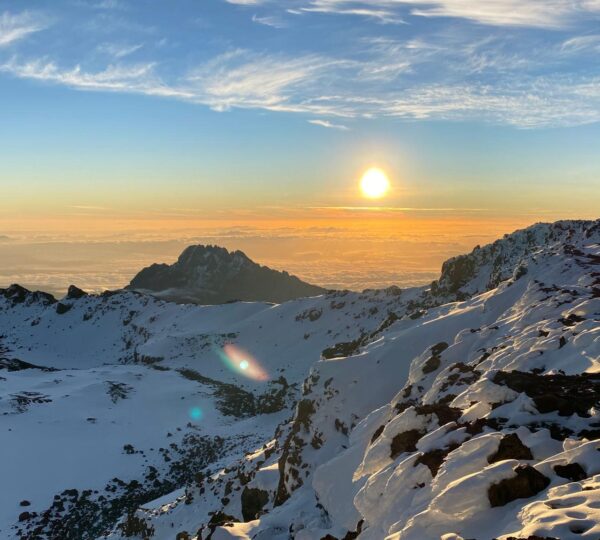
1. When Is the Best Time to Climb Kilimanjaro?
The best time to climb Kilimanjaro is during the dry seasons, particularly January to mid-March and June to October.
These periods generally provide more favourable trekking conditions, although weather on the mountain can change quickly because of its altitude and different climatic zones.
The two main climbing seasons are:
January to Mid-March: The First Dry Season
January, February and early March are excellent months for climbing Kilimanjaro. The weather is generally warmer, and the mountain often experiences clear mornings and good visibility.
February is particularly popular because of its relatively stable weather conditions.
Advantages of climbing during this period:
- Generally favourable trekking conditions.
- Good opportunities for mountain photography.
- Warmer temperatures compared with the middle of the year.
- Beautiful views of the mountain and surrounding landscapes.
- Suitable conditions for climbers seeking a dry-season experience.
Things to consider:
Clouds and occasional rainfall can still occur, particularly as March progresses. Temperatures decrease significantly at higher elevations, especially during the summit attempt.
June to October: The Main Dry Season
June to October is another excellent period and is widely regarded as the main climbing season on Mount Kilimanjaro.
Rainfall is generally lower, and the trails are often drier. July, August and September are particularly popular because of the favourable trekking conditions.
Advantages of climbing during this period:
- Generally dry trekking trails.
- Better chances of clear mountain views.
- Favourable conditions for summit attempts.
- Excellent opportunities for photography.
- Suitable for private and group climbing departures.
Things to consider:
July and August are among the busiest months on Kilimanjaro. Climbers should arrange their trekking permits, accommodation and tour arrangements well in advance.
September and October can offer an excellent balance between favourable weather and slightly different visitor numbers.
2. Wet Season: Can You Climb Kilimanjaro During the Rainy Season?
Yes. Kilimanjaro can be climbed throughout the year, including during the rainy seasons. However, wet-season trekking requires additional preparation and flexibility.
There are two main rainy periods:
March to May: The Long Rainy Season
The long rainy season generally begins in mid-March and continues through April and May.
During this period, rainfall can be heavier, particularly on the southern and western slopes. Trails may become muddy and slippery, and clouds can reduce visibility.
Advantages:
- Fewer climbers on some routes.
- Lush green vegetation in the lower mountain forests.
- A quieter mountain experience.
- Opportunities for climbers who prefer travelling outside peak periods.
Disadvantages:
- Wet and muddy trails.
- Increased rainfall and cloud cover.
- More challenging trekking conditions.
- Cold and wet conditions at higher elevations.
April and May are generally less recommended for first-time climbers who prefer more predictable weather.
November to Early December: The Short Rainy Season
November usually brings the short rains to Kilimanjaro. Rainfall is often less prolonged than during the long rainy season, although conditions vary from year to year.
Climbing during November is possible, but trekkers should be prepared for occasional showers, wet trails and changing visibility.
December can offer mixed conditions, particularly early in the month. The second half of December is a popular climbing period because of the holiday season.
3. Best Time to Climb Kilimanjaro Month by Month
Choosing the right month can make a difference to your trekking experience. Below is a month-by-month guide to Kilimanjaro’s weather and climbing conditions.
January – Excellent Climbing Conditions
January is one of the best months to climb Kilimanjaro. It falls within the first dry season, and conditions are generally favourable for trekking.
Highlights:
- Generally clear mornings.
- Relatively warm conditions at lower elevations.
- Good opportunities for mountain photography.
- Favourable trekking conditions.
Considerations:
January is a popular month, especially around the New Year holiday period. Early reservations are recommended.
February – One of the Best Months
February is often considered one of the best months to climb Mount Kilimanjaro.
The weather is generally warm and relatively dry, with good opportunities to enjoy clear mountain views.
Highlights:
- Generally stable weather.
- Good visibility on many days.
- Relatively warm temperatures at lower elevations.
- Excellent conditions for trekking and photography.
Considerations:
February is a popular climbing month, so booking early is advisable.
March – Changing Weather Conditions
Early March can provide good climbing conditions, although rainfall becomes increasingly likely as the month progresses.
Highlights:
- Early March can offer favourable trekking conditions.
- Fewer climbers compared with some peak-season months.
- Beautiful mountain scenery.
Considerations:
The transition towards the long rainy season can bring more clouds and rainfall. Climbers should carefully consider their departure dates.
April – Long Rainy Season
April is generally one of the wettest months on Kilimanjaro.
Highlights:
- Lush green vegetation.
- Fewer climbers on the mountain.
- A quieter trekking experience.
Considerations:
- Heavy rainfall is possible.
- Trails can become muddy and slippery.
- Visibility may be reduced.
- Wet and cold conditions can make trekking more challenging.
April is generally not the first choice for climbers seeking dry-weather conditions.
May – Wet and Quiet
May usually continues the long rainy season, although conditions can vary depending on the year and location on the mountain.
Highlights:
- Fewer visitors.
- Green mountain landscapes.
- A quieter experience on some routes.
Considerations:
Rainfall can remain significant, and climbers should be properly equipped with waterproof clothing, footwear and protective equipment.
June – Beginning of the Main Dry Season
June marks the beginning of the main dry climbing season.
Rainfall generally decreases, although early June can still experience some wet conditions.
Highlights:
- Improving trail conditions.
- Less rainfall as the month progresses.
- Increasing opportunities for clear mountain views.
- A good period for climbers planning a mid-year adventure.
Considerations:
Temperatures can be cold, especially at night and at higher elevations.
July – Excellent Trekking Conditions
July is one of the most popular months for climbing Kilimanjaro.
The weather is generally dry, and trekking conditions are often favourable.
Highlights:
- Relatively dry trails.
- Good visibility on many days.
- Excellent conditions for summit attempts.
- Popular period for international climbing groups.
Considerations:
July can be busy, particularly during school holidays. Early booking is recommended.
August – Peak Climbing Season
August is another excellent month to climb Mount Kilimanjaro.
The weather is generally dry, although temperatures can be cold, particularly during the night and summit ascent.
Highlights:
- Generally favourable trekking conditions.
- Good opportunities for photography.
- Dry conditions on many sections of the mountain.
- Popular for private and group departures.
Considerations:
August is one of the busiest months. Climbers should arrange their trips well in advance.
September – Excellent Weather and Visibility
September is widely regarded as one of the best months to climb Kilimanjaro.
It falls within the main dry season and generally provides good trekking conditions.
Highlights:
- Lower rainfall.
- Good opportunities for clear views.
- Generally favourable trail conditions.
- Excellent for photography and mountain exploration.
Considerations:
September remains a popular month, so some routes and camps can experience higher visitor numbers.
October – End of the Main Dry Season
October is generally a good month for climbing Kilimanjaro, particularly during the first half.
Conditions are often relatively dry, although the possibility of short rains increases towards the end of the month.
Highlights:
- Generally good trekking conditions.
- Beautiful mountain scenery.
- Potentially fewer climbers than during the busiest summer months.
Considerations:
Weather conditions can become less predictable towards the end of October.
November – Short Rainy Season
November marks the beginning of the short rainy season.
Rainfall is generally less intense than during the long rainy season, but showers can affect trekking conditions.
Highlights:
- Quieter climbing routes.
- Fewer visitors during some periods.
- Beautiful green scenery at lower elevations.
Considerations:
Prepare for wet trails, occasional rainfall and reduced visibility.
December – A Popular Holiday Climbing Month
December offers mixed weather conditions. Early December can experience short rains, while later December is a popular period for climbing Kilimanjaro.
Highlights:
- Holiday climbing opportunities.
- Beautiful mountain scenery.
- Opportunities for festive-season adventures.
- Suitable for private and family group arrangements where appropriate.
Considerations:
Weather can be unpredictable, and the Christmas and New Year periods can become busy. Early reservations are recommended.
4. Kilimanjaro Weather and Climbing Seasons at a Glance
The following table summarises the typical climbing conditions throughout the year.
| Month | Typical conditions | Recommendation |
|---|---|---|
| January | Generally dry | Excellent |
| February | Generally dry | Excellent |
| March | Transition to rains | Good early |
| April | Long rainy season | Less recommended |
| May | Long rainy season | Less recommended |
| June | Dry season begins | Very good |
| July | Generally dry | Excellent |
| August | Generally dry | Excellent |
| September | Generally dry | Excellent |
| October | Mostly dry, changing later | Very good |
| November | Short rainy season | Variable |
| December | Mixed conditions | Good, especially later |
These are general seasonal patterns rather than guaranteed daily forecasts. Actual weather can vary between years and across Kilimanjaro’s different routes.
5. What Is the Best Month to Reach the Summit of Kilimanjaro?
February, July, August and September are among the strongest choices for climbers looking for generally favourable weather conditions.
However, there is no single month that guarantees a successful summit.
Reaching Uhuru Peak at 5,895 metres depends on several factors, including:
- Physical preparation and fitness.
- Proper acclimatisation.
- The number of days spent climbing.
- Route selection.
- Weather conditions.
- Professional mountain guiding.
- Individual response to altitude.
Choosing a longer itinerary with sufficient acclimatisation time can be more important than choosing a particular month.
6. Which Kilimanjaro Route Is Best for Different Seasons?
Mount Kilimanjaro has several established climbing routes, each offering a different trekking experience.
The best route depends on your fitness, available time, budget, preferred scenery and acclimatisation requirements.
Marangu Route
The Marangu Route is one of the most established routes on Kilimanjaro. It is known for its mountain huts, including Mandara, Horombo and Kibo.
It is a popular option for climbers who prefer hut accommodation rather than camping.
Machame Route
The Machame Route is known for its scenic landscapes and varied mountain environments.
It is a popular choice for climbers seeking a challenging trekking experience with beautiful views.
Lemosho Route
The Lemosho Route approaches Kilimanjaro from the western side and offers scenic landscapes and a longer trekking experience.
Its longer itinerary can provide additional opportunities for acclimatisation.
Rongai Route
The Rongai Route approaches Kilimanjaro from the northern side, near the Kenyan border.
It is an alternative for climbers looking for a different mountain approach. The northern side generally receives less rainfall than the southern slopes.
Northern Circuit Route
The Northern Circuit is a longer route that explores the northern slopes of Kilimanjaro.
Its extended itinerary provides more time for acclimatisation and a quieter experience on many sections of the mountain.
Umbwe Route
The Umbwe Route is a steep and demanding route that requires good physical preparation and careful consideration of acclimatisation.
It is generally better suited to experienced and physically prepared trekkers.
7. What Should You Pack for Climbing Kilimanjaro?
Regardless of the month you choose, proper equipment is essential.
Temperatures on Kilimanjaro vary considerably as you move through different climatic zones, from warm rainforest conditions to freezing temperatures near the summit.
Recommended equipment includes:
- Waterproof hiking jacket and trousers.
- Insulated down jacket.
- Thermal base layers.
- Warm trekking trousers.
- Comfortable hiking boots.
- Thermal socks.
- Warm gloves and a winter hat.
- Sunglasses and sunscreen.
- Headlamp with spare batteries.
- Sleeping bag suitable for cold mountain conditions.
- Trekking poles.
- Water bottles or hydration system.
- Personal medication and essential first-aid supplies.
Your tour operator should provide a detailed packing list before departure.
8. How to Prepare for a Successful Kilimanjaro Climb
Climbing Kilimanjaro requires physical preparation, mental determination and proper acclimatisation.
Although previous mountain-climbing experience is not essential for every route, preparation can make the experience more comfortable.
Consider the following recommendations:
Train before your departure: Include regular walking, hiking, stair climbing and cardiovascular exercise in your preparation.
Choose the right itinerary: Consider a route with enough days to allow your body to adjust to increasing altitude.
Climb slowly: Follow your mountain guide’s instructions and maintain a comfortable walking pace.
Stay hydrated: Drink sufficient water throughout the trek.
Listen to your body: Inform your guide immediately if you experience symptoms of altitude sickness.
Choose a reputable local operator: Work with an experienced company that provides qualified mountain guides, appropriate equipment, safety procedures and proper logistical arrangements.
Remember that reaching the summit is never guaranteed. Your health and safety must always come first.
9. Why Book Your Kilimanjaro Climb with Gowitos Safaris and Holidays?
At Gowitos Safaris and Holidays, we organise tailor-made Mount Kilimanjaro trekking experiences for international travellers, private groups, couples and adventure enthusiasts.
As a Tanzania-owned tour operator based in Arusha, we understand the mountain, local logistics and the importance of organising a well-planned climbing experience.
We offer several Kilimanjaro trekking options, including:
- 5-day Marangu Route.
- 6-day Rongai Route.
- 7-day Machame Route.
- 8-day Lemosho Route.
Our team assists with itinerary planning, accommodation arrangements, transfers and the practical organisation of your mountain adventure.
Every Kilimanjaro package is tailor-made to suit your preferred route, travel dates, budget and group requirements.
We can also combine your mountain adventure with a Tanzania wildlife safari in Tarangire National Park, Ngorongoro Crater and Serengeti National Park, followed by a relaxing beach holiday in Zanzibar.
Whether you are planning to climb in January, February, July, August or September, our team can help you choose a suitable itinerary and organise your trip.
Start planning your Mount Kilimanjaro adventure for 2027, 2028 or 2029.
Contact Gowitos Safaris and Holidays for a personalised Kilimanjaro trekking quotation.
Website: https://gowitossafarisandholidays.com
Email: info@gowitossafarisandholidays.com
WhatsApp: +255 769 100 815
10. Frequently Asked Questions About the Best Time to Climb Kilimanjaro
What is the best month to climb Kilimanjaro?
February, July, August and September are among the best months to climb Kilimanjaro because they generally offer favourable dry-season conditions. January and early March can also be excellent.
Can you climb Kilimanjaro all year round?
Yes. Kilimanjaro can be climbed throughout the year. However, the rainy seasons, particularly April and May, can bring more challenging trekking conditions.
Is January a good time to climb Kilimanjaro?
Yes. January is generally a good month because it falls within the first dry season. Climbers can often enjoy favourable trekking conditions and good mountain views.
Is February better than July for climbing Kilimanjaro?
Both months can offer excellent conditions. February is generally warmer, while July is usually cooler and falls within the main dry season. The better choice depends on your weather preferences and travel schedule.
Is August a good month to climb Mount Kilimanjaro?
Yes. August is one of the most popular climbing months because of generally dry conditions and favourable trekking weather. However, visitor numbers can be high.
Can I climb Kilimanjaro in April?
Yes, but April is part of the long rainy season. Heavy rainfall, muddy trails and reduced visibility can make the climb more challenging.
Is December a good time to climb Kilimanjaro?
December can be a good time, particularly during the second half of the month. However, weather conditions can vary, and the holiday period can be busy.
How cold is Kilimanjaro at the summit?
Temperatures near Uhuru Peak can fall below freezing, particularly during the night and early morning summit attempt. Wind chill can make conditions feel considerably colder.
How many days do you need to climb Kilimanjaro?
Most climbing itineraries take approximately five to nine days, depending on the route. Longer itineraries generally provide more time for acclimatisation and can improve the opportunity to adjust to altitude.
Does climbing Kilimanjaro during the dry season guarantee summit success?
No. Dry-season weather can improve trekking conditions, but summit success also depends on acclimatisation, health, fitness, route selection and individual responses to altitude.
Plan Your Kilimanjaro Climb for 2027, 2028 and 2029
Choosing the best time to climb Kilimanjaro is the first step towards an unforgettable African adventure.
January to mid-March and June to October generally offer the most favourable conditions for climbing. However, the right departure date also depends on your preferred route, available time and personal travel plans.
With proper preparation, a suitable itinerary and professional mountain support, you can experience the extraordinary landscapes of Mount Kilimanjaro and work towards reaching the highest point in Africa.
Let Gowitos Safaris and Holidays organise your Kilimanjaro adventure. Contact our Arusha-based team today for a tailor-made trekking package and competitive rates.
