
Best Kilimanjaro Climbing Routes: 8 Amazing Routes Compared
The best Kilimanjaro climbing routes and their summit rates
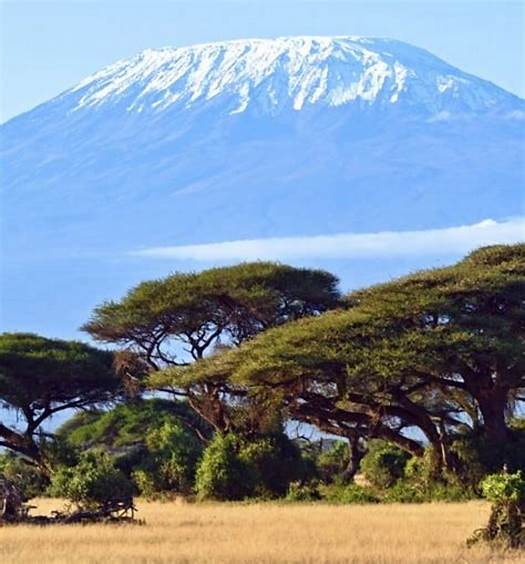
Choosing the best Kilimanjaro climbing routes is one of the most important steps when planning an adventure to Mount Kilimanjaro in Tanzania. Standing at 5,895 metres above sea level, Mount Kilimanjaro is Africa’s highest mountain and offers several trekking routes, each with different landscapes, difficulty levels, durations and acclimatisation opportunities.
Whether you prefer the scenic Machame Route, the beautiful Lemosho Route, the hut accommodation of Marangu or the quieter northern approach of Rongai, choosing the right itinerary can make a significant difference to your climbing experience. Longer routes, such as the Northern Circuit, also provide additional time for acclimatisation, which can improve your opportunity to reach the summit.
In this guide, we compare 8 amazing Kilimanjaro climbing routes, explaining their duration, accommodation, scenery, difficulty and suitability for different trekkers. We also explore summit success factors, the best time to climb and practical tips to help you prepare for your journey to Uhuru Peak.
Whether you are a first-time climber or an experienced trekker, this guide will help you choose a Kilimanjaro route that matches your fitness, travel schedule and budget.
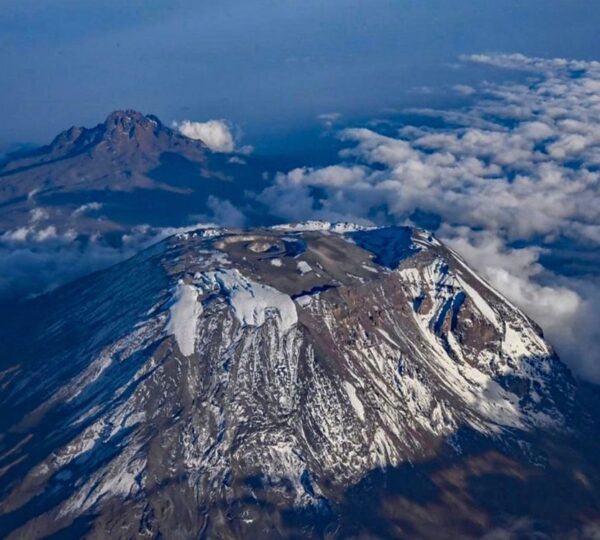
Climbing Mount Kilimanjaro, the majestic and iconic peak in Tanzania, offers a range of routes, each providing a unique and unforgettable experience. The best Kilimanjaro climbing routes cater to various preferences and abilities, and each route showcases the diverse landscapes and ecological zones that the mountain has to offer.
| Route | Duration | Accommodation | Best suited to |
|---|---|---|---|
| Marangu | 5–6 days | Mountain huts | Trekkers preferring hut accommodation |
| Machame | 6–7 days | Tents | Trekkers wanting varied scenery |
| Lemosho | 7–8 days | Tents | Trekkers seeking a longer western approach |
| Rongai | 6–7 days | Tents | Trekkers preferring the quieter northern side |
| Umbwe | 6–7 days | Tents | Experienced trekkers seeking a steep route |
| Northern Circuit | 8–9 days | Tents | Trekkers with time for a longer itinerary |
| Shira | 7–8 days | Tents | Trekkers considering the western approach |
Note: Trekking durations are typical examples and may vary depending on the itinerary and tour operator.
- Marangu Route (Coca-Cola Route)
The Marangu Route, often referred to as the “Coca-Cola Route,” is renowned for being the oldest and one of the most accessible routes on Kilimanjaro. It is often considered the “easiest” path due to its gradual slopes and well-maintained trails. The accommodation on this route is in huts instead of tents, providing some added comfort during the trek. However, it is essential to note that, despite its reputation as the easiest route, reaching the summit of Kilimanjaro is never a simple feat.
The Marangu Route typically takes around 5–6 days to complete, and climbers ascend and descend via the same path. While this route offers picturesque views of the rainforest and moorland zones, it is also one of the most crowded routes, especially during peak climbing seasons.
- Machame Route (Whiskey Route)
The Machame Route, known as the “Whiskey Route,” is one of the most popular and scenic paths to the summit of Kilimanjaro. It is favored for its diverse landscapes and varying terrain, making the trek both challenging and rewarding. The climb generally takes 6-7 days, allowing for better acclimatization and increasing the chances of a successful summit attempt.
During the Machame Route, climbers traverse through lush rainforests, moorlands, and alpine deserts. One of the highlights of this route is the “Barranco Wall,” a thrilling and adventurous climb that requires some scrambling. The Machame Route’s stunning vistas and slightly more difficult ascent attract those seeking a more adventurous experience on Kilimanjaro.
- Lemosho Route
The Lemosho Route is often regarded as one of the most beautiful and least crowded paths to the summit of Kilimanjaro. It is a longer and more remote route, offering a more secluded and intimate trekking experience. Typically taking around 7-8 days, the Lemosho Route provides ample time for acclimatization, contributing to higher summit success rates.
The trail traverses various ecological zones, including lush rainforests, heathlands, and alpine deserts, presenting climbers with diverse and captivating landscapes throughout the journey. The Lemosho Route eventually converges with the Machame Route on Day 4 and follows the same path to the summit, allowing climbers to enjoy the best of both routes.
- Rongai Route
The Rongai Route is renowned as the “easiest” path to Kilimanjaro’s summit from the northern side of the mountain. It provides a more gradual ascent compared to some other routes, making it a popular choice for those seeking a gentler climb. The Rongai Route is less crowded than some of the southern routes, offering a quieter and more remote trekking experience.
Typically taking 6-7 days to complete, the trail passes through stunning landscapes, including the remote and dry northern slopes of Kilimanjaro. This route is often favored during the rainy seasons, as the northern side generally receives less rainfall compared to the southern routes, potentially providing drier trekking conditions.
- Umbwe Route
The Umbwe Route is considered the most challenging route to Kilimanjaro’s summit, known for its steepness and direct ascent. It is the shortest route, typically lasting around 5–6 days, but it is not recommended for inexperienced climbers due to the difficulty of the climb. The Umbwe Route offers fewer opportunities for acclimatization, increasing the risk of altitude sickness.
However, for seasoned climbers seeking an intense and adventurous challenge, the Umbwe Route can provide a thrilling and rewarding experience. The trail is less crowded, offering a more solitary and rugged journey to the summit.
- Northern Circuit Route
The Northern Circuit Route is the longest and newest path to Kilimanjaro’s summit. While it requires more time, typically 9–11 days, it offers the best acclimatization and highest success rates for reaching the summit.
The Northern Circuit follows a northern circuit around the mountain, providing climbers with stunning panoramic views of Kilimanjaro’s northern slopes. As one of the less crowded routes, it offers a more secluded and intimate experience, allowing climbers to immerse themselves fully in the beauty and grandeur of Africa’s highest peak.
- Mweka Route
The Mweka Route is primarily used to descend Mount Kilimanjaro after a successful summit attempt. It is not one of the seven standard routes used for the ascent to Uhuru Peak.
Climbers who ascend through routes such as Machame, Lemosho, Umbwe and the Northern Circuit commonly descend through the Mweka trail. The route passes through the mountain’s upper landscapes before returning through the rainforest to Mweka Gate.
Although it is not an ascent option, Mweka is an important part of Kilimanjaro’s trekking network because it provides a descent route for many climbers.
8: Shira Route – The Western Approach
The Shira Route is a western approach to Mount Kilimanjaro, crossing the spectacular Shira Plateau before joining the southern circuit towards the summit. It offers impressive views of the mountain and its surrounding landscapes, including open moorland and alpine terrain.
The route is often completed in approximately 7–8 days, depending on the itinerary. One important consideration is its relatively high starting altitude, which can make the first stages demanding for climbers arriving from low elevations. Proper acclimatisation and a carefully planned itinerary are essential.
The Shira Route eventually connects with the Lemosho and Machame trekking corridors. It is a good option for experienced trekkers who want to explore the western side of Kilimanjaro, although the Lemosho Route may provide a more gradual approach for many first-time climbers.
Kilimanjaro Summit Success Rates: What Climbers Should Know
Reaching Uhuru Peak at 5,895 metres is the ultimate goal of climbing Mount Kilimanjaro. However, the summit success rate depends on several factors, including the number of days on the mountain, acclimatisation, route selection, weather conditions, physical preparation and individual response to altitude.
There is no current, publicly available official TANAPA dataset providing verified summit success percentages for every Kilimanjaro route. Historical figures often quoted online suggest that longer itineraries have achieved better summit outcomes than shorter climbs. These figures should be treated as historical information rather than a prediction of a climber’s individual chances.
Why Longer Kilimanjaro Routes Can Improve Summit Chances
Spending more days on the mountain gives the body additional time to adapt to decreasing oxygen levels. Routes with longer itineraries can provide more opportunities for gradual altitude gain and acclimatisation.
For this reason, an 8-day Lemosho or a longer Northern Circuit itinerary may be worth considering if your budget and schedule allow. A shorter itinerary can save time and money, but it may leave less time for your body to adjust to altitude.
Factors That Influence Summit Success
Several factors can affect whether a climber reaches Uhuru Peak:
- Itinerary duration: More days can allow better acclimatisation.
- Altitude response: Individuals respond differently to high altitude.
- Physical preparation: Endurance and fitness help with the demands of a multi-day trek.
- Pacing: Walking slowly and following your guide’s instructions are important.
- Health and hydration: Eating, drinking and reporting symptoms promptly matter.
- Weather conditions: Cold, wind, rain and visibility can affect the climb.
A summit attempt is never guaranteed, regardless of the route or the advertised success rate. Choose a licensed operator, follow your mountain guide’s safety advice and never ignore symptoms of altitude illness.
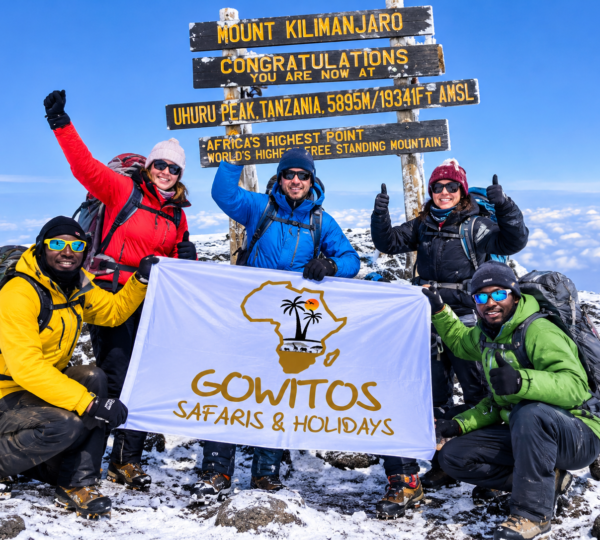
Are you ready to conquer Mount Kilimanjaro and reach Uhuru Peak at 5,895 metres? Let Gowitos Safaris and Holidays help you plan an unforgettable trekking adventure in Tanzania.
As a Tanzania-owned local tour operator and Destination Management Company (DMC) based in Arusha, we organise Kilimanjaro climbing experiences across popular routes, including Machame, Marangu, Lemosho, Rongai and the Northern Circuit.
Our team can help you select a suitable route, arrange mountain logistics, organise transfers and accommodation, and prepare an itinerary that matches your travel dates, budget and trekking preferences.
Whether you are planning your first Kilimanjaro climb, travelling as a couple or organising a group expedition, we are ready to help you plan your journey.
You can also extend your adventure with a Tanzania wildlife safari to Serengeti, Ngorongoro and Tarangire, followed by a relaxing beach holiday in Zanzibar.
- Website: https://gowitossafarisandholidays.com
- Email: info@gowitossafarisandholidays.com
- WhatsApp: +255 769 100 815
Choose your route, prepare for the adventure and experience Mount Kilimanjaro with Gowitos Safaris and Holidays.
