
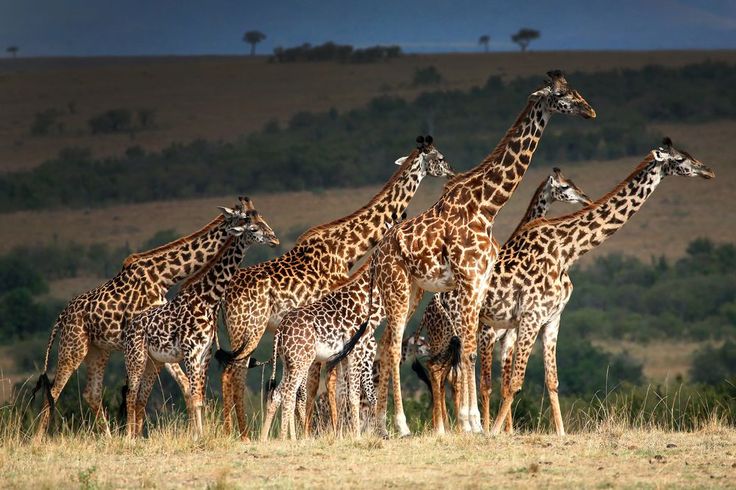
Planning an African holiday and wondering about the best time to visit Tanzania? Tanzania is one of Africa’s most rewarding safari destinations, offering incredible wildlife encounters, spectacular landscapes, the Great Migration and beautiful Indian Ocean beaches.The best time depends on what you want to experience. Some visitors prefer the dry season for excellent wildlife viewing, while others travel during the green season to enjoy lush landscapes, fewer crowds and seasonal wildlife experiences.
At Gowitos Safaris and Holidays, we help international travellers plan memorable Tanzania safari holidays based on their travel dates, interests and budget. This guide explains Tanzania’s seasons, the best months for wildlife viewing, the Great Migration and how to combine a safari with Zanzibar.
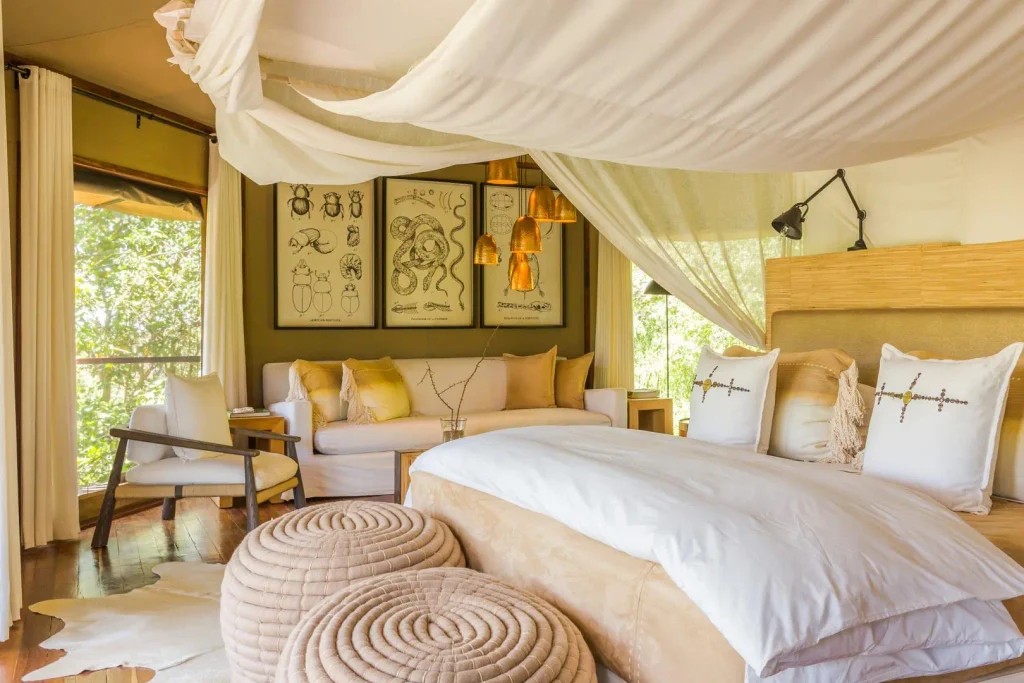
When Is the Best Time to Visit Tanzania?
The best time to visit Tanzania for a traditional wildlife safari is generally June to October, during the dry season. Wildlife often gathers around permanent water sources, vegetation becomes less dense and game viewing can be excellent in national parks such as Serengeti, Tarangire and Ngorongoro.
However, Tanzania is a year-round destination. The months from January to March are particularly rewarding for visitors interested in the wildebeest calving season in the Ndutu area, while the green season offers beautiful scenery and a different safari atmosphere.Your ideal travel period depends on the parks you want to visit and the wildlife experiences you hope to enjoy.
Tanzania Safari Seasons Explained
1. Dry Season: June to October
The dry season is one of the most popular periods for a Tanzania safari.During these months, rainfall is generally lower across the northern safari circuit. Wildlife viewing can be excellent, especially around rivers and water sources.
Best destinations during the dry season:
- Serengeti National Park
- Tarangire National Park
- Ngorongoro Conservation Area
- Lake Manyara National Park
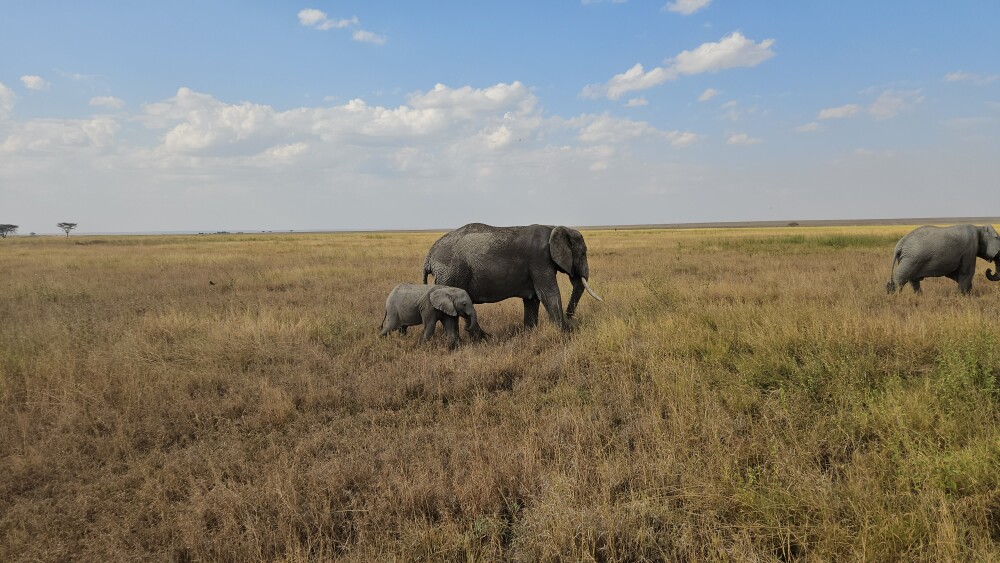
Tarangire is especially attractive because large elephant herds can gather around the Tarangire River. In the Serengeti, the Great Migration moves through different areas depending on rainfall and grazing conditions.
Why travel during this season?
- Excellent opportunities for wildlife viewing.
- Generally drier safari roads.
- Good conditions for photography.
- Popular period for the northern Serengeti migration season.
- Ideal for combining several northern circuit parks.
2. Short Rains: November to December
November and December bring the short rains to many parts of northern Tanzania. Rain showers are often intermittent, and the landscape begins to turn green.
This period can be rewarding for travellers who prefer greener scenery and want to experience Tanzania outside the busiest dry-season months.
Highlights include:
- Beautiful green landscapes.
- Excellent birdwatching opportunities.
- Seasonal wildlife movements in the Serengeti ecosystem.
- Opportunities to explore popular parks with a different atmosphere.
The timing and amount of rainfall vary from year to year, so itineraries should be planned with flexibility.
3. Calving Season: January to March
January to March is a particularly special time for wildlife enthusiasts visiting the southern Serengeti and Ndutu plains.
During the wildebeest calving season, large numbers of wildebeest give birth, attracting predators such as lions, cheetahs and hyenas.
Why visit during the calving season?
- Opportunities to observe newborn wildebeest.
- Excellent predator-prey wildlife encounters.
- Beautiful open grasslands.
- Exceptional wildlife photography opportunities.
The exact timing and concentration of wildlife depend on rainfall and grazing conditions.
For travellers interested in this experience, we recommend considering a dedicated Ndutu and Serengeti safari itinerary.
4. Long Rains: March to May
March to May is generally the long-rain season in much of northern Tanzania.
Rainfall can affect road conditions and travel times, particularly on some remote safari routes. However, this period also offers lush scenery, fewer visitors in many areas and opportunities for travellers seeking a quieter safari experience.
Highlights include:
- Green landscapes and dramatic skies.
- Excellent photographic scenery.
- Seasonal birdlife.
- Potentially quieter safari experiences.
- Opportunities for selected lodges and camps to offer seasonal rates.
April and May require careful itinerary planning because heavy rainfall can affect accessibility in certain areas.
Best Time to See the Great Migration in Tanzania
The Great Wildebeest Migration is one of Tanzania’s most famous wildlife experiences. Millions of wildebeest, accompanied by zebras and other grazing animals, move through the Serengeti ecosystem in search of fresh grass and water.
There is no single fixed date for the migration because its movement depends on rainfall, grazing conditions and seasonal weather patterns.
Here is a general guide to the migration calendar:
| Period | General migration location | Wildlife experience |
|---|---|---|
| January–March | Ndutu and southern Serengeti | Calving season |
| April–May | Central and western Serengeti | Herd movements and seasonal grazing |
| June–July | Western Serengeti and Grumeti region | Herd movement and river-crossing opportunities |
| July–October | Northern Serengeti and Kogatende | Mara River crossing opportunities |
| November–December | Eastern and southern Serengeti | Herds move towards the southern plains |
River crossings are natural wildlife events and cannot be guaranteed on a particular date or at a particular location.
For travellers planning around the migration, choosing the correct accommodation location is just as important as choosing the month.
Best Month to Visit Tanzania’s National Parks
Different national parks offer different wildlife experiences throughout the year.
Serengeti National Park
The Serengeti is a year-round safari destination. June to October is popular for dry-season wildlife viewing and northern migration experiences, while January to March is ideal for exploring the southern plains during the calving season.
Ngorongoro Crater
Ngorongoro Crater offers excellent wildlife viewing throughout the year. Its permanent water sources and diverse habitats support a wide range of animals, including elephants, lions, buffaloes and black rhinos.
Tarangire National Park
June to October is a particularly popular period for visiting Tarangire. Large elephant herds and other wildlife are often seen around the river and remaining water sources.
Lake Manyara National Park
Lake Manyara offers varied habitats, including forest, woodland, grassland and lakeshore environments. It can be visited throughout the year, although the landscape changes with the seasons.
Lake Natron
Lake Natron is known for its dramatic landscapes, volcanic surroundings, flamingos and cultural experiences. Travel conditions can vary with the season, so route planning is important.
Best Time to Combine a Tanzania Safari with Zanzibar
Tanzania is an excellent destination for combining a wildlife safari with a beach holiday in Zanzibar.
June to October is a popular period for combining the northern safari circuit with Zanzibar because it generally offers favourable conditions for safari activities and beach relaxation.
January and February can also be rewarding, with warm weather and opportunities to combine the Ndutu calving season with a Zanzibar beach stay.
A typical holiday could include:
- Tarangire National Park for elephants and diverse wildlife.
- Ngorongoro Crater for a remarkable crater safari.
- Serengeti National Park for big cats and migration experiences.
- Zanzibar for white-sand beaches, ocean activities and relaxation.
The best combination depends on your available holiday dates, preferred accommodation and budget.
What Is the Cheapest Time to Visit Tanzania?
The cost of a Tanzania safari depends on accommodation category, park fees, transport, travel dates and the number of people travelling.
April and May are often considered part of the low season in many safari areas. Some lodges and camps may offer lower seasonal rates during this period.
November and parts of March can also offer opportunities for travellers seeking more flexible pricing.
However, a lower safari price does not automatically mean a better experience. It is important to consider road conditions, accommodation availability and the wildlife experiences you want.
At Gowitos Safaris and Holidays, we prepare private and tailor-made safari quotations for budget, mid-range and luxury travellers.
When Should You Book a Tanzania Safari?
For travel during the busy June to October period, booking several months in advance is recommended, especially if you want specific Serengeti camps or lodges in popular migration locations.
For the Ndutu calving season, early planning is also important because accommodation in the southern Serengeti and Ndutu areas can be limited.
We recommend planning ahead if you:
- Want to stay near the Great Migration.
- Prefer specific luxury lodges or tented camps.
- Are travelling as a family or large group.
- Need a private safari vehicle and specialist guide.
- Want to combine Tanzania with Zanzibar.
Plan Your Tanzania Safari with Gowitos Safaris and Holidays
Whether you want to witness the Great Migration, explore the Ngorongoro Crater, photograph elephants in Tarangire or relax on Zanzibar’s beaches, choosing the right travel period can make a significant difference to your holiday.
Gowitos Safaris and Holidays is a locally owned and fully licensed Tanzania tour operator and Destination Management Company (DMC), based in Arusha. We organise private and group safaris, tailor-made holidays, Kilimanjaro adventures and Tanzania–Zanzibar combinations.
Our local team can help you select suitable destinations, accommodation and travel dates according to your interests and budget.
Start planning your Tanzania holiday today.
- Website: https://gowitossafarisandholidays.com
- Email: info@gowitossafarisandholidays.com
- WhatsApp: +255 769 100 815
Request your personalised Tanzania safari quotation and let our local team help you plan your journey.
Frequently Asked Questions
What is the best month to visit Tanzania for a safari?
June to October is generally excellent for dry-season wildlife viewing. January to March is particularly rewarding for the wildebeest calving season in Ndutu.
Is Tanzania good to visit all year round?
Yes. Tanzania offers wildlife experiences throughout the year, although rainfall, road conditions and wildlife movements vary by season.
When is the Great Migration in Tanzania?
The migration takes place throughout the year. The herds move between the southern, central, western and northern Serengeti depending on rainfall and grazing conditions.
Is April a good time to visit Tanzania?
April is part of the long-rain season. The landscape is green and some areas are quieter, but rainfall can affect road conditions and accessibility.
What is the best time to visit Serengeti National Park?
The Serengeti can be visited throughout the year. June to October is popular for dry-season wildlife viewing, while January to March is excellent for the southern plains and calving season.
