
Best Time to Visit Tanzania for a Safari Month by Month
The best time to visit Tanzania for a safari depends on what you want to experience during your African adventure. Whether you dream of watching the Great Wildebeest Migration in Serengeti National Park, seeing newborn animals during the calving season, spotting elephants in Tarangire or exploring the spectacular Ngorongoro Crater, Tanzania offers rewarding wildlife experiences throughout the year.
Tanzania is one of Africa’s leading safari destinations, with remarkable national parks, diverse landscapes and abundant wildlife. Its safari seasons bring different opportunities, from the dry-season wildlife viewing between June and October to the green landscapes and newborn wildlife of the early months of the year.For travellers planning a holiday in 2027 or 2028, choosing the right travel month can help you decide which national parks to visit, where to stay and which safari itinerary suits your interests.
At Gowitos Safaris and Holidays, our local Tanzania safari team helps travellers select suitable travel dates and plan private wildlife journeys based on seasonal conditions, wildlife movements, accommodation preferences and available time.
Best Time to Visit Tanzania for a Safari: Choosing the Right Season
The best time to visit Tanzania for a safari depends on your preferred wildlife experiences, travel budget and destinations. Travellers interested in the Great Migration may prefer July to October, while those hoping to witness wildebeest calving should consider January and February. For general wildlife viewing, the dry season offers excellent opportunities across the northern safari circuit.
However, the best time depends on your priorities:
- January to March: Excellent for the wildebeest calving season in the southern Serengeti and Ndutu.
- June to October: Excellent general wildlife viewing and opportunities to follow the Great Migration.
- July to October: A popular period for visiting the northern Serengeti, when Mara River crossings may occur.
- November to December: Green landscapes, migratory birds and opportunities to see herds returning south.
- April to May: Long rainy season, with fewer visitors, lush scenery and possible seasonal travel disruptions.
There is no single month that guarantees particular wildlife sightings. The Great Migration follows rainfall and fresh grazing, so the location of the herds changes from year to year.
Tanzania Safari Seasons: Dry Season and Green Season
Understanding Tanzania’s safari seasons is important when planning your journey.
1. Dry Season: June to October
The dry season is generally considered the best time for traditional wildlife viewing in Tanzania.As rainfall decreases, grass and vegetation become thinner. Animals often gather near rivers, lakes and permanent water sources, making them easier to observe during game drives.
Popular destinations during this period include:
- Serengeti National Park
- Tarangire National Park
- Ngorongoro Conservation Area
- Lake Manyara National Park
Why visit during the dry season?
- Good conditions for wildlife viewing.
- Excellent opportunities to see elephants, lions, giraffes, buffaloes and other wildlife.
- Pleasant conditions for many safari activities.
- Opportunities to follow the Great Migration in the western and northern Serengeti.
- Generally less rain than during the main wet season.
July, August and September are particularly popular, so it is advisable to reserve accommodation and safari arrangements in advance.
2. Green Season: November to May
The green season brings fresh vegetation, beautiful landscapes and seasonal wildlife activity.Although rainfall occurs during this period, it does not mean that a Tanzania safari is unsuitable. The northern safari circuit remains rewarding, and the southern Serengeti becomes especially interesting during the wildebeest calving season.The green season is also attractive to photographers and birdwatchers.
Why visit during the green season?
- Beautiful green landscapes and dramatic skies.
- Excellent birdwatching opportunities.
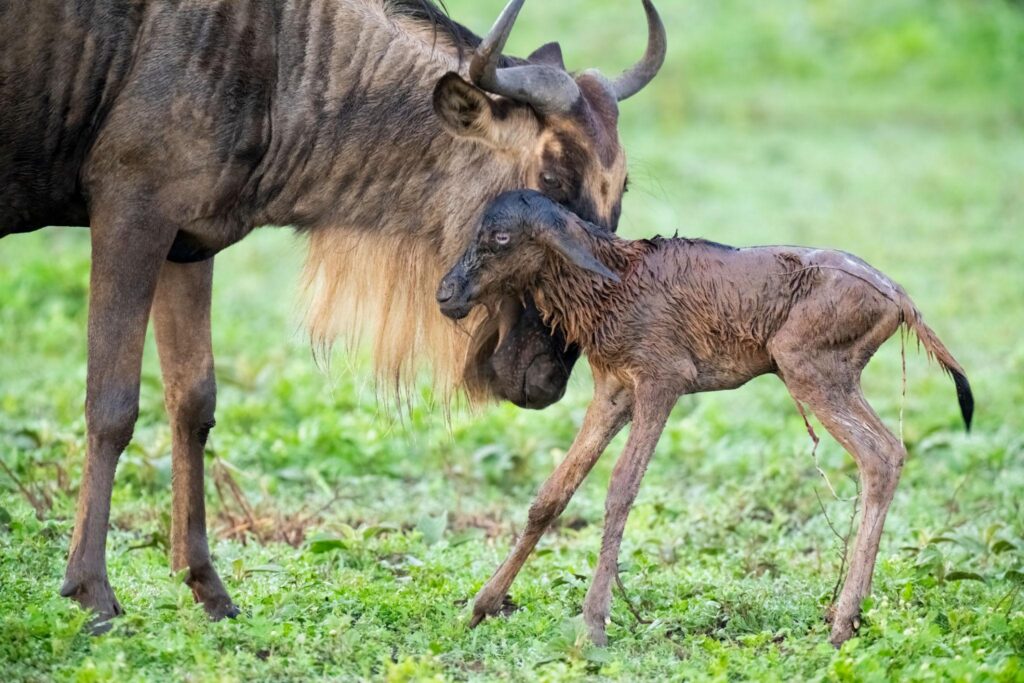
- Wildebeest calving in the southern Serengeti.
- Potentially fewer visitors in some areas.
- Seasonal accommodation offers may be available.
April and May are generally the wettest months. Heavy rainfall can affect some roads, transfers and outdoor activities, and some seasonal camps may close.
Best Time to Visit Tanzania Month by Month
The following guide explains the typical safari conditions and wildlife highlights throughout the year.
January – Best for Southern Serengeti Wildlife
January is an excellent month to visit the southern Serengeti and Ndutu plains.Large wildebeest herds usually gather in the region, attracted by fresh grass after the seasonal rains. Predators such as lions, cheetahs and hyenas may be seen following the herds.The landscape is often green and beautiful, making January an attractive month for wildlife photography.
Best places to visit:
- Ndutu
- Southern Serengeti
- Ngorongoro Conservation Area
Best experiences: Wildebeest migration, predator sightings and photography.
February – Best for Wildebeest Calving Season
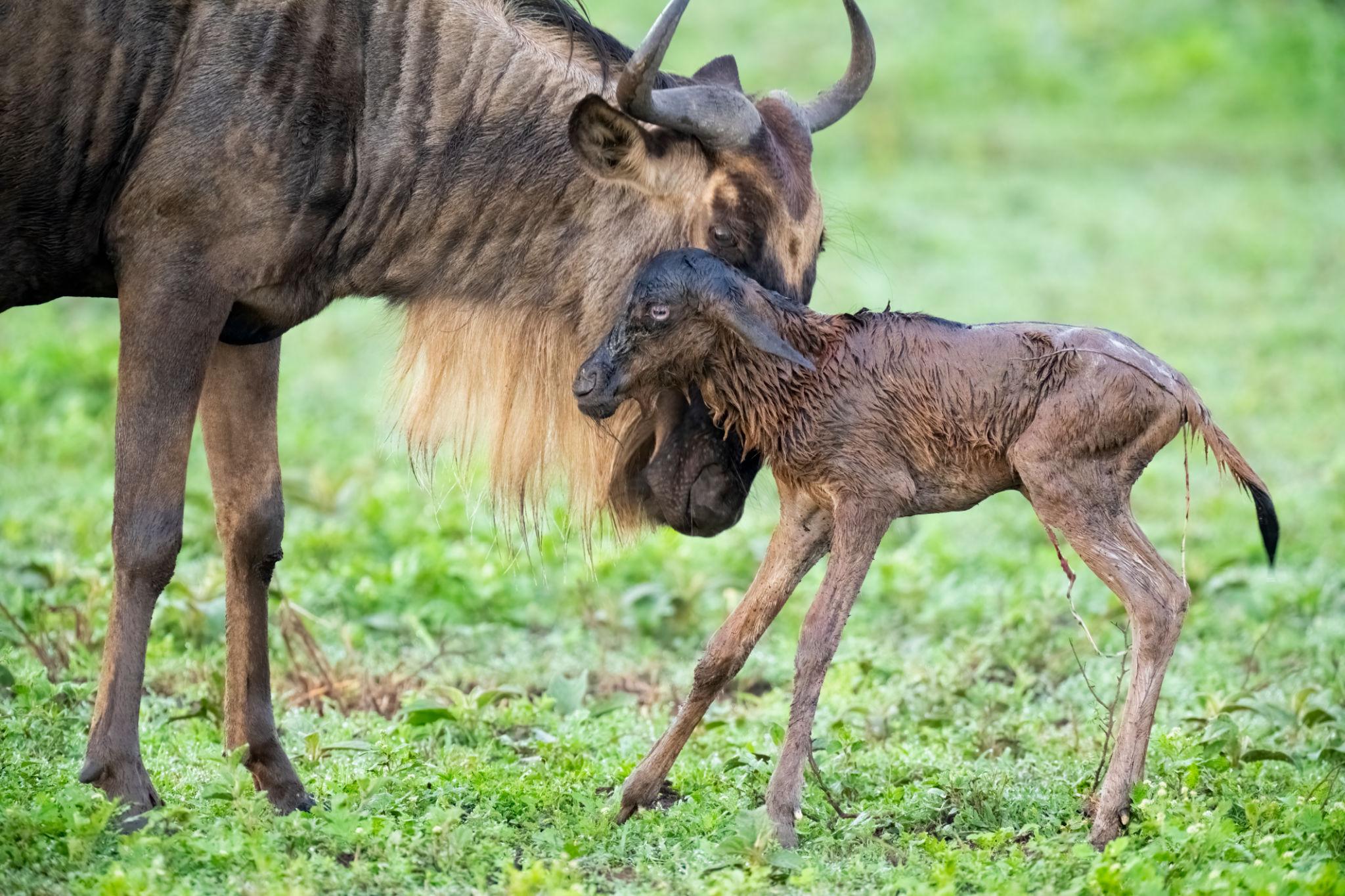
February is one of the most exciting months for wildlife enthusiasts visiting Tanzania.The southern Serengeti and Ndutu plains are traditionally associated with the main wildebeest calving period. Thousands of newborn calves may be seen across the grasslands, attracting predators and creating dramatic wildlife encounters.This period is particularly attractive for photographers interested in predator-prey behaviour and newborn animals.
Best places to visit:
- Ndutu
- Southern Serengeti
Best experiences: Calving season, newborn wildebeest, predators and wildlife photography.
March – Excellent for Green Season Safaris
March offers beautiful green scenery and continued opportunities to explore the southern Serengeti.The calving period may continue into March, although rainfall patterns and the movement of herds influence wildlife concentrations.Visitors can enjoy quieter areas in some parts of the safari circuit compared with the busiest dry-season months.
Best places to visit:
- Southern Serengeti
- Central Serengeti
- Ngorongoro Crater
Best experiences: Photography, birdwatching and seasonal wildlife viewing.
April – Best for Lush Landscapes and Fewer Visitors
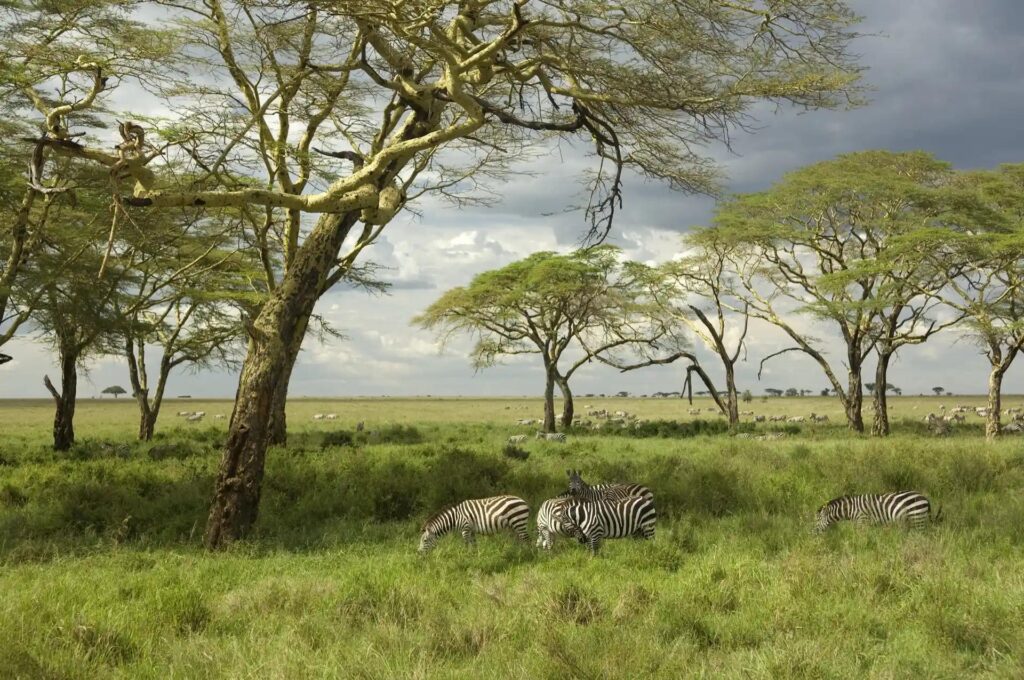
April falls within Tanzania’s long rainy season.The countryside becomes green, skies can be dramatic and visitor numbers may be lower in many safari areas. However, heavy rainfall can affect road conditions and some camps may temporarily close.Travellers visiting during April should plan carefully and remain flexible.
Best places to visit:
- Central Serengeti, depending on conditions
- Ngorongoro Crater
- Selected northern circuit parks
Best experiences: Green-season photography and quieter safari experiences.
May – A Quieter Month for Safari Travellers
May is another month within the long rainy season.
Rainfall can still be significant, but the changing landscapes offer attractive photography opportunities. The migration herds generally begin moving away from the southern plains towards the central and western parts of the Serengeti ecosystem.
Some accommodation providers offer seasonal rates, although availability and park access should be checked before booking.
Best places to visit:
- Central Serengeti
- Western Serengeti, depending on herd movements
- Ngorongoro Conservation Area
Best experiences: Photography, green landscapes and quieter travel.
June – Excellent for the Start of the Dry Season
June marks the transition into the dry season in much of northern Tanzania.
Wildlife viewing improves as vegetation begins to thin. The Great Migration herds generally move through the central and western Serengeti, although their exact location depends on rainfall.
The western corridor and Grumeti region can offer opportunities to observe migrating herds.
Best places to visit:
- Western Serengeti
- Central Serengeti
- Tarangire National Park
- Ngorongoro Crater
Best experiences: General wildlife viewing and following the migration.
July – Best for the Northern Serengeti Migration Season
July is one of the most popular months for a Tanzania safari.
The migrating wildebeest and zebras may move towards the northern Serengeti. River crossings at the Mara River can occur during this period, although they are unpredictable and cannot be guaranteed.
The dry weather also creates favourable conditions for wildlife viewing in many northern circuit parks.
Best places to visit:
- Northern Serengeti
- Central Serengeti
- Ngorongoro Crater
- Tarangire National Park
Best experiences: Great Migration, possible river crossings and Big Five wildlife viewing.
August – Excellent for Great Migration Safaris
August is a popular month for travellers hoping to experience the Great Migration in northern Serengeti.
Wildebeest and zebras may gather around the Mara River, where crossings can take place as the herds search for fresh grazing.
The timing and frequency of river crossings are unpredictable. Travellers should allow sufficient time in the northern Serengeti rather than expecting a crossing on a particular day.
Best places to visit:
- Northern Serengeti
- Central Serengeti
- Ngorongoro Crater
Best experiences: Migration photography, river-crossing opportunities and predator sightings.
September – Excellent for Wildlife Viewing
September is generally a strong month for safari travel.
Dry conditions continue across much of northern Tanzania, and wildlife is often easier to observe in open areas and around water sources.
The northern Serengeti may still host large migration herds, depending on rainfall and grazing conditions.
Best places to visit:
- Northern Serengeti
- Tarangire National Park
- Ngorongoro Crater
Best experiences: General wildlife viewing, migration safaris and photography.
October – End of the Main Dry Season
October is usually a rewarding month for a Tanzania safari.
Wildlife remains concentrated around available water sources in many areas. The Great Migration herds may remain in northern Serengeti or begin moving southwards, depending on rainfall.
Tarangire is also an excellent destination during the dry season because animals gather around the Tarangire River.
Best places to visit:
- Tarangire National Park
- Northern Serengeti
- Central Serengeti
- Ngorongoro Crater
Best experiences: Elephant viewing, general wildlife photography and migration tracking.
November – Green Landscapes and Birdwatching
November marks the beginning of the short rains in many parts of northern Tanzania.
The landscape begins to turn green, and migratory birds arrive. The Great Migration herds generally start moving towards the eastern and southern Serengeti in search of fresh grazing.
Rain showers are often localised, but conditions can vary.
Best places to visit:
- Central Serengeti
- Eastern Serengeti
- Ngorongoro Crater
- Lake Manyara National Park
Best experiences: Birdwatching, photography and green-season safaris.
December – A Beautiful Time for a Tanzania Safari
December offers attractive green landscapes and opportunities to explore Tanzania’s northern safari circuit.As the short rains refresh the plains, wildebeest herds generally move towards the southern Serengeti and Ndutu plains.The festive period can be busy, especially around Christmas and New Year, so early accommodation reservations are recommended.
Best places to visit:
- Southern Serengeti
- Ndutu
- Ngorongoro Crater
- Tarangire National Park
Best experiences: Wildlife photography, green landscapes and migration viewing.
Best Time to See the Great Wildebeest Migration in Tanzania
The Great Wildebeest Migration is one of the most remarkable wildlife movements in Africa. More than a million wildebeest, together with zebras and gazelles, move through the Serengeti ecosystem in search of fresh grass and water.
The migration is a continuous annual cycle rather than a single event.
The best time to visit depends on which stage of the migration you want to experience.
January to March: Calving Season in Ndutu
The southern Serengeti and Ndutu plains are important calving areas.
This period provides opportunities to see newborn wildebeest and the predators that follow the herds.
April to June: Movement Towards the Western Corridor
As grazing conditions change, herds generally move north and west through the Serengeti.
The western corridor and Grumeti region can provide interesting migration viewing opportunities.
July to October: Northern Serengeti and Mara River
During this period, large herds may move through the northern Serengeti and towards the Mara River.
River crossings can be dramatic, but they depend on the movement and behaviour of the animals. No safari company can guarantee a crossing on a specific date.
November to December: Return Towards the Southern Plains
The short rains help fresh grass grow across the eastern and southern Serengeti ecosystem.
The herds generally begin moving southwards, preparing for the next calving season.
For more information, explore our Tanzania Great Migration Safari options and ask our team which itinerary best matches your travel dates.
Best Time to Visit Tanzania’s Top National Parks
Each national park has its own landscape, wildlife and seasonal highlights. Choosing the right destinations is just as important as choosing the right month.
Serengeti National Park
Serengeti is a year-round safari destination, but different areas are best suited to different stages of the migration.
- January to March: Southern Serengeti and Ndutu for calving.
- April to June: Central and western Serengeti for herds moving north and west.
- July to October: Northern Serengeti for migration viewing and possible Mara River crossings.
- November to December: Eastern and southern areas as herds move south.
The park is also known for lions, leopards, cheetahs, elephants, giraffes and numerous other wildlife species.
Explore our Serengeti National Park safari information.
Ngorongoro Crater
Ngorongoro Crater offers excellent wildlife viewing throughout the year.
Its remarkable ecosystem supports elephants, lions, buffaloes, zebras, wildebeest, hyenas and many other species.
The crater is a rewarding destination for travellers who want to see a variety of wildlife in a relatively concentrated area.
It can be combined with Serengeti and Tarangire in a northern Tanzania safari itinerary.
Tarangire National Park
Tarangire is particularly rewarding during the dry season, especially from June to October.
The Tarangire River attracts wildlife from the surrounding areas, and visitors may see large elephant herds, giraffes, zebras, buffaloes and predators.
The park is also famous for its ancient baobab trees and diverse birdlife.
Lake Manyara National Park
Lake Manyara can be visited throughout the year.
Its landscapes include groundwater forests, open grasslands, woodland and the alkaline lake. Visitors may encounter elephants, giraffes, baboons, hippos and a variety of bird species.
Tree-climbing lions are one of the park’s attractions, although sightings are never guaranteed.
Best Time to Combine a Tanzania Safari with Zanzibar
Combining a Tanzania wildlife safari with a Zanzibar beach holiday is an excellent way to experience two different sides of the country.
For many travellers, June to October offers a favourable combination of dry-season safari conditions and generally pleasant beach weather.
January and February are also attractive months for combining southern Serengeti calving-season safaris with time on Zanzibar’s beaches.
November and December can also work well, although short tropical showers are possible.
April and May are generally less reliable for beach weather because of the long rains.
A typical safari and Zanzibar holiday can include:
- Serengeti National Park for wildlife and the Great Migration.
- Ngorongoro Crater for spectacular crater wildlife viewing.
- Tarangire National Park for elephants and baobab landscapes.
- Zanzibar for white-sand beaches, Stone Town and Indian Ocean experiences.
Explore our Tanzania safari and Zanzibar holiday options.
When Is the Cheapest Time to Visit Tanzania for a Safari?
Safari prices vary according to travel dates, accommodation category, group size, transport arrangements and park fees.
April and May are often considered lower-demand months because of the long rainy season. Some lodges and camps may offer seasonal rates, making this period attractive to travellers with flexible schedules.
November can also offer good value in some destinations before the festive holiday period.
July, August and September are generally among the busiest months, particularly in the Serengeti. Accommodation in popular migration areas can book up early.
To find the most suitable option, compare the overall itinerary and accommodation rather than choosing a safari based on price alone.
Gowitos Safaris and Holidays offers tailor-made private safaris with budget, mid-range and luxury accommodation options.
How Far in Advance Should You Book a Tanzania Safari for 2027 and 2028?
We recommend planning early, especially if you intend to travel during the main migration season or festive holidays.
For July to October, consider arranging your safari approximately 6–12 months in advance where possible. Popular camps in the northern Serengeti can have limited availability.
For January and February, early planning is also advisable if you want accommodation near the Ndutu calving areas.
For April, May and November, you may have more flexibility, but you should still confirm accommodation availability and seasonal operating arrangements before booking.
When planning your safari, consider:
- Your preferred travel month.
- The wildlife experience you want to prioritise.
- The number of days available.
- Your preferred accommodation category.
- Whether you want a private safari or group safari.
- Whether you want to include Zanzibar.
Why Plan Your Tanzania Safari with Gowitos Safaris and Holidays?
Gowitos Safaris and Holidays is a Tanzania-owned safari company and destination management company based in Arusha.
We organise private and group safaris across Tanzania, helping travellers discover the country’s national parks, wildlife, landscapes and local experiences.
Our team uses local knowledge to help plan safari itineraries around seasonal conditions, travel dates and individual interests.
When travelling with Gowitos, you can benefit from:
- Tailor-made Tanzania safari itineraries.
- Private and group safari options.
- Budget, mid-range and luxury accommodation choices.
- Professional local driver-guides.
- 4×4 safari Land Cruisers with pop-up roofs.
- A maximum of six guests per safari vehicle.
- Guaranteed window seating.
- Assistance with accommodation, transfers and domestic flight arrangements.
- Safari and Zanzibar holiday combinations.
Whether you are planning a Great Migration safari, a family wildlife holiday, a honeymoon or your first African safari, our team can help you choose the right time and itinerary.
Frequently Asked Questions About the Best Time to Visit Tanzania for a Safari
1. What is the best month to visit Tanzania for a safari?
June to October is excellent for general wildlife viewing because of the dry-season conditions. January and February are particularly rewarding for wildebeest calving in the southern Serengeti and Ndutu.
2. What is the best time to see the Great Migration in Tanzania?
The best time depends on the stage of the migration. January to March is associated with calving in the southern Serengeti, while July to October offers opportunities to see the herds in the northern Serengeti and possible Mara River crossings.
3. Can I visit Tanzania during the rainy season?
Yes. Tanzania remains a safari destination during the rainy season. November to March can offer green landscapes, birdwatching and excellent wildlife experiences. April and May bring heavier rainfall, which may affect road conditions and some accommodation operations.
4. Is July a good month for a Tanzania safari?
Yes. July is a popular month for wildlife viewing and following the Great Migration towards the western and northern Serengeti. River crossings may occur, but their timing cannot be guaranteed.
5. Is February a good time to visit Serengeti?
Yes. February is an excellent month to visit the southern Serengeti and Ndutu for wildebeest calving, newborn wildlife and predator activity.
6. Which month is best for a family safari in Tanzania?
June to October is often a suitable period for family wildlife safaris because of generally drier conditions. However, January, February and other months can also be rewarding depending on the children’s ages, preferred activities and itinerary.
7. Can I combine a Serengeti safari with Zanzibar?
Yes. Many travellers combine a wildlife safari in northern Tanzania with a Zanzibar beach holiday. The ideal schedule depends on your travel dates, preferred parks and beach plans.
8. How many days do I need for a Tanzania safari?
A 3–4 day safari can cover selected destinations, while 5–7 days provides more time to explore the northern circuit. An itinerary of 8–12 days or longer allows additional time in the Serengeti or a combination of safari and Zanzibar.
9. Can I see the Big Five in Tanzania throughout the year?
Tanzania supports all five iconic species: lion, leopard, elephant, buffalo and rhinoceros. Sightings depend on the park, season, animal movements and luck. The Ngorongoro Crater and Serengeti are popular destinations for Big Five viewing, but no sighting is guaranteed.
10. When should I book a Tanzania safari for 2027 or 2028?
Book as early as possible for peak-season travel, especially July to October and the January–February calving period. Early planning gives you more accommodation choices and time to arrange a suitable itinerary.
Plan Your Tanzania Safari for 2027 or 2028
Choosing the best time to visit Tanzania for a safari is the first step towards planning an unforgettable wildlife adventure.
Whether you want to witness the Great Migration, experience the wildebeest calving season, explore the Ngorongoro Crater or enjoy an extended safari followed by a Zanzibar beach holiday, Tanzania offers something special in every season.
Let the local team at Gowitos Safaris and Holidays help you choose the right travel dates, destinations and accommodation for your journey.
Start planning your Tanzania safari today.
Website: https://gowitossafarisandholidays.com/
WhatsApp: +255 769 100 815
Email: info@gowitossafarisandholidays.com
Gowitos Safaris and Holidays – Your Local Tanzania Safari Partner.
