
What Is the Best Time for Safari in Tanzania?7 Amazing Tanzania Safari in 2026,2027,2028?
What Is the Best Time for Safari in Tanzania? The best time depends on your travel dates, wildlife interests and budget. From the Great Migration in the Serengeti to the calving season and spectacular wildlife viewing, Tanzania offers memorable safari experiences throughout the year. This 2026/2027 guide by Gowitos Safaris and Holidays explains when to visit and how to plan your safari.
What Is the Best Time for Safari? Tanzania is a year-round safari destination, with each season offering a unique wildlife experience. The dry season is ideal for wildlife viewing, while January to March is especially rewarding for the Serengeti wildebeest calving season in the southern Serengeti. The green season brings lush landscapes, excellent photography opportunities and potential savings on Tanzania safari packages. Whether you are planning a Tanzania safari in 2026 or 2027, choosing the right travel season will help you make the most of your African wildlife adventure.
What Is the Best Time for Safari in Tanzania? The answer depends on your wildlife interests, travel dates and budget. The dry season offers excellent wildlife viewing, while January to March is ideal for experiencing the Serengeti wildebeest calving season. For travellers planning a Tanzania safari in 2026 or 2027, understanding what is the best time for safari can help you choose the right parks, accommodation and travel season. Gowitos Safaris and Holidays can help you plan a memorable African wildlife adventure.
Gowitos Safaris and Holidays is a fully licensed, Tanzania-owned tour operator based in Arusha. We organise personalised Tanzania safari packages for couples, families, private travellers and groups, with options to combine wildlife adventures with a relaxing Zanzibar beach holiday.
What Is the Best Time for Safari in Tanzania?
The best time for safari in Tanzania depends on what you want to experience.
June to October is generally considered the classic dry-season period for wildlife viewing. Vegetation becomes thinner, water sources become more limited in some areas, and animals may gather around permanent water sources. These months are popular for visiting Serengeti National Park, Tarangire National Park and Ngorongoro Crater.
January to March is an excellent period for travellers interested in wildebeest calving in the southern Serengeti and Ndutu plains. The newborn animals attract predators, creating fascinating opportunities for wildlife observation and photography.
April to May brings the long rains. Landscapes become lush and green, visitor numbers may be lower, and some accommodation providers offer seasonal rates. However, heavy rain can affect road conditions and access to certain camps.
November to December usually brings the short rains, fresh vegetation and rewarding birdwatching opportunities. December can become particularly busy around Christmas and New Year.
There is no single perfect month for every traveller. The best choice depends on your wildlife priorities, budget, preferred accommodation and flexibility.

7 Ultimate Tips for Choosing the Best Time for a Tanzania Safari
1. Visit Between June and October for Classic Wildlife Viewing
If your priority is a traditional African safari with game drives, dramatic landscapes and opportunities to spot a wide variety of wildlife, consider travelling between June and October.
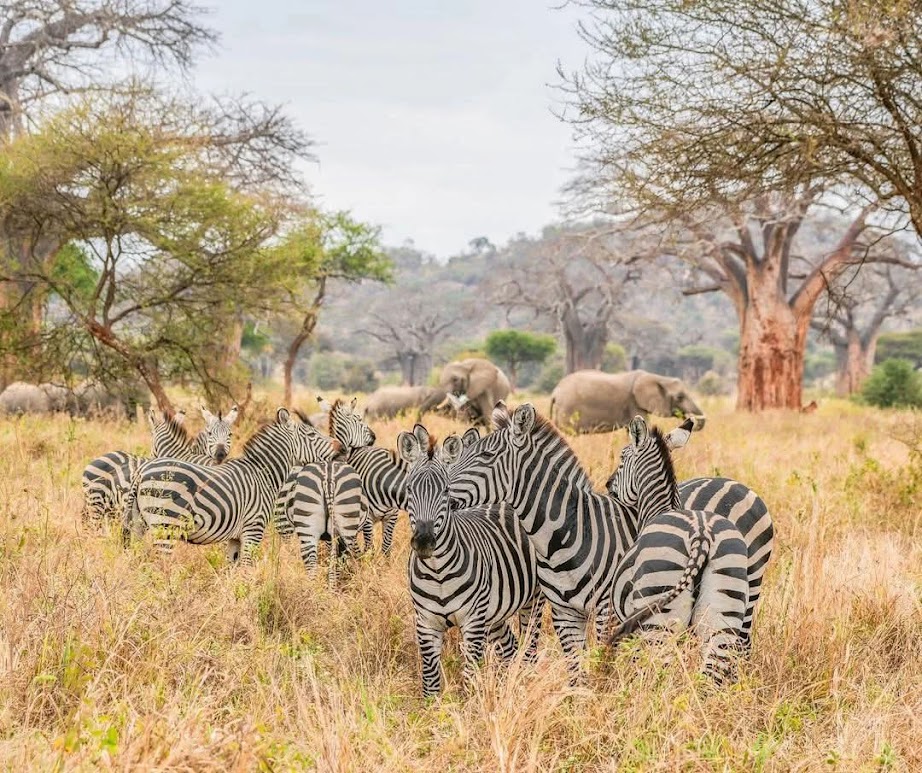
During this period, the northern safari circuit offers excellent opportunities to see lions, elephants, giraffes, zebras, buffaloes and numerous other species. Tarangire National Park is particularly attractive because elephants and other wildlife may gather near the Tarangire River as seasonal water sources diminish.
Serengeti National Park also attracts visitors seeking the Great Migration. Depending on the herds’ movements, the western corridor and northern Serengeti may provide rewarding wildlife experiences.
The dry season is popular, so accommodation in sought-after locations can sell out early. Booking ahead gives you more choice of lodges, tented camps and room categories.
Best for: First-time safari travellers, wildlife photographers, couples, families and travellers who prefer predominantly dry conditions.
2. Choose January to March for the Serengeti Calving Season
For travellers fascinated by newborn wildlife and predator behaviour, January to March can be one of the most rewarding periods for a Tanzania safari.
During the calving season, large numbers of wildebeest gather around the southern Serengeti and Ndutu plains, where fresh grazing supports the herds. Many calves are born during this period, attracting predators such as lions, cheetahs and hyenas.
The experience combines open grasslands, dramatic wildlife interactions and excellent photographic opportunities.
To make the most of this season, choose accommodation that allows convenient access to the southern Serengeti or Ndutu. Your itinerary should reflect the likely location of the herds rather than relying on a fixed migration schedule.
Best for: Great Migration enthusiasts, wildlife photographers, nature lovers and travellers interested in animal behaviour.
3. Plan Carefully if You Want to See the Great Migration River Crossings
The Great Migration is one of the most celebrated wildlife spectacles in Africa. Millions of wildebeest, together with zebras and other grazing animals, move through the Serengeti ecosystem in search of fresh grazing and water.
The herds’ movements vary with rainfall and grazing conditions, but these broad seasonal patterns can help you plan:
- January to March: Southern Serengeti and Ndutu for calving.
- April to June: Central Serengeti and the western corridor may offer migration-viewing opportunities.
- July to October: Northern Serengeti for opportunities to observe the herds and possible Mara River crossings.
- November to December: Many herds begin moving towards the southern Serengeti as seasonal rains return.
River crossings are unpredictable. Even during the commonly recommended months, the herds may remain in another area or cross at a different location. No safari operator can guarantee a crossing on a specific day.
If seeing the migration is your main goal, discuss your travel dates, length of stay and accommodation location with your safari operator before booking.
Best for: Travellers seeking migration-related wildlife experiences and flexible safari itineraries.
4. Compare the Cheapest Time for a Tanzania Safari
If you are looking for affordable Tanzania safari packages, consider comparing travel dates during the shoulder and green seasons.
April and May are generally associated with the long rains. Some properties offer reduced rates, but heavy rainfall can affect road conditions, activities and accommodation availability. Certain camps close temporarily during this period.
November may also offer opportunities for seasonal value before the festive holiday period. Prices vary by property, location, travel dates and accommodation category.
January to March can be rewarding for the calving season, but popular camps in the southern Serengeti and Ndutu may command higher prices when demand is strong.
When comparing quotes, check whether they include park fees, accommodation, meals, a private safari vehicle, a professional guide, airport transfers and domestic flights.
A lower advertised price does not always mean a less expensive holiday overall. Compare the full itinerary and included services before making your decision.
Best for: Budget-conscious travellers, flexible holiday planners and visitors comparing safari packages.
5. Explore Ngorongoro Crater and Tarangire During the Dry Season
Ngorongoro Crater and Tarangire National Park are excellent additions to a northern Tanzania safari itinerary.
Ngorongoro Crater offers dramatic volcanic scenery and a rich concentration of wildlife. Visitors may encounter lions, elephants, buffaloes, hyenas and other species during a game drive on the crater floor.
The crater can be visited throughout the year, although weather, visibility and road conditions vary by season. The dry months are popular, while greener periods offer attractive scenery for photography.
Tarangire National Park is especially popular from June to October. Its elephant herds, ancient baobab trees and diverse birdlife make it a distinctive destination within Tanzania’s northern safari circuit.
Combining Tarangire, Ngorongoro and Serengeti allows travellers to experience different landscapes and wildlife habitats within one holiday.
Best for: First-time visitors, wildlife enthusiasts, photographers and travellers seeking a multi-park safari.
6. Combine Your Tanzania Safari with a Zanzibar Beach Holiday
A Tanzania safari and Zanzibar holiday is an excellent option for travellers who want to combine wildlife adventures with tropical beaches.
June to October is a popular period for a safari followed by time on Zanzibar’s coastline. January and February can also be attractive for a combined holiday, with warm conditions across many safari and beach destinations.
A tailor-made itinerary could include:
- Tarangire National Park for elephants and baobab landscapes.
- Ngorongoro Crater for a full-day wildlife experience.
- Serengeti National Park for big cats and migration-related wildlife viewing.
- Zanzibar for white-sand beaches, Stone Town, spice tours and cultural experiences.
Your itinerary can be adjusted to suit your flight connections, accommodation preferences, budget and the number of days available.
If you are travelling during April or May, consider that the long rains can affect both safari conditions and Zanzibar’s beach weather. Seasonal conditions vary, so plan with realistic expectations.
Best for: Honeymooners, couples, families and international visitors seeking a wildlife-and-beach holiday.
7. Book Your 2026/2027 Safari Early
Planning early is particularly important if you want to travel during the busiest safari periods or stay in a specific migration-viewing area.
For July to October, booking several months in advance can give you a better choice of accommodation and room categories. For January to March, early planning is recommended if you want to stay near the southern Serengeti and Ndutu during the calving season.
Before paying a deposit, confirm:
- Your arrival and departure dates.
- The parks and regions included in your itinerary.
- Accommodation names and room categories.
- Whether meals, park fees and transfers are included.
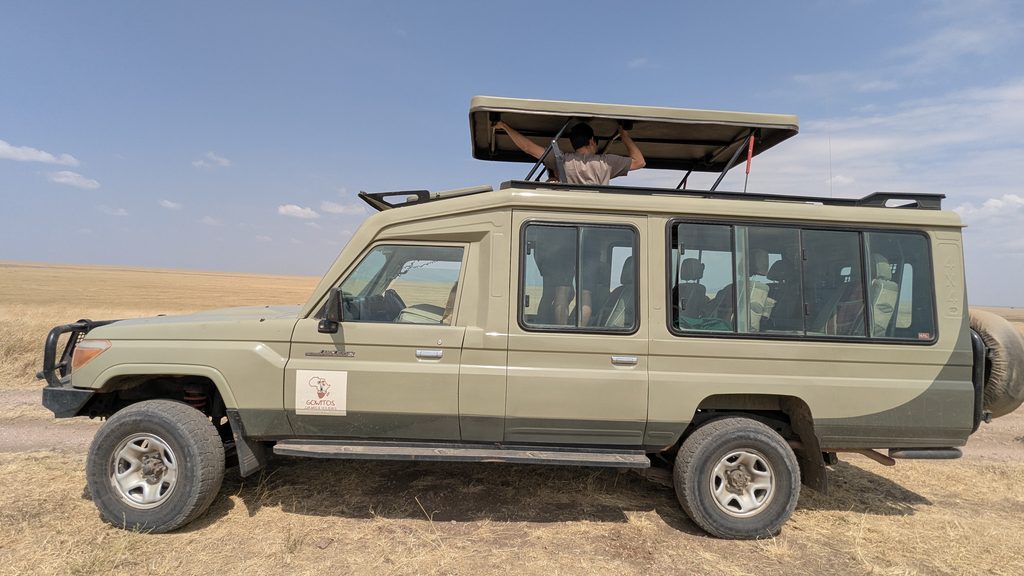
- The safari vehicle and guide arrangements.
- Domestic flight details, where applicable.
- Payment terms and cancellation conditions.
If your travel dates are flexible, ask your operator to compare alternative months and accommodation categories. This can help you balance wildlife priorities, comfort and cost.
Best for: Peak-season travellers, families, private safari guests and anyone seeking specific accommodation.
Tanzania Safari Month-by-Month Guide
| Travel period | What to expect | Best suited for |
|---|---|---|
| January–March | Calving season in southern Serengeti and Ndutu | Migration, newborn wildlife and photography |
| April–May | Long rains, green landscapes and possible seasonal savings | Flexible travellers and scenery |
| June–July | Dry-season safari conditions and herds moving through parts of the Serengeti | Classic game viewing and migration interest |
| August–October | Popular dry-season travel; possible northern Serengeti river crossings | Wildlife viewing and migration-focused trips |
| November | Short rains, greener scenery and birdwatching | Flexible travel and nature photography |
| December | Green landscapes and festive-season travel demand | Safari and beach combinations |
These are general seasonal patterns rather than guaranteed wildlife schedules. Rainfall, animal movements, road conditions and accommodation availability can change from year to year.
Is Tanzania Good for Safari All Year Round?
Yes. Tanzania offers safari opportunities throughout the year, but each season has different advantages and trade-offs.
The dry season is popular for classic game viewing. The calving season offers opportunities to observe newborn wildebeest and predator activity. The green season provides lush landscapes and can offer better accommodation value, although rainfall may affect some travel arrangements.
The most effective approach is to select your wildlife priorities first and then choose the most suitable region and travel dates.
A knowledgeable local operator can help match your itinerary to the season rather than simply recommending the busiest months.
How Much Does a Tanzania Safari Cost in 2026/2027?
The cost of a Tanzania safari depends on the number of days, group size, accommodation category, parks visited, season and transport arrangements.
Budget camping safaris generally cost less than private lodge-based itineraries. Mid-range safaris offer a balance of comfort and value, while luxury safaris may include premium lodges, private experiences and domestic flights.
Peak-season accommodation and popular migration-viewing camps can increase the overall price. Travelling during selected shoulder-season dates may provide additional options, subject to weather and availability.
When requesting a quotation, tell your operator:
- Your preferred travel dates.
- Number of adults and children.
- Number of safari days.
- Preferred accommodation standard.
- Whether you want to include Zanzibar.
- Your approximate budget per person.
Gowitos Safaris and Holidays can prepare a personalised itinerary based on your travel requirements and budget.
Why Choose Gowitos Safaris and Holidays?
Gowitos Safaris and Holidays is a fully licensed, Tanzania-owned tour operator and destination management company based in Arusha. We provide local ground services and tailor-made journeys for international travellers exploring Tanzania.
Our services include private safaris, family holidays, group trips, Great Migration experiences, accommodation arrangements, airport transfers and safari-and-Zanzibar combinations.
We help travellers select suitable parks, accommodation and travel dates according to their interests and budget. Our local knowledge also helps us plan practical routes and discuss realistic seasonal expectations.

Frequently Asked Questions About the Best Time for Safari
What is the best month for a Tanzania safari?
June to October is generally popular for dry-season wildlife viewing. January to March is particularly rewarding for the southern Serengeti calving season. The best month depends on the wildlife experience you want.
When is the Great Migration in Tanzania?
The Great Migration moves through the Serengeti ecosystem throughout the year. Calving typically takes place in the southern Serengeti and Ndutu during the early months of the year, while the northern Serengeti may offer opportunities to see river crossings later in the dry season.
What is the cheapest time to visit Tanzania for safari?
April and May may offer lower accommodation rates because of the long rains. November can also provide seasonal value. Always compare the complete itinerary, because savings depend on accommodation, availability and travel conditions.
Is Tanzania good for safari in April and May?
Yes, safaris are possible during the long rains, and the landscapes can be particularly green and attractive. However, heavy rainfall may affect road conditions, and some camps close temporarily. These months suit travellers who are flexible about weather and activities.
How many days do you need for a Tanzania safari?
A three- to four-day safari can cover selected northern circuit parks, while five to seven days allows more time for destinations such as Tarangire, Ngorongoro and Serengeti. Longer itineraries provide additional flexibility for migration-focused travel and a more relaxed pace.
When should I book a Tanzania safari for 2027?
For peak-season travel, aim to plan several months ahead, particularly if you want specific lodges or migration-viewing camps. Earlier planning provides more choice, although availability depends on the property and travel dates.
Can I combine a Tanzania safari with Zanzibar?
Yes. Many travellers combine a northern circuit safari with Zanzibar for beaches, cultural experiences and relaxation. Your operator can coordinate accommodation, transfers and domestic flight connections.
Plan Your Tanzania Safari for 2026,2027,2028
Now that you know what is the best time for safari, the next step is to choose the season, parks and accommodation that match your travel goals.
Whether you want to experience the Great Migration, explore the Serengeti, discover Ngorongoro Crater, see Tarangire’s elephants or relax on Zanzibar’s beaches, Gowitos Safaris and Holidays can help you plan a personalised Tanzania holiday.
Request your Tanzania safari quotation today.
Website: https://gowitossafarisandholidays.com
Email: info@gowitossafarisandholidays.com
WhatsApp: +255 769 100 815
Gowitos Safaris and Holidays — You bring the client. We deliver Tanzania on the ground.
