
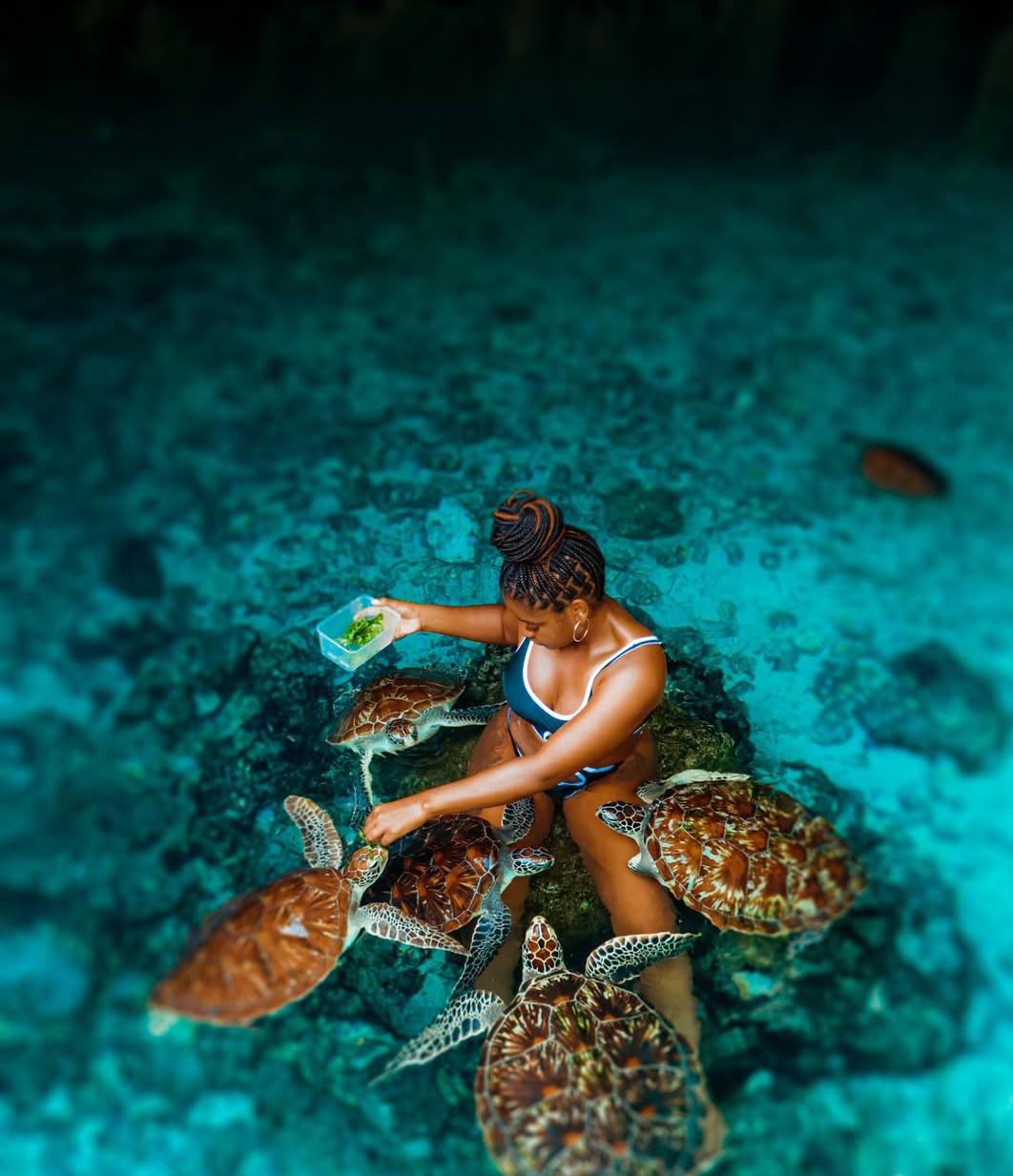
The best activities in Zanzibar Island combine tropical beaches, Swahili history, spice farms, coral reefs, traditional dhow sailing and local food. Whether you want a relaxing beach holiday, a romantic escape or an active ocean adventure, Zanzibar provides experiences for many travel styles.
Zanzibar is an archipelago in the Indian Ocean. Unguja—the island most international travellers call Zanzibar—is the largest and most visited island. Pemba, Mafia and the smaller surrounding islands are separate destinations with their own characteristics.
A well-planned Zanzibar holiday should include more than staying at a resort. Stone Town, Jozani Forest, spice farms and local villages reveal the island’s cultural and natural identity, while snorkelling, diving, kitesurfing and dhow trips provide access to the Indian Ocean.
Official Tanzania tourism material promotes Stone Town, spice farms, cultural heritage and coastal activities among Zanzibar’s primary visitor experiences.

1. Explore Historic Stone Town
A guided walking tour of Stone Town is one of the most important activities in Zanzibar Island. Its narrow streets contain carved doors, mosques, churches, markets, courtyards and historic buildings shaped by centuries of Indian Ocean trade.
Possible stops include:
- The Old Fort
- House of Wonders exterior
- Darajani Market
- Former Slave Market site
- Anglican Cathedral
- Freddie Mercury Museum
- Old Dispensary
- Forodhani Gardens
- Traditional carved Zanzibar doors
- The seafront and harbour
Stone Town was added to the UNESCO World Heritage List in 2000. UNESCO describes it as an outstanding example of a Swahili trading town whose architecture reflects African, Arab, Indian and European influences.
Using a knowledgeable local guide is recommended because many important details are easily missed when walking independently.
Stone Town is a living town rather than an open-air museum. Dress respectfully, ask before photographing residents and avoid blocking narrow streets.
2. Join a Zanzibar Spice-Farm Tour
Zanzibar is widely known as the Spice Island because of its long association with cloves, cinnamon, nutmeg, cardamom, black pepper and other tropical crops.
During a guided spice-farm visit, travellers may see, smell or taste:
- Cloves
- Vanilla
- Cinnamon
- Turmeric
- Nutmeg
- Cardamom
- Black pepper
- Lemongrass
- Cocoa
- Tropical fruits
A guide explains how each plant grows and how local families use different spices in cooking, medicine and cosmetics.
The most responsible tours avoid pressuring guests to purchase products or demanding unnecessary performances from workers. Buying directly from a well-managed farm can support local livelihoods.
Tanzania’s tourism authority identifies spice tours as an important Zanzibar cultural experience.
3. Visit Jozani Forest
Jozani Chwaka Bay National Park protects an important section of indigenous forest and mangrove habitat in central Zanzibar.
The park is famous for the Zanzibar red colobus, a primate found naturally only in the Zanzibar archipelago. Visitors may also observe blue monkeys, birds, butterflies and forest plants.
Guided trails explain:
- Forest ecology
- Medicinal plants
- Mangrove habitats
- Primate behaviour
- Conservation challenges
- The importance of protecting groundwater and coastal ecosystems
The red colobus monkeys are habituated to people, but visitors must not touch or feed them. Avoid blocking their movement or positioning yourself too close for photographs.
Driving carefully near Jozani is essential because monkeys may cross the road.
4. Snorkel Near Mnemba Atoll
Snorkelling near Mnemba Atoll is among the most popular marine activities in Zanzibar Island. The waters around the conservation area support coral habitats and numerous tropical fish.
Depending on conditions, snorkellers may see:
- Butterflyfish
- Angelfish
- Parrotfish
- Moorish idols
- Surgeonfish
- Starfish
- Moray eels
- Sea turtles
- Dolphins at a distance
Marine-life sightings are never guaranteed.
Mnemba Island itself is privately managed, and most tour participants cannot land on the island. Standard excursions visit designated snorkelling areas in the surrounding waters.
Choose an operator that avoids anchoring on coral, feeding fish or chasing dolphins. Visitors should never stand on coral or remove shells and marine animals.
5. Experience the Safari Blue Tour
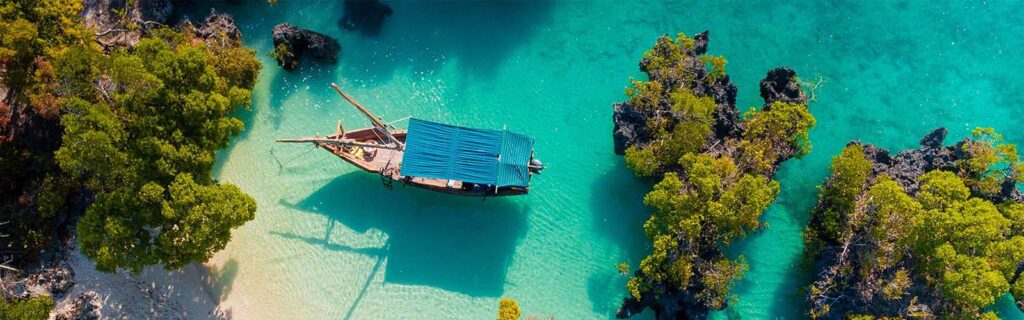
Safari Blue is a full-day marine excursion generally operating around Menai Bay in southern Zanzibar.
Depending on the operator and sea conditions, the experience may include:
- Traditional dhow sailing
- Snorkelling
- Swimming
- Sandbank visits
- A seafood lunch
- Tropical fruits
- Mangrove lagoons
- Coastal scenery
The itinerary changes according to tides and weather. Sandbanks may be visible in the morning and completely covered later in the day.
Travellers with allergies or dietary restrictions should inform the operator before departure. Vegetarian meals can often be arranged with advance notice.
Compare group sizes, safety equipment and environmental practices rather than selecting an excursion only because it is inexpensive.
6. Relax on Nungwi Beach
Nungwi is one of Zanzibar’s best-known beach areas. Located at the northern end of Unguja, it offers restaurants, accommodation, boat trips and attractive sunsets.
Nungwi is suitable for:
- Swimming
- Beach walks
- Sunset photography
- Dhow cruises
- Restaurants and nightlife
- Diving and snorkelling trips
Tidal changes are generally less dramatic than along much of the east coast, although sea conditions still vary.
Nungwi can become busy during peak travel periods. Travellers seeking a peaceful atmosphere should choose accommodation away from the busiest central beach section.
7. Enjoy Kendwa Beach
Kendwa lies south of Nungwi and is known for a broad sandy beach and beautiful sunsets.
Popular activities include:
- Swimming
- Sunbathing
- Beach volleyball
- Sunset walks
- Boat excursions
- Special beach events
- Romantic dinners
Kendwa’s beach profile often allows swimming across a wider part of the tidal cycle than many east-coast beaches.
Music events and parties may occasionally create a lively atmosphere. Guests seeking quiet accommodation should check the location and event calendar before booking.
8. Try Kitesurfing in Paje
Paje is Zanzibar’s main kitesurfing destination. Its shallow lagoon, warm water and seasonal winds attract beginners and experienced riders.
Kitesurfing conditions depend on:
- Wind season
- Tide
- Daily weather
- Experience level
- Equipment choice
- Instructor availability
Beginners should book lessons with a qualified school rather than trying to learn independently. The lagoon contains swimmers, seaweed farmers and other riders, so awareness and controlled equipment handling are essential.
Paje also has restaurants, cafés, guesthouses and a lively evening atmosphere. It is a good base for younger travellers, active couples and digital nomads.
9. Discover Jambiani Village and Beach
Jambiani offers a quieter alternative to nearby Paje. The long beach is influenced by strong tides, revealing broad areas of sand and shallow water at low tide.
Visitors can enjoy:
- Beach walks
- Cycling
- Local cooking experiences
- Village tours
- Seaweed-farming visits
- Swimming at suitable tides
- Small restaurants
- Cultural interaction
Village activities should be arranged with responsible local guides. Residents must not be treated as tourist exhibits, and permission is required before photographing homes or people.
A seaweed-farming experience can explain how coastal women cultivate, harvest and process seaweed. Buying locally produced seaweed soap or skincare items can support community businesses.
10. Visit Prison Island
Prison Island, officially known as Changuu Island, is a popular boat excursion from Stone Town.
The island is associated with historical quarantine buildings and a population of Aldabra giant tortoises. Despite its common name, its planned prison buildings were not used for long-term imprisonment in the way many visitors assume; the island later served quarantine-related purposes.
A typical visit may include:
- A short boat transfer
- Historical interpretation
- Giant-tortoise viewing
- Coastal scenery
- Swimming or snorkelling when conditions permit
Visitors should never sit on tortoises, block their movement or handle them roughly for photographs.
The quality of animal care and guiding can vary, so choose a responsible excursion provider.
11. Take a Nakupenda Sandbank Trip
Nakupenda Sandbank is a temporary stretch of sand offshore from Stone Town. Its visibility and size depend on the tide.
Excursions often include:
- Boat transfer
- Swimming
- Snorkelling
- Seafood lunch
- Tropical fruit
- Sunbathing
- Views of the Indian Ocean
The sandbank has little or no natural shade. Bring a hat, sun-protective clothing and high-SPF sunscreen.
Nakupenda can become crowded, particularly around midday. A private trip or earlier departure may provide a calmer experience.
Travellers should remove all waste and avoid leaving plastic, food containers or cigarette ends behind.
12. Join a Sunset Dhow Cruise
A sunset dhow cruise is one of the most relaxing activities in Zanzibar Island. Traditional-style sailing boats depart from Stone Town, Nungwi, Kendwa and selected beach areas.
Depending on the cruise, the package may include:
- Soft drinks
- Fresh fruit
- Snacks
- Live traditional music
- Private sailing
- Coastal sightseeing
Sunset colour depends on cloud cover and weather, so a dramatic sky cannot be guaranteed.
Private dhow cruises suit couples and honeymooners, while shared cruises are generally more affordable.
Choose a properly maintained vessel with life jackets, trained crew and clear passenger limits.
13. Go Scuba Diving
Zanzibar offers scuba diving for beginners and certified divers. Dive areas include locations near Mnemba, Nungwi, Kendwa, the south-east coast and other suitable reefs.
Possible sightings include:
- Reef fish
- Turtles
- Rays
- Moray eels
- Octopuses
- Nudibranchs
- Groupers
- Barracudas
- Reef sharks at selected locations
- Dolphins during boat transfers
Sightings and visibility depend on season, tides, currents and weather.
Select a properly certified dive centre that maintains equipment, provides suitable briefing and respects diver-to-guide ratios.
Beginners can arrange introductory dives or complete certification courses. Certified divers should carry proof of qualification and disclose their experience honestly.
Flying should be avoided for the required period after scuba diving. Follow the dive centre’s safety guidance when scheduling departure flights.
14. Join a Swahili Cooking Class
A cooking class introduces visitors to Zanzibar’s food traditions and the influence of African, Arab, Indian and Persian flavours.
A class may involve preparing:
- Pilau
- Coconut-based curries
- Chapati
- Cassava dishes
- Grilled fish
- Octopus
- Vegetable sauces
- Fresh chutneys
- Spiced tea
- Tropical-fruit desserts
Some programmes begin with a visit to Darajani Market, where the guide explains vegetables, seafood, grains and spices.
Inform the host about allergies, vegetarian requirements or religious dietary restrictions in advance.
Home-based classes can provide direct income to local families when organised fairly and respectfully.
15. Visit Forodhani Gardens at Night
Forodhani Gardens becomes a lively food market during the evening. Located beside the Stone Town waterfront, it is a convenient place to sample popular Zanzibar street foods.
Common options may include:
- Zanzibar pizza
- Grilled seafood
- Mishkaki
- Chapati
- Sugarcane juice
- Spiced tea
- Fresh fruit
- Cassava
- Grilled meat
Ask the price before ordering and select stalls where food is cooked thoroughly in front of you.
Visitors with sensitive stomachs should be careful with raw seafood, ice and food that has remained unrefrigerated.
The gardens are also a pleasant place for an evening walk and views of the Old Fort and harbour.
Additional Activities in Zanzibar Island
Travellers with additional time can consider:
- Kuza Cave
- Maalum Cave
- Local cycling tours
- Deep-sea fishing
- Stand-up paddleboarding
- Kayaking
- Yoga retreats
- Mtoni Palace ruins
- Kidichi Persian Baths
- Community-guided village tours
- Pemba Island extensions
- Cultural music performances
- Local art galleries
- Mangrove excursions
- Beach-horse riding with responsible operators
Activity availability depends on weather, tides, season and current local regulations.
Best Beaches for Different Travellers
| Beach area | Best suited for |
|---|---|
| Nungwi | Swimming, restaurants, sunsets and nightlife |
| Kendwa | Broad beach, swimming and romantic sunsets |
| Paje | Kitesurfing, cafés and an active social atmosphere |
| Jambiani | Quiet stays, village experiences and long walks |
| Matemwe | Peaceful accommodation and Mnemba excursions |
| Kiwengwa | Resort holidays and long sandy beaches |
| Pongwe | Couples and quiet beach relaxation |
| Michamvi | Seclusion, sunset views and boutique stays |
| Bwejuu | Calm holidays close to Paje |
| Stone Town | History, food and cultural exploration |
Understanding Zanzibar’s Tides
Tides strongly influence many activities in Zanzibar Island, particularly along the east and south-east coast.
At low tide, the sea may retreat a considerable distance and reveal:
- Sand flats
- Seagrass
- Coral rock
- Shallow pools
- Seaweed farms
At high tide, the water returns closer to the beach and may provide better swimming conditions.
This tidal change is natural. Travellers who expect deep water directly outside their hotel throughout the day should carefully choose their beach area.
Boat departures, sandbank visits and snorkelling schedules are often determined by tides rather than fixed clock times.
Best Time to Enjoy Zanzibar Activities
Zanzibar is a year-round destination, but weather affects beach and ocean activities.
June to October
This period normally provides drier weather, comfortable temperatures and good conditions for sightseeing and beach holidays.
It is one of the most popular seasons, so early reservations are recommended.
December to February
These months are usually hot and relatively dry. They suit swimming, diving and beach relaxation, although humidity can be high.
The Christmas and New Year period is particularly busy and expensive.
November
Short rains may occur, often as temporary showers. There can still be long periods of sunshine.
March to May
The long rains normally affect April and May most strongly.
Some businesses may temporarily close for maintenance, and ocean conditions can disrupt activities. Travellers should confirm excursion and accommodation availability before booking.
Suggested 5-Day Zanzibar Itinerary
Day 1: Arrival and Stone Town
Arrive at Zanzibar Airport or ferry terminal and transfer to Stone Town.
After checking in, take an afternoon guided walk through the historic streets. Visit selected landmarks and finish at Forodhani Gardens.
Day 2: Spice Farm and Prison Island
Begin with a guided spice-farm tour. Learn about cloves, cinnamon, vanilla, nutmeg and tropical fruits.
After lunch, take a boat to Prison Island to see the historical structures and giant tortoises.
Return to Stone Town for overnight.
Day 3: Jozani Forest and East-Coast Beach
Travel to Jozani Forest for a guided nature walk and red-colobus viewing.
Continue to Paje or Jambiani for lunch, beach time and an introduction to the south-east coast.
Check into your beach accommodation.
Day 4: Marine Adventure
Choose a Safari Blue excursion, Mnemba snorkelling trip, scuba-diving experience or another suitable ocean activity.
Return to the hotel in the afternoon and relax beside the beach.
Day 5: Beach Morning and Departure
Enjoy a relaxed breakfast and final beach walk.
Depending on your flight schedule, visit a local craft shop or have lunch before transferring to Zanzibar Airport or the ferry terminal.
What to Pack for Zanzibar
Recommended items include:
- Lightweight breathable clothing
- Respectful clothing for towns and villages
- Swimwear
- Sun hat
- Sunglasses
- High-SPF sunscreen
- Insect repellent
- Sandals
- Comfortable walking shoes
- Dry bag
- Refillable water bottle
- Underwater camera
- Personal medication
- Light rain jacket
- Power bank
- Travel adapter
- Diving certification card
- Copies of travel documents
Zanzibar has a predominantly Muslim population. Swimwear is appropriate at beaches and resorts but should not be worn while walking through villages or Stone Town.
Responsible Activities in Zanzibar Island
Tourism places pressure on Zanzibar’s reefs, beaches, water supplies and communities. Responsible behaviour helps reduce this impact.
Visitors should:
- Never touch or stand on coral.
- Avoid feeding fish.
- Do not chase dolphins.
- Maintain distance from turtles and marine animals.
- Use refillable water bottles.
- Avoid leaving plastic on beaches or sandbanks.
- Dress respectfully outside resorts.
- Ask before photographing residents.
- Choose community-based guides.
- Avoid touching or riding giant tortoises.
- Do not purchase coral, shells or turtle products.
- Follow seaweed farmers’ designated paths.
- Use licensed and insured marine operators.
- Support locally owned restaurants and craft businesses.
Marine habitats around Zanzibar include coral reefs, mangroves and seagrass beds, all of which are important for coastal biodiversity and water quality.
Combining Zanzibar with a Tanzania Safari
Zanzibar works exceptionally well after a mainland wildlife safari or Mount Kilimanjaro climb.
Popular combinations include:
- Serengeti National Park and Zanzibar
- Ngorongoro Conservation Area and Zanzibar
- Mikumi National Park and Zanzibar
- Nyerere National Park and Zanzibar
- Ruaha National Park and Zanzibar
- Mount Kilimanjaro and Zanzibar
Read our complete Zanzibar Island guide for more information about the destination.
Frequently Asked Questions
What are the best activities in Zanzibar Island?
The best options include exploring Stone Town, visiting a spice farm, snorkelling near Mnemba, taking a Safari Blue trip, visiting Jozani Forest and relaxing on Nungwi, Kendwa, Paje or Jambiani beaches.
How many days are enough for Zanzibar?
Five to seven days allow enough time for Stone Town, a spice tour, one marine excursion and several relaxing beach days. Three days provide only a short introduction.
Is Zanzibar suitable for families?
Yes. Families can enjoy beaches, spice farms, Jozani Forest and private boat trips. Parents should check age restrictions for diving, kitesurfing and certain marine activities.
Which Zanzibar beach is best for swimming?
Nungwi and Kendwa generally offer easier swimming across more of the tidal cycle. East-coast beaches experience more dramatic tidal changes.
Is Mnemba Island open to the public?
The island itself is privately managed. Most visitors join snorkelling or diving excursions in designated surrounding waters without landing on Mnemba Island.
Can I swim with dolphins?
Dolphin excursions operate in Zanzibar, but travellers should choose responsible operators. Boats must not chase, surround or block dolphins, and visitors should never touch them.
Is Stone Town worth visiting?
Yes. Stone Town is a UNESCO World Heritage Site and the best place to understand Zanzibar’s Swahili culture, architecture and Indian Ocean trading history.
What should women wear in Zanzibar?
Beachwear is appropriate at resorts and beaches. In Stone Town, villages and public areas, shoulders and knees should generally be covered as a sign of respect.
Can I drink tap water?
International visitors are usually advised to drink safely treated or sealed bottled water. A filtered refill service is the more environmentally responsible option where available.
Are Zanzibar activities affected by tides?
Yes. Snorkelling, swimming, sandbank visits and boat departures are often influenced by tides. Confirm the departure time with the operator one day before the activity.
Is Zanzibar expensive?
Zanzibar offers budget, mid-range and luxury options. Private boats, diving and high-end resorts cost more, while local restaurants, shared tours and guesthouses can reduce expenses.
Can Zanzibar be combined with a safari?
Yes. Domestic flights connect Zanzibar with Arusha, Dar es Salaam and selected safari airstrips, making it easy to combine an island holiday with a Tanzania safari.
Plan Your Zanzibar Holiday with Gowitos
The wide variety of activities in Zanzibar Island makes it suitable for couples, families, solo travellers and groups. The strongest itinerary combines history, culture, marine exploration and enough free time to enjoy the beach.
Gowitos Safaris and Holidays can arrange accommodation, airport transfers, guided Stone Town tours, spice-farm visits, snorkelling, Safari Blue excursions and complete safari-and-Zanzibar combinations.
Visit Gowitos Safaris and Holidays to begin planning your Tanzania safari and Zanzibar beach holiday.
Contact Gowitos Safaris and Holidays
- WhatsApp: +255 769 100 815
- Email: info@gowitossafarisandholidays.com
- Website: gowitossafarisandholidays.com
