
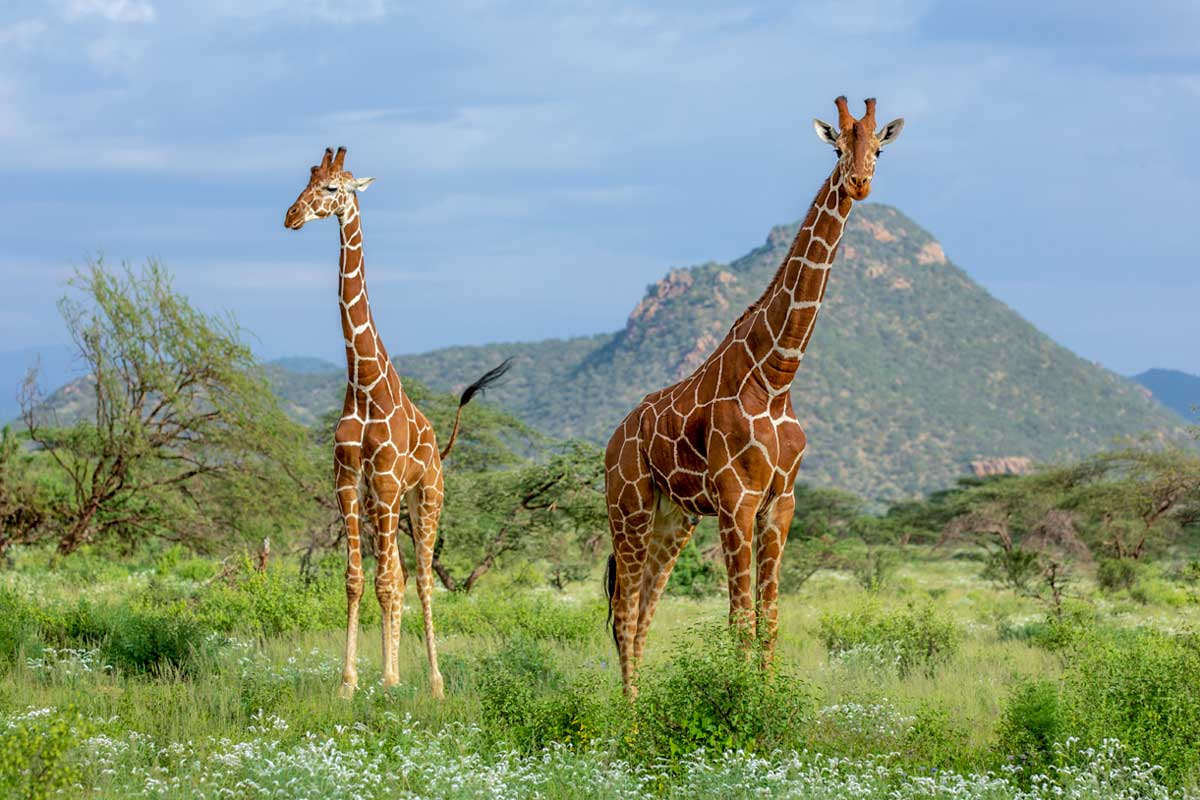
Mkomazi National Park is one of Tanzania’s most rewarding destinations for travellers seeking wildlife, dramatic scenery and a quieter safari experience. Located in northeastern Tanzania, the park stretches across the Kilimanjaro and Tanga regions and forms part of the wider ecosystem connected to Kenya’s Tsavo West National Park.
Unlike Tanzania’s busier northern safari destinations, Mkomazi offers open landscapes, fewer vehicles and a genuine feeling of wilderness. Its dry savannah, acacia woodland, rocky hills and distant mountain views create excellent conditions for nature lovers and wildlife photographers.
The park is particularly important for conserving endangered black rhinoceroses and African wild dogs. Tanzania National Parks identifies Mkomazi as the home of a black rhino sanctuary and an African wild dog conservation programme.
Visitors can explore Mkomazi National Park on a day trip from Moshi or include it in a longer Tanzania safari organised by Gowitos Safaris & Holidays.
Where Is Mkomazi National Park?
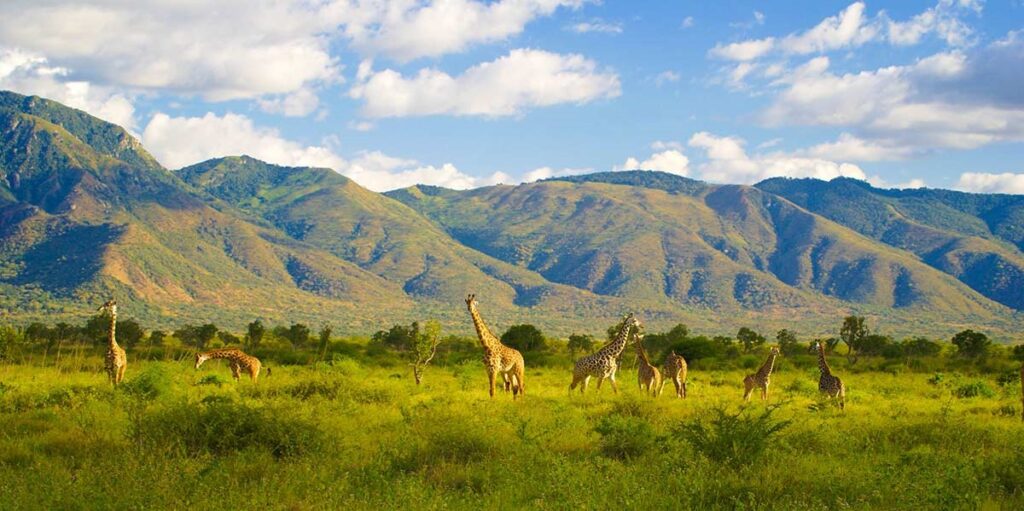
Mkomazi National Park is situated in northeastern Tanzania near the town of Same. It lies between the Pare and Usambara mountain ranges and shares an ecological boundary with Tsavo West National Park in Kenya.
The park covers approximately 3,234 square kilometres. Its position within the Greater Tsavo ecosystem allows some wildlife, particularly elephants, to move across the wider border region according to rainfall and water availability.
Mkomazi can be reached by road from several important tourism centres:
- Moshi to Mkomazi: approximately 3–4 hours
- Arusha to Mkomazi: approximately 4–5 hours
- Same town to the park: approximately 30–45 minutes
- Lushoto to Mkomazi: travel time depends on the selected gate and road conditions
Actual driving times vary according to traffic, weather, road conditions and the park entrance used.
1. See the Endangered Black Rhinoceros
One of the greatest reasons to visit Mkomazi National Park is its black rhino conservation programme. Black rhinoceroses were once widespread across East Africa, but their population declined severely because of poaching and habitat pressure.
Conservation efforts have helped establish a protected rhino population within Mkomazi. The sanctuary plays an important role in the recovery and long-term protection of this critically endangered species.
Rhino-viewing arrangements are controlled by park authorities and may require advance booking. Access, operating times and viewing procedures can change, so Gowitos Safaris & Holidays will confirm the latest conditions when organising your safari.
Although conservation management has improved the opportunity to see rhinos, wildlife sightings can never be guaranteed.
2. Learn About African Wild Dog Conservation
Mkomazi is also associated with the conservation of African wild dogs. These highly social predators are among Africa’s most endangered carnivores.
Wild dogs live and hunt in organised packs. They communicate through vocalisations, body movements and scent marking. Habitat fragmentation, conflict with people and diseases transmitted by domestic animals have contributed to their decline.
The conservation programme at Mkomazi has helped protect and manage these rare animals. Depending on current regulations, visitors may be able to learn about the programme during their trip.
Seeing or learning about African wild dogs gives a Mkomazi safari a conservation focus that differs from an ordinary game drive.
3. Enjoy Peaceful Game Drives
Mkomazi National Park receives fewer visitors than Serengeti, Ngorongoro and Tarangire. This makes it a good choice for travellers who prefer a quieter safari.
During a game drive, visitors may spend long periods exploring without meeting many other safari vehicles. The relaxed atmosphere allows time to observe animal behaviour, study tracks and appreciate the landscape.
Wildlife found in the park may include:
- Elephants
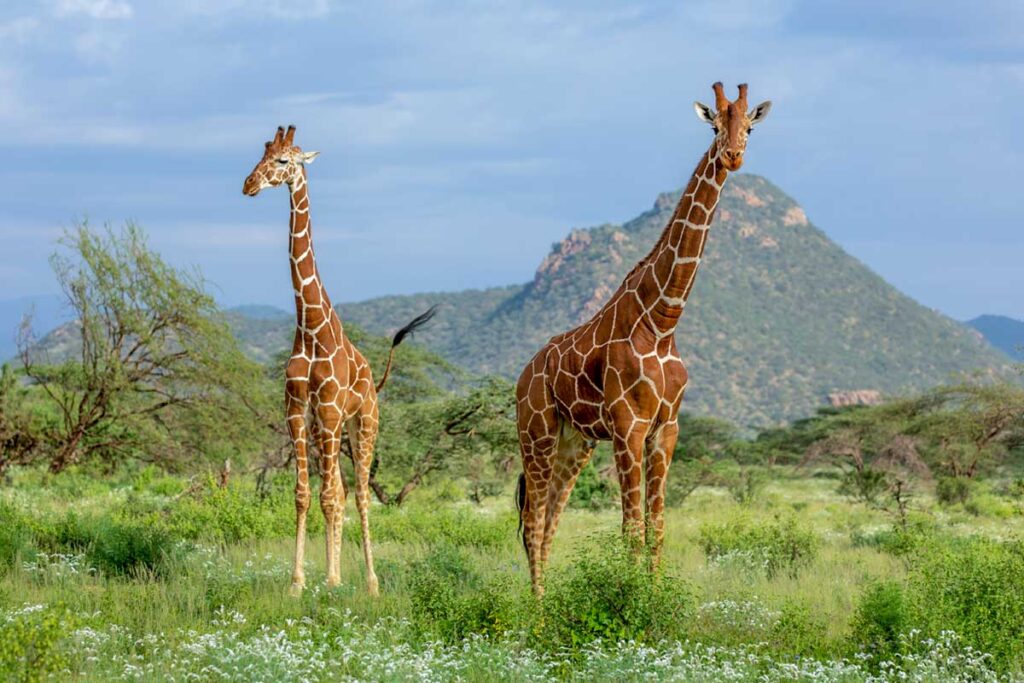
- Giraffes
- Zebras
- Elands
- Hartebeests
- Oryx
- Lesser kudus
- Grant’s gazelles
- Warthogs
- Buffaloes
- Lions
- Leopards
- Cheetahs
- Spotted hyenas
- Jackals
Animal numbers and locations change with water, vegetation and seasonal movement. Mkomazi is not designed to provide the same wildlife density as the Ngorongoro Crater. Its appeal comes from its rare species, scenery, birdlife and peaceful wilderness.
4. Photograph Beautiful Dry-Country Landscapes
Mkomazi’s landscape is noticeably different from the endless grasslands of Serengeti or the baobab-dominated scenery of Tarangire.
The park contains dry savannah, acacia and commiphora woodland, open grassland, rocky outcrops and ancient baobab trees. The Pare and Usambara mountains create a dramatic background, while Mount Kilimanjaro may be visible on clear days.
These contrasting features provide strong photographic opportunities. Early-morning and late-afternoon light brings warm colour to the plains, trees and surrounding hills.
Photographers visiting Mkomazi National Park should carry:
- A telephoto lens for wildlife
- A wider lens for landscapes
- Extra batteries
- Additional memory cards
- A dust-protection cover
- Binoculars
- A small beanbag for camera support
Animals may be spread across a large area, making patience and a good zoom lens especially valuable.
5. Visit Dindira Dam
Dindira Dam is an important wildlife-viewing area inside Mkomazi National Park. During dry periods, animals gather near available water, increasing the possibility of seeing several species in one location.
Depending on the season and time of day, visitors may observe zebras, giraffes, antelopes, elephants and different bird species near the dam. Predators may also approach areas where prey animals gather.
Early morning and late afternoon are usually productive times for wildlife observation. Your guide will assess current conditions and select suitable routes based on recent sightings and water availability.
Visitors must remain inside the safari vehicle except at officially designated places.
6. Discover Remarkable Birdlife
Mkomazi National Park is an excellent destination for birdwatching. Its position between different ecological zones contributes to an impressive mixture of resident and migratory birds.
Birds that may be observed include:
- Martial eagles
- Secretary birds
- Ostriches
- Kori bustards
- Hornbills
- Bee-eaters
- Rollers
- Weavers
- Starlings
- Vultures
- Falcons
- Sunbirds
- Kingfishers
Birdwatching is productive throughout the year, although the wetter months bring migratory species, breeding colours and greener vegetation.
Travellers with a strong interest in birds should inform Gowitos Safaris & Holidays when booking. The itinerary can then allow more time around woodland, water points and other productive habitats.
7. Experience a Less-Crowded Tanzania Safari
Mkomazi is ideal for travellers who want to move beyond Tanzania’s most famous safari circuit. Its lower visitor numbers create a slower and more personal experience.
This quiet environment is particularly suitable for:
- Returning safari travellers
- Wildlife photographers
- Birdwatchers
- Conservation enthusiasts
- Couples seeking privacy
- Visitors climbing Mount Kilimanjaro
- Travellers continuing toward the Usambara Mountains or Tanga
Fewer vehicles do not mean every animal will be easy to find. Wildlife can be widely dispersed, and vegetation may sometimes limit visibility. However, a knowledgeable guide can interpret tracks, sounds and habitat signs while searching for animals.
8. Combine Mkomazi with Mount Kilimanjaro
The location of Mkomazi National Park makes it a practical safari destination before or after a Mount Kilimanjaro climb.
Travellers staying in Moshi can visit Mkomazi as a long day trip, but spending at least one night near the park creates a more relaxed experience. An overnight visit also allows game viewing during the cooler morning and afternoon hours.
Possible combinations include:
- Kilimanjaro National Park and Mkomazi
- Mkomazi and the Pare Mountains
- Mkomazi and the Usambara Mountains
- Mkomazi and Arusha National Park
- Mkomazi and Tarangire National Park
- Mkomazi followed by a Zanzibar beach holiday
A combined itinerary can be adjusted according to your arrival airport, available days and preferred accommodation.
9. Support Important Wildlife Conservation
A visit to Mkomazi National Park contributes to tourism revenue that supports wildlife protection, park operations and habitat management.
The park’s work with black rhinoceroses and African wild dogs demonstrates the importance of long-term conservation. Responsible tourism also creates employment for driver-guides, accommodation workers, rangers and other people connected to the local tourism industry.
Visitors can support responsible tourism by:
- Following all park regulations
- Never feeding wild animals
- Keeping noise levels low
- Avoiding litter and single-use plastics
- Respecting wildlife-viewing distances
- Using licensed guides and operators
- Staying on authorised roads
- Purchasing local products responsibly
Responsible behaviour protects the environment and improves the experience for future visitors.
Best Time to Visit Mkomazi National Park
Mkomazi can be visited throughout the year, but each season offers different conditions.
June to October: Dry Season
The dry season is generally the best period for traditional wildlife viewing. Vegetation becomes thinner, and animals are more likely to gather around available water.
Road conditions are usually easier, and the weather is suitable for photography and game drives. Dust levels can increase toward the end of the season.
November to December: Short Rains
Short rains can transform the dry landscape into a greener environment. Birdwatching improves as migratory species arrive, although showers may occasionally affect road conditions.
January to February: Warm and Relatively Dry
These months can provide warm weather, attractive scenery and good wildlife viewing. Conditions vary from year to year.
March to May: Long Rains
The long-rain season creates green landscapes, dramatic skies and excellent birding conditions. Some roads may become difficult after heavy rain, and wildlife can spread across a wider area because water is more available.
Gowitos Safaris & Holidays will recommend the most suitable travel period based on your interests.
How Many Days Do You Need?
A one-day trip is possible from Moshi or Same, but two days provide a better experience.
Suggested One-Day Mkomazi Safari
- Early departure from Moshi or Same
- Arrival and park registration
- Morning game drive
- Picnic lunch
- Afternoon game drive
- Return to Moshi or overnight near the park
Suggested Two-Day Mkomazi Safari
Day 1: Moshi or Arusha to Mkomazi
Travel to the park and enjoy an afternoon game drive. Explore the savannah, visit wildlife-viewing areas and look for giraffes, zebras, antelopes and elephants. Dinner and overnight near or inside the park, depending on accommodation availability.
Day 2: Mkomazi Safari and Departure
Begin with an early-morning game drive when temperatures are cooler and wildlife is active. Continue exploring selected areas before leaving for Moshi, Arusha or your next destination.
A longer visit may include additional game drives, birdwatching or conservation-related experiences where available.
Accommodation Around Mkomazi
Accommodation choices around Mkomazi are more limited than in Serengeti or the Ngorongoro area. Options may include:
- Public or special campsites
- Tented camps
- Safari lodges
- Guesthouses in Same
- Hotels in Moshi
- Properties near the Pare or Usambara Mountains
Availability and operating schedules can change, especially between seasons. Early booking is recommended for private camps and lodges.
What to Pack for a Mkomazi Safari
Useful items include:
- Neutral-coloured clothing
- A light jacket for early mornings
- A sun hat
- Sunglasses
- Sunscreen
- Insect repellent
- Comfortable closed shoes
- Binoculars
- Camera equipment
- Reusable water bottle
- Personal medication
- Passport or identification
- Small day bag
Bright clothing is not necessary for a vehicle safari. Neutral colours are more practical because the park can be dusty during the dry season.
Frequently Asked Questions
Is Mkomazi National Park worth visiting?
Yes. Mkomazi is worth visiting for its endangered-species conservation, beautiful scenery, birdlife and uncrowded game drives. It is particularly suitable for travellers who want a quieter alternative to Tanzania’s busiest parks.
Can I see black rhinos in Mkomazi?
Mkomazi protects black rhinoceroses through a managed sanctuary. Viewing depends on current park rules, availability and conservation procedures. Sightings should never be considered guaranteed.
Are African wild dogs found in Mkomazi?
Mkomazi is known for an African wild dog conservation programme. Access to conservation facilities and the possibility of observing the animals depend on current regulations.
Can I visit Mkomazi from Moshi in one day?
Yes. A day trip from Moshi is possible with an early departure. However, an overnight safari provides more time for wildlife viewing and reduces the amount of driving in one day.
Does Mkomazi have the Big Five?
Mkomazi is home to several famous African animals, including lions, elephants, buffaloes, leopards and protected black rhinoceroses. However, sightings vary, and the park should not be marketed as a place where all major species are guaranteed in one visit.
Is Mkomazi suitable for families?
Yes. Families can enjoy game drives, birdwatching and conservation experiences. Parents should select travel times and accommodation according to their children’s ages and ability to manage longer road journeys.
Are park fees included in a safari package?
Park fees are normally included when clearly listed in your Gowitos safari quotation. Tanzania National Parks can revise entrance and activity charges, so current fees should be confirmed when booking rather than copied from old online information.
Book Your Mkomazi National Park Safari
Discover endangered wildlife, quiet game-viewing routes and remarkable dry-country scenery with Gowitos Safaris & Holidays. We can arrange private transport, professional driver-guides, accommodation, park fees and personalised itineraries for 2027, 2028 and 2029.
Your Mkomazi National Park safari can begin in Arusha, Moshi or another agreed location. It can also be combined with Mount Kilimanjaro, Tanzania’s northern safari circuit or a Zanzibar beach holiday.
Explore Tanzania with Gowitos Safaris & Holidays
WhatsApp: +255 769 100 815
Email: info@gowitossafarisandholidays.com
