
Serengeti National Park is Tanzania’s best-known wildlife destination and one of Africa’s most important natural ecosystems. Its open grasslands, acacia woodland, river valleys and rocky kopjes support an extraordinary variety of animals throughout the year.
The park is closely associated with the Great Migration, during which vast herds of wildebeests, zebras and gazelles move through the wider Serengeti–Mara ecosystem in search of fresh grazing and water. However, the Serengeti offers excellent wildlife viewing even when the main migration herds are elsewhere.
Resident animals include lions, elephants, giraffes, buffaloes, hippos, cheetahs, leopards, spotted hyenas and numerous antelope species. This year-round wildlife makes the park suitable for first-time safari travellers, returning visitors, photographers, couples, families and private groups.
Gowitos Safaris & Holidays arranges private and group safaris to different parts of the Serengeti, with camping, mid-range and luxury accommodation.
Serengeti National Park Overview
The word Serengeti is commonly connected to a Maasai expression describing land that extends without end. The name suits the park’s broad plains, where the horizon appears to continue far beyond the road.
Serengeti National Park covers a large part of northern Tanzania and forms the central section of a much wider ecosystem. It connects naturally with the Ngorongoro Conservation Area, Maswa Game Reserve and protected landscapes extending towards Kenya’s Maasai Mara.
The park’s size and ecological diversity mean that different regions offer different experiences. Central Serengeti supports resident wildlife throughout the year, while the northern, western and southern areas become especially important during particular stages of the Great Migration.
Why Visit Serengeti National Park?
Serengeti is not only about the number of animals. Its appeal also comes from the scale of the landscape and the opportunity to observe natural behaviour.
During a game drive, visitors may watch lions resting near a kopje, elephants moving between woodland areas or giraffes feeding among acacia trees. Cheetahs may scan the plains from raised ground, while leopards sometimes rest in trees around river valleys.
The park provides opportunities to experience:
- The Great Migration
- Large populations of resident wildlife
- Lions, leopards and cheetahs
- Sunrise and sunset game drives
- Birdwatching
- Wildlife photography
- Rocky kopjes
- Open grassland
- River and woodland habitats
- Seasonal wildebeest calving
- Mara River crossings
- Balloon safaris in selected areas
Wildlife sightings and migration events remain natural and cannot be guaranteed.
Wildlife in Serengeti National Park
Lions
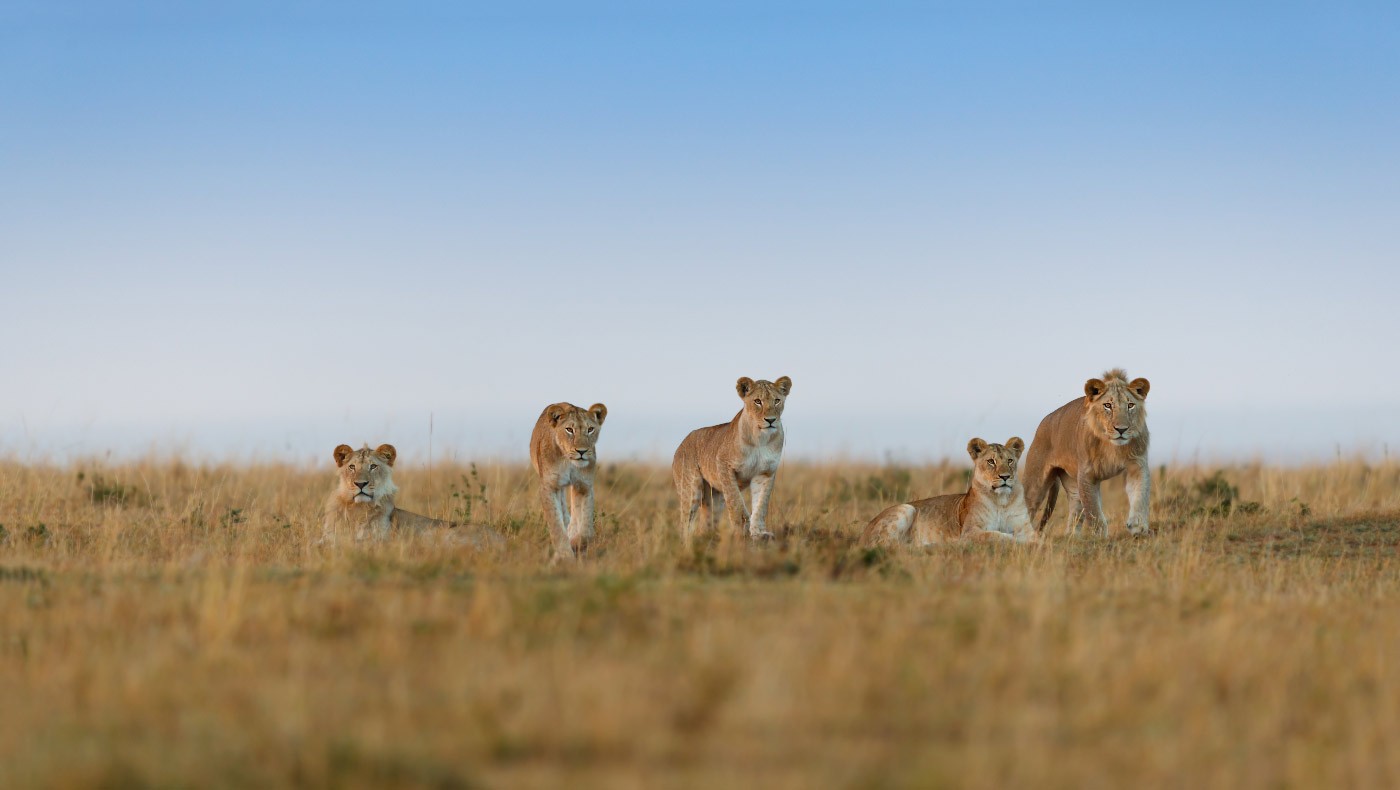
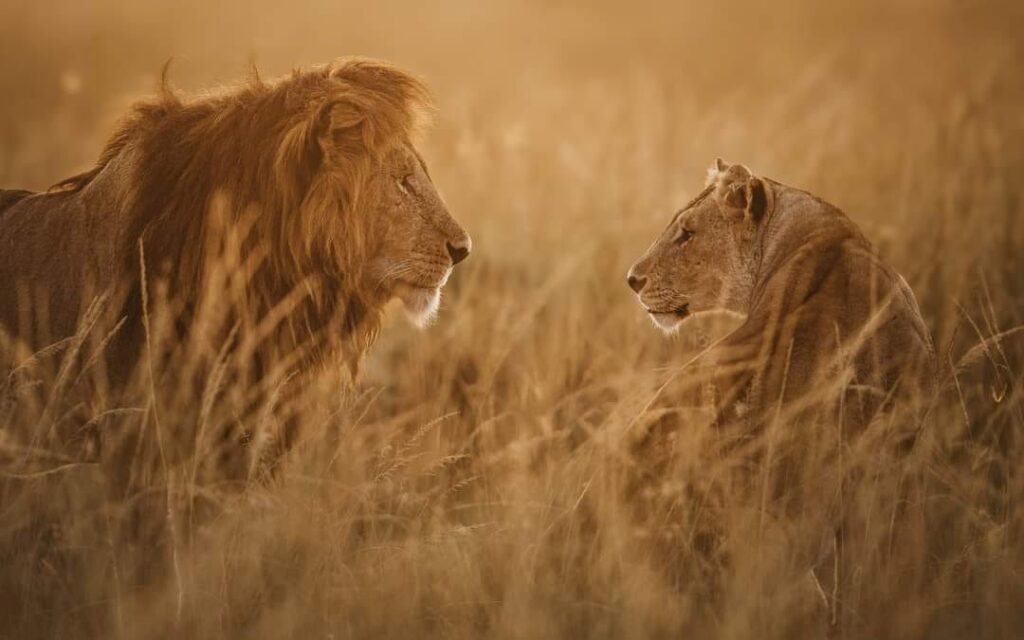
Serengeti National Park supports an important lion population. Prides may be found resting in the grass, gathering near rocky kopjes or watching grazing animals.
Lions are often most active during the cooler morning and evening hours. During warmer periods, they may sleep in the shade and become difficult to notice.
Leopards
Leopards are more secretive than lions. They are sometimes seen resting on tree branches or moving through riverine woodland.
The central Serengeti, particularly areas around the Seronera River Valley, provides opportunities to search for leopards. However, every sighting depends on patience and good timing.
Cheetahs
Cheetahs generally favour open plains where they can see prey and use their speed. They may be observed sitting on termite mounds, small ridges or other raised ground.
The southern and central grasslands can provide suitable cheetah habitat, although their movements vary with prey availability.
Elephants
Elephants are found in several areas of the park, particularly near woodland, rivers and permanent water sources.
Family groups may include adult females, young elephants and calves. Older males are often seen alone or in smaller groups.
Buffaloes
Large buffalo herds live within the Serengeti ecosystem. They may be found grazing across grassland or resting near water.
Buffaloes can appear calm, but they remain powerful wild animals and must always be viewed from a safe distance.
Giraffes
Giraffes are frequently seen feeding on acacia trees or moving across open woodland. Their height makes them easier to spot from a distance.
Hippos and Crocodiles
Hippos live in rivers and pools throughout the Serengeti. They normally spend much of the day in the water and leave to graze after dark.
Crocodiles are found in permanent rivers, including areas used by migrating wildebeests and zebras during seasonal crossings.
Other Animals
Other animals that may be observed include:
- Wildebeests
- Zebras
- Thomson’s gazelles
- Grant’s gazelles
- Elands
- Topis
- Impalas
- Waterbucks
- Warthogs
- Spotted hyenas
- Black-backed jackals
- Bat-eared foxes
- Servals
- Mongooses
- Baboons
- Vervet monkeys
Wildlife distribution changes with rainfall, water, vegetation and seasonal movement.

The Great Migration
The Great Migration is a continuous movement of wildebeests, zebras and gazelles through the Serengeti–Mara ecosystem.
It is not a single event occurring on one fixed date. The herds move according to rainfall, fresh grass and water availability. Their timing and exact location can change from year to year.
January to March: Southern Plains and Calving
During suitable conditions, the main herds gather around Ndutu and the southern Serengeti ecosystem.
Large numbers of wildebeest calves are born during a relatively short period. The concentration of young animals also attracts lions, cheetahs, hyenas and other predators.
April and May: Movement Towards the West
As the southern plains begin drying, the herds generally move through central areas towards the Western Corridor.
Rain can make some roads muddy, but the landscape becomes green and dramatic. This period can offer rewarding photography and fewer vehicles.
May to July: Western Corridor
The migration may gather around the Western Corridor and the Grumeti region. Herds sometimes cross rivers as they continue north.
The timing depends on rainfall, and not every river crossing is dramatic or visible from accessible areas.
July to October: Northern Serengeti
Large herds may reach the northern Serengeti and cross the Mara River between Tanzania and Kenya.
River crossings attract considerable interest, but they cannot be scheduled or guaranteed. Herds may remain near a river for hours or days before crossing.
November and December: Return Towards the South
Short rains normally encourage the herds to move south through eastern and central parts of the ecosystem.
By the end of the year, many animals may be travelling towards the southern grasslands, where the next calving period begins.
These months are general guidance rather than a fixed calendar.
Regions of Serengeti National Park
Central Serengeti and Seronera
Central Serengeti is one of the park’s most reliable year-round wildlife areas. The Seronera River and surrounding valleys provide water and vegetation for resident animals.
Lions, leopards, elephants, giraffes, buffaloes and several antelope species live within the region.
Its central position makes Seronera a practical base for many safari itineraries. It also provides access to different parts of the park as seasonal wildlife conditions change.
Southern Serengeti Plains
The southern plains are known for short grass and wide horizons. During the green season, they become closely associated with wildebeest calving.
The wider calving ecosystem extends beyond the national park into the Ndutu region of the Ngorongoro Conservation Area.
Visitors interested in the calving season should choose accommodation according to the expected location of the herds.
Western Corridor
The Western Corridor follows the Grumeti River and surrounding woodland. The region becomes particularly important when the migration moves west and north.
The area supports resident wildlife in addition to seasonal herds. Its riverine environment differs from the open southern plains.
Northern Serengeti
Northern Serengeti contains rolling hills, woodland and the Mara River. It is most frequently visited between July and October, when migrating herds may reach the region.
The north is generally more remote than central Serengeti and requires additional travel time or an internal flight.
Eastern Serengeti
The eastern region offers open landscapes and areas suitable for cheetahs. Access and wildlife conditions vary according to season and road availability.
Some eastern sections provide a quieter experience than the heavily visited central region.
Serengeti Kopjes
Kopjes are rocky outcrops rising above the surrounding plains. They were formed from ancient rock exposed through erosion over a very long period.
These formations provide shade, shelter and observation points for wildlife. Lions often rest around kopjes, while smaller animals use cracks and rocky spaces for protection.
The kopjes also create excellent photography opportunities by adding structure and depth to the otherwise open landscape.
Visitors must remain inside the safari vehicle except at authorised stopping points.
Birdlife
Serengeti National Park is an excellent destination for birdwatching. Its grasslands, woodland, rivers, wetlands and rocky areas support many resident and migratory species.
Birds that may be observed include:
- Secretary birds
- Kori bustards
- Ostriches
- Crowned cranes
- Ground hornbills
- Lilac-breasted rollers
- Bee-eaters
- Vultures
- Eagles
- Storks
- Herons
- Kingfishers
- Weavers
- Francolins
Migratory birds add to the park’s diversity during the wetter months.
Best Time to Visit Serengeti National Park
There is no single best month for every visitor. The right time depends on whether you prioritise migration events, resident wildlife, green scenery, photography or fewer vehicles.
January to March
This period is suitable for visitors interested in the southern plains and wildebeest calving. The landscape is generally green, and predators may be active around the herds.
April and May
The long rains bring lush scenery and fewer visitors. Some roads can become muddy, but the park remains open.
Photographers may appreciate the dramatic skies, green grass and reduced dust.
June and July
The dry season begins, and migration herds may move through the Western Corridor towards northern areas.
Wildlife around permanent water sources becomes increasingly concentrated.
July to October
These are popular safari months. The northern Serengeti may offer opportunities to observe migration herds and possible Mara River crossings.
Central Serengeti continues to provide resident wildlife viewing.
November and December
Short rains refresh the landscape. Migrating herds may begin moving through central and eastern areas towards the south.
Birdwatching can also be rewarding as migratory species arrive.
Serengeti Weather
Daytime conditions are often warm, while early mornings and evenings can be cool.
The park’s elevation and open landscape create noticeable temperature changes throughout the day. Layered clothing is therefore practical.
The main seasonal patterns are:
- A generally drier period from June to October
- Short rains around November and December
- A warmer period during January and February
- Longer rains around March, April and May
Weather patterns vary, and rainfall does not always follow a fixed calendar.
Safari Activities
Daytime Game Drives
Game drives are the main activity in Serengeti National Park. They normally take place during the morning, afternoon or throughout the day.
A professional driver-guide selects routes according to recent wildlife movements, weather and road conditions.
Wildlife Photography
Serengeti’s open landscapes, predators, grazing animals and changing light make it one of Tanzania’s leading photography destinations.
Visitors should bring spare batteries, memory cards, lens-cleaning materials and dust protection.
Birdwatching
Birdwatching can be included during normal game drives. Visitors with a strong birding interest should inform Gowitos Safaris & Holidays when planning the safari.
Balloon Safari
Hot-air balloon safaris operate in selected regions and seasons. They require advance booking and are usually charged separately.
Flights depend on weather, operational conditions and availability.
Sundowners and Bush Meals
Some lodges and camps arrange sundowners, bush breakfasts or private meals in authorised locations. These experiences are optional and must follow park regulations.
Walking Safaris
Walking opportunities are available only in designated areas and with authorised guides. They are not permitted throughout every part of the park.
Where to Stay
Serengeti National Park offers accommodation for different travel styles and budgets.
Public Camping
Public campsites provide a simple safari experience with shared facilities. Guests normally travel with camping equipment, a cook and a safari crew.
Special Camping
Special campsites offer a more private wilderness setting but usually have limited or no permanent facilities. The operator must provide the necessary equipment and services.
Tented Camps
Permanent and seasonal tented camps provide beds, private bathrooms and dining facilities while maintaining a close connection to the surrounding landscape.
Safari Lodges
Lodges offer permanent rooms, restaurants and additional facilities. They range from comfortable mid-range properties to high-end luxury accommodation.
Mobile Migration Camps
Some camps move seasonally or operate in locations selected according to the expected migration route. These camps can reduce driving time when migration viewing is the main priority.
Accommodation is subject to availability, and the selected location should match the season and safari itinerary.
How Many Days Should You Spend in the Serengeti?
A single night provides limited time because of the distances involved. Two or three nights normally create a more rewarding experience.
Recommended stays include:
- One night: Suitable for a short, active Northern Circuit itinerary
- Two nights: Provides useful time in central Serengeti
- Three nights: Allows more flexible game drives and regional exploration
- Four or more nights: Suitable for photographers, migration-focused trips and slower safaris
The correct number of nights depends on your route, budget and travel season.
How to Reach Serengeti National Park
By Road
Most road safaris begin in Arusha and travel through Lake Manyara, Karatu and the Ngorongoro Conservation Area.
The journey is long, but it provides changing scenery and allows the Serengeti to be combined with other Northern Circuit destinations.
By Air
Scheduled and charter flights connect airports such as Arusha, Kilimanjaro and Zanzibar with several Serengeti airstrips.
Available airstrips serve different regions of the park. The most suitable one depends on your accommodation and seasonal itinerary.
Luggage restrictions apply on small aircraft, and soft-sided bags are normally recommended.
Combining Serengeti with Other Destinations
Serengeti National Park can be included in a wider Tanzania itinerary with:
- Ngorongoro Crater
- Tarangire National Park
- Lake Manyara National Park
- Arusha National Park
- Lake Eyasi
- Mount Kilimanjaro
- Mount Meru
- Zanzibar
- Ndutu and the southern Serengeti ecosystem
A Northern Circuit safari commonly combines Serengeti, Ngorongoro and Tarangire over four to seven days.
What to Pack
Recommended safari items include:
- Comfortable neutral-coloured clothing
- Warm jacket or fleece
- Closed shoes
- Sun hat
- Sunglasses
- Sunscreen
- Insect repellent
- Camera
- Spare batteries
- Memory cards
- Binoculars
- Personal medication
- Small day bag
- Passport or identification
- Chargers and power bank
- Light waterproof jacket
- Reusable water bottle where appropriate
Soft-sided luggage is generally more practical, especially when travelling on domestic flights.
Responsible Travel in the Serengeti
Visitors should follow park regulations and their driver-guide’s instructions.
Responsible safari practices include:
- Remaining on authorised roads
- Keeping a respectful distance from wildlife
- Avoiding excessive noise
- Never feeding animals
- Not calling animals for photographs
- Avoiding crowding at sightings
- Keeping waste inside the vehicle
- Remaining inside the vehicle except at authorised locations
- Respecting other visitors
- Supporting properly managed accommodation and local employment
Wildlife welfare and conservation regulations must take priority over photographs.
Frequently Asked Questions
Where is Serengeti National Park located?
Serengeti National Park is located in northern Tanzania. It forms part of the wider Serengeti–Mara ecosystem and connects with other protected landscapes.
What is Serengeti National Park famous for?
The park is famous for the Great Migration, extensive plains, predators and year-round wildlife viewing.
Is the Great Migration visible throughout the year?
The migration continues throughout the year, but the herds move between different regions. Their precise location depends on rainfall, grazing and water.
Are river crossings guaranteed?
No. River crossings are natural events and cannot be scheduled or guaranteed.
Can I see the Big Five?
Serengeti offers opportunities to see lions, leopards, elephants and buffaloes. Black rhinoceroses exist within the wider ecosystem but are rarely encountered on a standard Serengeti game drive.
Is Serengeti suitable for children?
Yes. Families can visit the park, but parents should consider driving distances and the amount of time younger children can comfortably spend in a vehicle.
Can I visit Serengeti from Zanzibar?
Yes. Travellers can fly from Zanzibar to an airstrip in or near the Serengeti. A road itinerary through Arusha and Ngorongoro can also be arranged.
How long is the drive from Arusha?
The journey generally requires most of the day when park procedures, rest stops and game viewing are included. Exact travel time depends on the entry gate and destination within the park.
Is Serengeti open throughout the year?
Yes. The park remains open year-round, although road and weather conditions change seasonally.
What type of safari vehicle is used?
Road safaris normally use a four-wheel-drive vehicle with a viewing roof. Vehicle capacity depends on whether the tour is private or group-joining.
Do I need travel insurance?
Comprehensive travel insurance is strongly recommended. It should cover medical emergencies, evacuation, cancellation, delays and personal belongings.
Why Visit Serengeti with Gowitos Safaris & Holidays?
Gowitos Safaris & Holidays is a locally based Tanzanian company arranging wildlife safaris, Kilimanjaro climbs, day trips and Zanzibar holidays.
The team plans each Serengeti safari according to the season, available travel time, accommodation category and the client’s interests.
Your driver-guide will use local knowledge and recent wildlife information when selecting game-drive routes. Although sightings cannot be guaranteed, careful planning can place you in a suitable region for your travel period.
Plan Your Serengeti National Park Safari
A journey through Serengeti National Park offers open landscapes, abundant resident wildlife and the seasonal movement of the Great Migration.
To receive an accurate itinerary and quotation, provide your preferred dates, number of travellers, children’s ages, accommodation category, room arrangement and wildlife interests.
Contact Gowitos Safaris & Holidays to plan your Serengeti safari.
WhatsApp: +255 769 100 815
Email: info@gowitossafarisandholidays.com
