
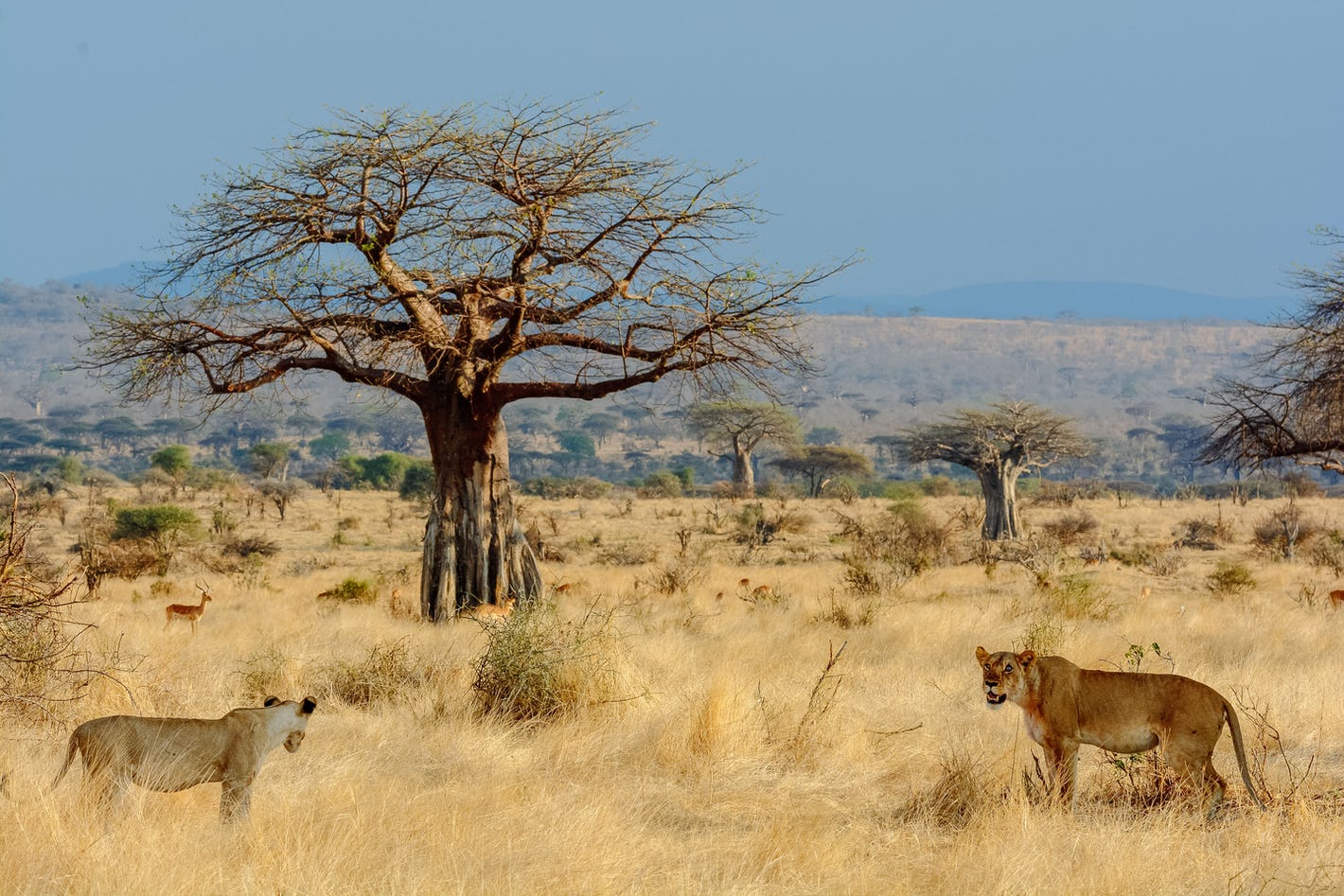
Ruaha National Park is one of Tanzania’s finest destinations for travellers seeking abundant wildlife, dramatic landscapes and a peaceful safari away from busy tourist routes. Located in south-central Tanzania, the park covers approximately 20,226 square kilometres, making it the country’s second-largest national park.
The park is famous for its large elephant and buffalo populations, powerful lion prides, greater and lesser kudus, African wild dogs and beautiful baobab-dotted scenery. Its remote location means that visitors can spend hours exploring without meeting many other safari vehicles.
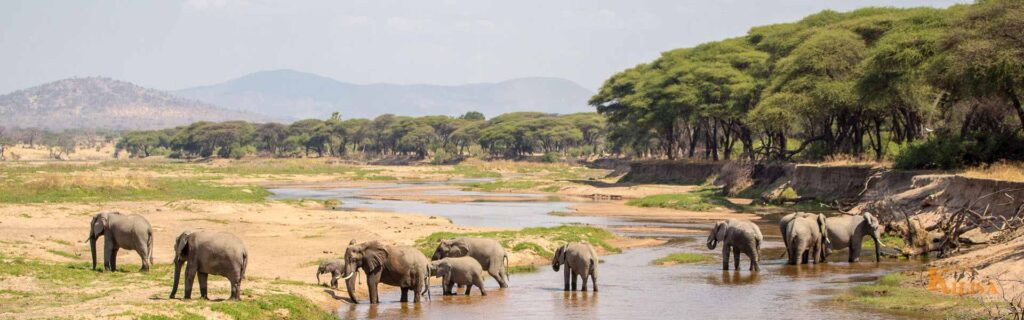
At the heart of Ruaha is the Great Ruaha River, a vital water source that attracts animals throughout the year. During the dry season, the river becomes the centre of wildlife activity as elephants, antelopes, buffaloes and predators gather along its banks.
For travellers searching for an authentic safari in southern Tanzania, Ruaha National Park provides an impressive combination of wildlife, scenery and tranquillity.
Where Is Ruaha National Park?
Ruaha National Park is located in south-central Tanzania, west of Iringa. It forms an important part of the larger Ruaha-Rungwa ecosystem, one of East Africa’s most significant wilderness landscapes.
The park is characterised by:
- The Great Ruaha River
- Seasonal sand rivers
- Ancient baobab trees
- Miombo woodland
- Open savannah
- Rocky hills and escarpments
- Natural springs and river valleys
These different habitats support an exceptional variety of mammals, birds, reptiles and plant life.
Ruaha’s position between eastern and southern African ecological zones also explains its unusual wildlife diversity. Visitors may encounter species more commonly associated with East Africa alongside animals normally found farther south.
9 Incredible Experiences in Ruaha National Park
1. Follow the Great Ruaha River
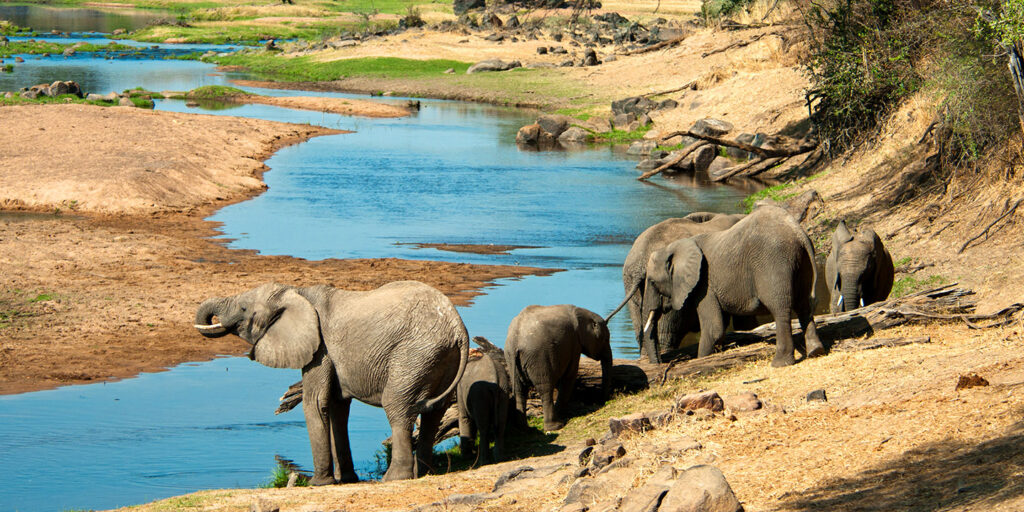
The Great Ruaha River is widely described as the lifeline of the park. It provides water for animals and creates some of the best wildlife-viewing areas in Ruaha National Park.
During the dry months, elephants dig into sandy riverbeds to reach underground water. Buffaloes, giraffes and antelopes gather near the remaining pools, while lions and other predators patrol the surrounding areas.
Hippos and crocodiles occupy deeper sections of the river. Birdlife is also abundant, with kingfishers, herons, African fish eagles and storks commonly observed near the water.
The Great Ruaha River is particularly beautiful during early morning and late afternoon game drives when the light is softer and wildlife becomes more active. TANAPA identifies the river as one of the park’s principal attractions and an important gathering place for wildlife.
2. Search for Ruaha’s Powerful Lion Prides
Ruaha National Park is recognised for its impressive predator population. Lions are among its most prominent animals, and the park supports several prides across its varied habitats.
Visitors may find lions resting beneath acacia trees, moving through dry riverbeds or watching herds near water sources. Early morning game drives offer a good opportunity to locate lions before the temperature rises.
Some prides contain several adult females, young cubs and powerful males. However, pride size and movement constantly change according to territory, prey availability and competition with other predators.
All wildlife sightings remain natural and cannot be guaranteed. Experienced guides improve your chances by reading tracks, studying animal behaviour and communicating responsibly with other guides in the area.
3. Observe Large Elephant and Buffalo Herds
Elephants are a defining feature of a Ruaha safari. They can be seen travelling through woodland, feeding near baobab trees or gathering along the Great Ruaha River.
Buffaloes also occur in impressive numbers. Large herds may move across the plains or visit rivers and seasonal water sources during the dry season.
The presence of these animals creates excellent photographic opportunities. Elephants walking through dusty scenery beneath ancient baobabs produce some of the park’s most recognisable safari images.
Visitors should remain quiet and follow their guide’s instructions when elephants approach a safari vehicle. These animals deserve space, particularly when calves are present.
4. Look for African Wild Dogs
African wild dogs are among Africa’s most endangered and fascinating predators. Ruaha National Park provides habitat for these highly social animals, although sightings are never guaranteed.
Wild dogs live in organised packs and travel considerable distances. They communicate, care for their young and cooperate during hunts. Their speed and coordinated behaviour make them remarkable animals to observe.
Finding a pack requires patience and an experienced guide. Tracks, recent reports and the movements of prey species can help guides determine where wild dogs may be active.
Because wild dogs can disappear quickly into woodland, travellers should appreciate every sighting without pressuring guides to approach too closely.
5. See Greater and Lesser Kudus
Ruaha is one of the special places where visitors may see both greater and lesser kudus. TANAPA describes the greater kudu as one of the park’s characteristic animals and highlights Ruaha’s importance for both species.
Male greater kudus are immediately recognisable by their long, spiralling horns. Their striped coats provide excellent camouflage among woodland and bush.
Lesser kudus are smaller and generally more secretive. They prefer dense vegetation and can disappear quickly when disturbed.
Other antelopes found in the park include:
- Sable antelopes
- Roan antelopes
- Impalas
- Waterbucks
- Elands
- Bushbucks
- Dik-diks
- Grant’s gazelles
This mixture of eastern and southern African species contributes to Ruaha National Park’s outstanding biodiversity.
6. Explore Ruaha on a Guided Walking Safari
A guided walking safari offers a closer connection with the park’s natural environment. Rather than concentrating only on large animals, guests learn about tracks, plants, insects, birds and other details that are easily missed from a vehicle.
Walking safaris must be conducted in designated areas under the leadership of authorised professionals. The guide explains how to identify animal signs, recognise different plants and behave safely in the wilderness.
Walks are normally arranged during the cooler hours of the morning or afternoon. The route and duration depend on local conditions, wildlife movements, park regulations and the participants’ fitness levels.
TANAPA lists guided walking safaris among the activities available in Ruaha National Park.
7. Photograph Ruaha’s Baobab Landscapes
Ruaha is often called baobab country because of the many ancient baobab trees scattered across its landscape. Their thick trunks and distinctive branches create dramatic scenes, especially during sunrise and sunset.
Baobabs are ecologically important. They provide food, moisture and shelter for birds, insects and mammals. Elephants may strip bark from the trees or use their tusks to reach moisture within the trunk.
Photographers can capture baobabs against rocky hills, open plains or colourful evening skies. Their unusual shapes make every tree appear different.
The contrast between pale grass, red earth, blue sky and massive baobabs gives Ruaha National Park its unique visual identity.
8. Discover Outstanding Birdlife
Ruaha is an excellent birdwatching destination, with TANAPA reporting more than 570 recorded bird species.
Possible sightings include:
- African fish eagles
- Southern ground hornbills
- Lilac-breasted rollers
- White-headed buffalo weavers
- Ruaha red-billed hornbills
- Yellow-collared lovebirds
- Martial eagles
- Vultures
- Kingfishers
- Herons
- Storks
- Bee-eaters
The park’s rivers, woodland and open plains attract different groups of birds. Migratory species add further variety during the wetter months.
A pair of binoculars and a camera with a telephoto lens will greatly improve the experience. Dedicated birdwatchers can request a guide with strong knowledge of local species.
9. Experience a Peaceful Southern Tanzania Safari
One of Ruaha’s greatest advantages is its peaceful atmosphere. The park generally receives fewer visitors than Serengeti National Park and the Ngorongoro Conservation Area.
Fewer vehicles can mean quieter sightings, more flexible game drives and additional time to appreciate animal behaviour. It is sometimes possible to watch a lion pride, elephant herd or leopard without being surrounded by numerous safari vehicles.
This does not mean wildlife will appear immediately. Ruaha is a vast natural environment where animals move freely. Some sightings require time, patience and careful tracking.
The slower pace is part of the experience. Ruaha National Park is ideal for travellers who appreciate wilderness as much as individual animal sightings.
Wildlife Found in Ruaha National Park
Ruaha supports an impressive collection of wildlife, including predators, herbivores and smaller species.
Animals that may be seen include:
- African elephants
- Lions
- Leopards
- Cheetahs
- African wild dogs
- Spotted hyenas
- Buffaloes
- Giraffes
- Zebras
- Greater kudus
- Lesser kudus
- Sable antelopes
- Roan antelopes
- Elands
- Waterbucks
- Impalas
- Hippos
- Nile crocodiles
- Baboons
- Vervet monkeys
- Warthogs
TANAPA highlights elephants, buffaloes, lions, leopards, crocodiles and hippos among the animals found within the park.
No specific species should be guaranteed because wildlife movements depend on rainfall, temperature, vegetation and water availability.
Best Time to Visit Ruaha National Park
Ruaha can be visited throughout the year, but each season provides a different experience.
June to October: Best for Wildlife Viewing
The dry season from June to October is generally considered the best time for traditional wildlife viewing.
As water becomes scarce, animals concentrate around the Great Ruaha River and remaining pools. Vegetation also becomes thinner, making wildlife easier to observe.
The advantages of visiting during this period include:
- Excellent wildlife concentrations
- Good opportunities to see predators
- Less vegetation obstructing views
- Comfortable daytime game drives
- Lower risk of heavy rain
- Easier access to many safari areas
Mornings can be cold, particularly in June, July and August. Travellers should pack a warm jacket for early game drives.
November to March: Green Season
Seasonal rains normally begin around November, although weather patterns can vary.
The park becomes greener, landscapes appear refreshed and many animals spread away from permanent water sources. This is also a rewarding period for birdwatching because migratory species may be present.
Advantages of the green season include:
- Beautiful scenery
- Fewer visitors
- Excellent bird photography
- Newborn animals
- Dramatic cloud formations
- Green woodland and flowering plants
Rain often falls in short, heavy showers rather than continuously throughout the day.
April and May: Heavier Rainfall
April and May usually receive heavier rain. Some roads can become muddy, and certain seasonal camps may temporarily close.
Travelling during this period requires careful planning. Accommodation, road access and flight schedules should be confirmed before booking.
How to Reach Ruaha National Park
By Air
Flying is the quickest and most convenient way to reach Ruaha. Scheduled and charter flights may connect the park with Dar es Salaam, Zanzibar, Arusha and other safari destinations.
Flights generally land at airstrips serving different parts of the park. The correct airstrip depends on the location of your lodge or safari camp.
Flight routes, baggage restrictions and operating schedules should be confirmed when making the reservation.
By Road
Ruaha National Park can be reached by road through Iringa. The journey provides an opportunity to see local towns, villages and changing landscapes.
Road conditions and travel time vary according to the season, vehicle and point of departure. A reliable four-wheel-drive safari vehicle is strongly recommended inside the park.
Road travel is most suitable for visitors with enough time or those combining Ruaha with other southern Tanzania destinations.
Suggested 3-Day Ruaha Safari Itinerary
Day 1: Arrival and Afternoon Game Drive
Fly into Ruaha or travel by road from Iringa. Meet your professional safari guide and transfer to your lodge or tented camp.
After lunch and a short rest, begin an afternoon game drive along the Great Ruaha River. Search for elephants, giraffes, buffaloes, hippos and predators.
Return to your accommodation for dinner and overnight.
Day 2: Full-Day Ruaha Wildlife Safari
Start with an early breakfast before entering the wilderness for a full-day game drive.
Explore river valleys, baobab plains, woodland and rocky areas. Your guide will search for lions, leopards, wild dogs, elephants and Ruaha’s distinctive antelope species.
Enjoy a picnic lunch at an approved site before continuing the safari in the afternoon. Return to the lodge or camp before evening.
Day 3: Morning Safari and Departure
Begin the day with a final morning game drive when wildlife is active and temperatures are cooler.
Depending on your departure schedule, return for breakfast and transfer to the airstrip or start the road journey toward Iringa.
A longer four- or five-day itinerary is recommended for travellers who want more time to explore Ruaha National Park’s different habitats.
Accommodation in Ruaha National Park
Ruaha offers several accommodation categories for different budgets and travel styles.
Luxury Safari Camps
Luxury camps may provide spacious tented rooms, private bathrooms, personalised service, swimming pools and scenic views. Many include meals and scheduled safari activities.
Mid-Range Tented Camps
Mid-range camps offer comfortable accommodation without the highest luxury price. Facilities generally include proper beds, private or shared bathrooms, meals and relaxing common areas.
Public and Special Campsites
Camping is suitable for adventurous travellers seeking a closer connection to nature. Public campsites provide basic facilities, while special campsites offer greater privacy but may have limited infrastructure.
All camping arrangements should be organised in advance and follow TANAPA regulations.
Combining Ruaha with Other Destinations
Ruaha works particularly well as part of a southern Tanzania safari circuit.
Popular combinations include:
- Ruaha and Nyerere National Park or Selous
- Ruaha and Udzungwa Mountains National Park
- Ruaha and Mikumi National Park
- Ruaha and Zanzibar Island
- Ruaha and Katavi National Park
- Ruaha and Mahale Mountains National Park
A fly-in combination of Ruaha and Nyerere provides an excellent mixture of game drives, river scenery, boat safaris and walking experiences.
Travellers can also finish their wildlife safari with several relaxing days on Zanzibar’s beaches.
What to Pack for a Ruaha Safari
Recommended items include:
- Neutral-coloured safari clothing
- Warm jacket for early mornings
- Comfortable closed shoes
- Sun hat and sunglasses
- High-SPF sunscreen
- Insect repellent
- Binoculars
- Camera and extra batteries
- Refillable water bottle
- Personal medication
- Passport and travel documents
- Small day bag
- Waterproof jacket during the rainy season
Soft-sided luggage is normally recommended for small safari aircraft because baggage space can be limited.
Responsible Safari Guidelines
Visitors can help protect Ruaha National Park by following responsible tourism practices:
- Never feed or disturb wildlife.
- Keep noise levels low during sightings.
- Follow your guide’s safety instructions.
- Do not leave the vehicle without permission.
- Avoid dropping plastic or other waste.
- Maintain a respectful distance from animals.
- Do not pressure guides to drive off permitted tracks.
- Use refillable water bottles where possible.
- Respect park staff and nearby communities.
- Choose a responsible Tanzanian safari operator.
Responsible behaviour protects wildlife and preserves the quality of the experience for future visitors.
Frequently Asked Questions
Is Ruaha National Park worth visiting?
Yes. Ruaha offers excellent predator sightings, large elephant and buffalo populations, beautiful baobab scenery and a quieter safari environment than many famous parks.
How many days do I need in Ruaha?
Three days provide a good introduction, but four or five days are better for exploring different areas and improving the chances of seeing less predictable species.
What is Ruaha National Park famous for?
The park is famous for the Great Ruaha River, large elephant and buffalo herds, strong lion populations, African wild dogs, baobab landscapes and greater and lesser kudus.
Is Ruaha better than Serengeti?
The two parks offer different experiences. The Serengeti is famous for its open plains and Great Migration, while Ruaha provides a more remote safari with fewer vehicles, extensive woodland and dramatic baobab scenery.
Can I see the Big Five in Ruaha?
Ruaha supports lions, leopards, elephants and buffaloes. Rhinoceros sightings should not be expected, so the park is not normally promoted as a dependable Big Five destination.
Are walking safaris available?
Yes, guided walking safaris may be available through selected camps and authorised operators. Activities depend on park regulations, guide availability and local wildlife conditions.
Can children visit Ruaha National Park?
Yes, families can visit Ruaha. However, some camps and activities may have minimum-age requirements. Parents should confirm family policies before booking.
Are there malaria mosquitoes in Ruaha?
Ruaha is located in a malaria-risk country. Travellers should seek professional medical advice before travelling and use insect repellent, suitable clothing and mosquito nets.
Can I combine Ruaha with Zanzibar?
Yes. Depending on available schedules, flights can connect Ruaha with Zanzibar or Dar es Salaam. This makes it possible to combine a wilderness safari with a beach holiday.
Is Ruaha crowded?
Ruaha generally receives fewer visitors than Tanzania’s best-known northern parks. However, several vehicles may occasionally gather around an important wildlife sighting, especially near popular camps.
Plan Your Ruaha Safari with Gowitos
Ruaha National Park is an excellent choice for travellers who want impressive wildlife, varied landscapes and a quieter safari atmosphere. Its elephants, lion prides, rare antelopes, wild dogs and baobab plains create a rewarding southern Tanzania adventure.
Gowitos Safaris and Holidays can arrange private Ruaha safaris from Dar es Salaam, Zanzibar, Iringa or other Tanzanian destinations. Your itinerary can be customised according to your travel dates, available time, accommodation preference and budget.
Read our Tanzania Safari Guide for more useful planning information, or visit Gowitos Safaris and Holidays to explore additional Tanzania safari options.
Contact Gowitos Safaris and Holidays
- WhatsApp: +255 769 100 815
- Email: info@gowitossafarisandholidays.com
- Website: gowitossafarisandholidays.com
