
Udzungwa National Park is a remarkable destination for hiking, waterfalls, primate viewing and rainforest exploration in southern Tanzania. Unlike Tanzania’s traditional savannah parks, Udzungwa is mainly explored on foot, making it an excellent choice for active travellers and nature lovers.
The park protects ancient forests belonging to the Eastern Arc Mountains, one of Africa’s most important biodiversity regions. Visitors can walk beneath a dense forest canopy, search for rare monkeys, listen to colourful forest birds and climb to viewpoints overlooking the Kilombero Valley.
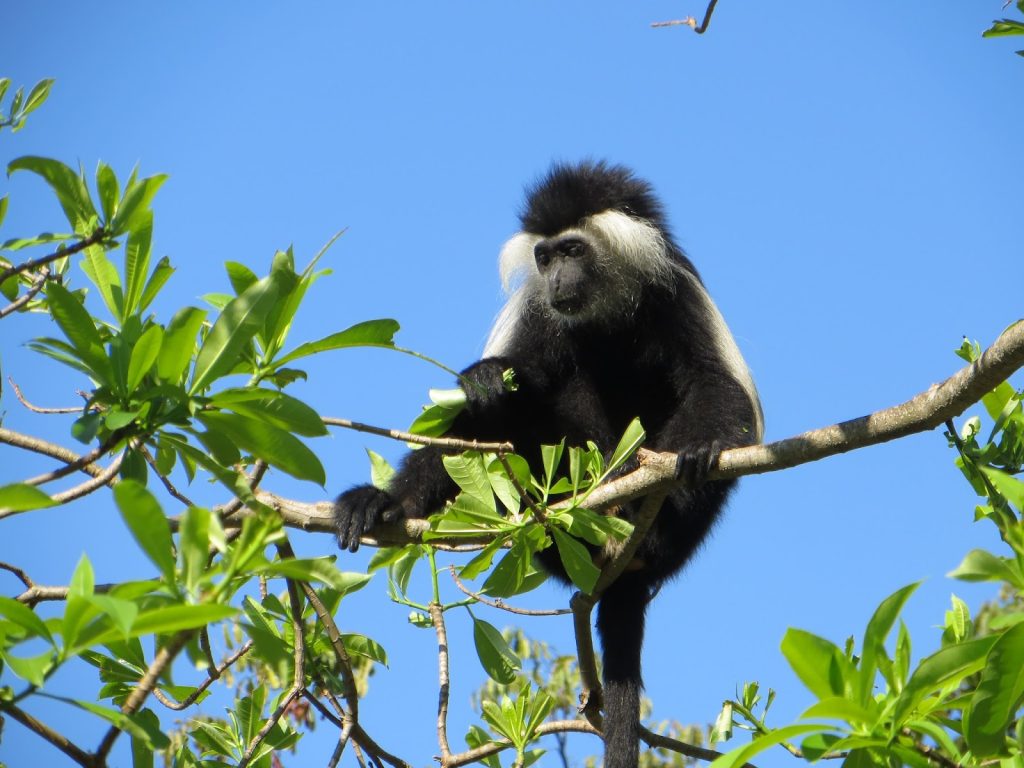
Tanzania National Parks describes Udzungwa as an internationally important biodiversity hotspot known for ancient forests, spectacular waterfalls and endemic primates such as the Udzungwa red colobus and Sanje mangabey.
Gowitos Safaris & Holidays can arrange guided Udzungwa National Park hiking tours, accommodation, transfers and combined southern Tanzania safari itineraries for 2027, 2028 and 2029.
Where Is Udzungwa National Park?
Udzungwa National Park is located in south-central Tanzania, mainly within the Morogoro and Iringa regions. The park is part of the Eastern Arc Mountains and covers approximately 1,990 square kilometres.
Mang’ula is the main gateway for most visitors. The park headquarters, local accommodation and starting points for several popular hiking trails are located around this area.
Approximate road connections include:
- Mikumi to Udzungwa: 1½–2½ hours
- Morogoro to Udzungwa: 4–5 hours
- Dar es Salaam to Udzungwa: 7–9 hours
- Iringa to Udzungwa: 5–7 hours
Driving times depend on traffic, weather and road conditions. Travellers arriving by train should confirm the latest passenger schedules and station arrangements before relying on rail transport.
Why Visit Udzungwa National Park?
Udzungwa offers a very different experience from a standard vehicle-based wildlife safari. There are no conventional game-drive circuits through its rainforest interior. Instead, visitors explore the park with trained guides along walking and trekking trails.
The destination is especially suitable for:
- Hikers and active travellers
- Waterfall lovers
- Birdwatchers
- Wildlife photographers
- Primate enthusiasts
- Botanical researchers
- Conservation travellers
- Visitors combining Udzungwa with Mikumi or Nyerere
The forest trails range from short walks to challenging multi-day expeditions.
1. Hike to the Spectacular Sanje Waterfall
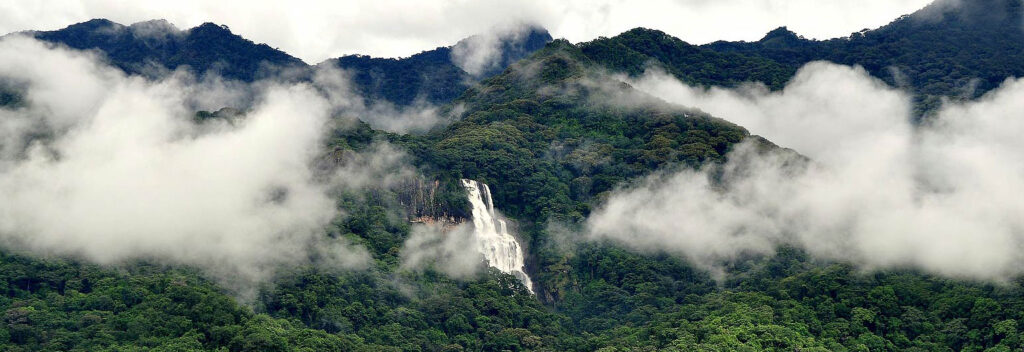
Sanje Waterfall is the best-known attraction in Udzungwa National Park. Water drops approximately 170 metres across several stages, creating one of the most impressive waterfall settings in Tanzania’s national parks.
The hike passes through tropical forest before reaching viewpoints overlooking the waterfall and Kilombero Valley. Along the way, hikers may see monkeys, butterflies, forest birds and unusual plant species.
The trail can be steep and humid, particularly after rainfall. Visitors should carry enough drinking water, wear shoes with good grip and follow the instructions of their guide.
A Sanje Waterfall hike generally takes around four to six hours, depending on fitness, weather, trail conditions and the time spent at viewpoints.
Swimming may be possible in designated natural pools when conditions and park regulations allow. Your guide will confirm whether entering the water is safe and permitted on the day of your visit.
2. Search for Rare Endemic Primates
Udzungwa National Park is one of Tanzania’s most important destinations for primate conservation. Several monkey species live within its forests, including species that are difficult or impossible to find elsewhere.
Important primates include:
- Udzungwa red colobus
- Sanje crested mangabey
- Angolan black-and-white colobus
- Blue monkey
- Vervet monkey
- Yellow baboon
The Udzungwa red colobus and Sanje mangabey are especially significant because of their restricted natural ranges. TANAPA identifies both as key endemic primates protected within the park’s ancient forests.
Primate sightings depend on movement, weather, time of day and the selected trail. Early-morning walks can be productive because monkeys are often active and easier to hear.
Visitors should avoid feeding wildlife, making loud noises or attempting to move too close for photographs.
3. Explore an African Biodiversity Hotspot
Udzungwa is frequently called the “Galápagos of Africa” because of its exceptional concentration of plants and animals found nowhere else.
The park’s changing altitude supports several habitats, including:
- Lowland rainforest
- Mountain forest
- Miombo woodland
- Bamboo vegetation
- Grassland
- Moorland
- River and waterfall ecosystems
These habitats support mammals, reptiles, amphibians, butterflies, birds and thousands of plant species. TANAPA’s official park information describes Udzungwa as a centre of endemism with pristine vegetation ranging from closed forest canopy to higher-altitude woodland and moorland.
The forest also protects important water catchments that support surrounding communities, agriculture and ecosystems in the Kilombero Valley.
4. Walk the Prince Bernhard Waterfall Trail
Travellers who want a shorter forest experience can consider the Prince Bernhard Waterfall trail. This route provides an introduction to Udzungwa’s vegetation, streams and wildlife without requiring the longer climb to Sanje Waterfall.
The walk may suit:
- Families with older children
- Travellers with limited time
- Visitors who prefer a moderate forest walk
- Birdwatchers
- Guests combining several activities in one day
Trail duration and difficulty depend on the starting point and current conditions. Heavy rain can make sections slippery, so visitors should use suitable footwear.
Shorter trails still require an authorised guide because the forest environment can be difficult to navigate independently.
5. Take the Challenging Mwanihana Peak Trek
Mwanihana Peak is one of Udzungwa National Park’s most rewarding options for experienced hikers. The route travels through changing vegetation zones before reaching higher mountain terrain.
This is normally organised as a multi-day trek with camping. Hikers must be physically prepared for long walking hours, uneven terrain, steep climbs and basic overnight conditions.
A Mwanihana trek may include:
- Dense rainforest
- Mountain streams
- Open ridges
- High-altitude vegetation
- Forest wildlife
- Kilombero Valley views
- Remote campsites
Weather can change quickly in the mountains. Waterproof clothing, warm layers and suitable hiking equipment are essential.
Gowitos Safaris & Holidays can arrange guides, porters, camping equipment, meals and transport according to current TANAPA requirements.
6. Discover Excellent Birdwatching
Udzungwa National Park is an important birdwatching destination because it protects several habitats and forms part of the Eastern Arc ecosystem.
Birdwatchers may search for forest species, raptors, sunbirds, greenbuls, hornbills and other birds associated with mountain and woodland habitats. Some species have restricted ranges, making the park particularly valuable for serious birding enthusiasts.
Birdwatching is usually most productive during the morning, when temperatures are cooler and birds are active.
Useful birding equipment includes:
- Quality binoculars
- A regional bird guide
- A camera with a telephoto lens
- Neutral-coloured clothing
- A notebook or birding application
- A lightweight waterproof jacket
Visitors primarily interested in birds should request a specialist guide or inform Gowitos when booking so that sufficient time can be included in the itinerary.
7. Enjoy Forest Photography
Udzungwa provides photographic opportunities that are very different from Tanzania’s open plains.
Possible subjects include:
- Waterfalls
- Forest streams
- Endemic monkeys
- Butterflies
- Ancient trees
- Wildflowers
- Mountain views
- Birds
- Sunlight passing through the forest canopy
Forest photography can be technically challenging because light levels are lower beneath the canopy. A camera that performs well in low light, a fast lens and image stabilisation can be helpful.
Visitors should protect their equipment from moisture and carry additional batteries. A dry bag or waterproof camera cover is useful, especially during the rainy months.
Flash photography should not be used close to sensitive wildlife unless expressly permitted.
8. Experience Multi-Day Forest Trekking
Adventurous travellers can go beyond the popular day hikes and explore Udzungwa through longer trekking routes.
Multi-day expeditions provide access to remote forest, mountain ridges and campsites far from the main visitor area. Routes such as Mwanihana and Lumemo require stronger fitness, careful planning and appropriate camping equipment.
A multi-day trek may involve:
- Long daily walking distances
- Camping inside authorised areas
- Carrying personal hiking equipment
- Porter support
- River or stream crossings
- Changing elevations
- Simple outdoor meals
- Limited communication coverage
The itinerary should allow realistic walking times. Travellers must inform the operator about medical conditions, previous hiking experience and dietary requirements before departure.
9. Combine Udzungwa with a Southern Tanzania Safari
Udzungwa National Park combines naturally with other destinations in southern Tanzania.
Popular combinations include:
- Mikumi National Park and Udzungwa
- Udzungwa and Nyerere National Park
- Udzungwa, Mikumi and Ruaha
- Udzungwa and the Kilombero Valley
- Udzungwa followed by Zanzibar
- Southern Tanzania safari and coastal holiday
Mikumi offers traditional game drives with opportunities to see elephants, giraffes, zebras, lions and other savannah wildlife. Udzungwa then adds hiking, primates and waterfalls to the journey.
This creates a balanced itinerary combining vehicle-based wildlife viewing with active forest exploration.
Best Time to Visit Udzungwa National Park
Udzungwa can be visited throughout the year, but hiking conditions change with the seasons.
June to October
The main dry season generally offers the most comfortable hiking conditions. Trails are usually firmer, humidity can be lower and long-distance views may be clearer.
This is a suitable period for Sanje Waterfall, Mwanihana and other extended hikes.
November to December
Short rains can create greener vegetation and increase the volume of streams and waterfalls. Trails may become muddy after rain, but birding and photography can be rewarding.
January to February
These warmer months may provide a mixture of dry conditions and occasional rain. Visitors should prepare for heat and humidity on lower-elevation trails.
March to May
The long rains create powerful waterfalls and lush forest scenery. However, trails can become muddy, slippery and more demanding.
Visitors travelling during this period should carry waterproof equipment and allow flexibility in their schedule.
Suggested Two-Day Udzungwa Itinerary
Day 1: Mikumi to Udzungwa National Park
After breakfast, travel from Mikumi to Udzungwa National Park. Register at the park headquarters and meet your hiking guide.
Depending on your arrival time and fitness level, take a shorter forest walk or visit a nearby waterfall trail. Look for monkeys, forest birds, butterflies and interesting plant life.
Later, return to your lodge or camp for dinner and overnight.
Day 2: Sanje Waterfall Hike
After an early breakfast, transfer to the Sanje trailhead and begin the guided hike through the forest.
Your guide will help identify primates, birds, trees and other natural features. Continue to the waterfall viewpoints and enjoy views across the Kilombero Valley.
After resting and eating a packed lunch, descend carefully and continue to Mikumi, Morogoro or your next destination.
Suggested Three-Day Udzungwa and Mikumi Safari
Day 1: Dar es Salaam to Mikumi
Travel from Dar es Salaam to Mikumi National Park. Enjoy an afternoon game drive before proceeding to your accommodation.
Day 2: Mikumi to Udzungwa
Take an early-morning game drive in Mikumi before travelling to Udzungwa. Complete park registration and enjoy a short guided forest walk.
Day 3: Sanje Waterfall and Departure
Hike to Sanje Waterfall with an authorised guide. After descending from the forest, continue to Morogoro, Dar es Salaam or another agreed destination.
Accommodation Near Udzungwa
Accommodation is available around Mang’ula and nearby communities. Options may include:
- Local guesthouses
- Budget lodges
- Tented camps
- Mid-range lodges
- Campsites
- Community-based accommodation
Facilities are generally simpler than those found around Serengeti or Ngorongoro. Travellers should choose accommodation according to their required comfort level, meal arrangements and preferred distance from the park entrance.
Advance booking is recommended during busy travel periods.
What to Pack for an Udzungwa Hike
Pack lightly, but prepare properly for forest conditions.
Recommended items include:
- Strong hiking shoes
- Lightweight walking trousers
- Breathable shirts
- Rain jacket
- Small backpack
- Drinking water
- Packed lunch or energy snacks
- Insect repellent
- Sunscreen
- Sun hat
- Binoculars
- Camera
- Waterproof bag
- Personal medication
- Walking poles for steep trails
Avoid carrying unnecessary heavy items. Porters can be arranged for selected multi-day routes.
Responsible Travel in Udzungwa
Visitors play an important role in protecting the park’s fragile forest environment.
Please remember to:
- Stay on authorised trails
- Follow your guide’s instructions
- Never feed monkeys
- Avoid playing loud music
- Carry all rubbish out of the forest
- Do not remove plants, rocks or other natural materials
- Keep a respectful distance from wildlife
- Use reusable water bottles
- Avoid contaminating streams and natural pools
- Support authorised guides and local businesses
Responsible hiking protects sensitive habitats and helps preserve Udzungwa National Park for future generations.
Frequently Asked Questions
Is Udzungwa National Park worth visiting?
Yes. Udzungwa is worth visiting for its waterfalls, rare primates, ancient forests, birdlife and guided hiking trails. It offers an active experience that complements Tanzania’s vehicle-based safaris.
Can you do game drives in Udzungwa?
Udzungwa is primarily a hiking destination. Its rainforest interior does not have the standard game-drive road network found in Serengeti, Mikumi or Tarangire.
How difficult is the Sanje Waterfall hike?
The Sanje hike is moderately challenging because of steep, uneven and sometimes slippery sections. Travellers with reasonable fitness can normally complete it at a comfortable pace with rest stops.
Do I need a guide?
Yes. Visitors should explore the park with an authorised guide. Guides provide navigation, wildlife knowledge, safety support and interpretation of the forest ecosystem.
Can children visit Udzungwa?
Yes, but the chosen trail should match the child’s age, fitness and hiking experience. Short forest walks may be more suitable than Sanje or multi-day mountain treks.
Can I swim at Sanje Waterfall?
Swimming may be possible in designated areas when water conditions and park regulations permit. Always ask your guide before entering any natural pool.
How many days do I need?
Two days are suitable for a short visit and Sanje Waterfall hike. Three or more days allow time for additional trails, birdwatching or a combination with Mikumi National Park.
Are there dangerous animals in the forest?
Udzungwa contains wildlife, insects and reptiles. Encounters with dangerous animals are uncommon on established trails, but visitors must remain with their guide and follow all safety instructions.
Book Your Udzungwa National Park Tour
Explore ancient rainforest, impressive waterfalls and rare primates with Gowitos Safaris & Holidays. We can arrange transport, professional guides, accommodation, meals, park fees and combined southern Tanzania safari itineraries.
Your Udzungwa National Park experience can be organised as a private day hike, a two-day waterfall tour or part of a longer Mikumi, Ruaha or Nyerere safari.
Plan your Tanzania adventure with Gowitos Safaris & Holidays
WhatsApp: +255 769 100 815
Email: info@gowitossafarisandholidays.com
