
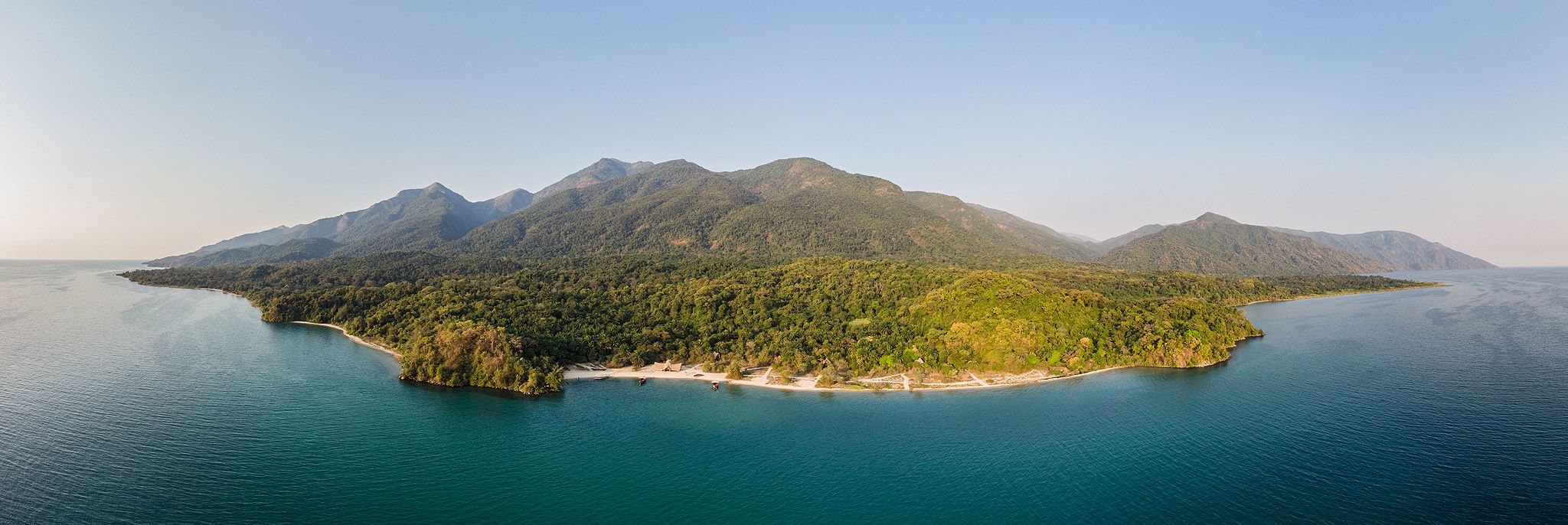
Mahale Mountains National Park is one of Tanzania’s most remote and distinctive wildlife destinations. Located on the eastern shore of Lake Tanganyika in western Tanzania, the park brings together forested mountains, sandy beaches, waterfalls, clear lake water and wild chimpanzees.
Unlike Tanzania’s better-known vehicle-based safari parks, Mahale is mainly explored on foot and by boat. Chimpanzee trekking is the principal wildlife activity, while visitors can also enjoy forest walks, birdwatching, boat trips, kayaking and relaxing beside Lake Tanganyika.
The park’s limited access helps preserve its quiet wilderness atmosphere. Reaching Mahale requires careful planning, but visitors are rewarded with an experience very different from a traditional Serengeti or Ngorongoro safari.
Gowitos Safaris & Holidays can arrange flights, boat transfers, accommodation and guided activities in Mahale Mountains National Park.
Mahale Mountains National Park Overview
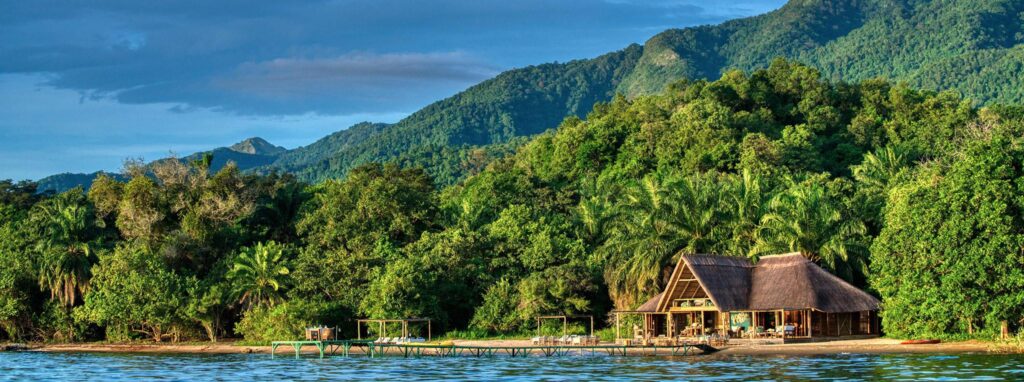
Mahale lies in western Tanzania, with forested mountains rising directly from the shoreline of Lake Tanganyika. The park protects chimpanzee habitat, montane forest, mountain streams, beaches and the surrounding lake environment.
The landscape contains steep slopes, valleys, waterfalls and granite ridges. Along the shoreline, sandy beaches create a surprising contrast with the dense green forest behind them.
Tanzania National Parks identifies guided chimpanzee trekking, hiking, beach relaxation and activities on Lake Tanganyika among Mahale’s main experiences.
Why Visit Mahale Mountains National Park?
Mahale is suitable for travellers looking for:
- Guided chimpanzee trekking
- A remote wilderness experience
- Forest and mountain hiking
- Lake Tanganyika scenery
- Sandy freshwater beaches
- Birdwatching
- Primate observation
- Boat excursions
- Kayaking
- Wildlife photography
- A quieter alternative to conventional vehicle safaris
- A combination with Katavi National Park
The park is especially attractive to travellers who value time in nature and are comfortable reaching a destination far from Tanzania’s main tourism routes.
Chimpanzees in Mahale
Chimpanzee trekking is the main reason many travellers visit Mahale Mountains National Park.
The park protects wild chimpanzees living within the forested mountains and valleys. Some communities have become accustomed to the presence of researchers and carefully managed visitor groups, making guided observation possible.
Chimpanzees share complex social relationships. During a trek, visitors may observe them feeding, grooming, resting, communicating or moving through the forest.
However, finding the chimpanzees is never guaranteed. Their daily location depends on food, weather, season and natural movement.
Some days may involve a relatively short walk, while others require several hours of hiking over steep and uneven terrain.
The Chimpanzee Trekking Experience
Chimpanzee trekking normally begins with a briefing from an authorised guide or park ranger.
The briefing covers forest safety, appropriate behaviour and rules designed to protect both visitors and chimpanzees.
Once the likely location of the chimpanzees has been identified, the group enters the forest. The trail may include:
- Steep uphill sections
- Uneven forest paths
- Stream crossings
- Wet or muddy ground
- Thick vegetation
- Tree roots and loose stones
- Hot and humid conditions
The pace and duration depend on the location of the chimpanzees and the physical ability of the participants.
After locating a chimpanzee group, visitors must follow all instructions regarding distance, noise, photography and observation time.
Chimpanzee Trekking Rules
Chimpanzees can be affected by human illnesses. Visitors must take health requirements seriously and inform the guide when feeling unwell.
General rules may include:
- Following the ranger’s instructions
- Maintaining the required distance
- Keeping voices low
- Avoiding direct contact
- Not feeding the chimpanzees
- Not leaving rubbish in the forest
- Avoiding flash photography
- Covering the mouth when coughing or sneezing
- Following current mask requirements
- Remaining with the authorised group
- Respecting the permitted observation time
- Not trekking when suffering from a contagious illness
Rules may change according to conservation and health requirements. The instructions provided by Tanzania National Parks and the guide on the day take priority.
Lake Tanganyika
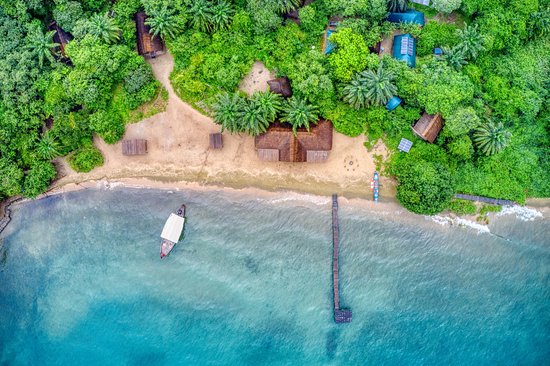
Lake Tanganyika forms Mahale’s western boundary and is central to the park’s landscape and visitor experience.
The lake’s clear water, sandy shoreline and mountain background make Mahale feel very different from Tanzania’s savannah parks. Boat transport is an important part of reaching camps and moving along the shoreline.
Possible lake activities include:
- Guided boat trips
- Kayaking
- Sport fishing where permitted
- Swimming in approved areas
- Birdwatching
- Sunset cruises
- Beach relaxation
- Photography
All water activities depend on weather, equipment, local conditions and current park regulations. Visitors should follow the advice of park staff and accommodation guides. TANAPA lists boating, kayaking and swimming among the experiences available in Mahale.
Mahale’s Mountains and Forests
The Mahale Mountains rise steeply behind Lake Tanganyika. Their slopes support forest, woodland, bamboo and higher-elevation habitats.
Streams and waterfalls descend through valleys towards the lake. The forest environment provides shelter for chimpanzees, monkeys, birds, butterflies and other wildlife.
Hiking in Mahale is physically different from a normal vehicle safari. The terrain can be steep, humid and slippery, especially after rain.
Visitors should bring suitable footwear and be honest about their fitness when planning longer walks.
Other Primates in Mahale
Chimpanzees are Mahale’s main attraction, but the forest also supports other primates.
Possible sightings include:
- Red-tailed monkeys
- Blue monkeys
- Red colobus monkeys
- Angola colobus monkeys
- Vervet monkeys
- Yellow baboons
Some primates are easier to observe than others. Their location and visibility depend on forest conditions and natural movement.
Watching different primate species provides a broader understanding of the park’s forest ecosystem rather than focusing only on chimpanzees.
Other Wildlife
Mahale is not a conventional Big Five safari destination. Its wildlife experience centres on primates, forest habitats and Lake Tanganyika.
Other animals that may occur within the wider park include:
- Bushbucks
- Bushpigs
- Warthogs
- Duikers
- Porcupines
- Mongooses
- Small forest mammals
- Hippos
- Leopards
- Buffaloes
- Elephants
Many larger mammals live in remote sections and are not regularly encountered during a standard visit. Visitors should not expect wildlife densities similar to Serengeti, Tarangire or Ngorongoro.
Birdlife
The combination of forest, mountains, beaches and lake habitats makes Mahale an interesting birdwatching destination.
Visitors may observe:
- Kingfishers
- Fish eagles
- Hornbills
- Turacos
- Sunbirds
- Bee-eaters
- Herons
- Egrets
- Forest flycatchers
- Waterbirds
Bird activity varies with season, habitat and time of day. Visitors with a strong birdwatching interest should tell Gowitos Safaris & Holidays when planning the trip so that suitable guiding can be arranged.
Butterflies and Forest Life
Mahale’s humid forest supports butterflies and numerous smaller species that are easily overlooked during a chimpanzee trek.
Streams, flowering plants and shaded paths create suitable environments for colourful butterflies, insects, amphibians and reptiles.
Travelling slowly and paying attention to the forest’s sounds and smaller details can make the walking experience rewarding even before the chimpanzees are located.
Activities in Mahale Mountains National Park
Chimpanzee Trekking
Guided chimpanzee trekking is the principal activity. The length and difficulty of each walk depend on where the chimpanzees are located.
Forest Hiking
Guided walks can explore forest trails, streams, valleys and viewpoints. Longer hikes require suitable fitness and advance planning.
Boat Excursions
Boats are used for transfers and scenic journeys along the Lake Tanganyika shoreline. Trips may offer views of beaches, mountains and fishing communities outside the park.
Kayaking
Some accommodations provide kayaking in suitable lake conditions. Availability depends on equipment, weather and safety requirements.
Beach Relaxation
Mahale’s sandy beaches offer a peaceful place to rest after trekking. Visitors should follow local advice regarding swimming and other water activities.
Birdwatching
Forest and lake environments support varied birdlife. Birding can be combined with chimpanzee trekking, boat trips and walks.
Photography
Mahale offers opportunities to photograph chimpanzees, forest landscapes, Lake Tanganyika, mountains, birds and sunsets.
Flash photography around chimpanzees should not be used.
Sport Fishing
Sport fishing may be available under applicable regulations and with the required arrangements. Equipment, permits and catch rules should be confirmed before travel.
Best Time to Visit Mahale Mountains National Park
Mahale can be visited during different parts of the year, but weather and chimpanzee movement affect the experience.
June to October
These are generally the drier months. Forest trails may be easier to walk, and chimpanzees may move to lower elevations as food distribution changes.
This is a popular period, so flights and accommodation should be reserved early.
November to December
Short rains can bring greener vegetation and humid conditions. Trekking remains possible, but paths may become slippery.
January to March
This period may offer warm conditions with a mixture of rain and clearer days. Chimpanzee location can vary according to available forest food.
April and May
These are generally wetter months. Heavy rain can affect flights, boat transfers and forest trails.
Some accommodations may operate seasonally or reduce services during the wettest period. Availability should be confirmed before finalising travel plans.
No season can guarantee that chimpanzees will be close to the lodge or easily located.
How to Reach Mahale Mountains National Park
Mahale is remote and cannot be approached like a Northern Circuit road safari.
Scheduled or Charter Flight
The most practical option is normally a scheduled or charter flight from Arusha, Dar es Salaam or another available connection to an airstrip serving the Mahale region.
Flight routes, operating days and baggage limits vary. Some services operate only on selected days or during certain seasons.
After landing, visitors normally continue by boat to their accommodation.
Through Kigoma
Another option is to travel to Kigoma by air, rail or road and arrange a boat transfer south along Lake Tanganyika.
The boat journey can be long and depends on the type of vessel, departure point and lake conditions.
Boat Access
Boat transport is essential for reaching many accommodation properties and park locations. Mahale’s limited road infrastructure is part of its remote character.
TANAPA describes Mahale as a limited-access destination where the mountain forest meets the Lake Tanganyika shoreline.
How Many Days Should You Spend in Mahale?
Mahale requires significant travel time, so a very short visit is rarely practical.
A recommended stay is generally:
- Three nights: A short introduction with limited flexibility
- Four nights: Better opportunity for more than one chimpanzee trek
- Five nights or more: Suitable for trekking, lake activities and relaxation
- Six or more nights: Suitable for photographers and travellers combining several forest and lake experiences
A longer stay increases the opportunity to trek on different days if the chimpanzees are far away or weather affects the programme.
Accommodation in Mahale
Accommodation options are limited compared with the Northern Circuit.
Luxury Camps
High-end camps provide furnished rooms or bandas, meals, guided activities and boat transfers in remote lakeside locations.
Mid-Range Lodges and Camps
Some properties provide comfortable accommodation with more modest facilities. Availability may be seasonal.
Park Bandas and Basic Accommodation
Simpler accommodation may be available through park or locally managed facilities. Services and booking procedures should be confirmed in advance.
Because capacity is limited, early booking is important. Tanzania National Parks provides accommodation information and reservations for properties within the park.
Combining Mahale with Other Destinations
Katavi National Park
Mahale is frequently combined with Katavi because both destinations are located in western Tanzania and may share flight connections.
Katavi offers a more traditional vehicle safari, while Mahale focuses on chimpanzees, mountains and the lake.
Gombe National Park
Gombe is another western Tanzanian destination known for chimpanzees. Combining both parks requires careful planning around flights and boat transfers.
Serengeti and Ngorongoro
A western Tanzania extension can follow a Northern Circuit safari. Additional travel days should be included.
Zanzibar
After trekking in Mahale, visitors may continue to Zanzibar for a beach holiday. Flight connections normally require careful coordination.
Mount Kilimanjaro
Mahale can be added before or after a Kilimanjaro climb, although travellers should allow rest and transfer days between the experiences.
What to Pack
Chimpanzee Trekking
- Lightweight long trousers
- Long-sleeved shirt
- Waterproof hiking shoes
- Long hiking socks
- Light rain jacket
- Small daypack
- Gardening-style gloves if recommended
- Reusable water bottle
- Insect repellent
- Personal medication
- Face masks when required
Lake and Lodge
- Lightweight casual clothing
- Swimwear
- Sandals
- Sun hat
- Sunglasses
- Sunscreen
- Light evening layer
- Small dry bag
Photography
- Camera
- Telephoto lens
- Wide-angle lens
- Spare batteries
- Memory cards
- Lens-cleaning equipment
- Waterproof camera protection
- Power bank
- Binoculars
Soft-sided luggage is normally required on light aircraft, and baggage limits can be strict.
Health and Fitness
Chimpanzee trekking requires a reasonable level of fitness. The forest terrain may be steep, hot, humid and slippery.
Travellers should inform Gowitos Safaris & Holidays about:
- Mobility limitations
- Heart or respiratory conditions
- Recent injuries
- Contagious illnesses
- Medication requirements
- Dietary restrictions
- Relevant allergies
Visitors showing signs of a contagious illness may not be permitted to approach chimpanzees.
Comprehensive travel insurance should cover medical treatment, evacuation, flight changes and activity-related risks.
Responsible Chimpanzee Tourism
Chimpanzee tourism must prioritise animal welfare and habitat protection.
Responsible visitors should:
- Follow the ranger’s instructions
- Maintain the required distance
- Never feed wildlife
- Avoid flash photography
- Keep noise low
- Remain with the authorised group
- Carry all rubbish out of the forest
- Avoid trekking when unwell
- Respect observation limits
- Avoid touching vegetation unnecessarily
- Support properly managed accommodation and guiding services
Chimpanzee encounters should never be forced or guaranteed.
Frequently Asked Questions
Where is Mahale Mountains National Park?
Mahale is located in western Tanzania on the eastern shore of Lake Tanganyika.
What is Mahale famous for?
The park is best known for wild chimpanzees, forested mountains, sandy beaches and Lake Tanganyika.
Can vehicles be used for game drives?
Mahale is not primarily a vehicle-safari destination. Most visitor activities take place on foot or by boat.
Are chimpanzee sightings guaranteed?
No. Chimpanzees move freely through the forest, and their location changes according to food, weather and natural behaviour.
How difficult is chimpanzee trekking?
Difficulty varies. The walk may be short on one day and long or steep on another, depending on the chimpanzees’ location.
Can children join a chimpanzee trek?
Age restrictions may apply. Families should provide every child’s age before booking so that current park rules can be confirmed.
Can I visit Mahale throughout the year?
The park can be visited during different seasons, but flights, accommodation and activities may be limited during wetter months.
How do I reach Mahale?
Most visitors use a light aircraft followed by a boat transfer. Access through Kigoma may also be arranged.
Is Mahale suitable for a day trip?
No. The remote location and transport requirements make a multi-night stay more practical.
Can I swim in Lake Tanganyika?
Swimming may be available in approved areas under local guidance. Follow the instructions of park staff and accommodation guides.
Is Mahale a Big Five destination?
No. The main experience focuses on chimpanzees, forest wildlife, mountains and Lake Tanganyika.
How early should I book?
Early booking is recommended because flights, boats and accommodation have limited capacity.
Why Visit Mahale with Gowitos Safaris & Holidays?
Gowitos Safaris & Holidays is a Tanzanian company arranging wildlife safaris, chimpanzee experiences, Kilimanjaro climbs, day trips and Zanzibar holidays.
Mahale requires careful coordination between flights, boat transfers, accommodation and park activities. Gowitos Safaris & Holidays plans these arrangements according to your dates, budget and preferred length of stay.
The trip can be arranged as a dedicated Mahale experience or combined with Katavi, Serengeti, Ngorongoro or Zanzibar.
Plan Your Mahale Mountains National Park Experience
Mahale Mountains National Park combines wild chimpanzees, forested peaks, freshwater beaches and the clear waters of Lake Tanganyika.
To receive an accurate itinerary and quotation, provide your preferred dates, number of travellers, children’s ages, accommodation preference, departure location and desired length of stay.
Contact Gowitos Safaris & Holidays to begin planning your Mahale journey.
WhatsApp: +255 769 100 815
Email: info@gowitossafarisandholidays.com
